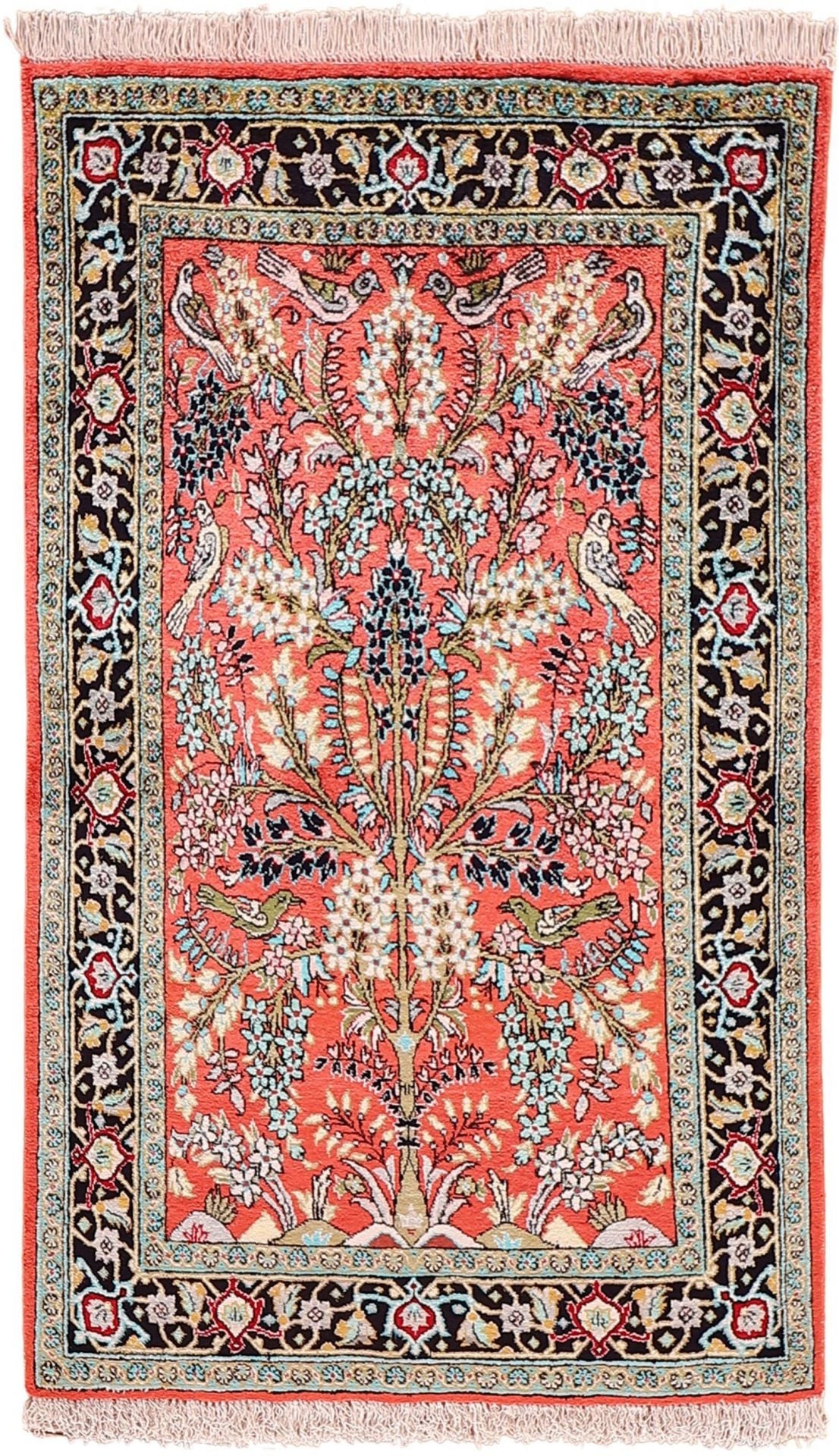
“The Art of Hand-Knotting: Why Hand-Knotted Carpets Are Timeless and Unique”
The art of hand-knotting: Why hand-knotted carpets are timeless and unique
Introduction
Carpets are not just floor coverings, but also an expression of culture, art, and tradition. Hand-knotted carpets, in particular, have a long history and are known for their quality and uniqueness. In this article, we explore why hand-knotted carpets are timeless and what aspects make them so special.
The history of carpet weaving
The art of carpet weaving originated thousands of years ago. Archaeological finds show that the first carpets existed in ancient Mesopotamia. These early examples were made of wool, cotton, and silk, with each region developing its own techniques and designs.
The development through the centuries
Over the centuries, carpet-making methods have evolved. Oriental carpets experienced a golden age during the Middle Ages, particularly in Persia and Turkey. The techniques developed there remain of great importance to this day and shape many modern hand-knotted carpets.
Materials for hand-knotted carpets
The choice of materials is crucial for the quality and durability of a carpet.
Wool
Wool is the most commonly used material for hand-knotted rugs. It's not only durable, but also stain-resistant and provides natural insulation.
Cotton
Cotton is often used for rug underlay or as a transitional material. It's lighter and offers a different texture that's beneficial for certain designs.
Silk
Silk is a luxurious material often used in combination with wool. It gives the carpet a unique shine and fine texture, but it is more delicate and requires special care.
The knotting process
Vorbereitungen
The carpet weaving process begins with the selection of materials and the creation of a design. Artists and craftspeople are often connected for generations, passing on their knowledge.
Knotting
The actual knotting technique involves several steps. First, a warp thread is stretched on a loom. Then, the individual wool or silk threads are knotted through the warp threads. This process can be very laborious and take several weeks to months, depending on the size and complexity of the rug.
Completion
After knotting, the rug is cut, washed, and dried. The edges are often reinforced for durability. Finally, a quality control check is carried out to ensure that the rug meets the high standards.
The unique designs
The designs of hand-knotted carpets are as diverse as the cultures from which they originate.
Traditional patterns
Traditional patterns often reflect cultural or religious meanings. These include floral motifs, geometric shapes, or mythological scenes.
Modern interpretations
In recent years, many Designer They have begun combining traditional carpet patterns with modern elements. These contemporary carpets offer a fresh perspective on traditional designs.
Care of hand-knotted carpets
Caring for a hand-knotted carpet is crucial for its longevity.
Regular cleaning
Regular vacuuming helps remove dirt particles that can damage the fibers. Occasional professional cleaning is also recommended to refresh the colors and extend the life of the carpet.
Stain treatment
Stains should be treated immediately to avoid permanent damage. Use gentle cleaning agents and test them on an inconspicuous area first.
The importance of hand-knotted carpets today
A piece of tradition in modern homes
Hand-knotted rugs not only bring warmth and style to any home, but also a piece of culture and history. They are unique works of art that tell stories and transcend generations.
Sustainability
Because hand-knotted rugs are often made from natural materials and produced using traditional techniques, they are generally more sustainable than machine-made rugs. This sustainability is increasingly valued by conscious consumers.
Conclusion
Hand-knotted rugs are more than just decoration. They tell stories, carry cultures and traditions, and are an expression of artistry and craftsmanship. Their timeless beauty and uniqueness make them a valuable addition to any room. So, if you're looking for a rug that's not only functional but also aesthetically pleasing and culturally significant, hand-knotted rugs could be the perfect choice for you.
FAQ
1. How do I recognize a genuine hand-knotted carpet?
Genuine hand-knotted rugs have a clear, often irregular knot on the back. Upon closer inspection, you'll also find slight irregularities in the patterns. Machine-made rugs typically have a uniform and smooth back.
2. How do I properly care for my hand-knotted carpet?
Make sure you vacuum regularly and treat stains promptly. Professional cleaning should be done every few years to preserve the colors and keep the carpet looking fresh.
3. Are hand-knotted carpets environmentally friendly?
Yes, many hand-knotted rugs are made from natural materials and often use traditional methods that are less environmentally harmful than industrial manufacturing processes. This makes them a more sustainable choice.