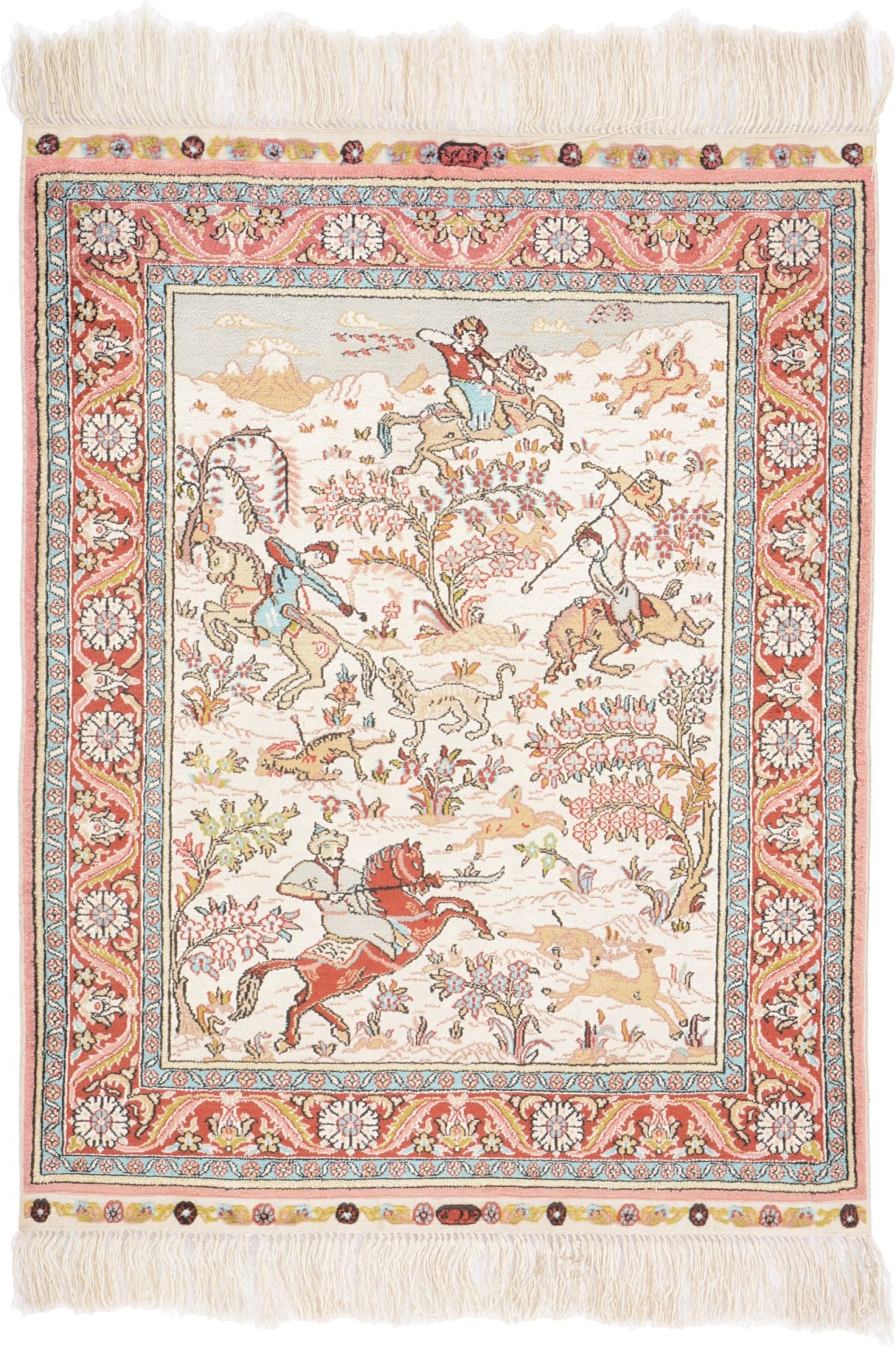
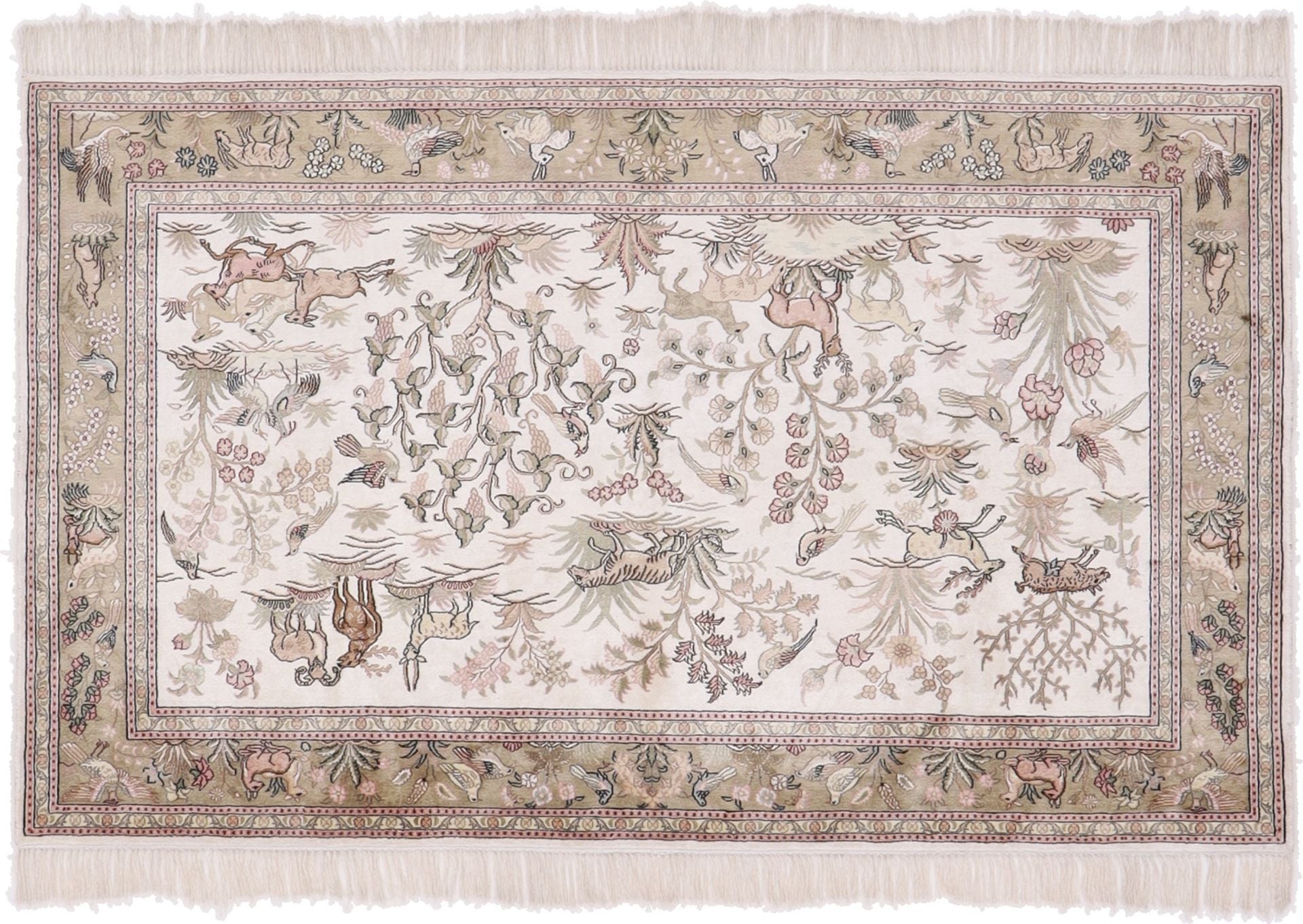
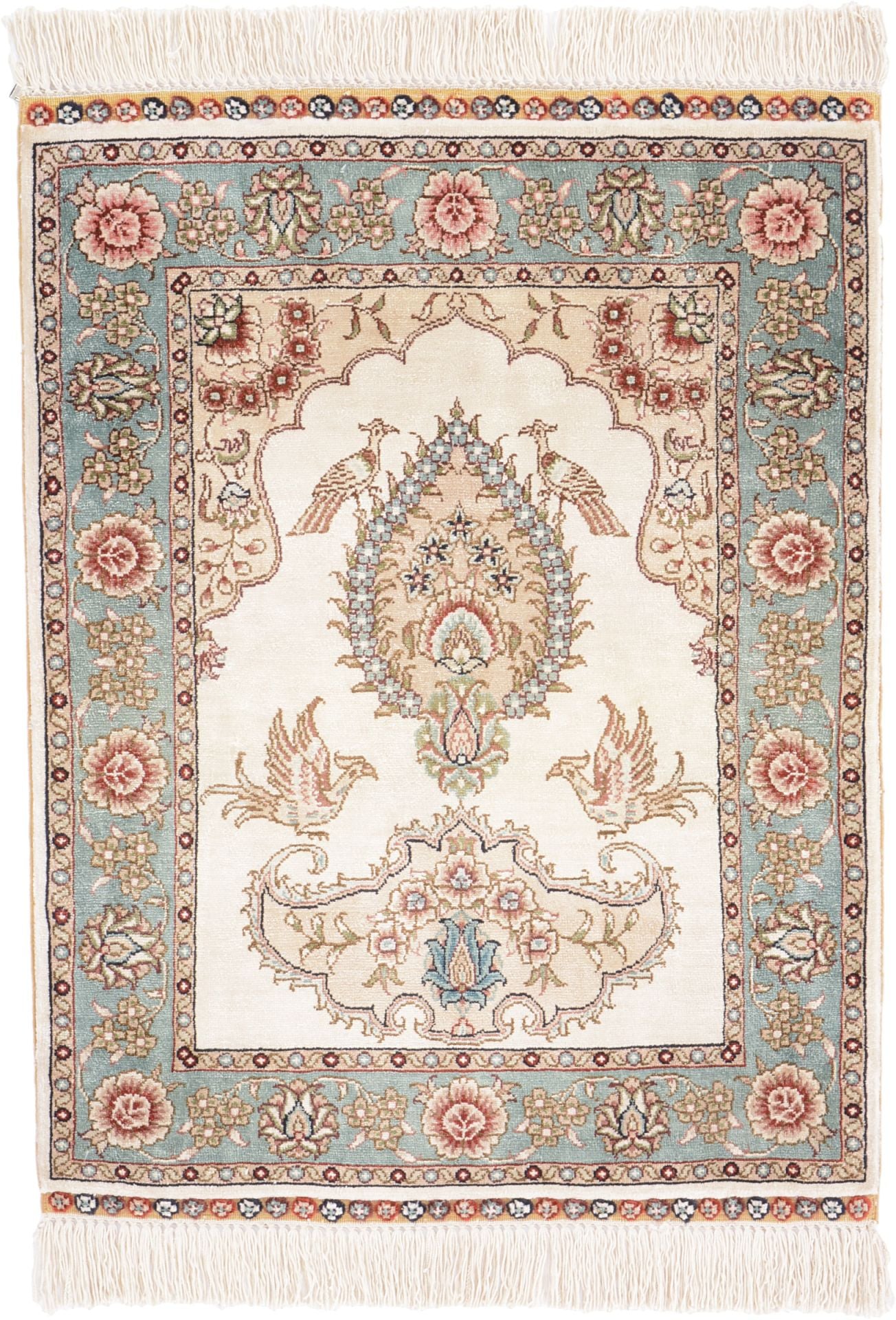
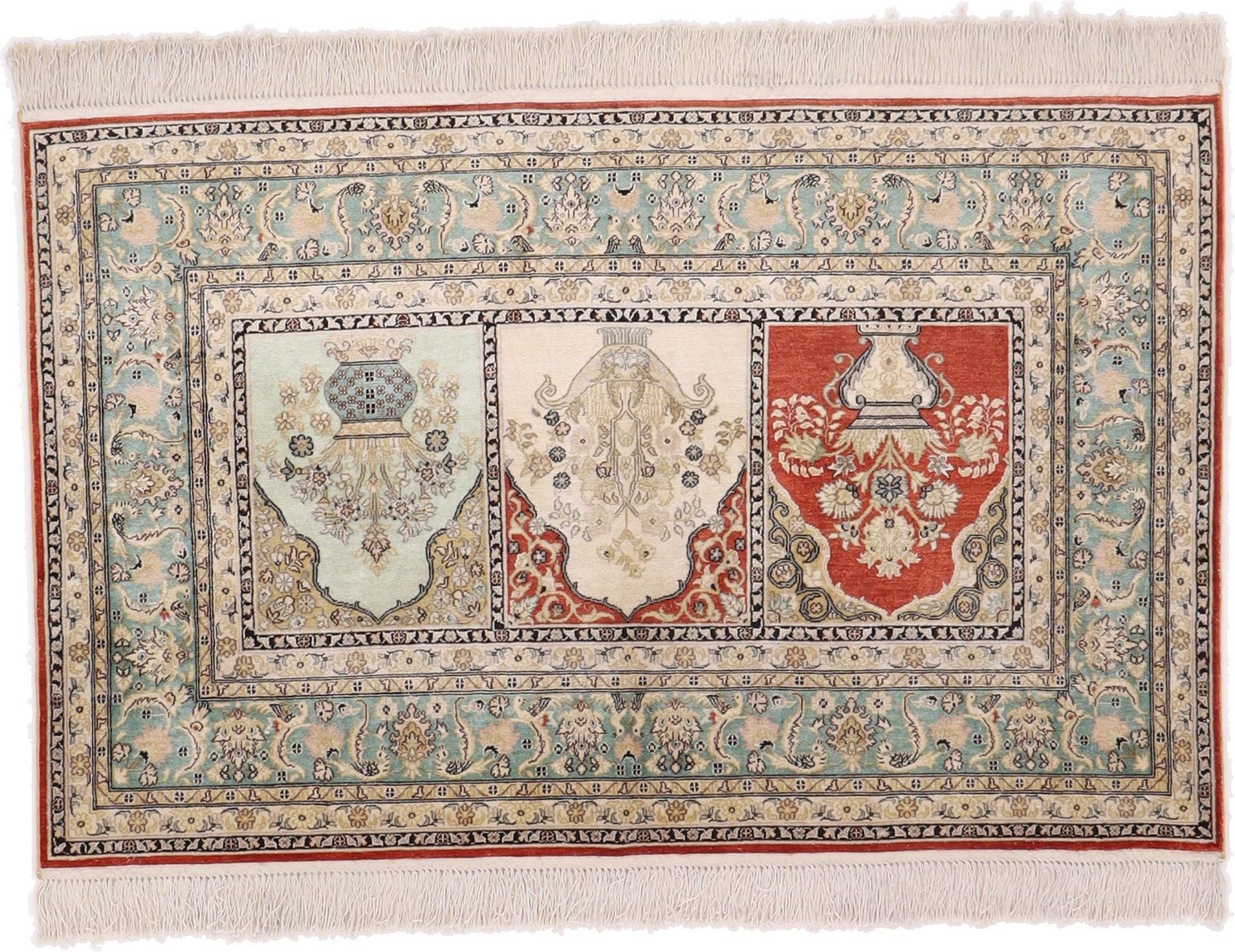
The art of hand-knotting: Tibetan carpets – a piece of tradition for your home
The art of hand-knotting: Tibetan carpets – a piece of tradition for your home
Introduction
Tibetan rugs are much more than just decorative items for your home; they are an expression of culture, history, and craftsmanship. The tradition of rug weaving in Tibet dates back centuries and is deeply rooted in the spiritual world of the Himalayas. In this article, we explore the fascinating world of Tibetan rugs, the hand-knotting techniques, the symbols and meanings behind the designs, and the benefits they can offer your home.
The history of Tibetan carpets
Tibetan carpets have a long and rich history dating back to the 12th century. Originally, these carpets were part of the nomadic lifestyle of the Tibetan people, who used them as a source of warmth on floors and also in their tents as part of their daily culture. The carpets were traditionally made from wool from black, white, or brown sheep, and their production was often a communal process.
Influence of religion and culture
Tibet's religious and cultural history has a significant influence on the art of carpet weaving. Many designs and patterns are inspired by Buddhist symbols and stories. These include depictions of mandalas, lotus plants, and other sacred images that have not only aesthetic but also spiritual significance.
Buddhism has strongly influenced the pattern and color choices of carpets. The most common colors include red, blue, yellow, and white, all of which have specific spiritual meanings. Red often represents happiness and joie de vivre, while blue symbolizes peace and harmony. Thus, the production of these carpets is not just a craft, but also a spiritual act.
The art of hand-knotting
Hand-knotting is a time-consuming and precise technique passed down from generation to generation. A single rug can take several weeks to months to complete, depending on the size and complexity of the design.
Materials
The main materials used in the production of Tibetan rugs are virgin wool and cotton. Virgin wool is particularly durable and offers high color fidelity. The wool and threads are often naturally dyed, meaning the colors are not only vibrant but also environmentally friendly.
Knotting techniques
Tibetan carpets are made using special knotting techniques known for their density and durability. The so-called "Tibetan knot" is a central component of this technique. Each knot is manually executed by a skilled artisan, giving the carpets a unique texture and appearance. This knotting technique also helps extend the lifespan of the carpets.
Uniqueness and craftsmanship
Each carpet is unique. The art of hand-knotting in Tibet allows artisans to express their creativity while preserving traditional patterns and designs. This blend of individual creativity and cultural heritage makes each carpet a work of art.
Design elements and symbols
Tibetan rug designs are often rich in symbols and stories. Here are some of the most common design elements and their meanings:
Mandalas
Mandalas are complex geometric patterns that symbolize the universe and wholeness. They are often used to promote meditation and spiritual growth.
Lotus plants
The lotus flower symbolizes purity, enlightenment, and spiritual growth. It is a common motif and is often depicted in various colors.
Animal symbols
Animal symbols often represent different qualities. For example, the lion represents strength and courage, while the peacock symbolizes beauty and pride. These animals are often depicted in folk tales and legends.
Colors
Colors have a deeper meaning in Tibetan culture. Blue represents peace, red happiness, and yellow wisdom. The choice of colors in carpet design is therefore also influenced by the intended emotional impact on the viewer.
Benefits of Tibetan carpets for your home
Adding a Tibetan rug to your home not only offers aesthetic value but also numerous benefits:
longevity
Thanks to the high-quality materials and traditional craftsmanship, Tibetan rugs are extremely durable and resilient. They not only withstand daily wear and tear but also retain their colors and texture for many years.
Warmth and coziness
Carpets provide warmth and comfort, especially in colder climates. They create a welcoming atmosphere and help dampen sound in rooms.
Cultural heritage
With a Tibetan rug, you not only bring a stylish element into your home, but also a piece of cultural heritage. It's a conversation piece that's sure to attract your guests.
Unique craftsmanship
Purchasing a Tibetan carpet not only supports the art of craftsmanship, but also the communities of artisans who share their knowledge and skills, thus ensuring sustainable development in the region.
Care and maintenance of Tibetan carpets
Caring for Tibetan rugs is relatively easy, as they are known for their durability. However, there are some tips to help you preserve your rug's beauty.
Regular vacuuming
Regular vacuuming removes dust and dirt that can accumulate over time. Be careful not to brush the carpet too vigorously to avoid damaging the fibers.
stain removal
When it comes to stains, it's important to act immediately. Use a clean cloth and gently dab the stain instead of rubbing. In most cases, warm water and mild soap are sufficient.
Professional cleaning
The carpet should be professionally cleaned once a year to treat the fibers and ensure their longevity.
Protection from sunlight
Prolonged exposure to sunlight can cause the colors to fade. It is recommended to place the rug in a location away from direct sunlight.
Final section
Tibetan rugs are not just simple home accessories, but masterpieces of craftsmanship and bearers of deep spiritual meaning. They bring warmth, aesthetics, and culture into your home, offering you and your guests a taste of Tibet. When you choose a Tibetan rug, you are investing not just in a product, but in the history and tradition of a centuries-old craft.
In today's fast-paced world, where mass production often takes center stage, these unique, handcrafted Tibetan rugs are a refreshing return to timelessness and authenticity. Be inspired by the beauty and enchantment of these rugs and add a touch of Tibetan tradition to your home.
FAQ
FAQ 1: How long does a Tibetan carpet last?
The longevity of a Tibetan rug can vary depending on care and use, but typically a high-quality Tibetan rug will last for several decades or even generations.
FAQ 2: Can Tibetan carpets be washed?
Tibetan rugs should not be machine washed if possible. The best solution is a gentle cleaning, ideally by a professional, to ensure that both the colors and the texture of the rug are preserved.
FAQ 3: Where can I buy Tibetan carpets?
Tibetan rugs are available in specialized rug shops, folklore stores, and online stores. When purchasing, it's important to pay attention to the quality and authenticity of the product.