The art of handicrafts: GabbehCarpets – Traditional masterpieces from Iran
Carpets: The art of handcraft and the beauty of Gabbeh-carpets
Introduction
For centuries, carpets have not only been practical objects, but also expressions of art, culture, and identity. Particularly fascinating are the GabbehCarpets from Iran, steeped in centuries-old tradition. These carpets are not only beautiful but also rich in meaning and history. In this article, we will explore the unique characteristics of... Gabbeh-We will take a closer look at carpets, their production, and the cultural backgrounds that make them so unique. We will also discuss how to appreciate the beauty of Gabbeh-how to integrate carpets into your home and what care is required so that they retain their full splendor for years to come.
What are Gabbeh-Carpets?
Gabbeh is a traditional type of carpet mainly used by nomadic tribes in Iran, especially the Lori and BakhtiariThey are manufactured. They differ greatly from other carpets, such as Persian carpets, in their simpler, often abstract design language and the use of natural colors. Gabbeh In Persian, it means "unprocessed" or "raw," which makes the original method of production and the design of the carpets clearer.
The characteristic features of Gabbeh-carpets
GabbehCarpets are characterized by the following features:
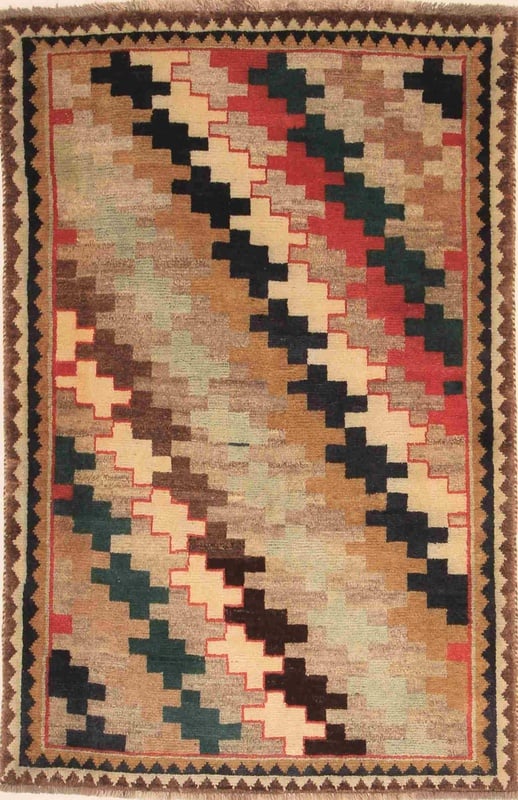
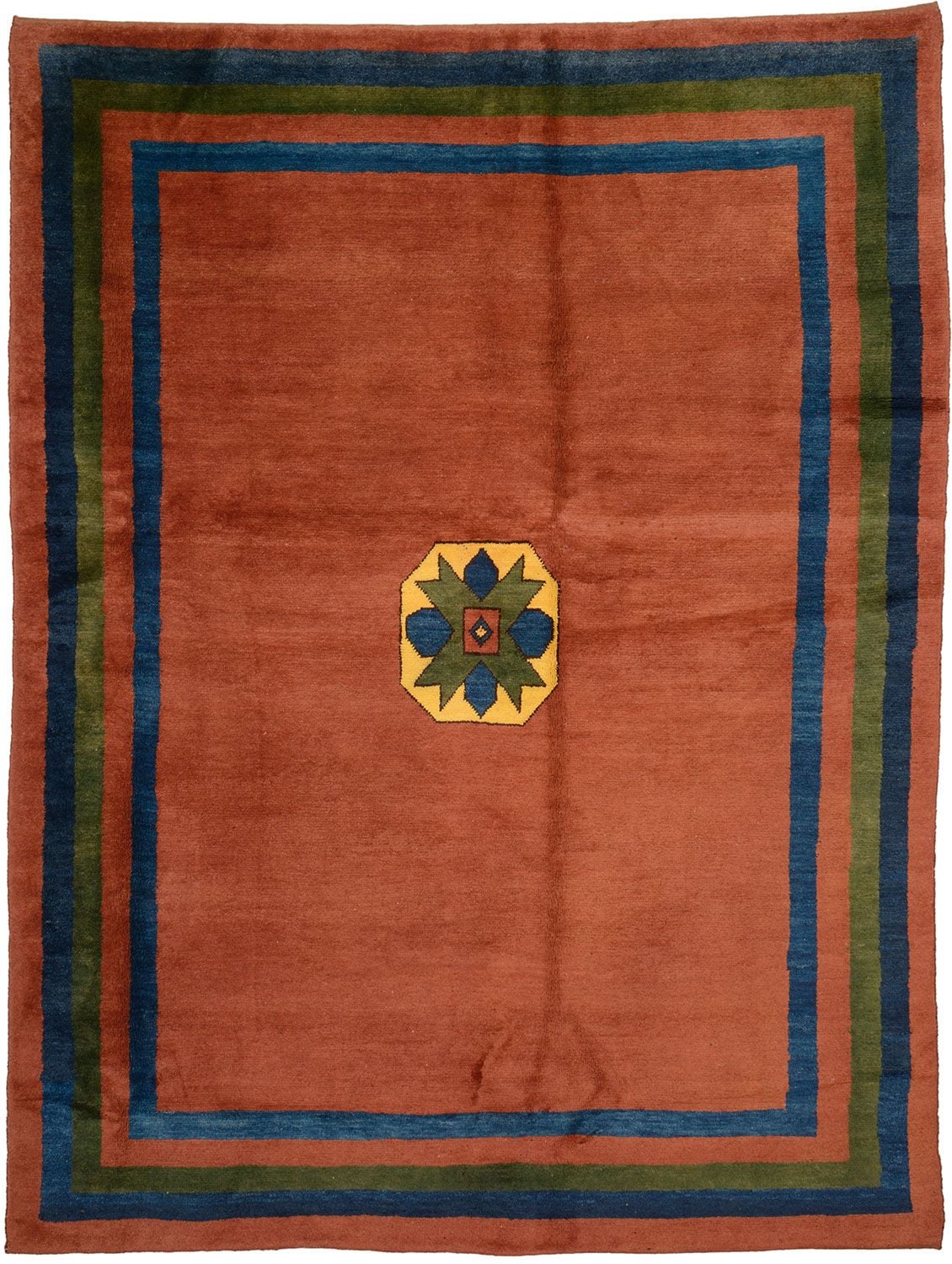
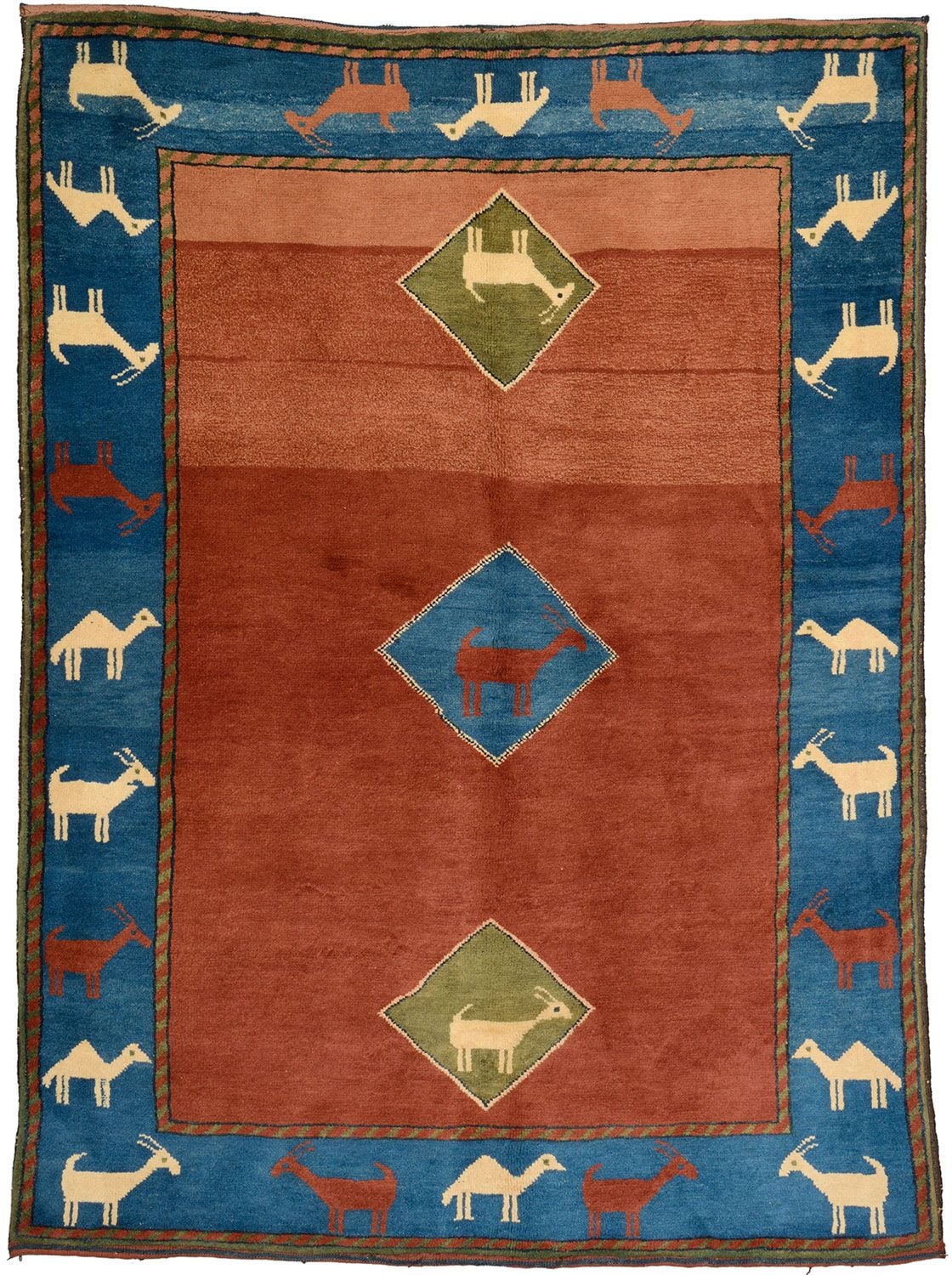
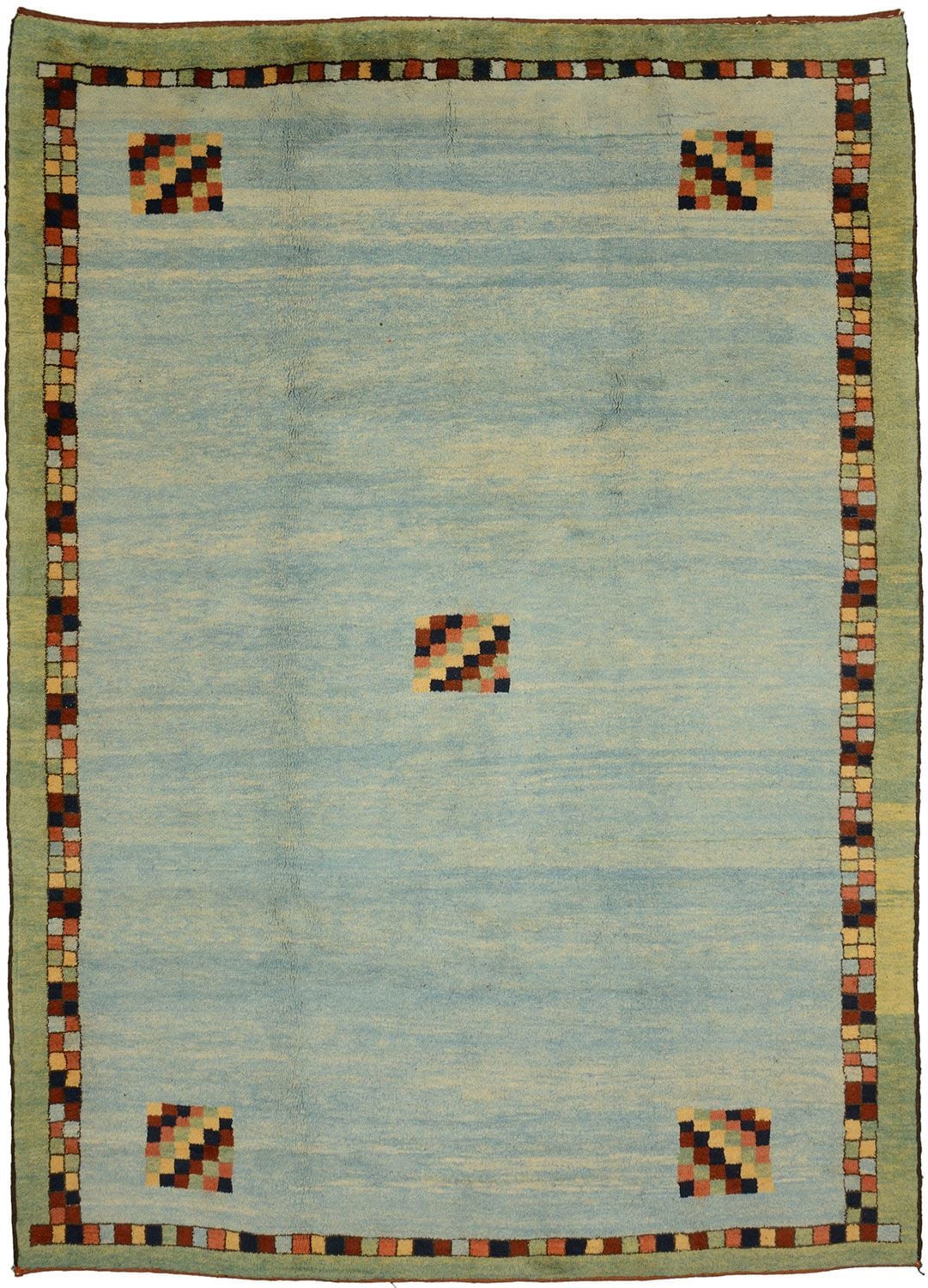
Simple yet expressive design : The designs are often minimalist and may include geometric patterns, stylized depictions of animals or plants, and vibrant colors. These elements reflect the life and environment of nomadic peoples.
High-Quality Materials: GabbehCarpets are primarily made from sheep's wool, which is known for its durability and softness. The wool is usually obtained from the weavers' own sheep and is untreated, giving the carpets a natural look.
- handwoven: Everyone GabbehThe carpet is hand-knotted, meaning that no two carpets are alike. The craftsmanship is complex, and it can take several months to years to complete a single carpet.
The history of the Gabbeh-carpets
The roots of the GabbehCarpets date back to antiquity. They are closely linked to the nomadic lifestyle of the tribes in the Zagros Mountains. The production of these carpets was not only a craft but also a form of storytelling. The carpets were often woven during the weavers' lifetimes, thus recounting the stories, traditions, and daily lives of their creators.
Over time, the demand for GabbehCarpets have changed. While they were originally used mainly for domestic purposes, they are now also in demand on the international market. The challenge for this traditional craft lies in preserving the old techniques and designs while simultaneously taking new styles and fashion trends into account.
Gabbeh in the modern context
In today's world GabbehIranian carpets are gaining popularity outside of Iran. Their simple designs and the use of natural materials make them a popular choice for many modern interior styles. They not only bring warmth and color to a room, but also tell a story and showcase the rich culture and traditions of the Iranian people.
Production of Gabbeh-carpets
The manufacture of GabbehCarpet making is a time-consuming process that requires a great deal of skill and patience. This process can be divided into several main steps:
1. Obtain raw materials
The foundation of every GabbehThe wool used in carpets is typically collected from sheep living in the mountainous regions of Iran. The quality of the wool is crucial, as it affects the carpet's durability and comfort.
2. Dyeing the wool
Traditionally, natural dyes are used to color the wool. These dyes come from plants, minerals, and other natural sources. The dyeing process is complex and influences the final color palette of the rug.
3. The knotting
Knotting is the most labor-intensive part of rug making. Each row of knots is created by hand, with weavers using a combination of complex and simple knots. The knotting technique determines the density and detail of the finished rug.
4. Completion
After knotting, the rug is washed and dried. This step is important to remove dirt and set the colors. Finally, the Gabbeh-Carpet cut to the desired size and possibly fringes or decorations added.
Gabbeh-Carpets in interior design
GabbehCarpets are an excellent addition to various interior design styles and can be used in any room of the house.
1. Living room
A GabbehA rug can serve as a focal point in the living room. With its vibrant colors and unique designs, it immediately draws the attention of guests. It can serve as a base for furniture arrangement and make the room more comfortable and inviting.
2 bedrooms
In the bedroom, a GabbehA rug creates a warm and relaxing atmosphere. The soft wool feels pleasant underfoot and contributes to the cozy ambiance. A large rug that surrounds the entire bed and the doorway furniture is ideal here.
3. Dining room
In the dining room, a GabbehA rug not only enhances the floor surface but also creates a stylish transition between different areas. A rug under the dining table protects the floor and ensures a uniform and harmonious appearance.
4. Hallway and entrance area
A GabbehA rug in the hallway or entryway not only creates a welcoming atmosphere but also protects the floors from dirt and wear. A creative design can instantly impress visitors and give the room personality.
Care and cleaning of Gabbeh-carpets
To capture the beauty of a GabbehTo keep carpets looking their best, proper care is essential. Here are some tips for care and cleaning:
1. Regular vacuuming
It's important to vacuum the carpet regularly to remove dust and dirt. A gentle vacuum attachment is recommended to avoid damaging the wool.
2. Immediate stain treatment
If soiling occurs, you should act immediately to remove the stain. Use a clean cloth and gently dab the stain instead of rubbing to avoid damaging the fibers. For stubborn stains, professional cleaning may be considered.
3. Protection from direct sunlight
GabbehCarpets should not be exposed to direct sunlight for extended periods, as this can cause the colors to fade. Use curtains or blinds if necessary.
4. Professional cleaning
It is recommended to have the carpet professionally cleaned every few years to ensure it remains in good condition.
Conclusion
GabbehCarpets are more than just floor coverings; they are an expression of culture, tradition, and craftsmanship. The combination of artisanal production, appealing design, and the use of high-quality materials makes them a valuable element of any interior. Whether in the living room, bedroom, or hallway – GabbehCarpets add a special touch to any room and tell stories that are passed down through generations.
If you are considering buying a GabbehWhen purchasing a rug, remember to explore the different designs and colors and choose a rug that not only looks good but also represents your personal story and style.
Frequently Asked Questions (FAQ)
FAQ 1: How do I recognize a genuine one? Gabbeh-Carpet?
A real GabbehThis rug is hand-knotted and made of pure sheep's wool. It has an irregular, often coarse surface and uses natural colors. Make sure the pattern is visible on the back and that there are no machine-made threads.
FAQ 2: How much does a Gabbeh-Carpet?
Prices for GabbehRugs can vary greatly depending on size, design, and the number of hours required for their production. Generally, the price for hand-knotted rugs GabbehCarpets range in price from 300 to 3.000 euros. High-quality, unique pieces can be even more expensive.
FAQ 3: Can I have one Gabbeh-How to use a carpet in a modern home?
Yes, GabbehRugs are a perfect fit for modern living styles. Their simple, geometric designs and natural colors harmonize well with minimalist and contemporary interiors. They can be used both as eye-catching accents and as harmonious additions to the decor.
Overall, the GabbehA rug is a beautiful, functional work of art that not only decorates your home but also brings a piece of history and culture into your home. By choosing a Gabbeh-By purchasing carpets, you are not only investing in a stylish home accessory, but also supporting the continuation of an important tradition.