The art of GhashghaiTradition and beauty in handmade carpets
Carpets: A Journey Through the Art of Ghashghai
Introduction
Carpets are more than just floor decorations; they are works of art that tell stories and represent cultures. Especially the handmade carpets of the GhashghaiThe carpets of the Iberian people, a nomadic group in Iran, are a fascinating example of the fusion of tradition, art, and functionality. In this article, we explore the versatility, history, and distinctive features of these unique carpets and provide valuable tips for purchasing and caring for them.
The GhashghaiA people of traditions
Origin and way of life
The Ghashghai They are a nomadic people who live mainly in southwestern Iran. Their way of life is deeply influenced by nature and tradition, and their carpets reflect these influences. Members of the tribe live in tents, which they pitch in different locations during their migrations. This mobility has significantly contributed to the development of their unique carpet-making art.
Cultural influences
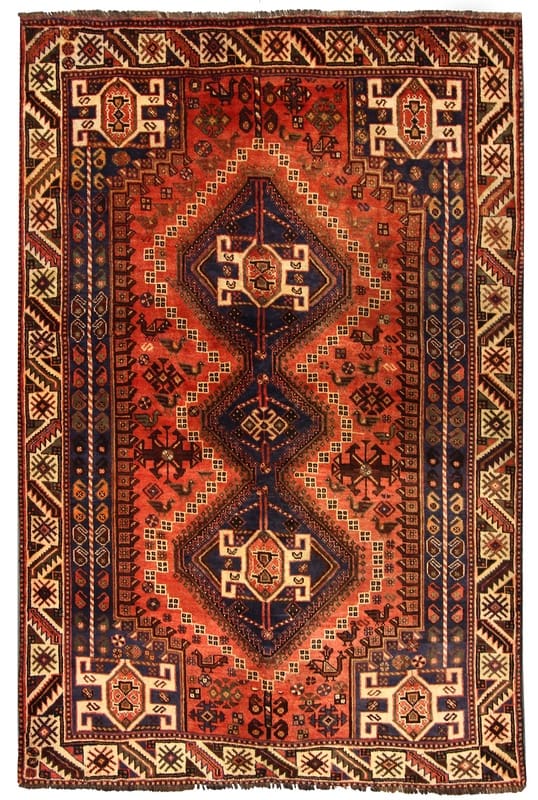
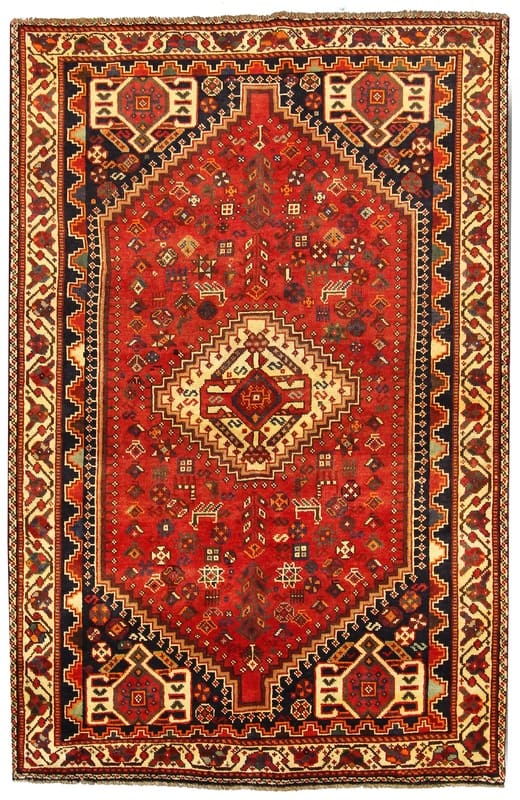
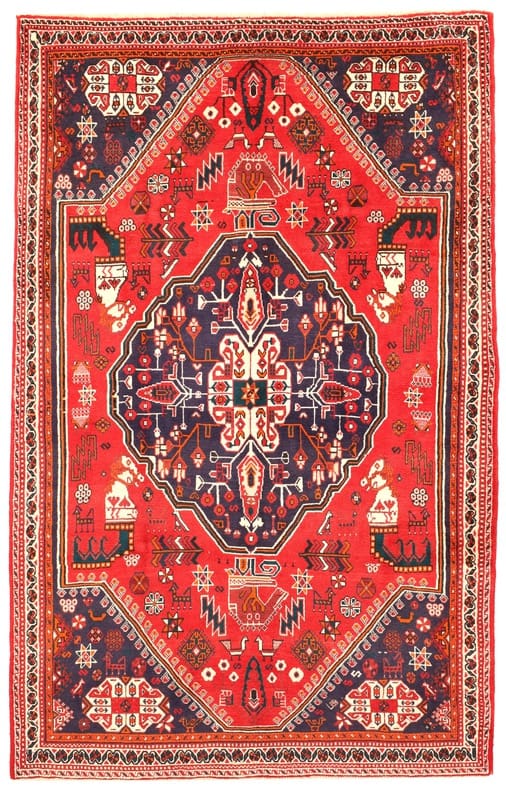
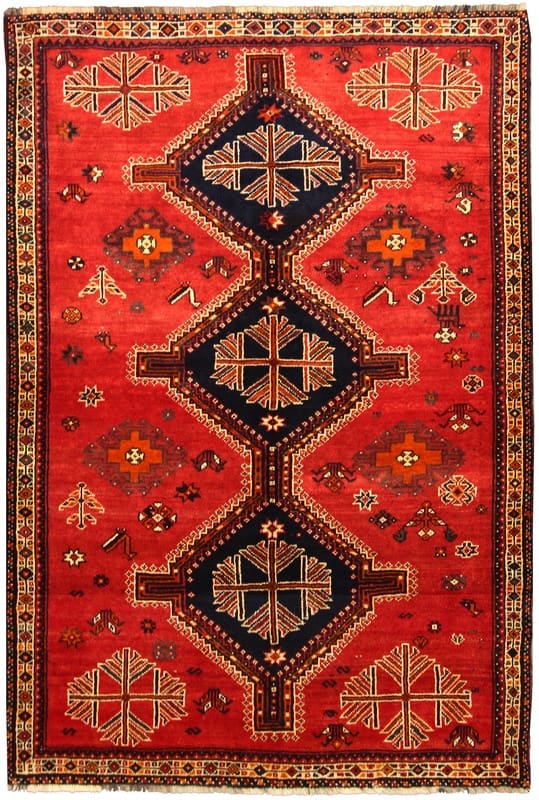
The heritage and traditions of Ghashghai are diverse. They combine influences from Persian culture with their own, which is reflected in the designs and colors of their carpets. These are frequently found in Ghashghai-Carpets feature motifs from nature, stylized animal depictions and geometric patterns that are both aesthetic and symbolic.
The art of carpet making
Materials and techniques
The manufacture of GhashghaiCarpets are traditionally made by hand. The use of natural materials is an essential characteristic of these carpets. Sheep's wool, cotton, and silk are the main components. The wool often comes from the owner's own sheep. Ghashghai, which illustrates the connection to nature and the cycle of life.
The knotting technique used to make these carpets is one of the oldest and most sophisticated in the world. Ghashghai They use the so-called "Persian knot," which ensures high density and a long lifespan for the carpet. The carpets are often made during family gatherings in the evenings, emphasizing tradition and community.
Colors and patterns
A trademark of the carpets of Ghashghai Their vibrant color palette is a defining feature. The dyes are traditionally derived from natural sources such as plants, minerals, and insects. This not only gives the carpets their beauty but also ensures they are environmentally friendly. Popular colors include red, blue, yellow, and green, which often carry symbolic meanings.
The patterns are equally diverse. While some rugs depict complex scenes or life forms, others consist of simple geometric shapes. Each pattern has its own story and meaning and can reflect adversity, good fortune, nature, or even personal memories.
The meaning of Ghashghai-carpets
Cultural relevance
The carpets of the Ghashghai They are not just home decor; they are also an expression of identity and cultural heritage. They are often given as gifts for special occasions and are a symbol of hospitality. In the culture of Ghashghai There is a deep connection between the craft of carpet weaving and family, which further deepens its significance.
Economic influence
The carpet trade is also an important economic resource for the GhashghaiThe sale of their handmade carpets allows the families to secure their livelihoods while passing on traditions and skills to the next generations. This economic independence is crucial for the survival of their culture.
Tips for buying Ghashghai-carpets
Where buy?
If you decide, one GhashghaiWhen buying a rug, it's important to consult trustworthy dealers. Many online shops and galleries specialize in handmade rugs and can provide valuable information about the origin and production of their pieces. In a market where variety and pricing can vary significantly, it's advisable to take the time to compare different vendors.
What should you pay attention to when choosing?
When purchasing, pay attention to the following points:
- Material: High-quality rugs are made of pure wool or silk. Check the texture of the wool to ensure it's soft and durable.
- Color: Observe the color tones; natural coloring is often more vibrant and durable.
- model: Every pattern tells a story. Choose a design that you like and that harmonizes with your lifestyle.
- Node density: High-quality carpets have a high knot density, which contributes to their longevity.
care of Ghashghai-carpets
To enhance the beauty of your GhashghaiTo keep your carpets in good condition, you should follow some basic care instructions:
- Regular vacuuming: Remove dust regularly to protect your carpet fibers.
- Treat stains immediately: When it comes to stains, it's important to act quickly. Use a damp cloth and mild soap to clean the affected area.
- Avoid direct sunlight: This can lead to color changes. Ideally, carpets should be installed in locations that are not exposed to direct sunlight or excessive moisture.
Final section
Carpets are not just functional home accessories, but also bearers of traditions, stories, and cultural heritage. GhashghaiCarpets exemplify the craftsmanship and values of a proud people. When you have such a carpet in your home, you acquire not only a piece of art, but also a story that will last for generations. By choosing an authentic GhashghaiBy choosing a carpet, you support this important tradition and contribute to the preservation of a unique cultural heritage.
FAQ
1. What does Ghashghai-Carpets so special?
GhashghaiThese rugs are unique because they are entirely handmade from natural materials. Their vibrant colors and intricate patterns reflect the culture and traditions of the region. Ghashghai and are deeply connected to their history and way of life.
2. How do I recognize a genuine one? Ghashghai-Carpet?
real GhashghaiHigh-quality carpets are recognizable by their knotting technique, the materials used, and their typical patterns. They have a high knot density and use natural dyes. Look for certificates or information about the carpet's origin, which should be provided by reputable dealers.
3. How do I care for my Ghashghai-Carpet, right?
To keep your carpet in good condition, vacuum it regularly, treat stains promptly, and avoid direct sunlight. Professional cleaning is also recommended to ensure the longevity and freshness of your carpet.