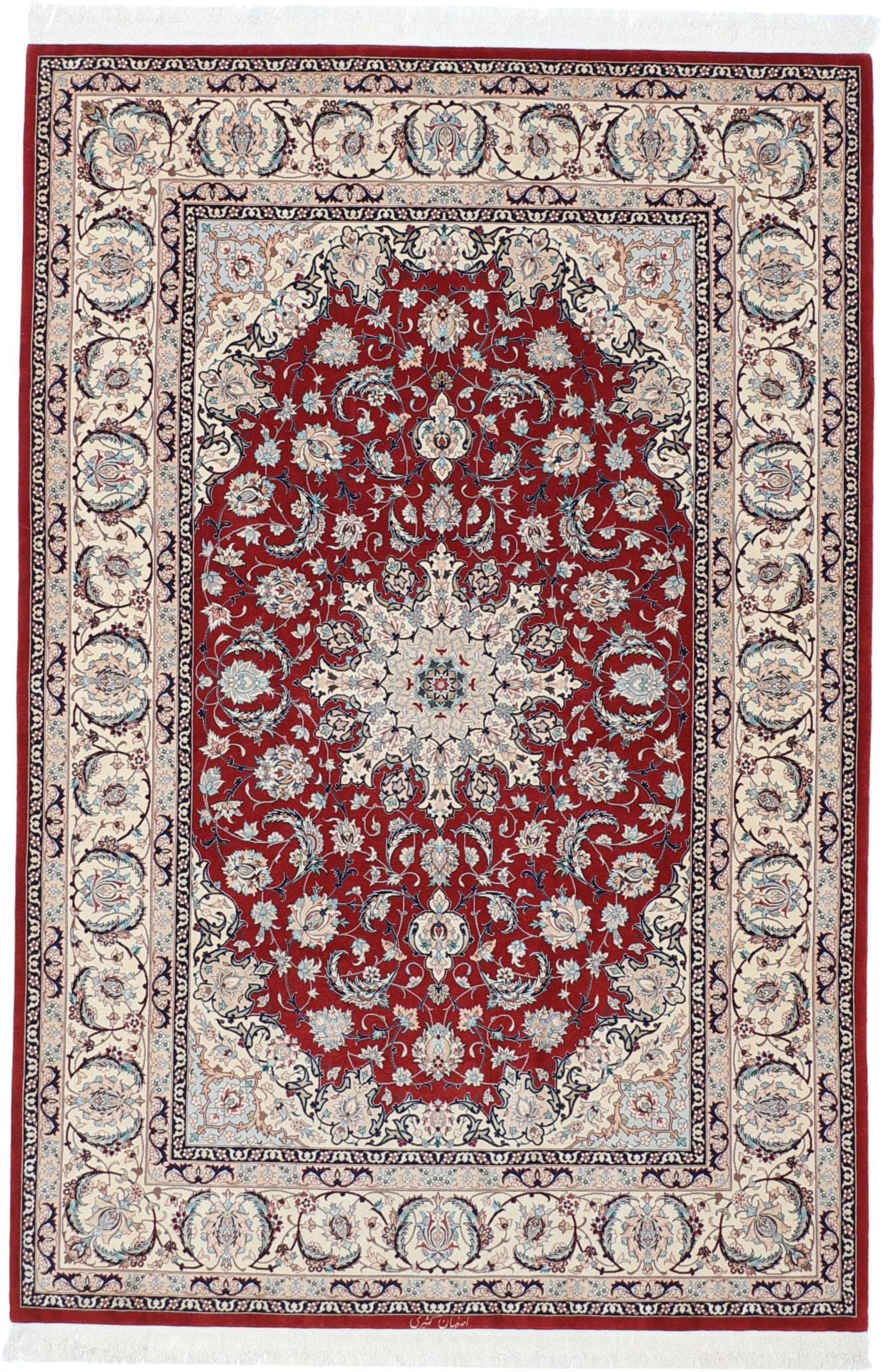
“The Art of Colors: The Fascination of Iranian Carpets and Their Cultural Significance”
The Diversity and Beauty of Carpets: A Journey Through the World of Iranian Textile Art
Carpets are more than just floor coverings. They are works of art that reflect the culture, history, and identity of a people. Iranian carpets, in particular, are distinguished by their extraordinary color brilliance, artistic designs, and diverse symbolism. In this article, we would like to explore the fascination of Iranian carpets in more detail and discuss the cultural significance, the different types, and the production of these impressive textile works of art.
The history of Iranian carpets
Carpets have a long tradition in Persia (modern-day Iran), dating back several thousand years. Archaeological finds prove that carpets were woven as early as the 5th century BC. The art of carpet weaving evolved over the centuries and reached its peak under various dynasties, such as the Safavids in the 16th to 18th centuries.
More than just a product of craftsmanship, Iranian carpets reflect the social and economic conditions of the time they were made. Many carpet designs are also closely linked to traditional legends, beliefs, and nature, giving them deeper meaning.
The art of carpet weaving
Techniques and Materials
The production of an Iranian carpet is a laborious process that requires a great deal of patience and skill. The most common materials are wool, silk, and cotton. Wool is particularly popular because of its durability and resilience. Silk, on the other hand, gives the carpets a special shine and a softer texture, but it is also more expensive and is often used for higher-quality carpets.
The knotting techniques are crucial for the quality of a carpet. The Persian knot (SennehThe knot weaving technique is one of the most common methods, in which the thread is wrapped around two strands of the loom and then cut. This technique allows for a high knot density and detailed patterns, which increases the exclusivity of the carpets.
Design and symbols
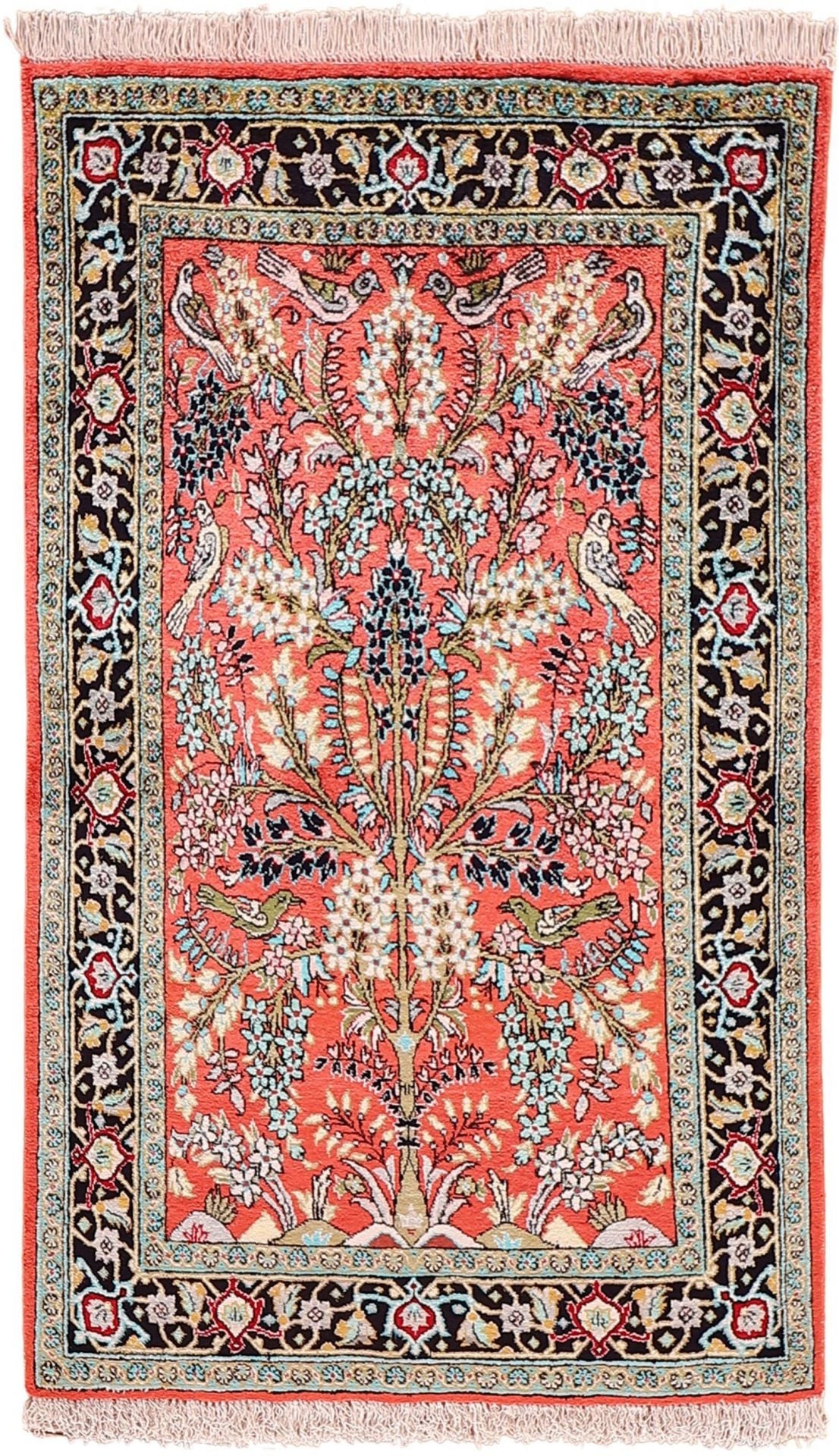
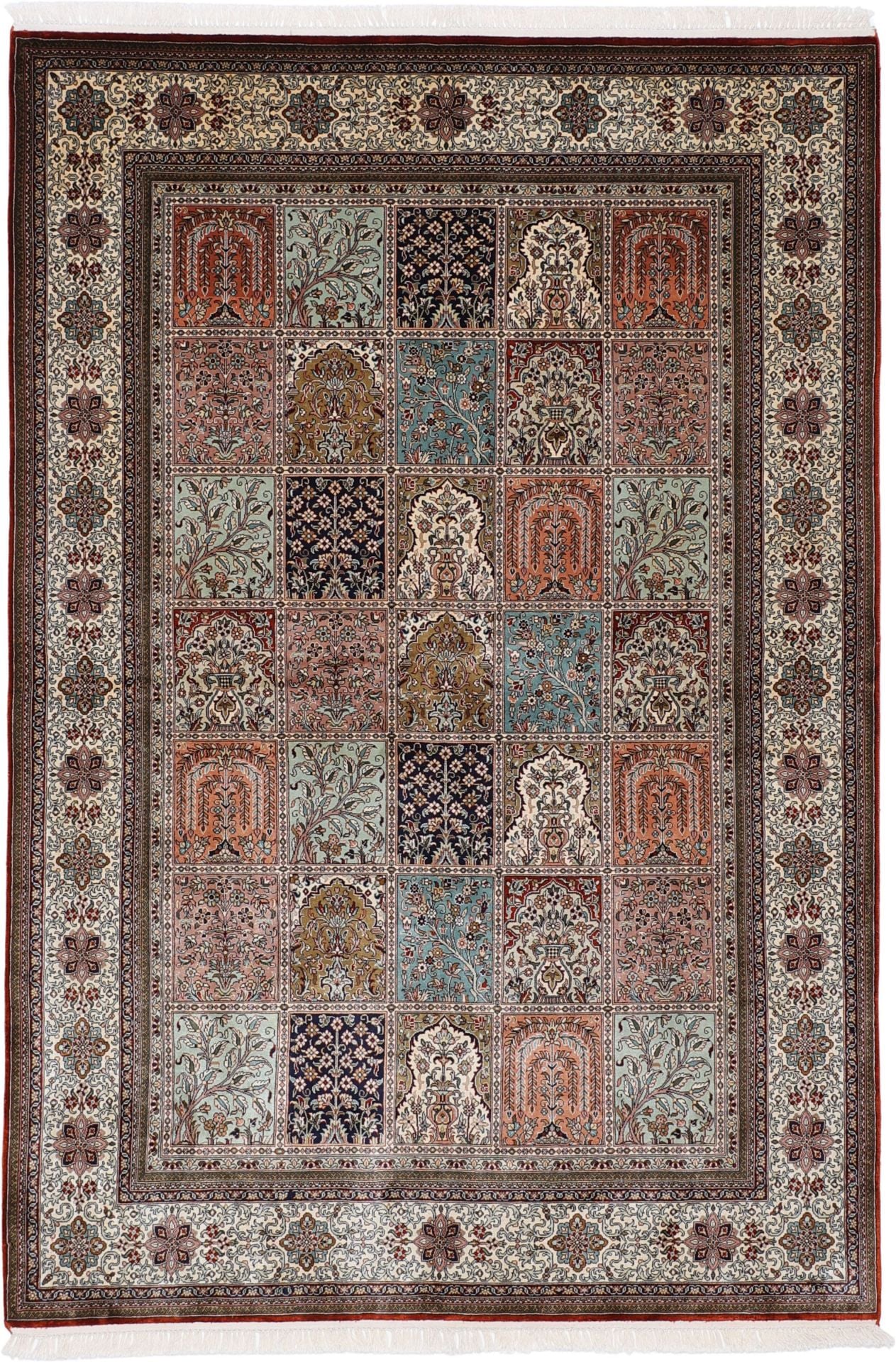
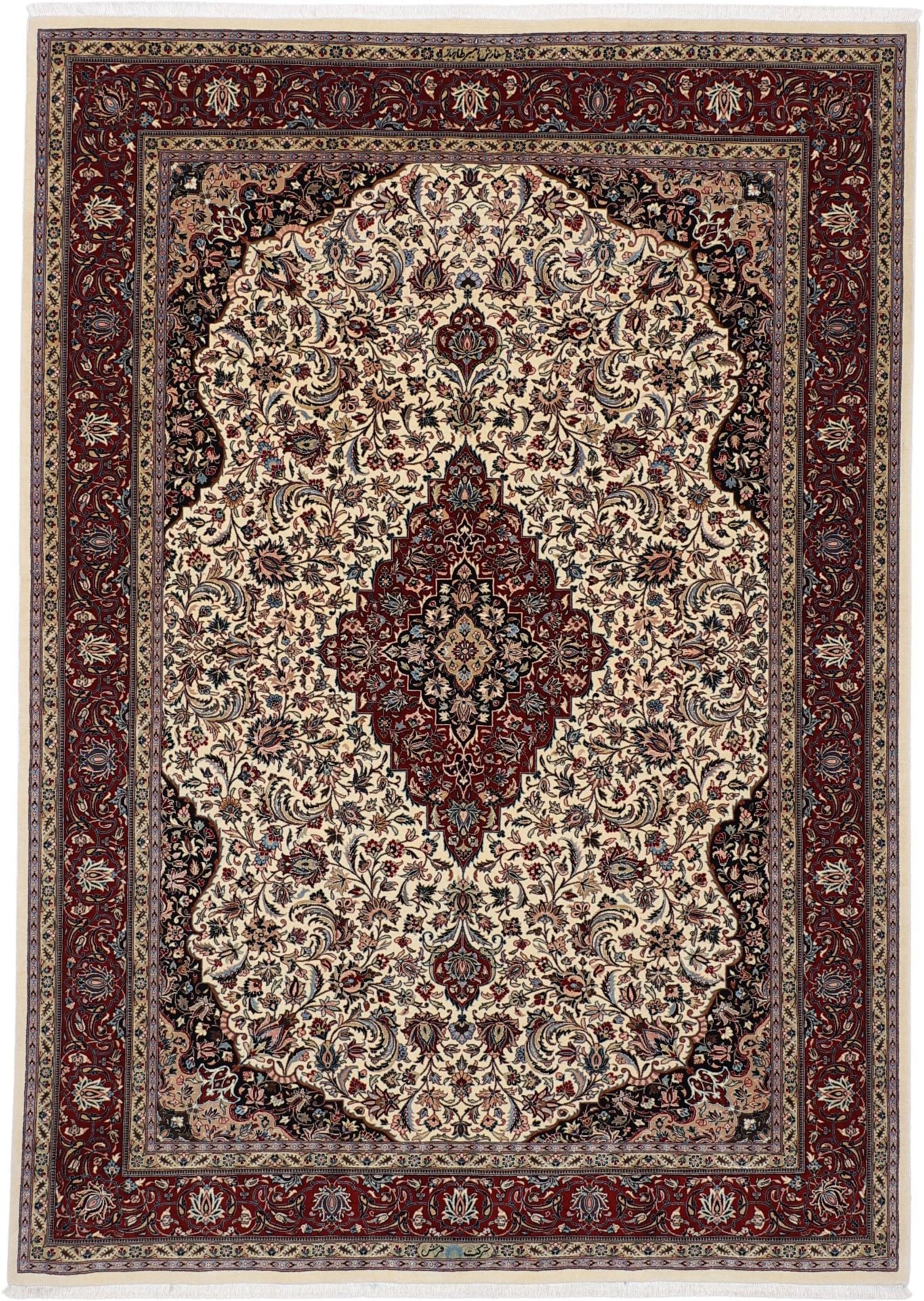
Iranian carpets are known for their complex designs, which encompass a variety of patterns and colors. The designs can be floral, geometric, or even figurative, with each pattern having a specific meaning. Often, the carpets feature motifs from nature, such as flowers and trees, symbolizing people's connection to their environment.
Colors play a central role in carpet art. Traditionally used colors come from natural dyes extracted from plants and minerals. Scarlet, blue, yellow, and green are common colors. Each color has its own meaning: red, for example, represents love and passion, while blue symbolizes calm and peace.
The cultural significance of Iranian carpets
Iranian carpets are not only treasured works of art, they also play a significant cultural role. In many Iranian households, carpets are an expression of pride and tradition. They are often used in special celebrations and ceremonies and are part of the national identity.
Carpets as status symbols
Carpets also represent social status. In the past, they were commissioned by kings and wealthy families to demonstrate their wealth and power. Even today, an exquisite carpet is considered a valuable heirloom, passed down from generation to generation.
Spirituality and symbolism
Many rugs contain symbolic elements that have spiritual significance. A common element is the "Quranic pattern," which symbolizes prayer and connection to God. These rugs are often found in mosques, but are also used in private spaces.
Famous carpet regions in Iran
Isfahan
Isfahan is known for its luxurious carpets, which often feature complex and intricately detailed patterns. This region has made a name for itself through the use of high-quality materials such as silk and traditional manufacturing techniques. The carpets from Isfahan They are considered some of the most beautiful and valuable.
Tabriz
Tabriz It is one of the oldest carpet centers in Iran and is known for its great variety of designs and colors. Carpets from this region often feature geometric patterns and are known for their durability. Tabriz-Carpets are an excellent example of the mastery of Iranian carpet craftsmanship.
Kashan
KashanCarpets from this region are known for their dense, floral patterns and the use of vibrant colors. This region has a long tradition of carpet weaving and is often associated with the production of particularly fine and elegant carpets.
Choosing the perfect carpet
Choosing the right rug can be challenging, as there are numerous styles, colors, and sizes available. Here are some tips to help you choose the perfect rug for your home:
Determine the purpose
First, consider where the rug will be used. Will it be in a high-traffic area like the living room or a quiet room like the bedroom? This consideration will influence the choice of materials and design.
Consider the style
Rugs come in a variety of styles that blend beautifully with a variety of interior styles—from modern to traditional. Make sure the rug blends harmoniously with your decor.
Size and proportions
The size of the rug is crucial for the room design. Measure the area where the rug will be placed, and remember that in most cases, rugs should be placed so that they are underneath furniture or at least touching its feet.
Care and maintenance of carpets
Carpets are an investment and should be treated accordingly. Here are some care tips:
Regular cleaning
Vacuum your carpet regularly to remove dust and dirt. Use a low setting to avoid damaging the fibers.
Professional cleaning
Have your carpet professionally cleaned every few years to remove deep-seated soils and refresh the colors.
Protection from sunlight
Direct sunlight can fade a carpet's colors. Make sure your carpet isn't constantly exposed to the sun, or use curtains to control the amount of light entering.
Conclusion
Iranian carpets are not only beautiful pieces that enhance rooms, they also carry a rich culture and history. Their colors, patterns, and associated traditions make each carpet a unique work of art. By learning about the different types, their manufacturing processes, and cultural significance, you can develop a deeper understanding of this art form. A carpet is not only a practical element in your home, but also a piece of history that reflects the souls of the people who created it.
FAQ
1. How do I recognize an original Iranian carpet?
The quality of an Iranian carpet can often be determined by the knot density, the materials used, and the colors. Authentic Iranian carpets are hand-knotted and often use natural dyes. Also pay attention to the details of the patterns and the craftsmanship.
2. What is the best way to clean my carpet?
For daily maintenance, regular vacuuming on a low setting is recommended. For a thorough cleaning, you should hire a professional carpet cleaning service every few years to preserve the colors and texture of the carpet.
3. What type of carpet is best for high-traffic areas?
For high-traffic areas, rugs made of durable materials like wool are best. These are long-lasting and can withstand heavy use. Also, look for rugs with dark colors or patterns, which better conceal dirt and wear.