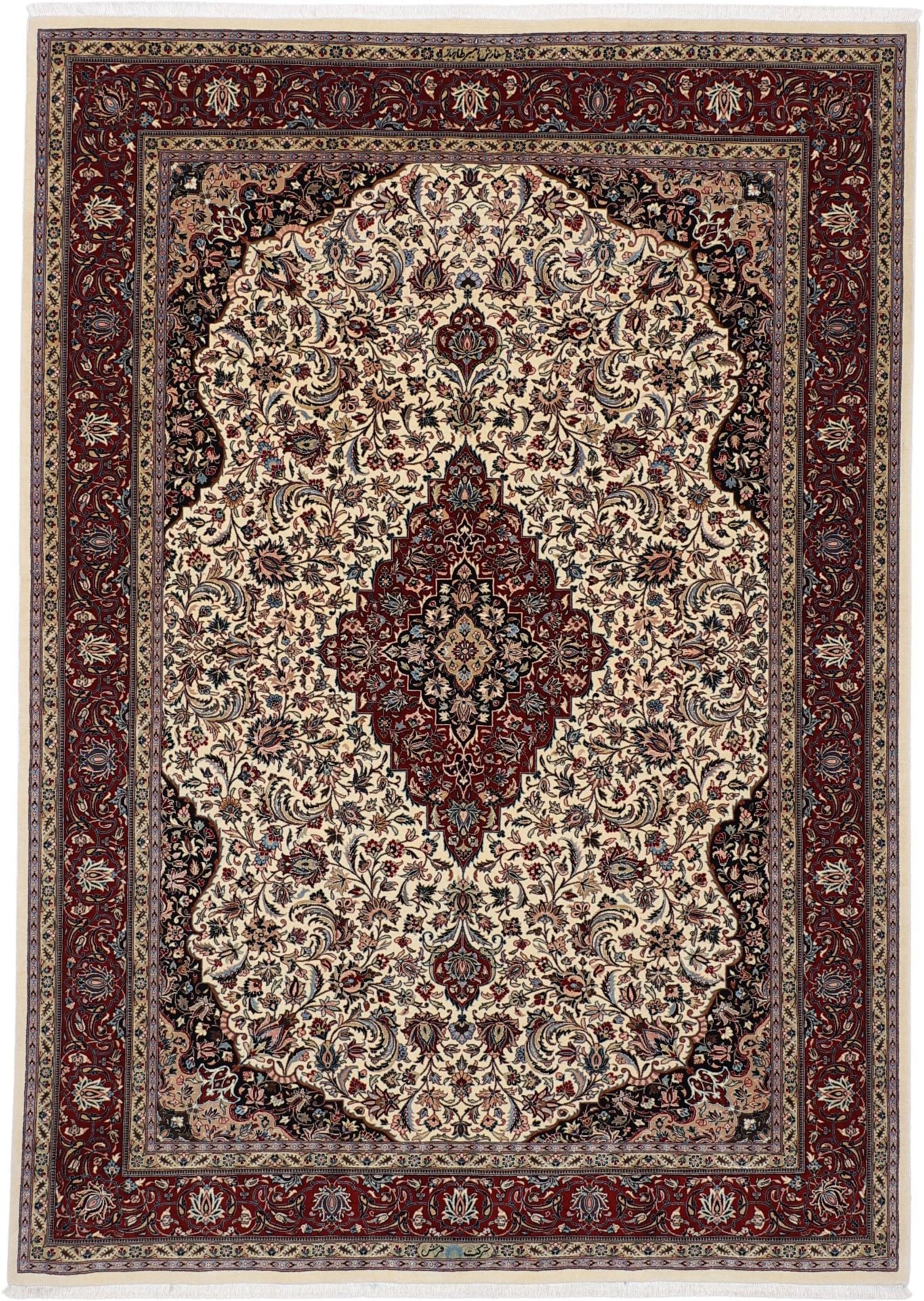
The Art of Bijar Carpets: Handcrafted Masterpieces from Persia
The Art of Bijar Carpets: Handcrafted Masterpieces from Persia
Carpets are more than just floor coverings; they are an expression of culture, history, and craftsmanship. Bijar carpets from Iran, in particular, have earned a reputation for both their exceptional quality and stunning designs. This article explores Bijar carpets, their origins, the use of materials, manufacturing techniques, and care, and offers valuable tips on how to find the perfect piece for your home.
Origin of Bijar carpets
Bijar carpets originate from the city of Bijar in the western region of Iran, near the Kurdish border. This area is known for its traditional carpet weaving, which is deeply rooted in history. The region has a long tradition of carpet making dating back to the 16th century. Bijar carpets are often known for their robustness and durability, making them sought-after collector's items.
Materials: The basis for quality
The quality of a carpet is largely determined by the materials used. Bijar carpets are characterized by the use of high-quality wool, silk, and cotton:
Wool
The wool used for Bijar rugs typically comes from local sheep. This wool is not only durable but also soft and pleasant to the touch. Dyeing is often done using natural dyes, giving the rugs an authentic and environmentally friendly appearance.
Silk
Some Bijar rugs combine wool with silk, resulting in a wonderful texture and unique luster. Silk is often used to emphasize certain design features, such as floral patterns or geometric shapes.
Cotton
The use of cotton for the carpet backing ensures stability and durability. Cotton is also easy to clean and helps improve the overall quality of the carpet.
Manufacturing techniques: craftsmanship in perfection
The production of a Bijar carpet is a complex process that requires great skill and patience. Each carpet is hand-knotted, making it a unique work of art.
Knot technique
The most common knotting technique used in Bidjar carpets is the Persian knot (Senneh-knots). This technique gives the carpets a high density and ensures that the design is clear and detailed. Compared to other knot types, the colors and patterns of Bidjar carpets are particularly vibrant.
draft and design
The designs of Bijar carpets are diverse, ranging from traditional patterns to contemporary interpretations. Geometric shapes, floral motifs, and cultural symbols with deeper meaning are common. The design process is often tied to the culture and environment of the region.
Caring for your Bijar carpets
To preserve the beauty and longevity of your Bijar rugs, you should follow some basic care instructions:
Regular cleaning
Regular cleaning is important to remove dust and dirt. Use a special vacuum cleaner attachment that is gentle enough not to damage the fibers. Avoid shaking the carpet, as this can damage the fibers.
Stain treatment
When treating stains, it's best to act immediately. Blot the stain with a clean, dry cloth and, if necessary, use a mild soap solution. Avoid harsh chemicals that can damage the material.
Professional cleaning
It's recommended to have your carpet professionally cleaned every few years. Professional carpet cleaners know how to treat delicate materials and can ensure your carpet remains in excellent condition.
The cultural significance of Bijar carpets
Bijar rugs are not merely decorative; they also carry the history and traditions of their home region. In many Iranian households, rugs are an important part of life and reflect the people's heritage and identity.
The art of rug weaving is often passed down as a family tradition, and many artisans have their own signatures in the form of specific patterns or color combinations that make their work unique. Awareness and appreciation for this art form help keep the tradition alive, while the demand for high-quality rugs continues to grow.
Carpets as an investment
Bijar carpets are also considered an investment. Due to their quality and rarity, they can increase in value significantly over time. Many collectors and investors view handmade carpets not only as works of art, but also as a way to wisely diversify their wealth.
Tips for buying a Bijar carpet
If you want to buy a Bijar carpet, there are a few things you should consider:
Authenticity : Make sure the rug is truly hand-knotted and not machine-made. Certificates of authenticity can be helpful.
Design : Choose a pattern that matches your interior design style. Bidjar rugs are available in various designs and colors.
Size : Measure the area where the rug will be placed to ensure it fits well.
Condition : Check the condition of the carpet. Look for wear, broken threads, or stains.
- PriceBijar rugs can be a significant investment. Compare prices and make sure the price reflects the effort and quality of the piece.
Conclusion
Bijar rugs are not only beautiful decorative items, but also a piece of history and tradition. Their craftsmanship, durability, and cultural significance make them a valuable part of any interior. If you own or are considering purchasing a Bijar rug, you should take your time to make the right decisions. Whether as an investment or as an aesthetic element, these rugs will bring you years of enjoyment.
FAQ
1. How do I distinguish a genuine Bijar carpet from a fake?
A genuine Bijar rug has several distinguishing characteristics, such as a dense knot count, vibrant colors, and high-quality craftsmanship. Check the back of the rug for irregularities and use a magnifying glass to inspect the knotting technique. The rug should also come with a certificate confirming its authenticity.
2. Are Bijar carpets suitable for underfloor heating?
Yes, Bijar rugs are suitable for use on underfloor heating, as long as they are not too thick. However, be careful not to expose the rug to excessive heat, as this can damage the material.
3. How often should I have my Bijar carpet cleaned?
It is recommended to have a Bijar rug professionally cleaned every 3 to 5 years, depending on its condition and wear and tear. Regular vacuuming and prompt stain treatment are also important to extend the life of the rug.