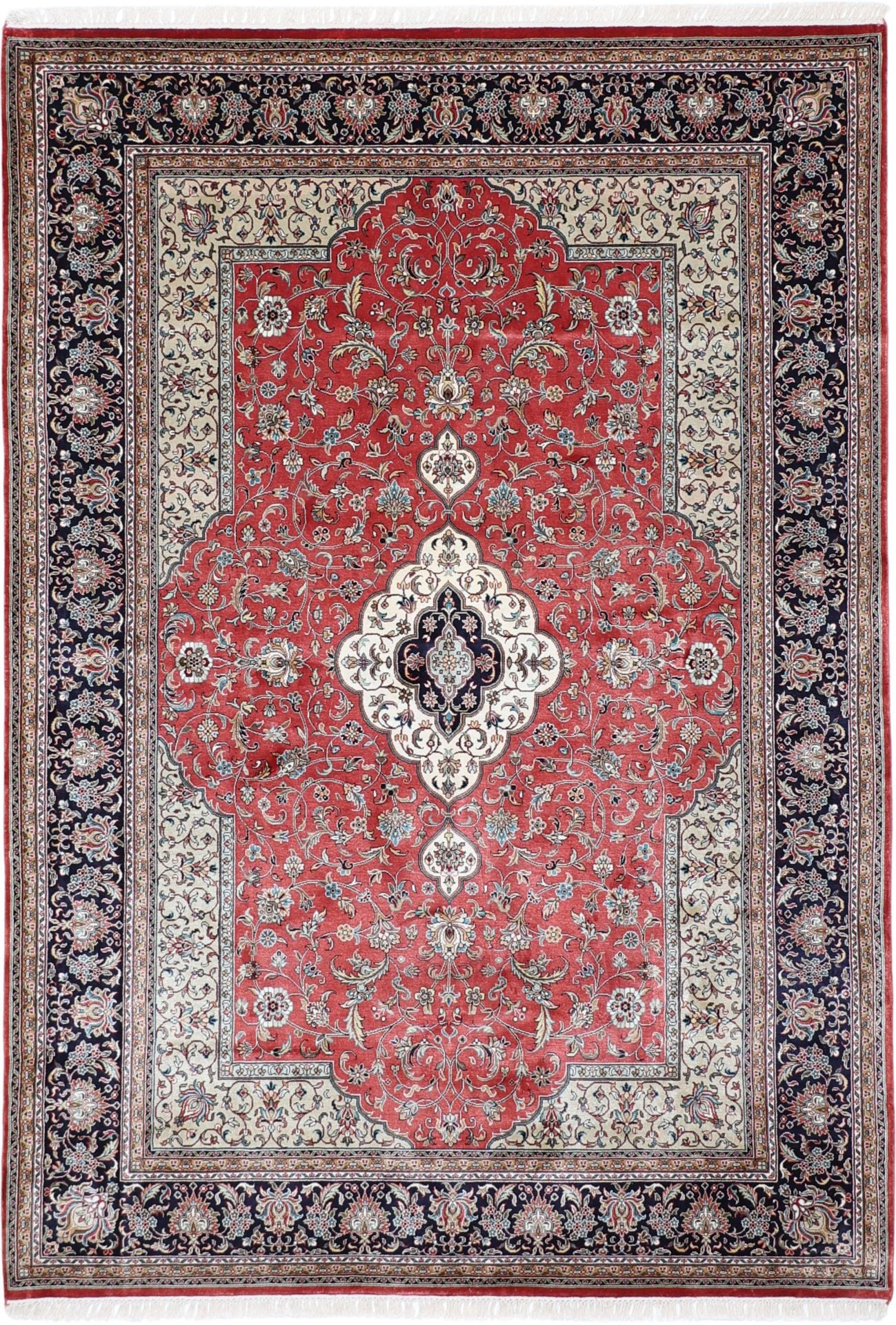
The art of Ardebil-Carpets: Tradition and craftsmanship from the heart of Persia
The art of Ardebil-Carpets: Tradition and craftsmanship from the heart of Persia
Carpets are far more than just floor coverings; they are wearable works of art that embody history and culture. Especially the Ardebil-Carpets, named after the city Ardebil In northwestern Iran, there are exceptional examples of traditional Persian carpet art. In this article, we delve deep into the world of... Ardebil-Carpets, examine their design, their production, their cultural significance and how they can enrich modern interiors.
1. The history of Ardebil-carpets
The origins of the ArdebilCarpets date back to the 15th century. The city Ardebil It was an important center for carpet production and had a significant influence on Persian carpet art. Historical records tell of the region's connection with the Safavid dynasty, which promoted carpet production as an art form.
During this period, carpet manufacturers experienced a golden age, developing elaborate patterns and complex designs that reflected the spiritual and aesthetic values of the time. ArdebilThe carpet, which is now on display at the Victoria and Albert Museum in London, is considered one of the finest examples of Persian carpets and showcases the legendary Safavid dynasty in all its splendor.
2. The characteristics of the Ardebil-carpets
ArdebilCarpets are known for their striking designs and the exquisite craftsmanship that goes into each piece. They are characterized by the following features:
2.1. Materials
Become traditional Ardebil-Carpets made from high-quality natural materials such as sheep's wool, goat's hair, and silk. These materials are not only known for their durability but also contribute to the luxurious appearance of the carpets. Wool offers a soft texture and remarkable color absorption, while silk gives the carpets a sheen.
2.2. Colors
Die Farbpalette der ArdebilCarpets are rich and diverse. Bright reds, deep blues, soft earth tones, and vibrant yellows are frequently encountered. These colors are often symbolic and can have various meanings deeply rooted in Persian culture.
2.3. Pattern
The patterns of ArdebilCarpets are complex and diverse, ranging from floral designs to geometric patterns. They are often interwoven with religious and cultural symbols that tell stories and represent the identity of the region. One of the best-known types of patterns is the "medallion" style, often found in Ardebil-carpets are used.
3. The production of Ardebil-carpets
The production of one ArdebilCarpet making is an elaborate and time-consuming process that has been practiced for centuries.
3.1. Preparation of materials
The first stage of carpet production involves selecting and preparing the materials. The wool is washed, dyed, and combed to prepare it for weaving. Dyeing techniques are crucial, as the colors are the primary characteristic of the carpets. Natural dyes from plants, minerals, and insects are often used to create vibrant and long-lasting colors.
3.2. Design and drawing
After material preparation, the design phase begins. Artisans create detailed pattern drawings that guide the weaving process. Every nuance of the design is considered, from the basic pattern to the fine details. This phase requires a high degree of creativity and technical precision.
3.3. Weaving
Weaving is one of the most time-consuming phases of the carpet process. Traditionally, this is done by hand on a loom, with each knot being individually crafted. This can take weeks or even months, depending on the complexity and size of the carpet. Craftsmanship, patience, and experience are required to ensure that the final product meets the high standards expected by the Ardebil-mark carpets.
4. The meaning of ArdebilCarpets in Persian culture
In Persian culture, carpets have a deeper symbolic meaning. They are not merely practical furnishings, but also expressions of art, tradition, and identity-defining craftsmanship. Carpets like the ArdebilCarpets are often passed down from generation to generation and therefore have emotional value.
4.1. Spiritual meaning
Carpets are often used in religious and spiritual contexts. They serve not only as decoration but also as a place for prayer and meditation. The intricate patterns and motifs often have deeper meaning and represent spiritual beliefs and traditions.
4.2. Status symbol
Historically, high-quality carpets were a status symbol of wealth and social standing. They were often given as gifts to emperors and noblemen and remain a sign of wealth and taste to this day.
4.3. Art and culture
ArdebilCarpets are an important part of Persian art history. Their creation is a form of artistic expression that requires skills and techniques refined over centuries. They contribute to the preservation of culture and identity and are an essential part of Iran's cultural heritage.
5. The influence on modern design
Today we experience ArdebilCarpets are experiencing a revival in modern interior design. They fit perfectly into contemporary spaces and can add character to any room. The combination of traditional design and modern influences makes them a sought-after choice for interior designers and design enthusiasts.
5.1. Combination with modern interior design style
Modern interior design styles often rely on minimalism and clean lines. ArdebilA rug can provide a beautiful contrast by bringing color, texture, and cultural heritage into a room. It is particularly well-suited for living rooms, bedrooms, and dining areas, where its beauty and craftsmanship can be fully appreciated.
5.2. Sustainability and craftsmanship
In a time when sustainability and ethical production are becoming increasingly important, handmade carpets like the ArdebilCarpets are particularly attractive. They are durable, sustainably produced, and support the local economy. Buying an authentic carpet... Ardebil-Carpets means investing in a piece of history and honoring the skills and traditions of artisans.
6. Care and maintenance of Ardebil-carpets
To ensure the beauty and longevity of a ArdebilProper care is essential to maintain your carpets. Here are some care tips:
6.1. Regular vacuuming
Regular vacuuming removes dirt and dust particles that can accumulate in the carpet. Be sure to use a vacuum cleaner with low suction pressure to avoid damaging the fibers.
6.2. Professional cleaning
It is recommended ArdebilHave your carpets professionally cleaned every few years. This helps keep the colors vibrant and the fibers intact. Be sure to choose a company experienced in cleaning handmade carpets.
6.3. Avoid direct sunlight
To avoid discoloration and loss of color intensity, the rug should not be exposed to direct sunlight. Ideally, the rug should be placed in a room with controlled light.
Final section
ArdebilCarpets are timeless works of art that represent the rich history and cultural heritage of Persia. Their beauty, craftsmanship, and deeper meaning make them not only an exclusive furnishing but also a precious heirloom passed down from generation to generation. By choosing a carpet, you can express your appreciation for the rich history and cultural heritage of Persia. ArdebilBy integrating a carpet into your home, you are not only investing in quality and style, but also in culture and tradition.
Whether as an eye-catcher in your living room, as an accent in the bedroom or as a unique piece in your collection – ArdebilCarpets not only bring warmth and style to your rooms, but also a history and tradition that dates back centuries.
FAQ
1. How much does an authentic one cost? Ardebil-Carpet?
The price of an authentic ArdebilCarpets can vary greatly in price, depending on size, material, and design complexity. Smaller carpets typically start at a few hundred euros, while larger, more elaborately designed carpets can cost several thousand euros.
2. Where can I find an authentic Ardebil-Buy a carpet?
Authentic ArdebilCarpets are available in specialized carpet shops, at craft fairs, or online from trusted dealers. Be sure to verify the carpet's origin and the seller's authenticity.
3. Can I get a Ardebil-How to clean the carpet yourself?
While regular vacuuming of small debris is certainly doable, it is highly recommended to consider professional carpet cleaning when a thorough cleaning is needed to avoid damaging the fibers and preserve the colors.