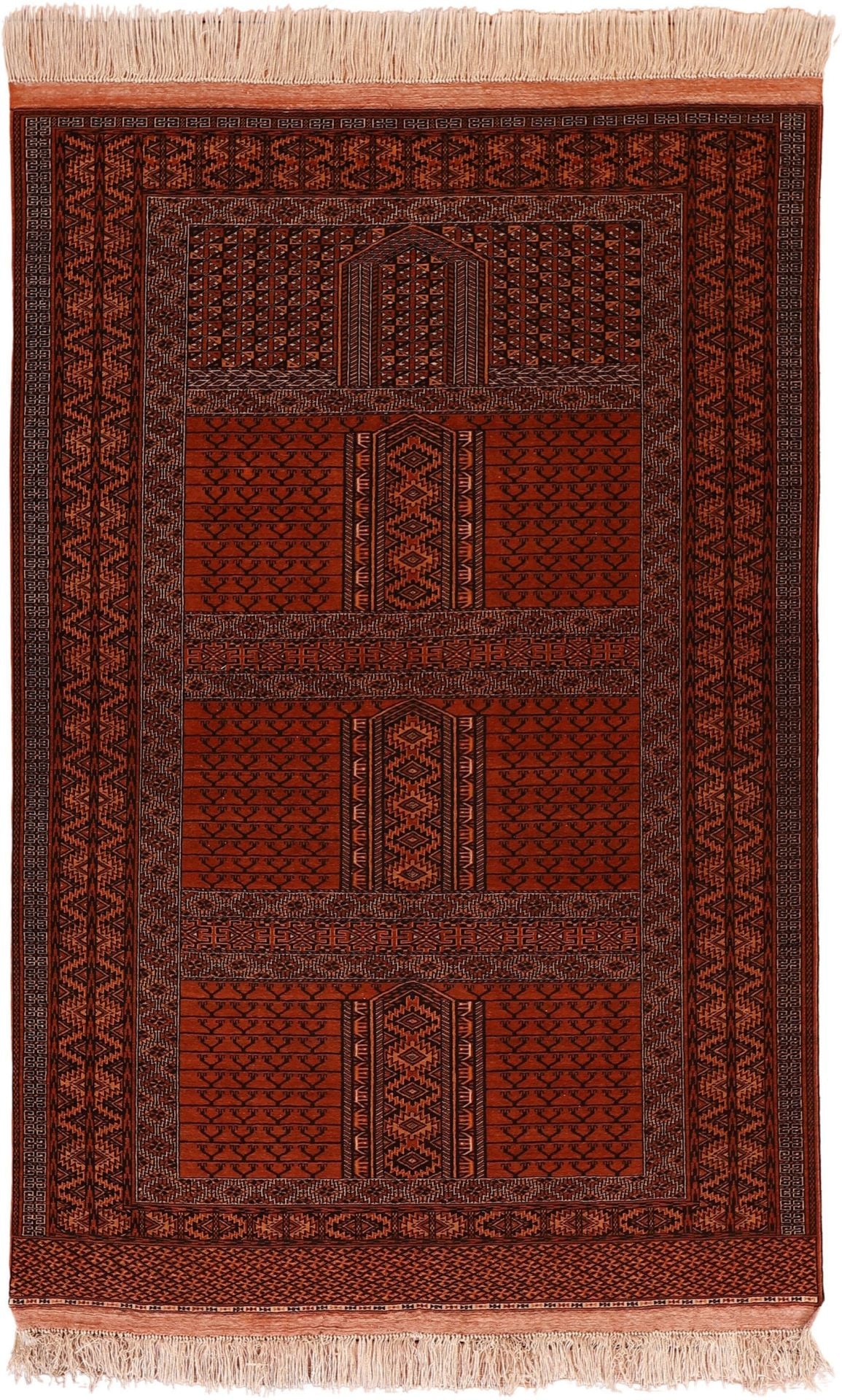
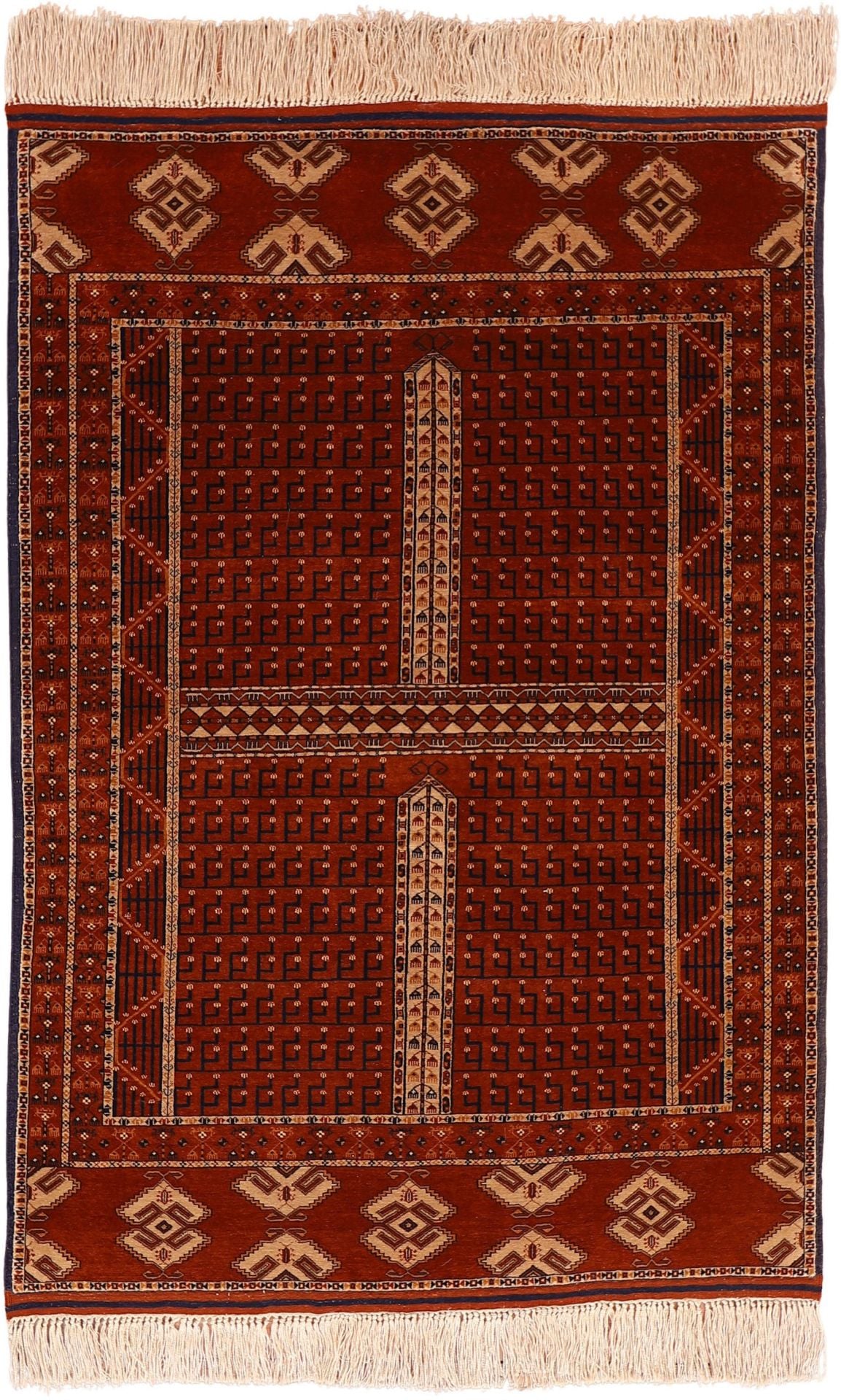
The Art of Antique Carpets: History, Craftsmanship and Timeless Beauty
The world of carpets: history, craftsmanship and timeless beauty
Carpets are more than just floor coverings; they are works of art that tell stories and preserve traditions. For centuries, carpets have fascinated people around the world, and their beauty and craftsmanship are unsurpassed. In this article, we will delve into the history of carpets, their craftsmanship, and the timeless beauty they exude.
The historical development of carpets
The history of carpets dates back to ancient times. The oldest known carpets come from present-day Iran and date back to around 500 BC. These early carpets were an expression of culture and status and were made of wool, silk, or plant fibers. They often featured symbolic motifs and patterns depicting stories or beliefs.
Over the centuries, carpet-making techniques and styles evolved. During the Middle Ages, carpets experienced a resurgence in Europe, as oriental designs became popular in wealthy households. Carpets were viewed not only as everyday objects but also as status symbols.
The carpet manufacturing process
Carpet making is a time-consuming and artistic process that requires considerable skill. The process begins with the selection of materials. Traditionally, wool or silk fibers are used, which can vary depending on the region and technical capabilities.
Spinning the threads is the next step. The fibers are spun into fine yarns, which are then dyed. The colors are often of natural origin, extracted from plants, minerals, and insects. This labor-intensive process allows for the characteristic vibrancy and depth of color in the rugs to be achieved.
After the threads are prepared, weaving begins. There are various techniques involved, including knotting, weaving, and tufting. Each technique has its own characteristics and requires specific skills. Knotting is the most traditional method, often used in Persian and Oriental carpets. With this method, each knot is created manually, allowing for a high level of detail and resulting in complex patterns.
The variety of carpet styles and patterns
Carpets are available in countless styles and patterns, often reflecting their cultural origins. Some of the most popular carpet styles include:
- Persian carpets: Famous for their intricate patterns and vibrant colors, Persian carpets come from various regions of Iran, including Isfahan, Tabriz and Shiraz.
- Turkish carpets: These rugs feature geometric designs and vibrant colors. They are often made of wool and have a robust texture.
- Berbercarpets: Originally from the BerberMade by tribes from North Africa, these carpets are known for their hand-knotted patterns and the use of natural fibers.
- Oriental carpets: This term encompasses a variety of carpets from different regions, including Afghanistan, India and Pakistan, and is characterized by its rich colors and diverse designs.
- Modern carpets: These carpets combine traditional craftsmanship with contemporary design and often use innovative materials and techniques.
The meaning of carpets in different cultures
Carpets play a central role in many cultures. In Islamic culture, for example, carpets are often decorated with religious symbols and patterns that express love for God and belief in the divine. In other cultures, carpets are closely associated with the family and are passed down from generation to generation.
Carpets also play a significant role in art and architecture. They contribute to creating a warm and welcoming atmosphere, whether in a home, a public space, or a cultural center. Their variety of colors and textures makes carpets an indispensable element of interior design.
Care and maintenance of carpets
To preserve the beauty and longevity of carpets, regular care is important. Here are some care tips:
- Vacuuming: Regular vacuuming removes dust and dirt that can become trapped in the carpet.
- Spot removal: Any stains should be treated immediately to avoid permanent damage. Use mild cleaning agents and test them on an inconspicuous area first.
- Professional cleaning: Occasionally, the carpet should be cleaned by a professional to protect the fibers and refresh the colors.
- Avoiding direct sunlight: Direct sunlight can cause a rug's colors to fade. Using curtains or moving the rug can help.
- Proper storage: If a carpet is not used for an extended period of time, it should be stored in a clean, dry place, preferably rolled rather than folded.
Carpets as an investment
A high-quality rug can represent a significant investment. Antique and hand-knotted rugs are particularly sought after and can increase in value. The rug market is growing as more and more people recognize and appreciate the beauty and craftsmanship.
When purchasing a rug, you should pay attention to the quality of the materials and the workmanship. A rug should not only look beautiful, but also be durable and functional.
The economic importance of the carpet industry
The carpet industry is a significant economic factor in many countries, especially in regions traditionally associated with carpet manufacturing. In countries such as Iran, India, Pakistan, and Turkey, carpet factories provide jobs for thousands of people. Carpet manufacturing not only contributes to the local economy but also promotes the heritage and cultural identity of these countries.
Carpets and sustainable practices
In recent years, the topic of sustainability has also gained importance. Many manufacturers are increasingly focusing on environmentally friendly materials and production methods. Natural dyes based on plant-based substances and the use of biodegradable materials are examples of sustainable practices in carpet manufacturing.
By purchasing handmade rugs, consumers often support small businesses and promote local crafts, contributing to a more sustainable economy.
Concluding Remarks
Carpets are far more than just decorative elements in our living spaces. They are timeless works of art that combine history, culture, and craftsmanship. Each piece tells its own story and contributes to the diversity and aesthetics of life. Whether as an investment or simply for the joy of art, carpets enrich our homes and our lives in countless ways. When you decide to purchase a carpet, remember that you are not just buying a piece of fabric, but a piece of culture and history that will accompany you for many years to come.
FAQ
How can I tell if a carpet is of high quality?
A high-quality rug is characterized by fine materials, precise craftsmanship, and a tight knot density. Check the back of the rug; a well-woven rug usually has a clear and even texture. The type of dyeing can also indicate quality, with natural dyes often being more durable than synthetic ones.
How often should I have my carpet cleaned?
The frequency of cleaning depends on various factors, such as usage, the type of carpet, and the environment. Generally, carpets should be professionally cleaned at least once a year to completely remove dirt and dust and protect the fibers. More frequent cleaning is recommended for heavy use.
Can carpets affect air quality?
Yes, carpets can affect indoor air quality. They can trap dust, allergens, and pollutants. Regular vacuuming and professional cleaning help reduce these particles and improve air quality.