The GhashghaiInsights into the culture and traditions of an Iranian nomadic people
Carpets and the GhashghaiA journey through culture and traditions
Carpets are not just simple floor coverings; they are works of art that tell stories and represent cultural identities. Especially the carpets of Ghashghai, an Iranian nomadic people, offer fascinating insights into the lifestyles, traditions, and belief systems of this unique community. In this article, we will explore the world of , an Iranian nomadic people. Ghashghai-Explore carpets, their production, their symbols, and the cultural significance they hold in society. Ghashghai to have.
The GhashghaiWho are they?
Origin and lifestyle
The Ghashghai They are a nomadic people who live mainly in the Fars province of Iran. Known for their transhumance, they migrate from summer pastures to lower valleys in winter. These migrations are not only necessary for livestock farming but are also an important part of their cultural identity.
Traditionally, the Ghashghai in tents that are easy to set up and take down. Their lifestyle is strongly influenced by nature and the seasons, and these influences are also reflected in their carpets.
Social structure and community
The Ghashghai They have a complex social structure based on clans and family systems. The community plays a central role in their lives. GhashghaiFestivals, celebrations, and ceremonial events are opportunities to strengthen community. Carpets are often part of these festivities and are used as gifts or for ceremonial purposes.
The art of carpet weaving
Materials and techniques
The carpet weaving at the Ghashghai It is a centuries-old tradition passed down from generation to generation. The materials used are often locally sourced: wool from sheep grazing in the highlands, and natural dyes derived from plants and minerals. This naturalness and regionality give the carpets their unique character.
The web technologies of Ghashghai They are versatile and vary depending on the region and family. Generally, the knotting technique is used, where knots are tied on a loom to create the specific pattern.
Designs and symbols
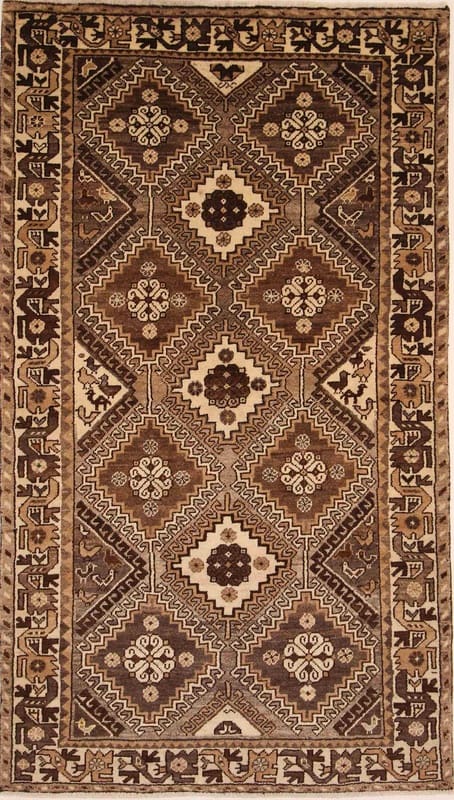
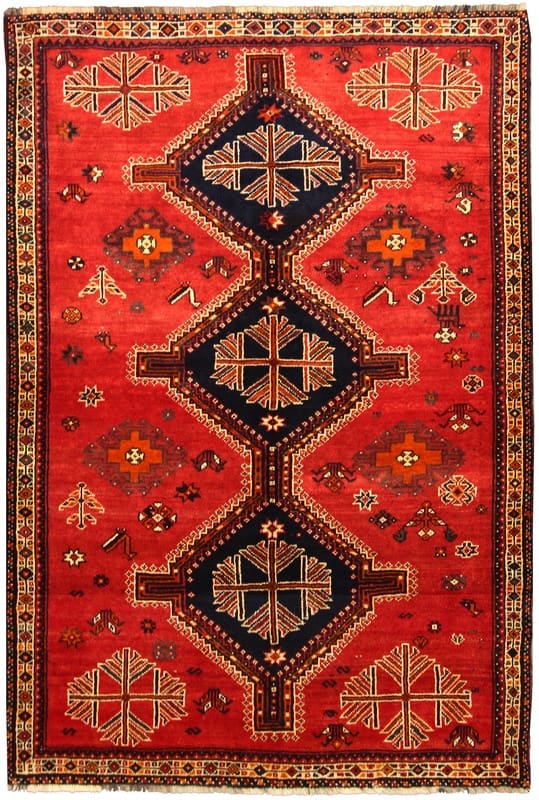
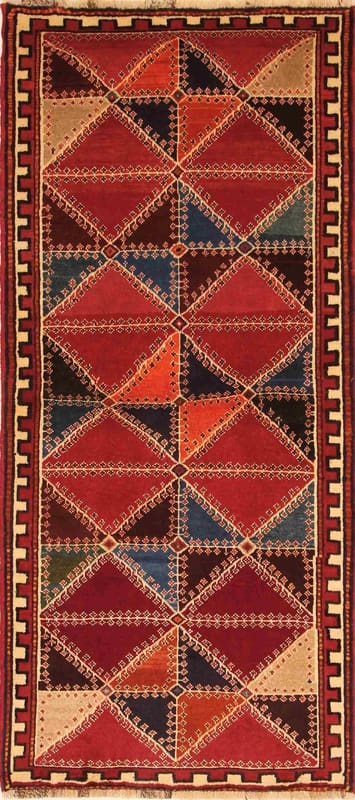
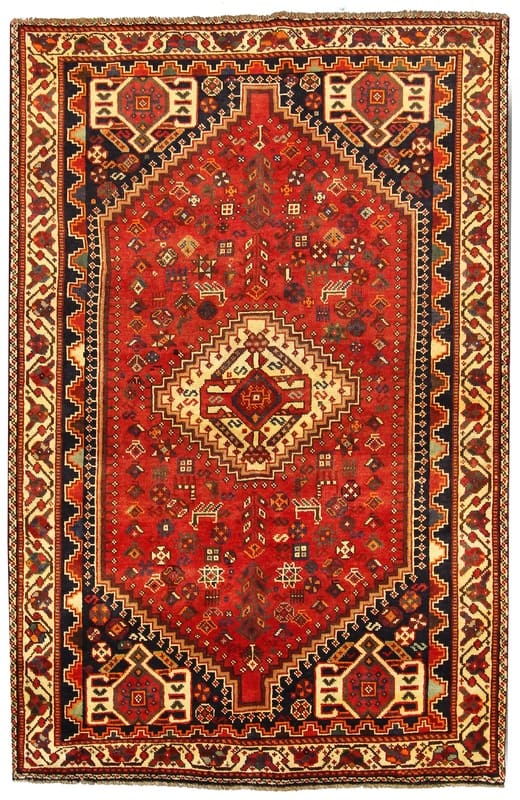
The designs of the GhashghaiCarpets are often complex and symbolic. Common motifs include geometric shapes, floral elements, and lifelike depictions that represent cultural narratives and myths. These patterns are not arbitrary but have deeper meanings connected to the worldview of the people who created them. Ghashghai are connected.
- geometric pattern: These symbolize the rhythm of life.
- Floral and animal motifs: They often represent fertility and harmony with nature.
The colors of the rugs were also not chosen randomly. Red tones represent strength and vitality, while blue tones are associated with spirituality and peace.
The role of carpets in Ghashghai-Life
Everyday use and culinary
Carpets are an integral part of everyday life. Ghashghai They are ubiquitous. They serve not only as floor coverings but also as blankets, providing warmth on cold nights. At celebrations, carpets are often the central gathering place where families meet and share meals.
cultural significance
Carpets are also carriers of stories and traditions. At weddings, for example, special carpets are used, adorned with symbols meant to bring good luck and prosperity to the couple. Old carpets often tell the story of the family they come from and are therefore significant for the family. Ghashghai invaluable.
economic aspects
Carpet weaving is not only a cultural heritage, but also an important economic resource. Many GhashghaiThe women are carpet weavers and thus contribute to the financial support of their families. The sale of carpets in Iranian markets and even internationally has enabled the community to preserve its traditions and support cultural exchange programs.
receipt of the Ghashghai-Traditions
challenges
The Ghashghai They face numerous challenges that threaten their culture and traditions. Modern lifestyles and urbanization have reduced the opportunities to live as nomads. Access to grazing land is becoming increasingly restricted, which puts their nomadic traditions at risk.
Protection and promotion
To preserve the traditions of Ghashghai To protect this tradition, various organizations are committed to preserving and promoting carpet weaving. UNESCO, for example, has developed programs to preserve the knowledge and skills of carpet weavers. Ghashghai-To preserve and pass on weaving techniques.
Carpets as works of art
Appreciation of craftsmanship
GhashghaiCarpets are more than just decorative elements; they are handcrafted works of art. The time, effort, and skill that go into each one make them special pieces that should be cherished and preserved. Exchanging ideas with the weavers about their techniques and inspirations can foster a deep appreciation for their art.
Carpets and interior design
In modern interior design, they are gaining ground. GhashghaiCarpets are becoming increasingly popular. Their unique designs and earthy colors complement many interior design styles, from traditional to modern. They bring a warm, inviting atmosphere to any room and tell a story at the same time.
Final section
carpets of the Ghashghai They not only represent the craftsmanship and cultural identity of a fascinating nomadic people, but they also tell stories of tradition, community, and survival. In a time of globalization, it is important to preserve the heritage of Ghashghai and to preserve their carpets. The purchase of a Ghashghai-Carpets are not only an investment in quality and aesthetics, but also a support for cultural diversity and a contribution to the preservation of traditions.
GhashghaiCarpets offer us a unique gateway to a world rich in history, culture, and art. By engaging more deeply with these masterpieces, we gain not only a better understanding of the people who created them, but also of the values they embody.
FAQ section
1. How do I recognize an original? Ghashghai-Carpet?
An original GhashghaiA rug is characterized by its unique patterns, the use of natural materials, and the knotting technique. Furthermore, the colors should be vibrant and derived from natural dyes. It can be helpful to learn about the typical designs and patterns that are used for rugs. Ghashghai-culture specific.
2. Are Ghashghai-Carpets easy to care for?
GhashghaiWool carpets are relatively easy to care for due to the wool content. Regular vacuuming and occasional beating are often sufficient. Stains should be treated immediately with mild cleaning agents. Professional cleaning once a year may also be advisable.
3. Why should I invest in one Ghashghai-Invest in a carpet?
A GhashghaiA rug is not just a decorative element for your home, but also a piece of cultural heritage. Purchasing one supports the local community and helps preserve its traditions and art forms. Furthermore, due to their craftsmanship and quality, these rugs are long-lasting investments that can increase in value over time.