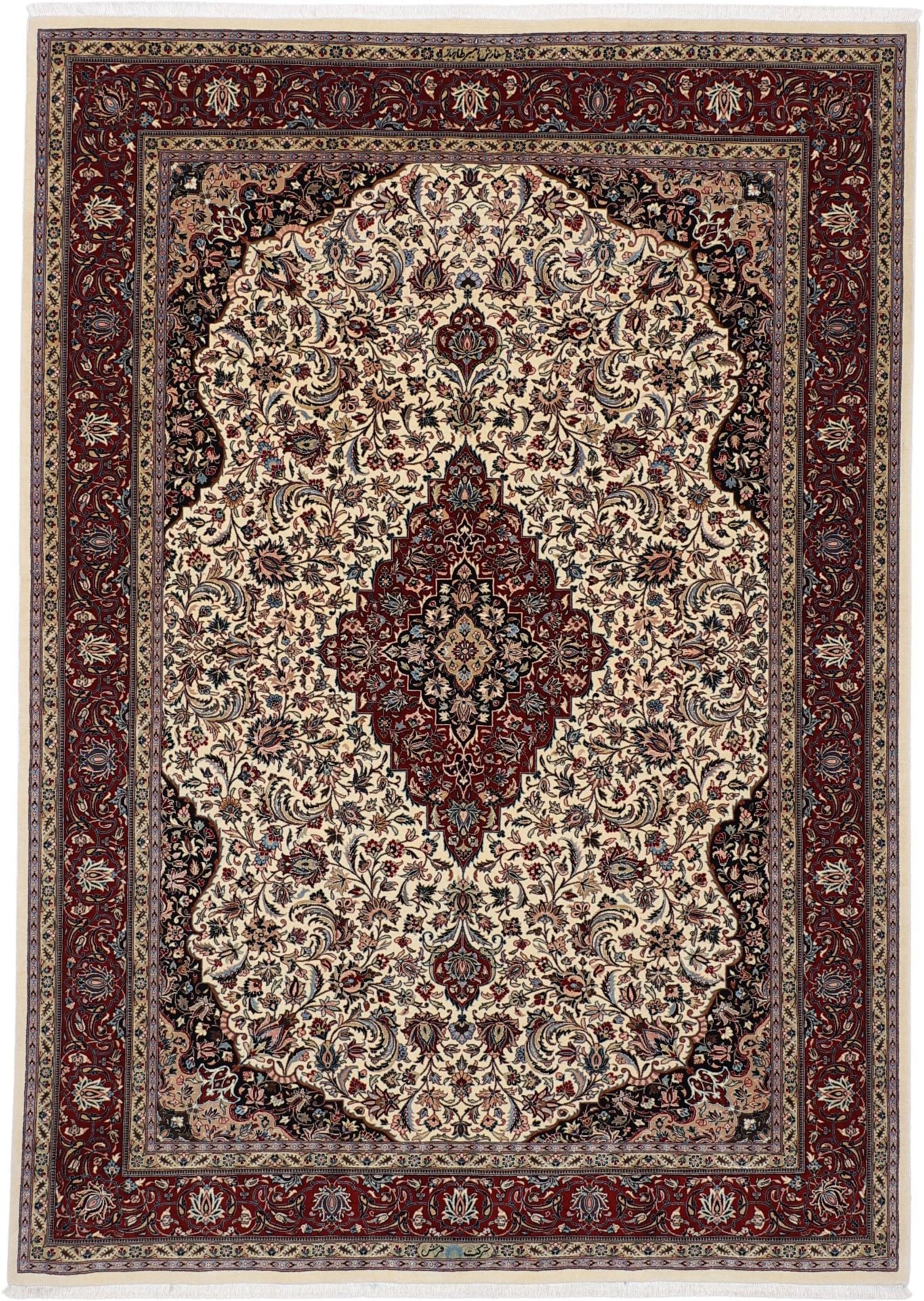
The fascinating world of Black Sea carpets: tradition, art and craftsmanship
Introduction to carpets from the Black Sea
Carpets are not just simple floor coverings; they are an expression of culture, tradition, and craftsmanship. Carpets from the Black Sea region are particularly significant. These works of art reflect the rich history and diverse traditions of the peoples who live along its shores. In this article, we will take a detailed look at the fascinating world of Black Sea carpets. We will explore their origins, the materials used, the unique manufacturing techniques, and the symbolic meaning of the designs. Numerous types and styles cater to every taste and are not only functional but also decorative.
Historical background of carpet art
Carpet art has a long tradition dating back to ancient times. In the Black Sea region, the roots of carpet weaving are deeply embedded in history. The first carpets were likely used for insulation and decoration. A unique form of carpet art developed from various cultures, including the Ottomans, Persians, and Caucasians. The carpets were often viewed as status symbols and were used in both domestic and religious settings.
The material behind the carpets
Black Sea carpets are made from a variety of materials, each with its own character and texture. The most common materials are:
Wool : It is the most commonly used fiber and is valued for its durability and warmth. Wool carpets are soft and comfortable, ideal for use in living spaces.
Silk : This precious fiber brings elegance and luster. Silk carpets are often designed with delicate patterns and vibrant colors. They are frequently used in formal spaces.
- Cotton: It is often used for carpet backing or in combination with wool. Cotton is inexpensive and easy to clean.
The choice of material affects the lifespan, maintenance and visual appearance of the carpet.
Traditional techniques of carpet making
The carpet weaving technique used in the Black Sea region is a craft tradition passed down through generations. A carpet can take several months to years to complete.
Hand-knotted carpets
Hand-knotted carpets are the heart of carpet art. Each knot is made by hand, making each piece unique. Knotting techniques vary by region and tradition. In the Black Sea region, the Ghiordes knot (double knot) and the Turkish knot (single knot) are particularly common.
Ghiordes knot : This knot is robust and is frequently used for luggage and oriental carpets.
- Turkish knot: It creates a flatter surface and is often used in finer carpets.
Weaving techniques
In addition to the knotting technique, there is also weaving, in which the rug is made from straight threads. This technique is often used to create rugs with geometric patterns.
Dyeing techniques
Dyes derived from natural sources are central to carpet production. Plants, minerals, and insects are used to create the unique colors that make the carpets so attractive. In fact, the color palette is often a clue to the region from which the carpet originates.
Symbolism and patterns in carpet design
The designs and patterns in Black Sea carpets are not only aesthetically pleasing but also carry deeper meanings. Each pattern, color, and symbol has a specific meaning, often linked to the history and culture of the region.
geometric pattern
Geometric patterns are found in many rugs and represent the harmony of nature. They are simple and clearly structured, giving them a timeless aesthetic.
Floral motifs
Floral motifs symbolize growth, fertility, and life itself. These designs are often in bold colors and convey a sense of freshness and vitality.
Tiermotive
Animal motifs are of great importance in many cultures. In carpet art, they can symbolize protection, strength, or even spirituality. In the Black Sea region, lions, eagles, and horses are common motifs.
Mythological symbols
Some carpets contain mythological symbols that tell stories of heroes, gods, and ancient legends. These carpets act as a kind of storyteller and are carriers of the region's cultural heritage.
The importance of carpets in everyday life
Carpets have played a central role in the everyday lives of people living on the shores of the Black Sea. They can not only cover the floor but also provide warmth and comfort.
practical aspects
Carpets provide a soft surface that increases walking comfort and reduces noise levels in a room. They provide insulation and can help regulate the temperature in a room.
Aesthetic aspects
Rugs are also an important decorative element. They bring color, texture, and variety of pattern to rooms. A well-chosen rug can significantly enhance the ambiance of a room and underscore the style of the home.
Care and maintenance of carpets
To ensure that Black Sea carpets retain their beauty and functionality over the years, proper care is essential.
Regular cleaning
Regular vacuuming is important to keep your carpet free of dirt and dust. Be sure to adjust the vacuum's brushes to avoid damaging the fibers.
Stain treatment
When it comes to stains, it's important to act quickly. Use special carpet cleaners and test them on an inconspicuous area first. Avoid harsh chemicals that could damage the carpet.
Professional cleaning
Professional cleaning is recommended to remove deep-seated dirt and refresh the colors. Consult a professional who specializes in the type of carpet you're looking for.
Carpets as an investment
Black Sea rugs are not only works of art, but also valuable objects. They can often increase in value, especially if they are hand-knotted and made of high-quality materials. They are not only a beautiful piece for your home, but also a worthwhile investment.
Final paragraph
The world of Black Sea carpets is a fascinating journey through culture, art, and craftsmanship. Each piece tells its own story, reflects the traditions of its origin, and brings beauty to our living spaces. When choosing a carpet, it's important to consider the quality of the material, the manufacturing technique, and the design. Black Sea carpets are more than just a simple floor covering; they are a part of our cultural heritage and deserve to be treasured and cared for. Whether you're an art lover or simply looking for a beautiful piece for your home, a carpet from this region is sure to bring you joy.
FAQ section
1. How do I recognize a hand-knotted carpet?
A hand-knotted rug has an irregular texture, while machine-made rugs are often evenly and perfectly woven. If you look at the back of a hand-knotted rug, you should be able to clearly see the knot details, while the back of a machine-made rug is smooth and without visible knots.
2. How long does a Black Sea carpet last?
The lifespan of a rug depends on several factors, including the material, care, and location. Hand-knotted wool rugs can last for several decades with proper care. Silk rugs, while more delicate, can also be very durable with special care.
3. How do I properly clean and care for my carpet?
To ensure the longevity of your carpet, you should vacuum it regularly to remove dust and dirt. Stains should be treated immediately with a special carpet cleaning spray. Professional cleaning is recommended once a year to remove ingrained dirt and refresh the colors.