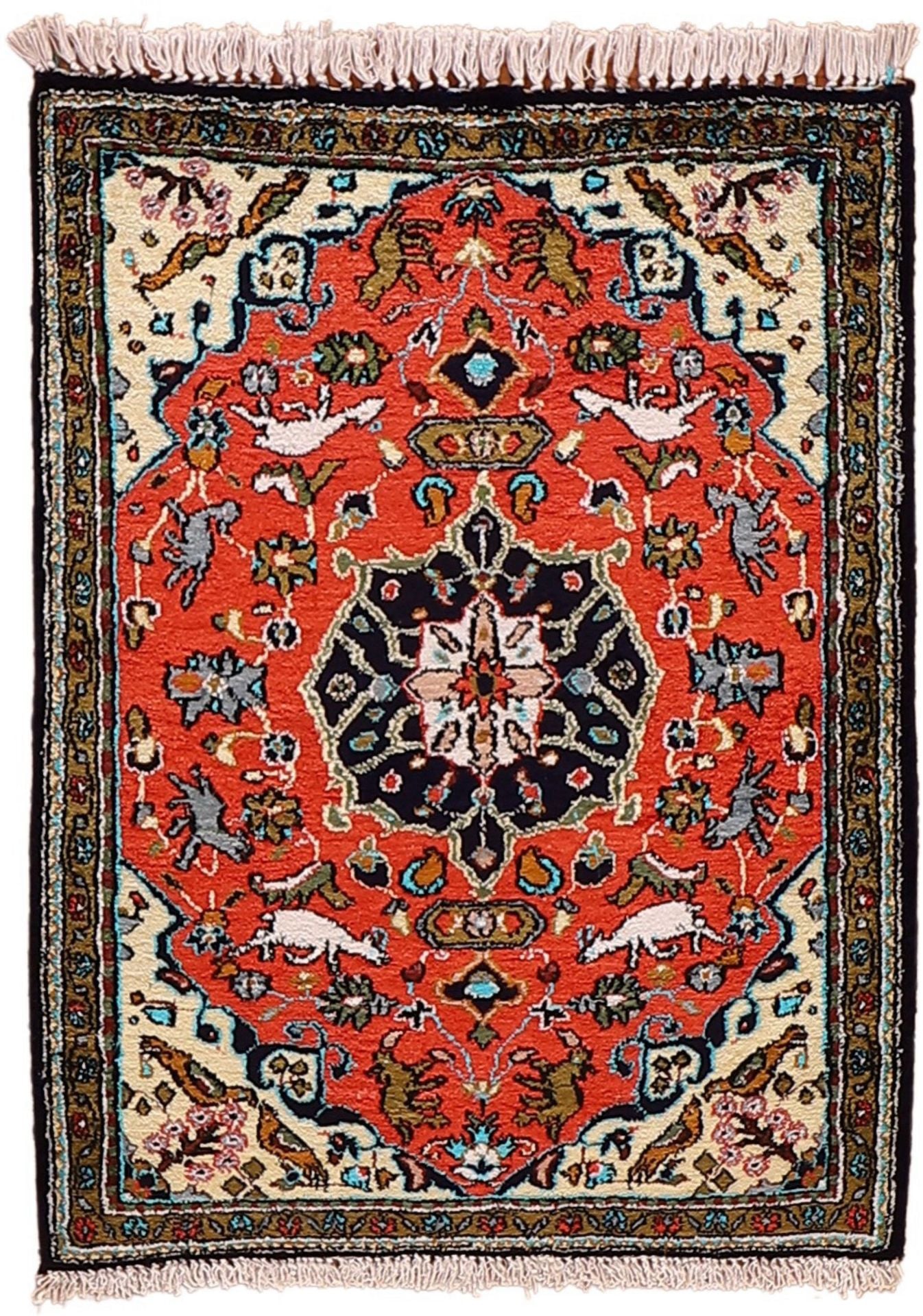
“The fascinating world of Black Sea carpets: craftsmanship and tradition in focus”
The fascinating world of Black Sea carpets: craftsmanship and tradition in focus
Carpet art has a long history, deeply connected to the culture, traditions, and lifestyles of the peoples who have lived in various regions over the centuries. One of the regions known for its rich carpet traditions is the Black Sea region. In this article, we take a detailed look at the carpets from this region—their history, the materials used, the different styles and techniques, and the significance of carpet making to local culture.
History of carpet art in the Black Sea
Carpet making in the Black Sea region has its roots in the nomadic cultures that have lived in this area for centuries. The first carpets made here were generally simple woven pieces that served primarily practical purposes. They served as sleeping pads, seating areas, or as protection from the cold. Over time, people began to refine their carpets with elaborate patterns and colors to meet aesthetic demands and reflect the social status of their owners.
The trade routes that passed through this region also contributed to the development of carpet art. Traders from various countries brought new materials and techniques that influenced local production. The use of wool, silk, and cotton in particular became popular, giving the carpets from this region a special quality and durability.
The materials used in carpet production
Wool
Wool is the primary material for most Black Sea rugs. The sheep herds that graze in this region produce high-quality wool that is dense, durable, and soft at the same time. These properties make wool an ideal material for rugs, as it offers both comfort and the ability to withstand a variety of wear and tear. Wool is also naturally stain-resistant and has insulating properties, making the rugs comfortable in both winter and summer.
Silk
Silk is often used in more luxurious rugs because it provides a refined, lustrous surface. The use of silk can intensify a rug's colors and add a special depth. Carpets decorated with silk require a particularly fine weaving technique, which increases production costs. Carpets made from this combination of wool and silk are particularly prestigious and are often considered status symbols.
Cotton
Cotton is typically used for the base of rugs. It ensures the rug's strength and shape retention. While cotton doesn't have the same luxurious qualities as wool or silk, it is still an important material for rug making. Cotton rugs are often lighter and easier to clean, making them a practical choice for households.
Carpet making techniques
Carpet making in the Black Sea region is an art form that requires great skill and experience. Various techniques are used to achieve different textures and patterns.
knot technique
The knotting technique is the most traditional method of carpet making. Individual knots are worked into the loom to form the desired pattern. There are various knotting techniques that differ in the type of knot and the density of the knots. The most popular are the Persian knot and the Turkish knot. The Persian knot is tighter and more elaborate, while the Turkish knot is looser and creates a thicker texture.
weaving technique
Weaving differs from knotting in that it doesn't involve knots. Instead, the weave is created by layering threads over and under. This technique is simpler and faster, but often results in less detailed patterns. Woven rugs are generally less expensive than knotted rugs and are well-suited for everyday use.
Embroidery and decorations
Some Black Sea carpets are not only knotted or woven, but also embroidered or decorated with other techniques. These techniques are often used to depict specific cultural or historical motifs. Carpet embroidery requires a high degree of precision and skill and often intersects with cultural traditions passed down from generation to generation.
Significance of carpets in local culture
Black Sea carpets are not only everyday objects, but also bearers of cultural values and history. They are often charged with symbolism and tell stories about the people who made them.
Symbolism and motifs
The motifs on carpets vary depending on the region, culture, and era. Geometric patterns, floral designs, or folkloric depictions are often used. Each pattern has a specific meaning—for example, certain colors represent fertility, prosperity, or the cycle of life. Handmade carpets play a special role at weddings or religious ceremonies, as they are often considered a symbol of good luck and prosperity.
Traditional occasions
Carpets are of particular importance on various occasions—from weddings to religious festivals. They are often given as gifts or used in rituals. The tradition of carpet making has a social dimension, as it is often passed down from generation to generation within a family. Men and women often work together to make carpets, thus demonstrating family unity and a connection to their culture.
Current trends and challenges
Although carpet making has a proud tradition in the Black Sea region, it faces several challenges today. Globalization and the influence of mass production are causing traditional craftsmanship to become increasingly rare. This also affects quality—many inexpensive carpets from the Far East are not made with the attention to detail and care characteristic of traditional handwoven carpets.
Modern design
At the same time, there are also positive developments: Many Designer People are beginning to discover the beauty and cultural richness of these carpets. Modern design often meets traditional craftsmanship, and new color palettes and patterns are being developed to integrate the carpets into contemporary interiors. This has led to a resurgence in the market for high-quality, hand-knotted carpets.
Sustainability
Another trend is the growing interest in sustainable and environmentally conscious products. Traditional rugs are typically made using natural materials and environmentally friendly methods. This appeals to environmentally conscious buyers who value durability and aesthetics.
Conclusion
Black Sea rugs are more than just decorative home accessories—they are pillars of cultural identity and history. The painstaking craftsmanship behind their production, combined with the use of high-quality materials, makes them unique works of art that can create a special atmosphere in any room. These rugs represent the traditions, values, and histories of the peoples who have cultivated this art form for generations.
They are also a symbol of the preservation and appreciation of cultural heritage, which should also find its place in an increasingly globalized world. The trend toward modernization and the growing demand for sustainable products show that carpet craftsmanship will continue to play an important role in the future. So, if you're looking for a handmade carpet, don't overlook the beauty and history of Black Sea carpets.
FAQ section
1. How do I recognize a high-quality carpet?
To identify a high-quality rug, you should pay attention to the quality of the materials (wool, silk, cotton) and the knot density. High-quality rugs have a dense knotting, which increases durability and longevity. Also pay attention to the craftsmanship and colors—natural dyes are generally more durable and beautiful.
2. How do I clean my carpet properly?
Proper care depends on the material. Generally, carpets should be vacuumed regularly to remove dust and dirt. If stains occur, it's important to treat them quickly by gently dabbing rather than rubbing. For hand-knotted or valuable carpets, professional cleaning is recommended.
3. Why are Black Sea carpets special?
Black Sea carpets are unique because they combine a rich history with traditional techniques. They reflect the cultural diversity of the region and are often unique in their patterns and colors. Their craftsmanship has been passed down through generations, giving them high cultural and emotional value.