"The fascinating world of carpets Gabbeh"Artful craftsmanship from Iran"
The fascinating world of carpets: Artful craftsmanship from different regions
Carpets are far more than just decorative floor coverings; they are an expression of culture, tradition, and craftsmanship. For millennia, carpets have played a significant role in numerous civilizations. Especially the GabbehCarpets from Iran are known for their vibrant colors and unique designs. In this article, we'll take you on a journey of discovery through the fascinating world of carpets, exploring the craftsmanship and cultural significance behind different types of carpets and showing you how to choose the perfect carpet for your home.
Historical background
Carpets have a long and rich history, originating in the nomadic tribes of Central Asia. The oldest known carpet, the Pazyryk Carpet, was discovered in the Pazyryk Pit in Siberia in the 5th century BC. It reflects the highly developed craftsmanship attributed to the carpet weavers in this region.
In Iran, a country with a deeply rooted carpet tradition, the art of carpet weaving has evolved over centuries. Each region has its own characteristics that influence the carpets – from the symmetrical knots of Persian carpets to the rough and rustic designs of the GabbehCarpets. The significance of carpet making extends beyond mere craftsmanship; it is part of the social and cultural life of the communities that produce them.
Gabbeh-Carpets: A masterpiece of simplicity
What are Gabbeh-Carpets?
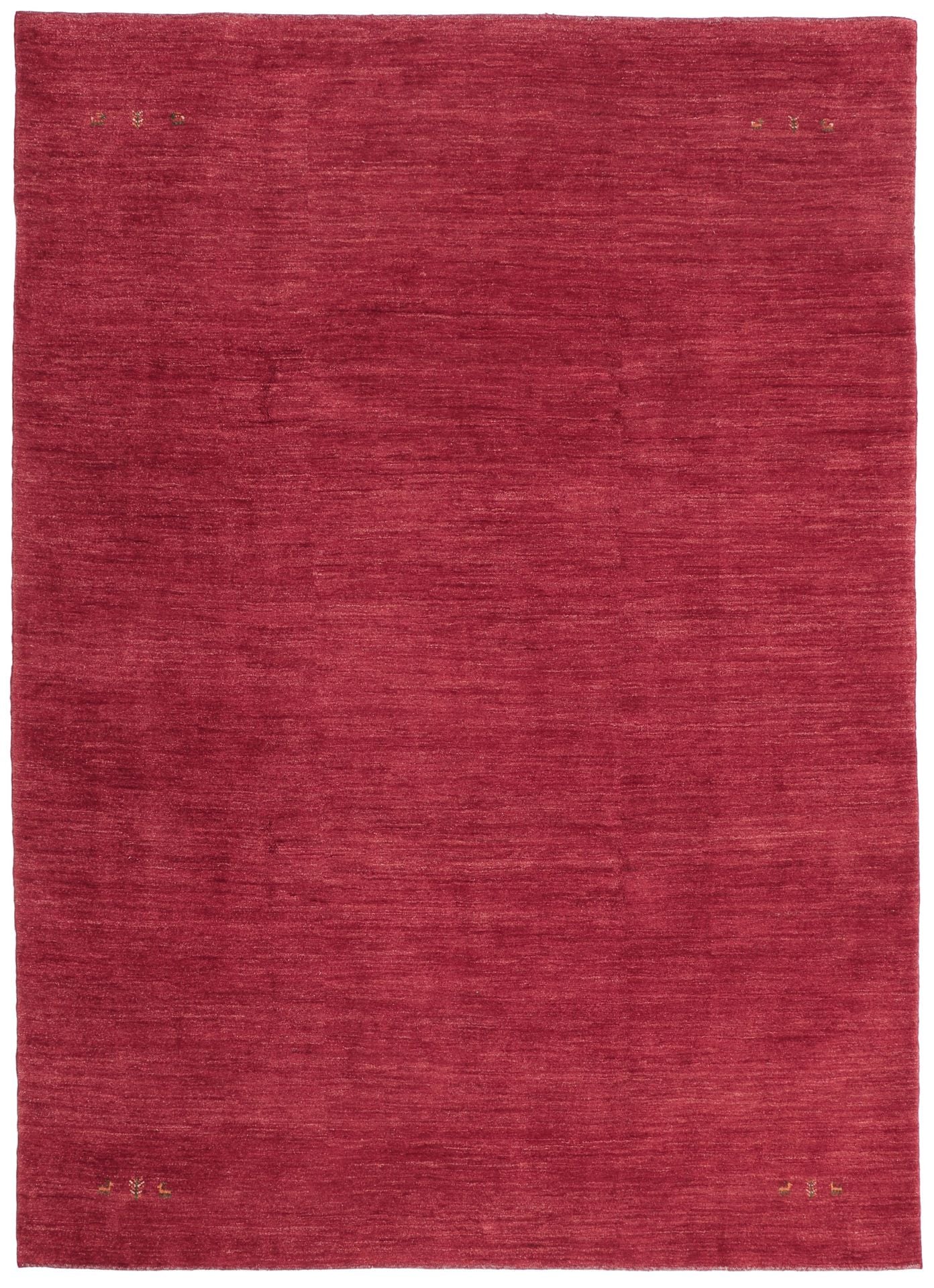
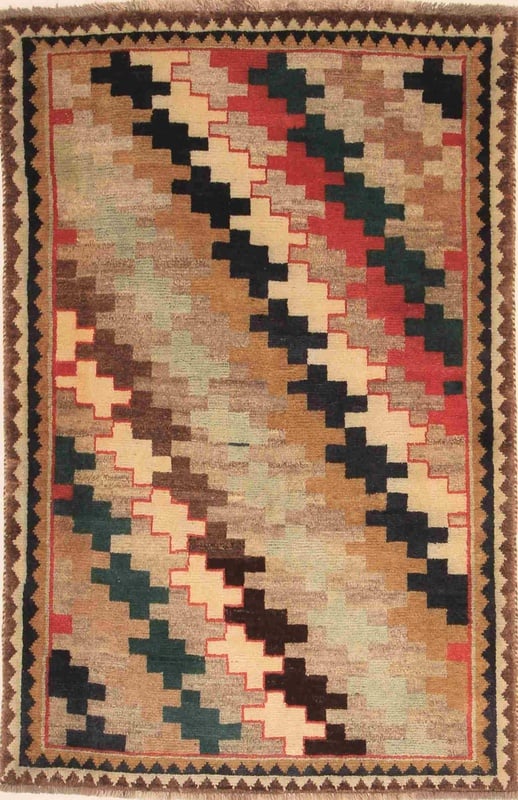
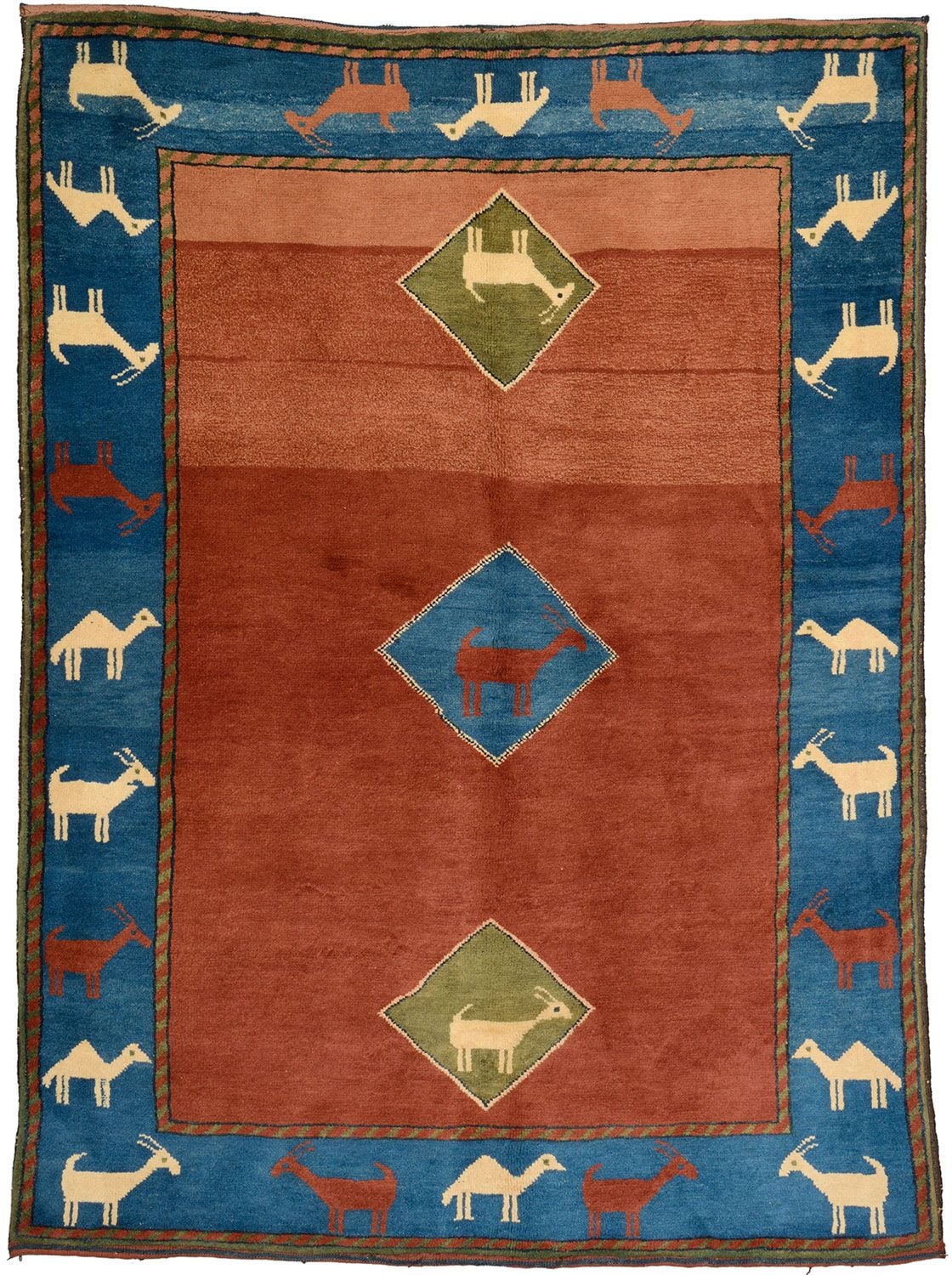
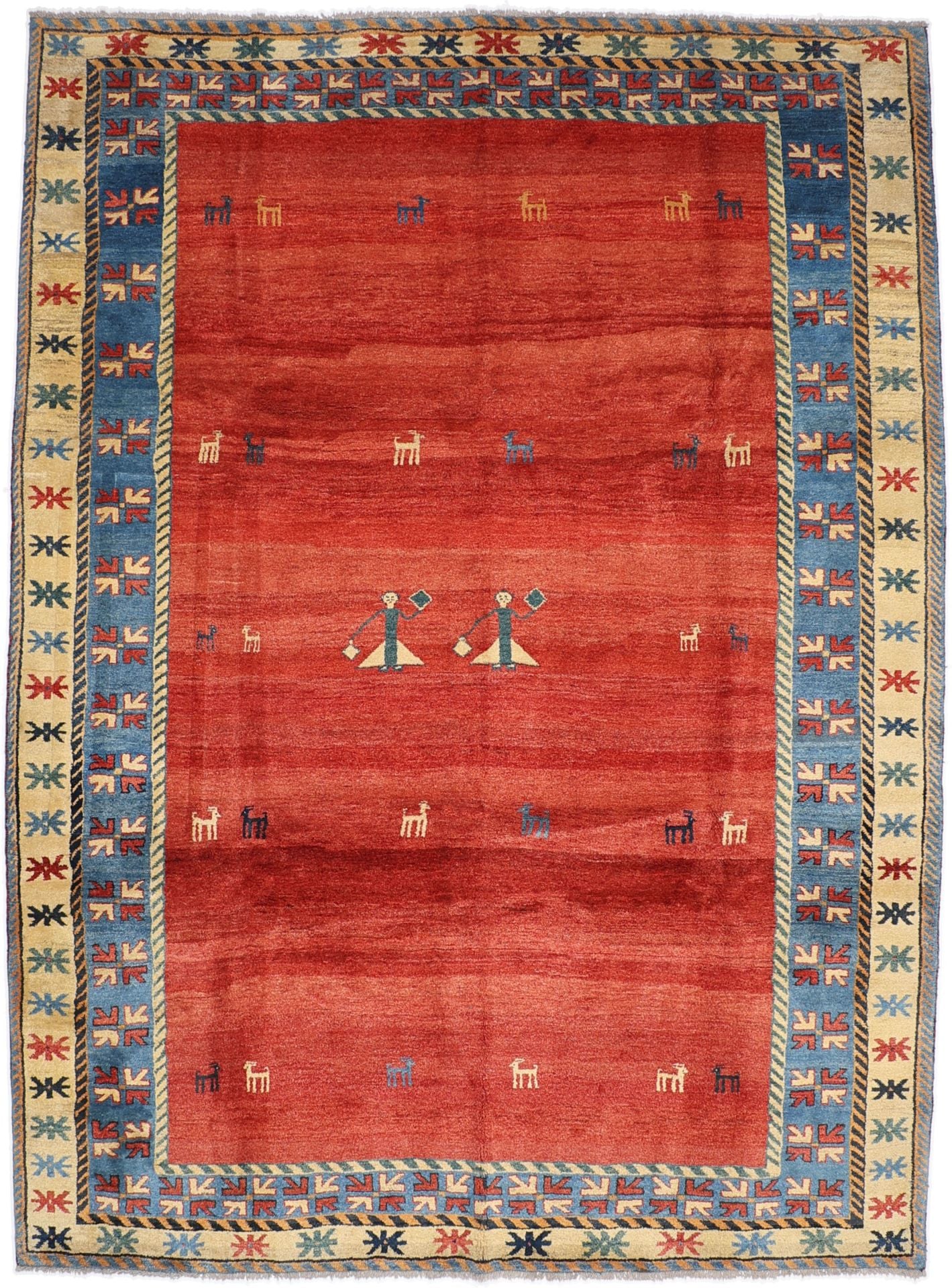
GabbehCarpets originally come from the nomadic tribes of southern Iran, especially the Lurs and BakhtiariThey are known for their rustic designs, which often include geometric shapes and stylized depictions of animals and people. In contrast to the fine and elaborately designed Persian carpets, Gabbeh-Carpets are often simpler, which gives them a unique charm.
These carpets are mostly made by hand and are time-consuming to produce. GabbehThese carpets are made from natural wool, known for its durability and warm feel. The wool is often dyed in vibrant colors using natural dyes.
The design of Gabbeh-carpets
The designs of GabbehCarpets are typically densely packed into larger, open areas, giving them a clean and minimalist look. They often feature light or dark base colors, complemented by bold accent colors. The motifs often extend across the entire surface and tell stories from everyday life or nature.
The special thing GabbehThe irregularity in shape and color is what makes carpets unique, giving each piece an individual character. Unlike industrially produced carpets, which are uniform, each one displays its own unique features. Gabbeh-The carpet reflects the handwriting and emotions of its creator.
Carpets as an art form
Carpets are not only functional, but also works of art. Each piece tells a story and is the result of tradition, cultural identity, and individuality. They reflect the aesthetic preferences of their owners. Designer They reflect and offer an insight into the values and craftsmanship of the respective culture.
Carpet art is a living heritage that is constantly evolving. More and more Designer Artists are experimenting with traditional patterns and colors to create innovative designs that appeal to modern tastes. This includes carpets that combine traditional techniques with contemporary styles, resulting in an exciting blend of old and new.
The variety of carpet types
There are many different types of carpets, each with its own cultural background and manufacturing techniques. Below are some of the most popular types:
Persian carpets
Persian carpets from Iran are known for their fine knotting and detailed patterns. They are characterized by complex designs that often depict scenes from nature or mythological motifs. These carpets are exclusive works of art and often correspondingly expensive.
Tuareg carpets
The Tuareg, nomadic tribes from the Sahara, produce rugs known for their geometric patterns and deep, earthy colors. These rugs are often particularly robust and durable, making them ideal for use in desert regions.
Kilim
KilimFlat-woven carpets are woven rugs without short fringes. They are known for their colorful patterns and the use of geometric motifs. KilimCarpets are generally lighter and easier to clean, making them a practical choice for many households.
Carpets in interior design
Rugs play a crucial role in interior design and can create a decisive atmosphere in a room. They can not only set the tone of a space, but also harmonize colors and patterns while enhancing comfort.
Tips for choosing the right carpet
Size and shape: Consider which size and shape of rug best suits your room. A large rug can unify a room, while smaller rugs can help define different areas within a room.
Color and pattern: Consider the existing colors and patterns of your furniture and walls. A rug in neutral tones can provide a calming base, while a vibrant pattern can serve as a focal point.
Material: Choose a material that suits your lifestyle. Wool is durable and warm, while synthetic materials are easier to clean.
- Care: Consider how much care the rug requires. Some rugs, especially hand-knotted ones, require more care than others.
Care and maintenance of carpets
Carpets require proper care to maintain their beauty and longevity. Here are some basic carpet care tips:
Regular vacuuming: Keep your carpet clean by vacuuming it regularly to remove dust and dirt.
Treat stains immediately: When it comes to stains, quick action is important. Use a soft cloth and a mild detergent to dab the stain instead of rubbing it.
Professional cleaning: Have your carpet professionally cleaned regularly to remove deep-seated dirt and refresh the colors.
- Avoid direct sunlight: Protect your carpet from direct sunlight to prevent the colors from fading.
Buying carpets in the webshop
Buying rugs from an online store offers many advantages. You have access to a wide selection of rugs from different regions, styles, and price ranges. Here are some tips to help you when buying a rug online:
Check the product descriptions: Pay attention to details such as material, size and care instructions.
Read customer reviews: Customer reviews can give you an insight into the experiences of other buyers.
- Refund policy: Make sure the store offers a fair return policy if the rug doesn't meet your expectations.
Conclusion
Carpets are more than just decorative elements in our rooms; they are an expression of culture, tradition, and craftsmanship. GabbehCarpets from Iran or other regional rugs – each piece has its own story and meaning. The careful selection and care of a carpet can not only enhance the look of a room but also bring a piece of history and art into your home. In a world where mass production increasingly dominates, handmade carpets are a precious heritage worth preserving.
FAQ
1. How do I clean my carpet properly?
To clean your carpet, you should vacuum it regularly. If stains occur, treat them immediately by dabbing them with a clean, damp cloth and a mild detergent. For a more thorough cleaning, it may be advisable to have the carpet professionally cleaned.
2. Which carpet materials are the most durable?
Wool is considered one of the most durable carpet materials because it is naturally stain-resistant and hard-wearing. Synthetic materials like nylon and polyester are also robust and easy to clean, making them a practical choice.
3. How do I choose the right rug size for my room?
The size of your rug should reflect the function of the room. In living rooms, it's best to choose a rug that sits comfortably on top of all the furniture or at least touches the front legs of the furniture. In dining areas, a larger rug may be ideal for fully enclosing the dining table and chairs. Measure the room carefully to ensure the rug is well-placed.