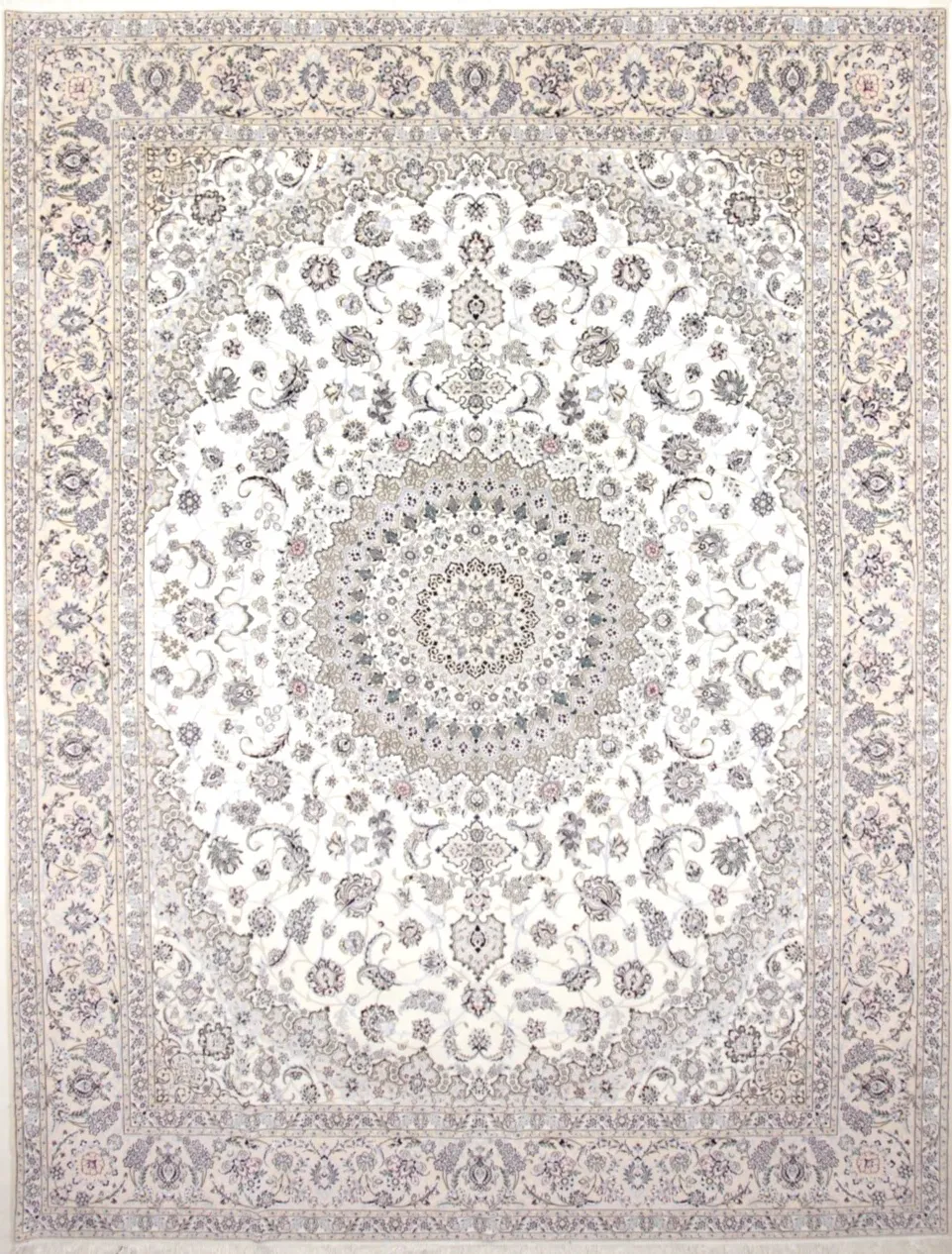
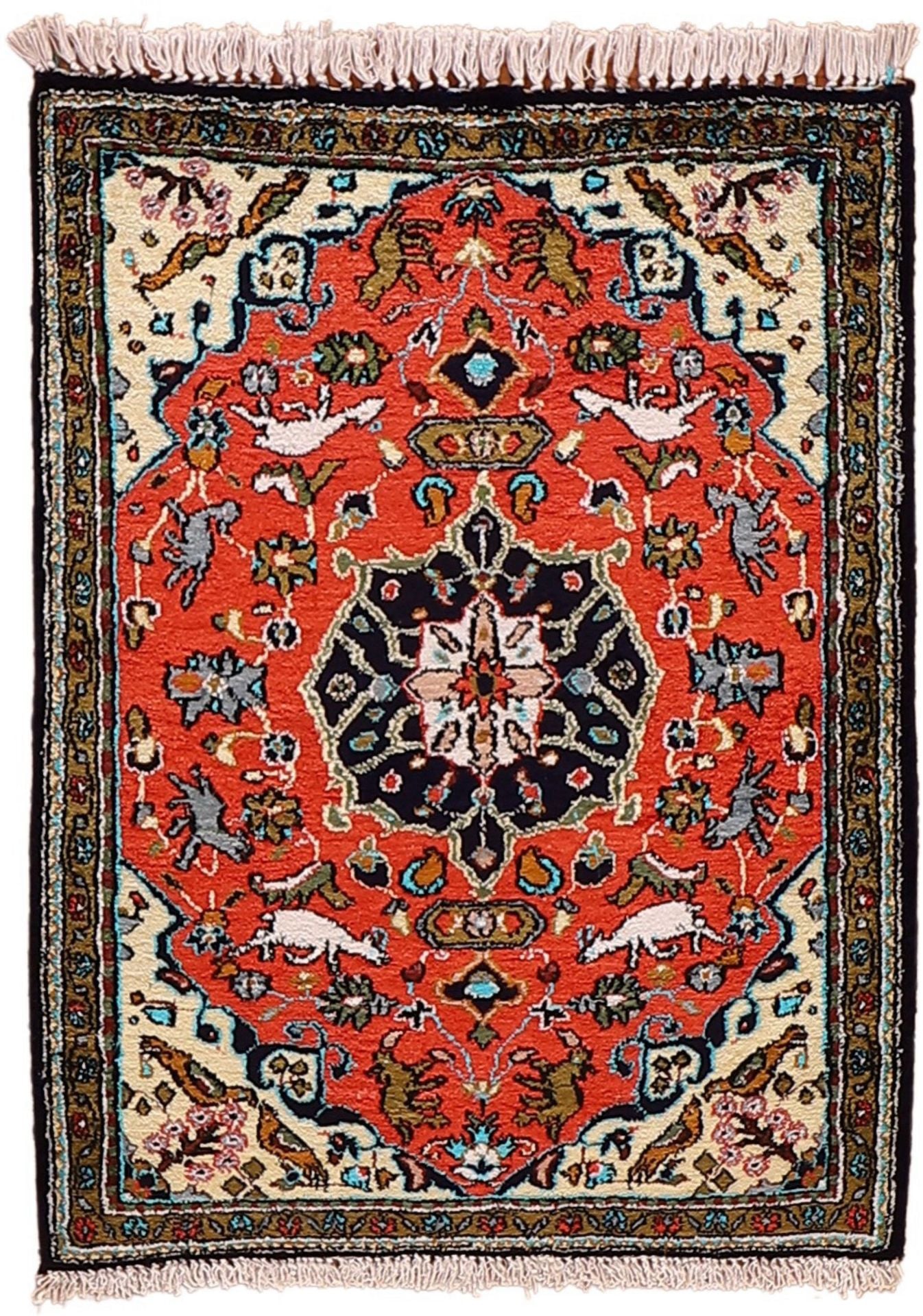
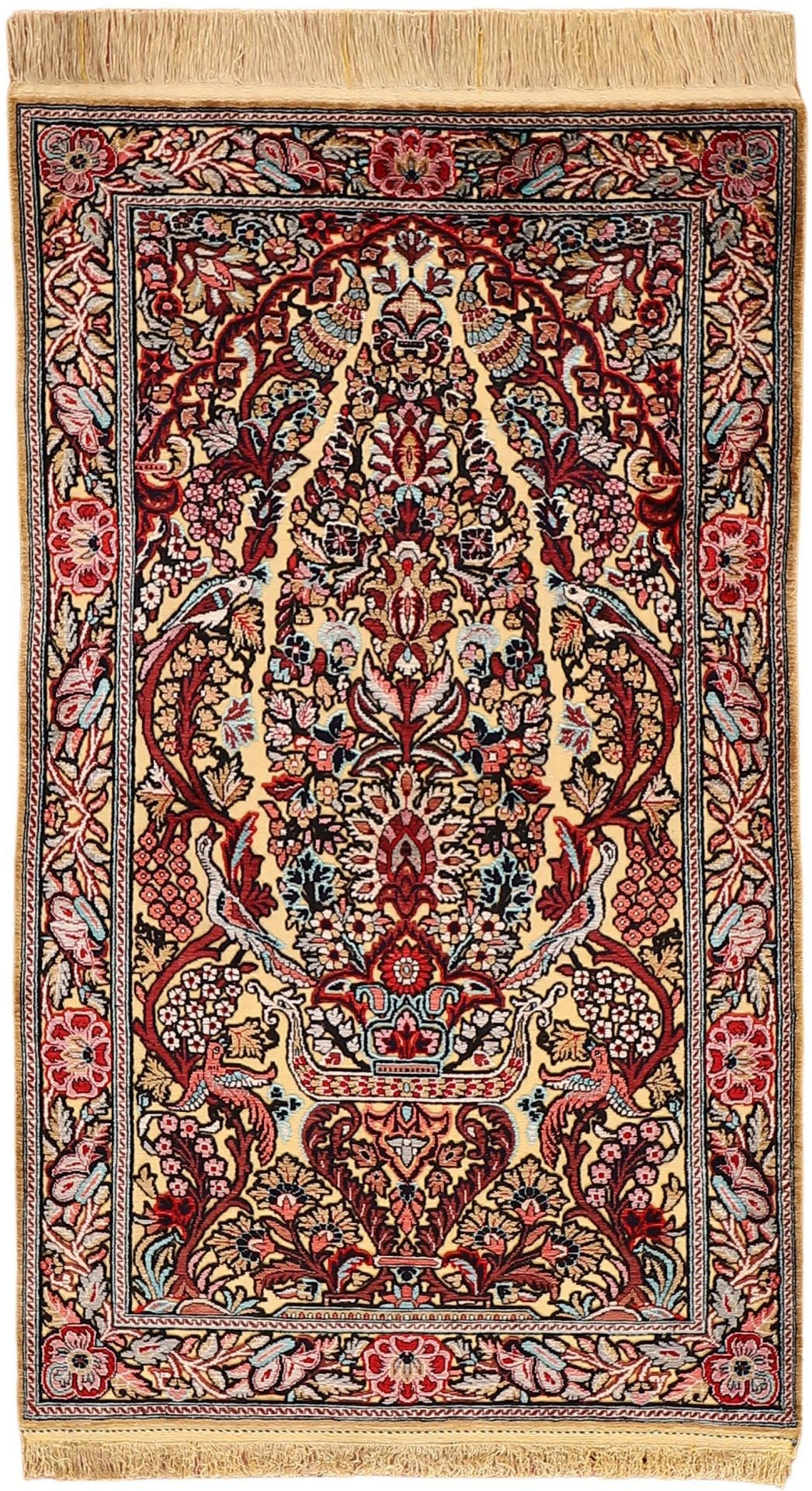
The fascinating world of oriental carpets: craftsmanship and tradition in every knot
Introduction to the world of carpets
Carpets are more than just floor coverings; they are masterpieces of art and craftsmanship that tell stories and reflect cultures. Oriental rugs, in particular, which often come from countries like Iran, Turkey, Afghanistan, and India, are renowned for their rich colors, intricate patterns, and long tradition. In this article, we guide you through the fascinating world of carpets, revealing their history, honoring the artistry of carpet weavers, and helping you choose the perfect rug for your home.
The history of the oriental carpet
The roots of carpet weaving date back to ancient times. The oldest known examples of knotted carpets date back to the 5th century BC and were found in the Central Asian region. These early carpets were not only practical objects but also expressions of cultural identity and social status.
Over the centuries, the art of carpet weaving continued to evolve. In Iran, carpets were particularly prized and considered a symbol of wealth and power. The Safavid dynasty (1501–1736) was a pivotal period for carpet production, as new geometric and floral designs emerged.
The craftsmanship of carpet weavers
The production of an oriental rug is a long-term process that requires great skill and dedication. Traditionally, the work is done by hand, and each rug can have hundreds to thousands of knots per square meter. These knots are often knotted using various techniques, with the two most common being Persian and Turkish knotting.
The Persian knotting technique uses a symmetrical knot, allowing for complex designs and patterns. In contrast, the Turkish knotting technique uses an asymmetrical knot, resulting in sturdier and more durable rugs. This variety in knotting techniques contributes to each rug being an individual work of art, unique in its details.
Patterns and symbols: meaning behind the design
The designs of oriental rugs are often rich in symbolism. Animal motifs, geometric patterns, and floral arrangements are common. Each motif has its own meaning; for example, the lion symbolizes power and strength, while flowers often represent beauty and nature. These symbols are not only decorative but also convey messages and stories from the respective culture.
Stencils and templates are important in the production of a rug. Talented artists design the patterns, which are then transferred to the rug by the weavers. The colors used for these rugs often come from natural dyes obtained from plants, minerals, and insects, resulting in vibrant and long-lasting colors.
Carpets as cultural heritage
Oriental rugs are more than just decorative elements; they are an integral part of the cultural identity of their respective regions. In many cultures, rugs have ritual significance. At weddings or other celebrations, special rugs are often used to symbolize the occasion. Rugs can also be considered gifts for special occasions, such as celebrating the birth of a child or a marriage.
Furthermore, carpet weaving is an important part of the ethnic heritage of many communities. The loss of this art form would not only compromise its aesthetics, but also the cultural roots and identity of the people who create it.
Choosing the perfect carpet
Choosing the right rug can be a challenging, yet exciting, task. When choosing, consider the following:
1. Purpose and function
Consider the room the rug will be used in. Will it be in a high-traffic area like a living room or a quieter room like a bedroom? Consider the materials and durability of the rug based on its intended use.
2. Size and shape
Measure the area where the rug will be placed to ensure it fits well in the room. When choosing a shape, consider the furniture in the room; for example, round rugs work well with round dining tables.
3. Style and color
The rug should harmonize with the existing interior design. Consider color schemes and styles, whether modern or traditional, to help integrate the rug into your home.
4. Care and cleaning
Oriental rugs require special care to maintain their beauty. Learn the proper cleaning and care instructions to ensure your rug's longevity.
The trends in the carpet industry
The carpet industry has evolved significantly in recent years. Trends in interior design are also influencing carpet selection. Naturally inspired designs, sustainable materials, and the integration of traditional craftsmanship into modern styles are gaining popularity.
Sustainability is a key trend. More and more manufacturers are turning to eco-friendly materials and manufacturing processes to reduce the environmental footprint of their products. This is leading to increased demand for handmade rugs that are not only aesthetically pleasing but also environmentally friendly.
The impact of digitalization on the carpet industry
Digitalization has also reached the carpet industry. Online stores and virtual showrooms allow customers to purchase carpets from the comfort of their own home. The use of augmented reality tools allows customers to virtually place carpets in their own rooms, facilitating the purchasing decision.
In addition, social media offers manufacturers new opportunities to showcase their products and engage with a broader audience. Platforms like Instagram and Pinterest allow for faster trend recognition and foster interaction with artisans.
Final section
Oriental rugs are more than just a functional object. They embody centuries-old craftsmanship traditions, cultural identities, and stories passed down from generation to generation. When you choose a rug, you're choosing a work of art that will add character to your home and exude timeless elegance. Whether you're looking for a traditional, modern, or contemporary rug, the world of rugs offers a myriad of options. Be inspired by the unique designs and craftsmanship and make a choice that will not only enhance your space but also become a part of your life.
FAQ
1. How do I properly clean my oriental rug?
Thorough but careful cleaning is important for the longevity of your carpet. Regular vacuuming without rotating brushes is recommended to remove dirt and dust. Stains should be treated immediately with a damp cloth and mild detergent. For a more thorough cleaning, consider hiring a professional carpet cleaner.
2. How do I recognize the quality of an oriental carpet?
The quality of a carpet is often determined by the number of knots per square meter, the materials used, and the softness of the carpet. High-quality carpets typically have a higher knot count and are made from natural materials such as wool, silk, or cotton.
3. Is there a way to verify the origin of a carpet?
Yes, many oriental rugs bear origin markings or labels that provide information about the country of origin and the materials used. There are also online databases and resources that can help you identify rug styles and their origins.
This article covers various aspects of the carpet world, focusing on oriental rugs and their cultural, historical, and practical significance. Whether you're a rug lover or just beginning to explore this art form, learning about these extraordinary pieces will broaden your perspective on interior design and culture.