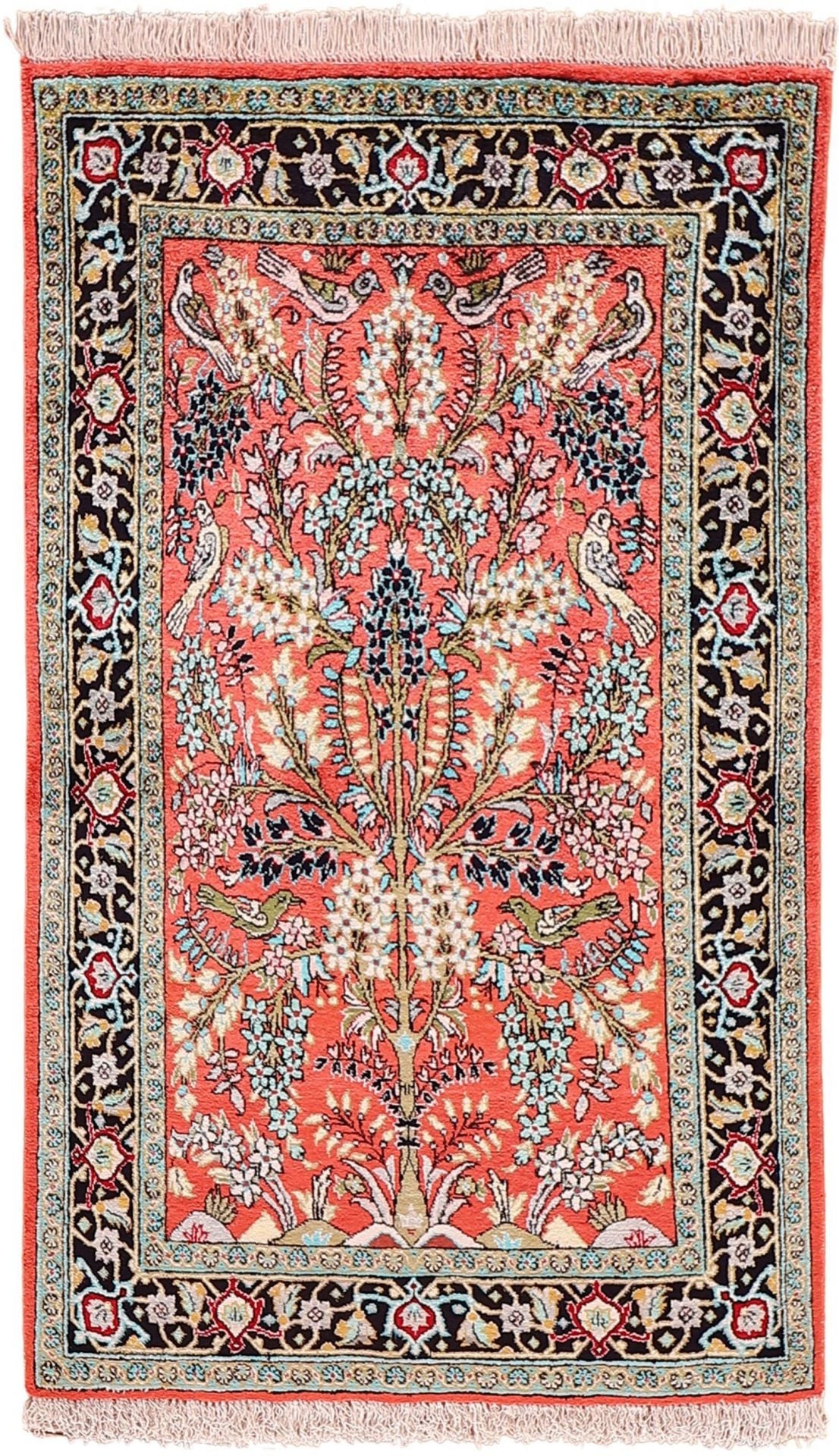
The fascinating world of oriental carpets: craftsmanship and tradition united
Introduction
Carpets are more than just flooring; they tell stories, embody cultures, and are often the result of centuries-old traditions. The fascinating world of carpets, especially oriental ones, combines craftsmanship with timeless tradition. Oriental carpets are not only functional elements, but also works of art that create a truly special atmosphere in any room.
The history of oriental carpets
Origins and development
The origins of oriental carpets date back to ancient times. The first carpets were used in Central Asia and served as practical items to protect people from the cold. Over time, these pieces evolved into complex works of art whose motifs and colors had deeper meaning.
Regional differences
The diversity of oriental carpets is the result of the different cultures that produced them. The most famous regions include Persia (Iran), Turkey, India, and Afghanistan. Each region has its own distinctive designs, colors, and qualities.
- Persian carpets: Famous for their intricate patterns and use of high-quality materials.
- Turkish carpets: Known for bold colors and geometric motifs.
- Indian carpets: Often combine traditional Asian and Western styles and are characterized by their vibrant colors.
- Afghan carpets: Often a bit more rustic, with Central Asian influences.
The art of carpet weaving
Techniques and Materials
Carpet weaving is a laborious process that requires skill and patience. Traditionally, most oriental carpets are made of wool, silk, or cotton.
- Wool: Very durable and provides natural insulation and comfort.
- Silk: Has a wonderful shine and is often used in luxury carpets.
- Cotton: Similar to wool, but more robust and often found in lighter carpets.
Knotting techniques vary from region to region. While the so-called "Persian knot" is often used in Persian regions, Turkish knotters frequently use the "Turkish knot," which has a different structure and stability.
patterns and designs
The patterns of oriental carpets are often symbolic, telling stories or evoking specific themes. Popular motifs include:
- Floral designs: Represent flowers and leaves and symbolize the growth and beauty of nature.
- geometric pattern: Often show a strict symmetry and are frequently found in Turkish carpets.
- Medallion pattern: Have a large medallion in the center and can be found in both Persian and Turkish carpets.
Care and cleaning of carpets
Regular maintenance
Proper carpet care can significantly extend their lifespan. Here are some tips:
- SaugenRegular vacuuming removes dust and dirt. Use a vacuum cleaner with a special attachment to avoid damaging the fibers.
- rotation principle: Rotate the carpet regularly to ensure even wear.
Cleaning
For deeper cleaning, high-quality carpets should be professionally cleaned. It's important to use the right cleaning products to avoid damaging the colors and materials.
The role of oriental carpets in interior design
Accentuation of rooms
Carpets can play an important role in any room:
- Living room: A large rug can serve as a focal point to create a cozy atmosphere.
- Dining room: A rug under the dining table can add an elegant touch to any dinner.
- Bedroom: Carpets next to the bed bring warmth and comfort.
color design
The choice of colors can influence the entire room. Bright, vibrant colors can brighten a space, while darker tones create an intimate atmosphere.
The economic aspects of carpets
purchase and investment
Oriental rugs are often an investment. The price depends on various factors, such as material, size, age, and the techniques used. High-quality rugs can increase in value, especially if they come from well-known manufacturers.
Market and trends
The demand for oriental carpets remains stable, especially in recent years, as more and more people discover interest in traditional craftsmanship.
Final section
The world of oriental rugs is a fascinating blend of art, history, and culture. While they grace the floor of a room, they tell the stories of the people who created them. In an age dominated by mass production, oriental rugs are truly unique and valuable heirlooms. Whether you're looking for a new rug for your home or simply appreciate the beauty of these works of art, there's much to discover and learn.
FAQ section
What are the best materials for making carpets?
The best materials for rugs are wool, silk, and cotton. Each material has its own advantages: wool is durable, silk has a special luster, and cotton is robust and easy to clean.
How often should I clean my carpet?
It is recommended to have carpets professionally cleaned at least once a year. Regular vacuuming (weekly) can help break down dust and dirt.
How do I recognize a high-quality carpet?
A high-quality rug is characterized by dense, well-defined knots, consistent colors, and high-quality materials. Attention should also be paid to the craftsmanship and fineness of the patterns.