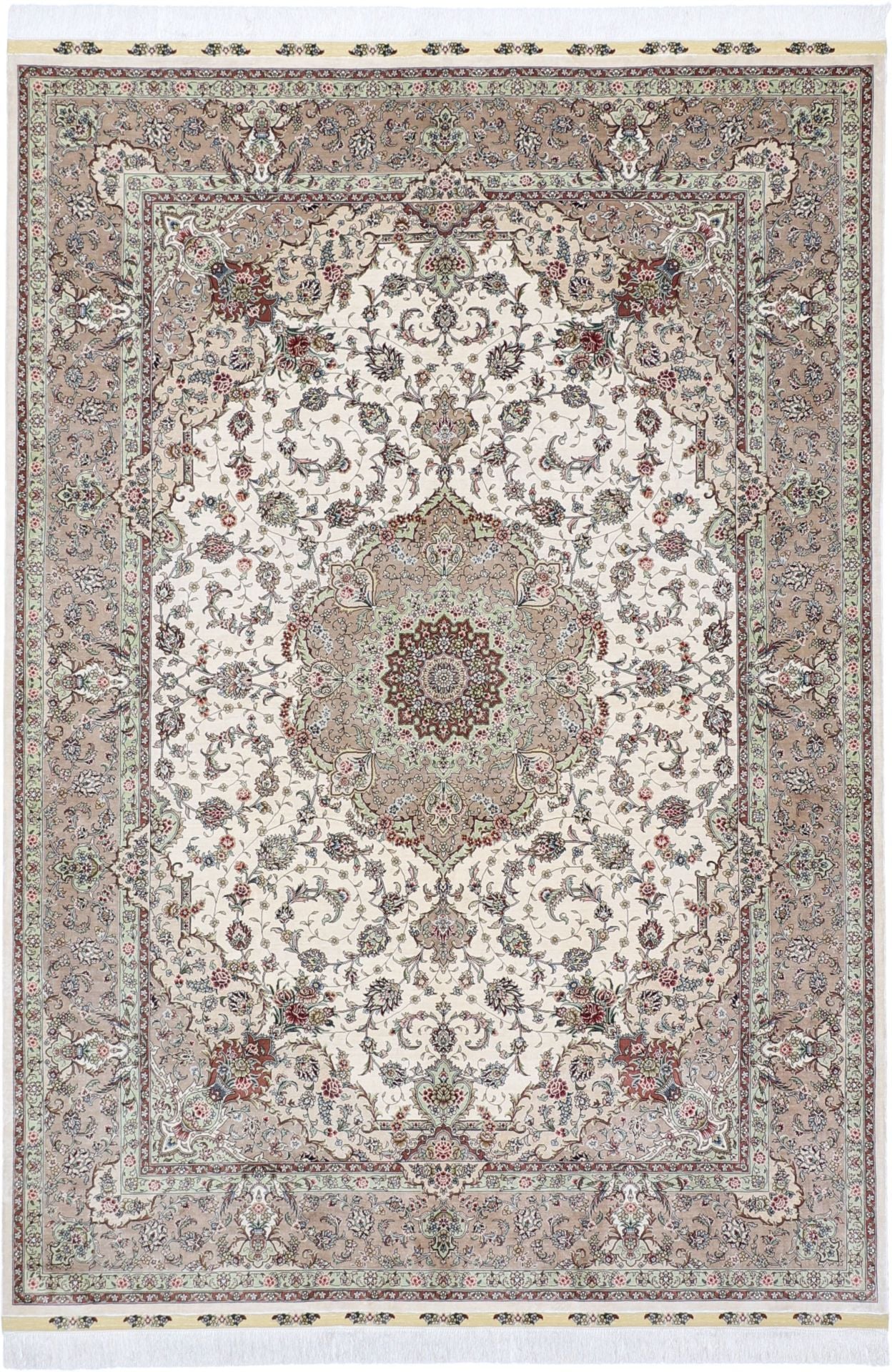
“The fascinating world of Moroccan carpets: tradition, art and craftsmanship”
Introduction
Carpets have held a special place in human culture and history for centuries. They are not only practical home accessories, but also exquisite works of art that tell stories and reflect traditions. Carpets are particularly important in Moroccan culture. They reflect the country's rich history and craftsmanship. In this article, we delve deep into the fascinating world of Moroccan carpets and discover what makes them so unique.
The tradition of Moroccan carpets
Historical background
Moroccan carpets are not only products of craftsmanship, but also bearers of a long history. Their roots reach back to the... Berberculture of ancient North Africa. These carpets were traditionally made by BerberWoven by women who passed down their skills through generations. Each pattern and color has a deeper meaning, often related to the life, nature, and spiritual beliefs of the wise women who created it.
Berber-Culture and crafts
The BerberThe indigenous peoples of Morocco are renowned for their sophisticated textile techniques. Their rugs are often vibrant in color and feature geometric or floral patterns that reflect the beauty of the landscapes and the richness of their culture. Weaving these rugs requires considerable skill and patience. Women often spend months working on a single rug, making each piece a unique work of art.
Types of Moroccan carpets
There are different types of Moroccan carpets, each with its own regional identity and stylistic characteristics.
Beni Ourain carpets
The Beni Ourain carpet is perhaps the most famous of all Moroccan carpets. It originates from the BerberOriginating in the mountains of central Morocco, these rugs are characterized by their soft, natural colors and geometric patterns. They are typically made of high-quality wool, making them exceptionally comfortable. Ideal for modern homes, they lend a warm atmosphere to any room.
Azilal carpets
Azilal rugs originate from the Atlas Mountains and are known for their vibrant colors and playful patterns. They are often woven with thick, irregular lines, giving them a rustic, handcrafted appearance. Each piece has its own story, reflecting the emotions and experiences of the weavers.
Boujad carpets
Boujad rugs originate from the Boujad region and have an interesting history. These rugs often combine different patterns and colors, reflecting the classic lightness and cheerfulness of Moroccan designs. Boujad rugs are often made from recycled materials, which not only makes them environmentally friendly but also results in unique designs that can be easily integrated into any room.
The art of carpet weaving
material selection
The materials used to weave Moroccan rugs are of utmost importance. Typically, the women use wool, sometimes cotton or silk, to weave the rugs. Wool is the preferred material because it is not only durable, but also provides warmth and regulates moisture. The wool is often dyed with natural dyes derived from plants and minerals, giving the rugs their characteristic earthy tones and vibrant colors.
weaving technique
Weaving a Moroccan rug is a time-consuming and precise process. The technique is often passed down from generation to generation. Women use looms to weave the wool thread by thread. This process requires not only skill but also a deep understanding of the patterns and designs, which often have cultural and spiritual significance.
Symbolism and meaning
Every pattern and color has meaning. For example, red often represents strength and home, while blue symbolizes peace. Many rugs contain motifs inspired by nature, such as flowers or animal depictions. Some patterns are designed to bring protection and good luck to the family, while others represent memories of ritual practices or life events.
Care and cleaning of carpets
Regular maintenance
Proper care of a Moroccan rug is crucial to extending its lifespan. Regular vacuuming is important to remove dust and dirt. A vacuum cleaner with a soft brush is ideal for this, so as not to damage the fibers.
deep cleansing
If a rug is heavily soiled, a deep cleaning may be necessary. This should preferably be performed by professional cleaning services experienced with handwoven rugs. Never rinse the rug under running water, as this can bleach the colors. Instead, use a gentle, chemical-free soap solution.
Storage:
Care should be taken when storing a Moroccan rug. Avoid placing it on perpendicular surfaces, as this can lead to wrinkles and warping. Wrap the rug in a breathable cloth and store it in a cool, dry place.
The influence of Moroccan carpets on interior design
Minimalist design
Moroccan rugs are versatile and can be easily incorporated into minimalist designs. Their warm colors and unique patterns bring life to an otherwise austere space and serve as a focal point without overwhelming the room.
Bohemian style
Moroccan rugs are a must-have in the Bohemian style. They harmonize perfectly with the colorful textiles, plants, and organic shapes that characterize this style. A Moroccan rug complements and enhances the warm, inviting atmosphere of such a room.
Modern accents
Modern interiors also benefit from the integration of Moroccan rugs. The combination of geometric patterns and clean lines of contemporary furniture offers a fascinating contrast and creates a dynamic aesthetic.
The social and economic influence
Unterstützung local Gemeinschaften
Buying Moroccan rugs supports local communities and artisans. In many cases, the women who weave these rugs work from home to earn a living. The sale of these handmade rugs contributes to strengthening communities and preserving this traditional craft.
Fair trade and ethics
More and more consumers are placing value on fair trade products. The market for Moroccan rugs is evolving in this direction by offering fair wages and working conditions to improve the quality of life of the artisans. Buyers can be assured that their rugs come from ethical sources.
Tips for buying Moroccan rugs
authenticity
Make sure the rug is authentically Moroccan. Ask about its origin and materials. Certificates or manufacturing information can often provide information.
Size and dimensions
Choosing the right size is crucial. Carefully measure the space where the rug will be placed. Also consider what kind of ambiance you want the rug to create.
Price and quality
The price of handwoven rugs varies considerably depending on the quality and craftsmanship. Hand-woven rugs are often more expensive, but the investment is worth it due to their durability and beauty.
Final section
Moroccan rugs are far more than just textile floor coverings. They are testaments to a rich history, combining art and craftsmanship in a stunning way. The variety of designs, patterns, and colors makes them a stylish choice for any home. By purchasing a Moroccan rug, you not only contribute to the beautification of your space, but also support local artisans and preserve an ancient art form for future generations. Experience the fascinating world of Moroccan rugs and be inspired by their beauty.
FAQ
How do I recognize an authentic Moroccan carpet?
You can identify an authentic Moroccan rug by its materials, traditional patterns, and craftsmanship. Make sure the rug is made of high-quality wool or cotton and check the craftsmanship.
Are Moroccan carpets easy to care for?
Moroccan rugs are relatively easy to care for, but they do require regular maintenance. Vacuum them regularly and deep clean when needed. Avoid harsh cleaning products.
How can I best integrate my carpet into my home?
To optimally integrate a Moroccan rug into your home, consider whether you want to use it as a focal point in a minimalist room or as part of a bohemian style. Make sure you choose the right size and matching colors to create a harmonious atmosphere.