"The fascinating world of Loribaft-Carpets: Traditional craftsmanship from Persia"
Carpets and their diversity: The fascinating world of Loribaft-carpets
Carpets are more than just floor coverings; they are works of art that tell a story. Among the many types of carpets, we find the... LoribaftCarpets whose origins lie in the traditional craftsmanship of Persia. In this article, we delve deep into the fascinating world of... Loribaft-Carpets, explore their history, production, designs and the cultural significance they have for people.
The cultural roots of Loribaft-carpets
Origins and history
LoribaftThese carpets originate from the Lorestan region in western Iran. This region is known for its rich history and traditions, which date back to ancient Persia. Historical records show that carpet weaving was practiced in this region centuries ago. The name "Loribaft" is derived from "Lori", a people who live in this region, and "baft", which means "woven".
The LoribaftCarpets were originally made by nomadic tribes who earned their living through livestock farming and handicrafts. These carpets served not only as floor coverings but also as blankets, wall hangings, and means of transport. Every pattern and every color in one Loribaft-The carpet carries a deep symbolic meaning closely linked to the culture and traditions of the Lore people and nomads.
The art of carpet weaving
Materials and techniques
The manufacture of LoribaftCarpet making is a lengthy process requiring traditional knowledge and skill. Carpet weavers primarily use sheep's wool, known for its durability and softness. They often also employ natural dyes derived from plants, soils, and other natural sources. These dyes are not only environmentally friendly but also ensure that the carpets retain their vibrant color intensity over the years.
Knotting is one of the oldest methods of carpet making. Master weavers use the Ghiordes knot or the SennehKnots are used to secure the wool around the warp threads. These techniques require patience and precision, as even small mistakes can affect the final result.
patterns and designs
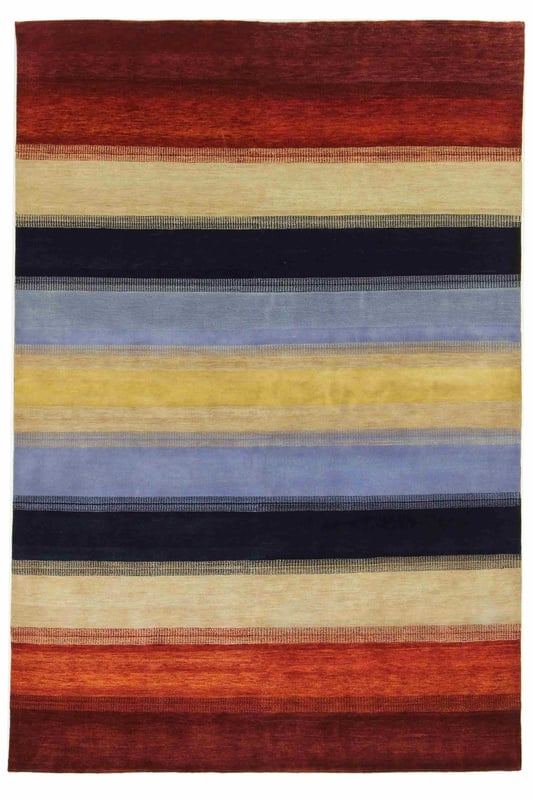
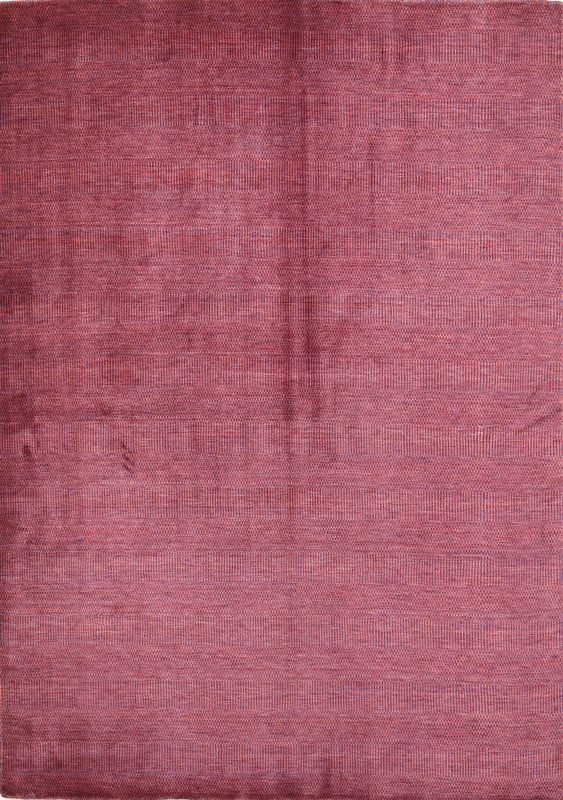
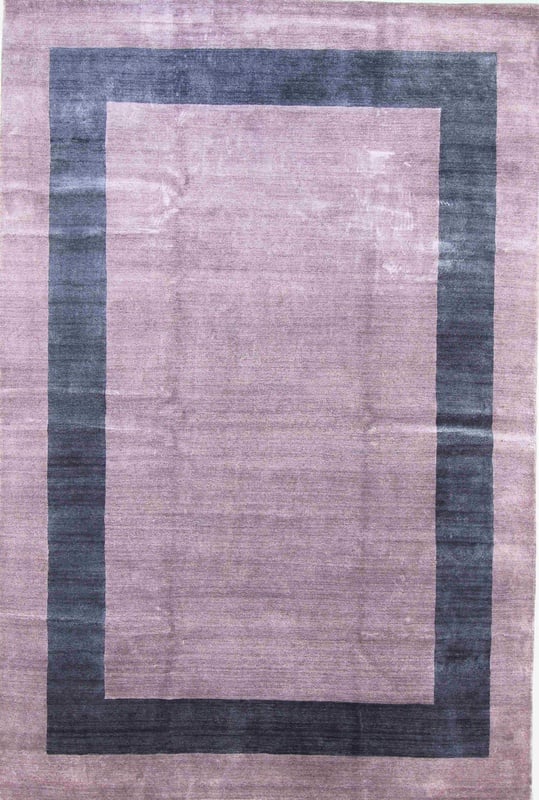
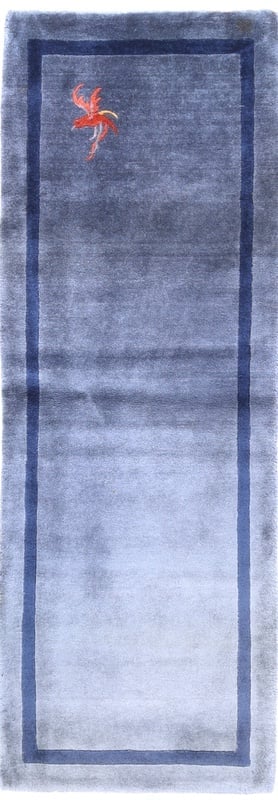
The designs of LoribaftCarpets are often inspired by nature and reflect the environment in which they are made. Typical motifs include geometric shapes, floral patterns, and stylized depictions of animals. In terms of color, LoribaftCarpets often feature earthy tones that are harmoniously combined. This color palette ensures that the carpets fit into any interior and have a timeless appeal.
The meaning of a Loribaft-carpets
cultural identity
LoribaftCarpets are more than just handcrafted products; they are also a symbol of cultural identity. For the producers, these carpets are a heritage passed down from generation to generation. They carry the stories, traditions, and lifestyles of the people who wove them.
The rugs are often given as gifts on special occasions such as weddings or religious celebrations, making them a valuable part of social life. Children learn the weaving and significance of the rugs from an early age, helping to keep the cultural heritage alive.
Aesthetic and emotional values
The beauty and craftsmanship of LoribaftRugs lend a special touch to any room. Their unique character and the variety of designs make them a popular element in interior design. The emotional connection many people have with a family heirloom or memento speaks to the deeper meaning attributed to such rugs.
Care and maintenance of Loribaft-carpets
Regular cleaning
To ensure the beauty and longevity of a LoribaftProper care is essential to ensure the longevity of your carpet. Regular vacuuming helps remove dirt and dust that can accumulate over time. It is recommended to vacuum the carpet every few months, but avoid over-vacuuming to prevent damaging the fibers.
Stain treatment
If stains do occur, it's important to act quickly. Use a clean, dry cloth to blot away excess liquid rather than rubbing. For stubborn stains, a mild soap solution may be helpful, but always be sure to test any cleaning products on an inconspicuous area first.
Professional cleaning
For a thorough cleaning, it is advisable to consult a professional. Professional carpet cleaning can ensure that the Loribaft-The carpet is cleaned gently and effectively, preserving the colors and structure of the material.
The future of Loribaft-carpets
Challenges and opportunities
The future of LoribaftCarpet weaving is characterized by both challenges and opportunities. The tradition of carpet weaving is threatened by modern lifestyles and technologies. Many young people prefer to live in urban environments and find other ways to generate income, thus pushing the craft of knotting into the background.
At the same time, there is a growing global market for antique and handmade carpets. More and more people appreciate the uniqueness and authenticity of Loribaft-Carpets. This interest can help preserve the traditions of carpet weaving and create economic incentives for producers.
Conclusion
LoribaftCarpets are a fascinating example of traditional craftsmanship deeply rooted in Persian culture. With their unique designs, high level of craftsmanship, and cultural significance, they are not simply floor coverings but precious works of art. Caring for and appreciating these carpets can help ensure that the tradition of carpet weaving and the stories they tell remain alive for future generations.
FAQ
What does Loribaft-Unique carpets?
LoribaftCarpets are distinguished by their handcrafted production, the use of natural materials, and their symbolic designs. Each piece tells a story about the culture and lives of the people who created it.
How can I my Loribaft-Clean the carpet?
Regular vacuuming to remove dust and dirt is an important step. For stains, act quickly and use a mild soap solution if necessary. For a thorough cleaning, it's advisable to consult a professional.
Sind LoribaftAre carpets expensive?
Prices for LoribaftCarpets vary in size, design, and craftsmanship. Handmade carpets can be more expensive, but the investment is often justified by their durability and the cultural value they represent.