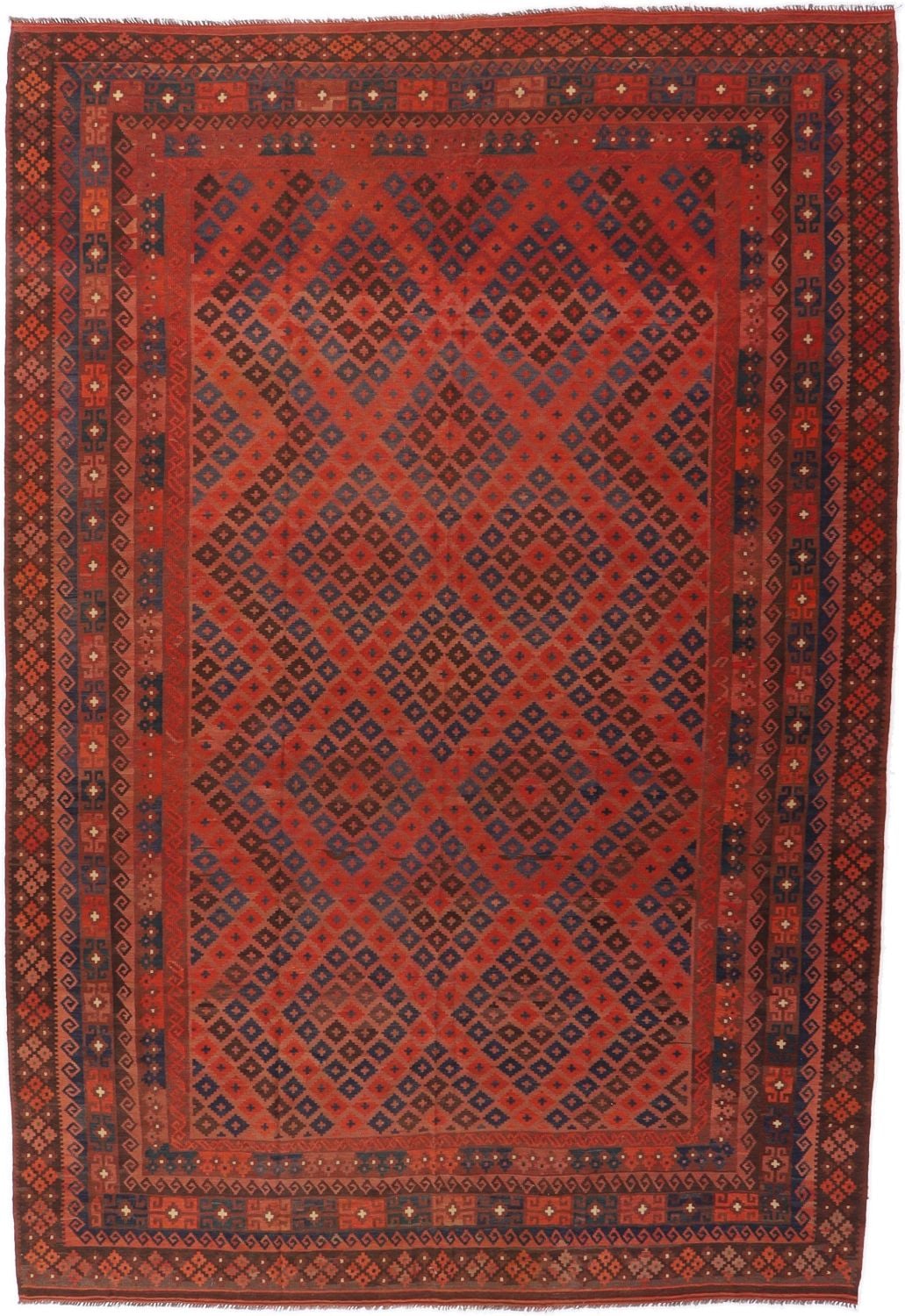
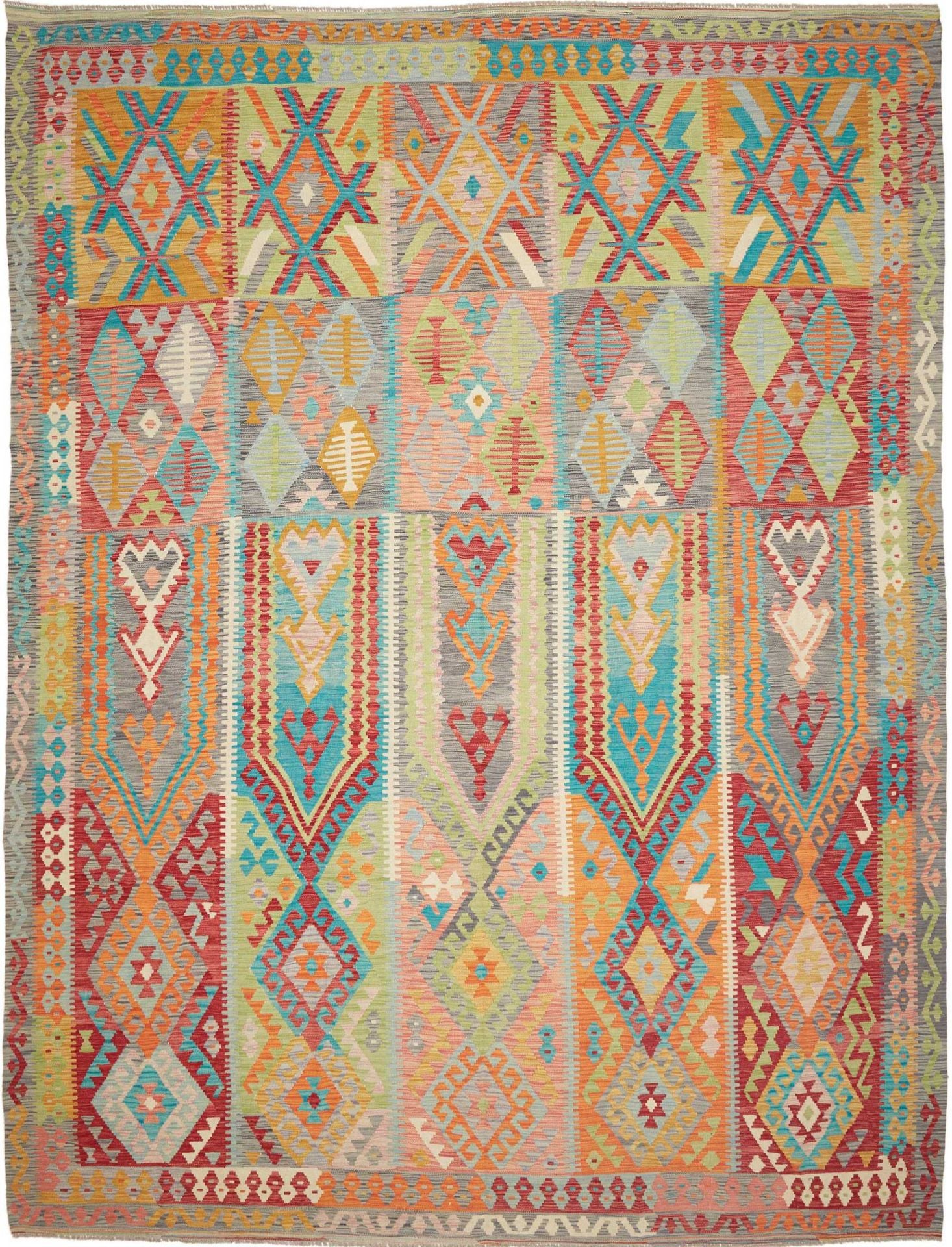
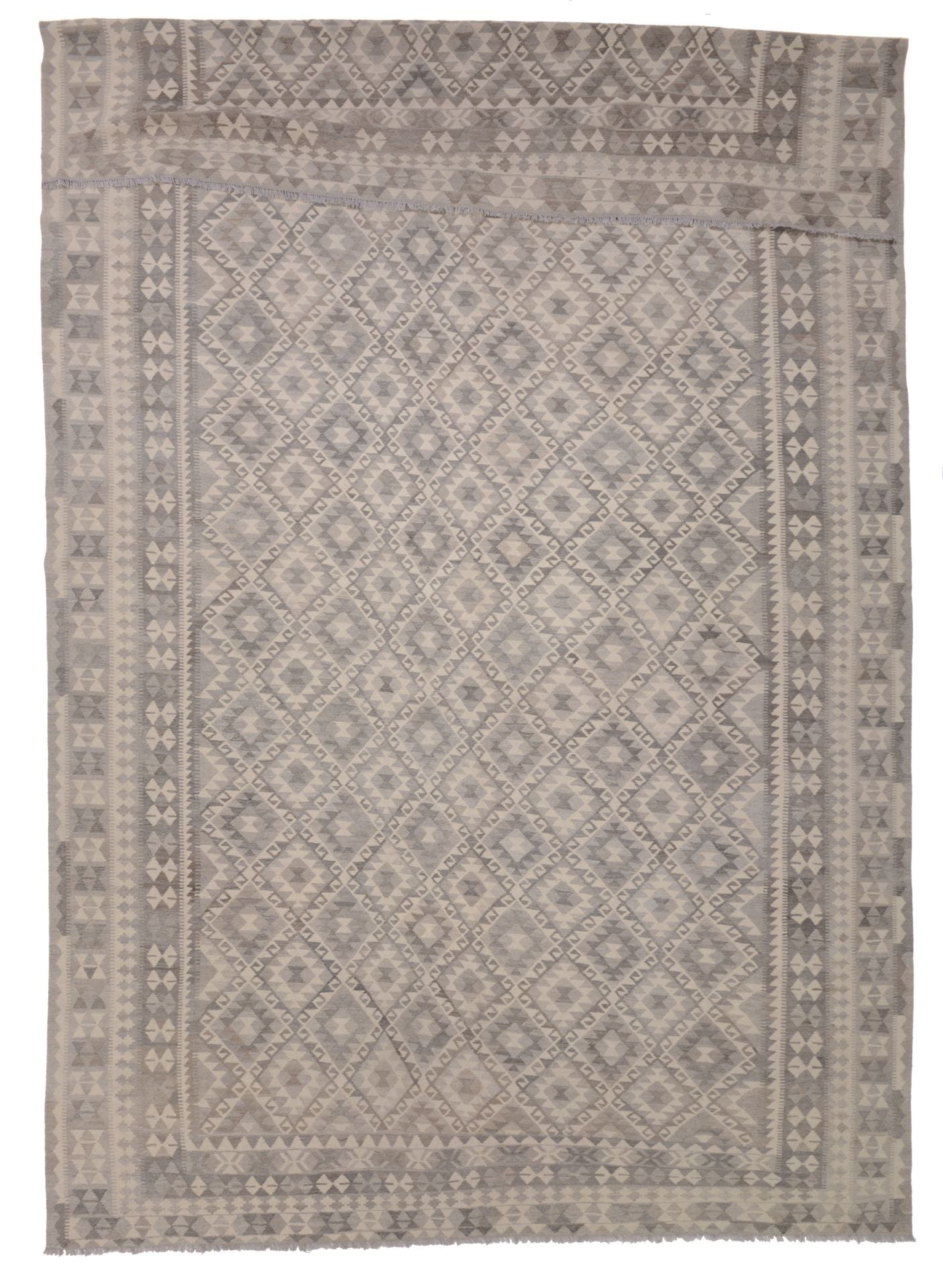
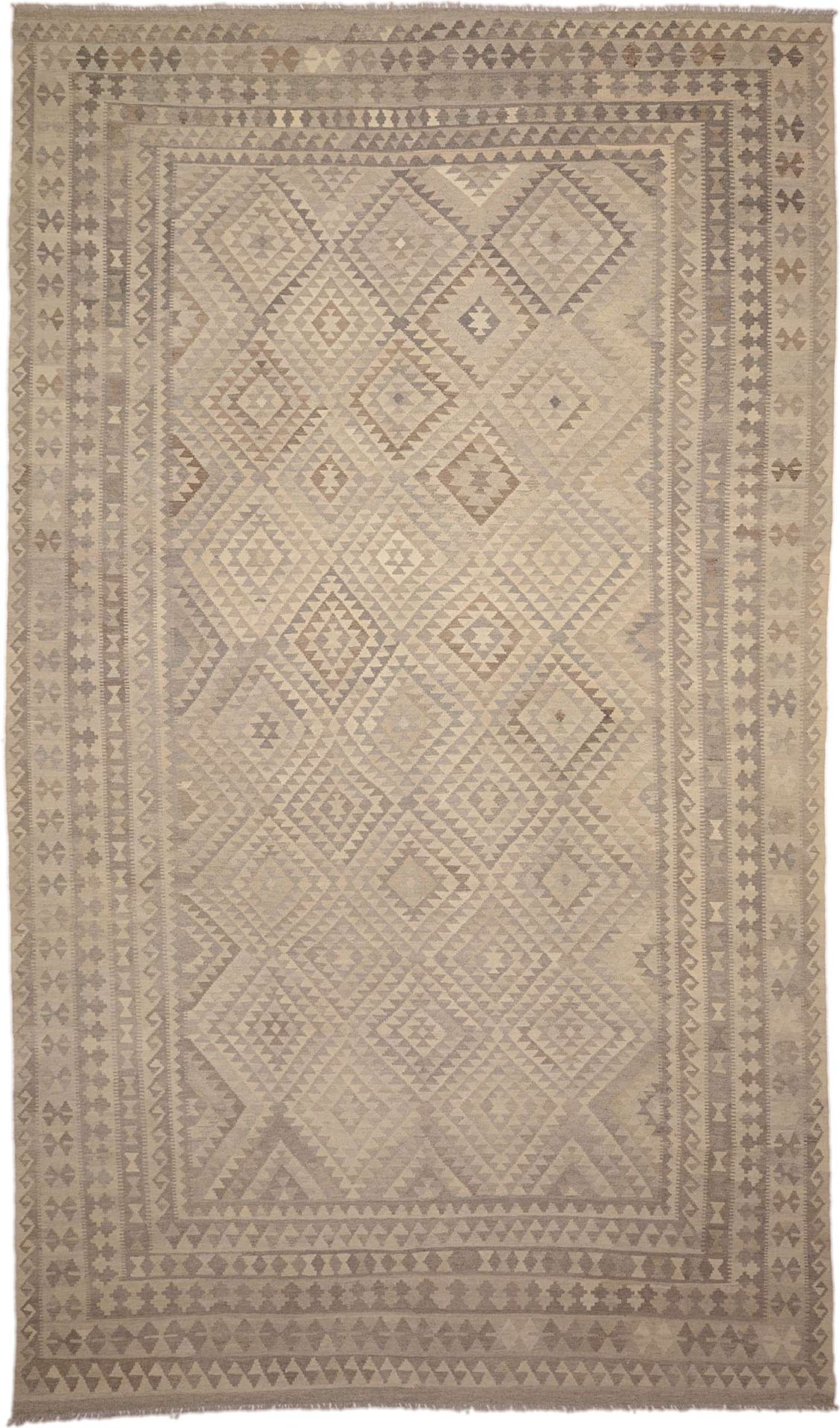
"The fascinating world of Kelim-Carpets: Colorful works of art born from tradition and craftsmanship"
The fascinating world of carpets: tradition, diversity and craftsmanship
Carpets are more than just floor coverings; they are an expression of culture, tradition, and individual aesthetics. In this article, we will explore the impressive variety of carpets, starting with the traditional ones. KelimFrom traditional carpets to modern interpretations, we cover the history, production, various styles and techniques, and care of these beautiful works of art that can add character to any room.
The history of carpets
Carpets have a long and rich history dating back to ancient times. Finds of woven textiles date back to more than 2000 BC. The art of carpet weaving evolved over the centuries in different regions, with each culture developing its own unique style and specific techniques.
The oldest surviving carpets come from the mountainous region of the Caucasus and date back to the 5th century BC. Carpet weaving flourished in the Persian Empire, producing the famous Persian carpets with their complex patterns and vibrant colors. This art evolved over time and was further perfected in many countries, including Türkiye, India, and Morocco.
Kelim-Carpets: Colorful works of art born from tradition and craftsmanship
What are Kelim-Carpets?
KelimCarpets have their roots in nomadic cultures and are produced in many parts of the Middle East, particularly in countries like Turkey, Persia, and Afghanistan. They are characterized by their flat weave, which uses no knots, making them lighter and more flexible. KelimThey are often decorated with geometric patterns and vibrant colors that tell stories or have symbolic meanings.
The manufacture of Kelim-carpets
The manufacturing process of a KelimCarpet making is an elaborate and time-consuming process passed down from generation to generation. Here are the main steps:
material selectionTraditionally, KelimCarpets are made from wool, cotton, or sometimes silk. The choice of material significantly influences the texture and appearance of the carpet.
Dyeing : The wool is often dyed with natural dyes derived from plants, insects, or minerals. This gives each rug its individual color palette and ensures a harmonious overall appearance.
weavingUnlike traditional carpets, KelimThey are woven flat, making them thinner and lighter. This allows for faster production and a different texture.
- Finish and careAfter weaving, the carpet is cleaned and sprayed. Often, KelimIt is also decorated with fringes or decorative elements.
special features and characteristics
The characteristic features of KelimCarpets are characterized by their vibrant colors and geometric patterns. These patterns often carry cultural or spiritual meanings, reflecting the beliefs or lifestyles of the respective society. Added to this are the typically bold, high-contrast colors, which give the carpets a lively appearance.
Other types of carpets and their special features
Persian carpets
Persian carpets are perhaps the most famous and highly prized carpets in the world. They are characterized by their high knot density, lavish designs, and intricate motifs. Each carpet tells its own story and often represents a specific region or style. The most famous regions for carpet production are: Tabriz, Isfahan and Kashan.
Oriental carpets
Oriental rugs are available in many different shapes and styles, often featuring historical patterns and designs. Many oriental rugs are hand-knotted and feature complex motifs inspired by nature or mythology.
Modern carpets
Over the past few decades, rug craftsmanship has evolved, with modern rugs often featuring minimalist designs and unconventional materials. The use of synthetic fibers and innovative manufacturing techniques has led to fantastic new designs that bring a breath of fresh air to contemporary living spaces.
The correct selection and placement of carpets
Choosing the right carpet
Choosing the right rug depends on both personal preference and practical considerations. Here are some points to consider when choosing a rug:
Size : Measure the available space and decide how much floor you want to cover. A rug can serve as a focal point in the room or define areas.
Color and pattern : Consider the existing color palette and the design of your room. A bold patterned rug can add a wonderful accent color, while a solid-colored rug can serve as a neutral backdrop.
- MaterialConsider where the rug will be placed. Durable materials like wool or synthetic fibers are ideal for high-traffic areas, while more delicate materials are suitable for less-used rooms.
placement
The placement of the rug is crucial to creating a harmonious impression in the room. Here are some tips for optimal placement:
Under furniture : In living rooms, it's often nice to place the rug under the furniture, so that the furniture is standing on the rug. This creates a cohesive and inviting look.
Accentuation : Rugs can highlight specific areas in a room, such as a reading nook or a dining area. In this case, the size and design of the rug should harmonize with the furniture.
- Layering: The trend of layering multiple rugs has emerged in recent years. This can add interesting texture and make the room feel more cozy.
Care and maintenance of carpets
Proper care is crucial for the longevity of your carpets:
Regular vacuuming : This is especially important for carpets with long fibers. Vacuuming removes dirt and dust that can damage the carpet fibers.
Removing stains : Treat stains immediately to prevent them from penetrating the fibers. Use suitable cleaning agents and towels to gently blot the stain.
Professional cleaning : Have your carpets professionally cleaned regularly, especially if they are older or prone to soiling. This will preserve the colors and structure of the carpet.
- Adjust positioning: Be sure to rotate the rug when necessary to ensure even wear. Direct sunlight can fade the colors over time.
Final section
Carpets are more than just decorative elements; they possess cultural and historical value, reflected in their designs and methods of production. The sheer endless variety of carpets, from traditional to contemporary, is truly remarkable. KelimFrom classic designs to modern styles, there's something for every taste and interior design style.
Choose wisely, care for your work of art, and enjoy how a rug not only adorns the floor but also enhances the room. By following the right selection and care instructions, you can ensure your rug remains a part of your home for generations to come.
FAQ
1. How can I find out if a carpet is hand-knotted or machine-made?
Hand-knotted rugs often have irregular patterns because each knot is tied by hand. They exhibit a high level of detail and are often associated with a higher price. Machine-made rugs, on the other hand, have more uniform patterns and usually have straight edges.
2. How often should I clean my carpet?
We recommend having your carpet professionally cleaned every six to twelve months. Regular vacuuming is also important to remove dirt and dust and extend the lifespan of the carpet.
3. What size carpet is suitable for my room?
The size of the rug should always be proportionate to the size of the room and the furniture layout. Generally, the rug should be placed under the furniture or at least partially surround it to create a cohesive look. Additionally, the size of the rug should be measured when purchasing to ensure it fits the room.