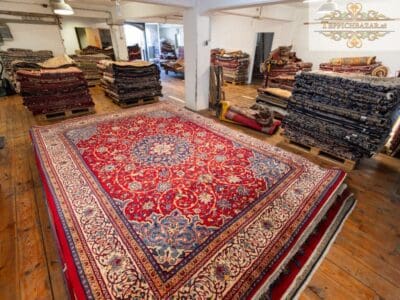
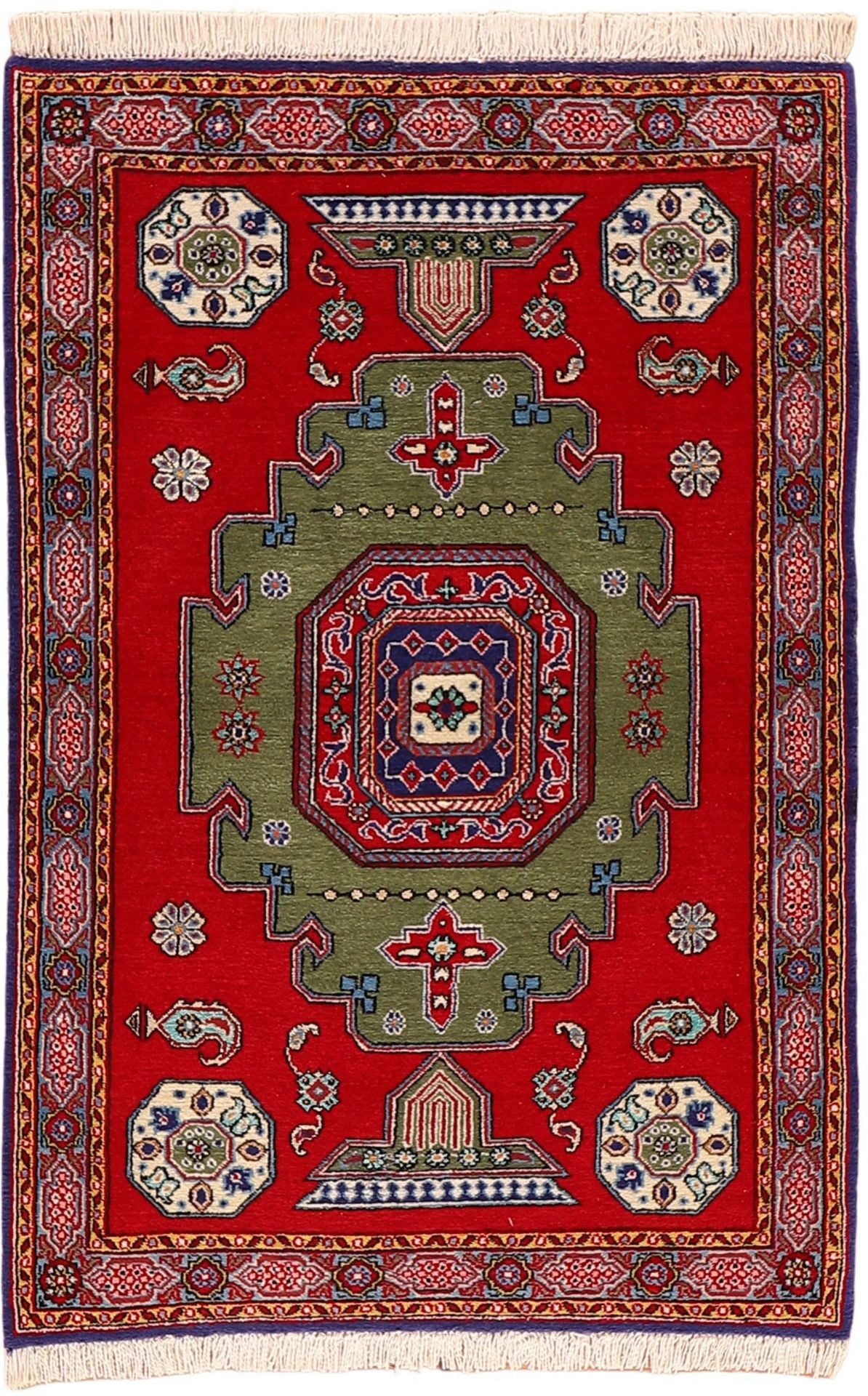
“The fascinating world of Caspian Sea carpets: craftsmanship and tradition from the heart of the region”
The fascinating world of carpets: handicrafts and traditions from around the world
Introduction
Carpets are far more than just floor coverings; they are works of art passed down from generation to generation. Carpets have a rich history in different cultures and regions and often carry deep symbolic meanings. This article provides insight into the fascinating world of carpets, their production, the different styles, and the culture and traditions associated with them.
The history of carpets
Carpets have a long and rich history dating back to ancient times. Historical finds show that carpets have been woven for several thousand years, and they were often a sign of wealth and prestige. The oldest known carpets come from present-day Russia, particularly the Altai region. The famous Pazyryk carpet, dating from the 5th century BC and discovered in 1949, is considered one of the oldest examples of elaborate carpet weaving.
Regional styles and traditions
The variety of carpet designs is impressive, and each carpet often reflects the culture and traditions of its region. Some of the most famous regions for carpet production are:
Persian carpets
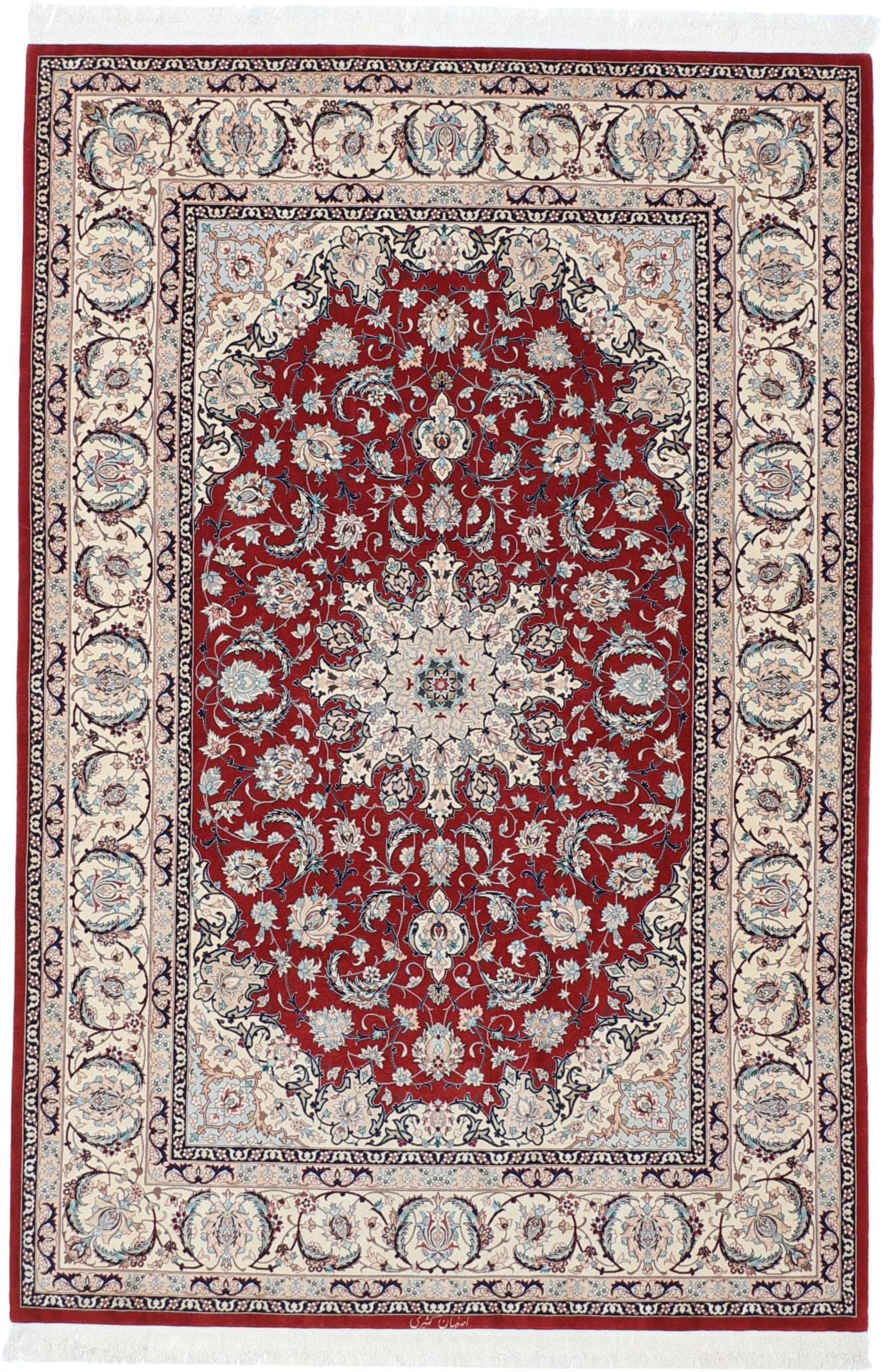
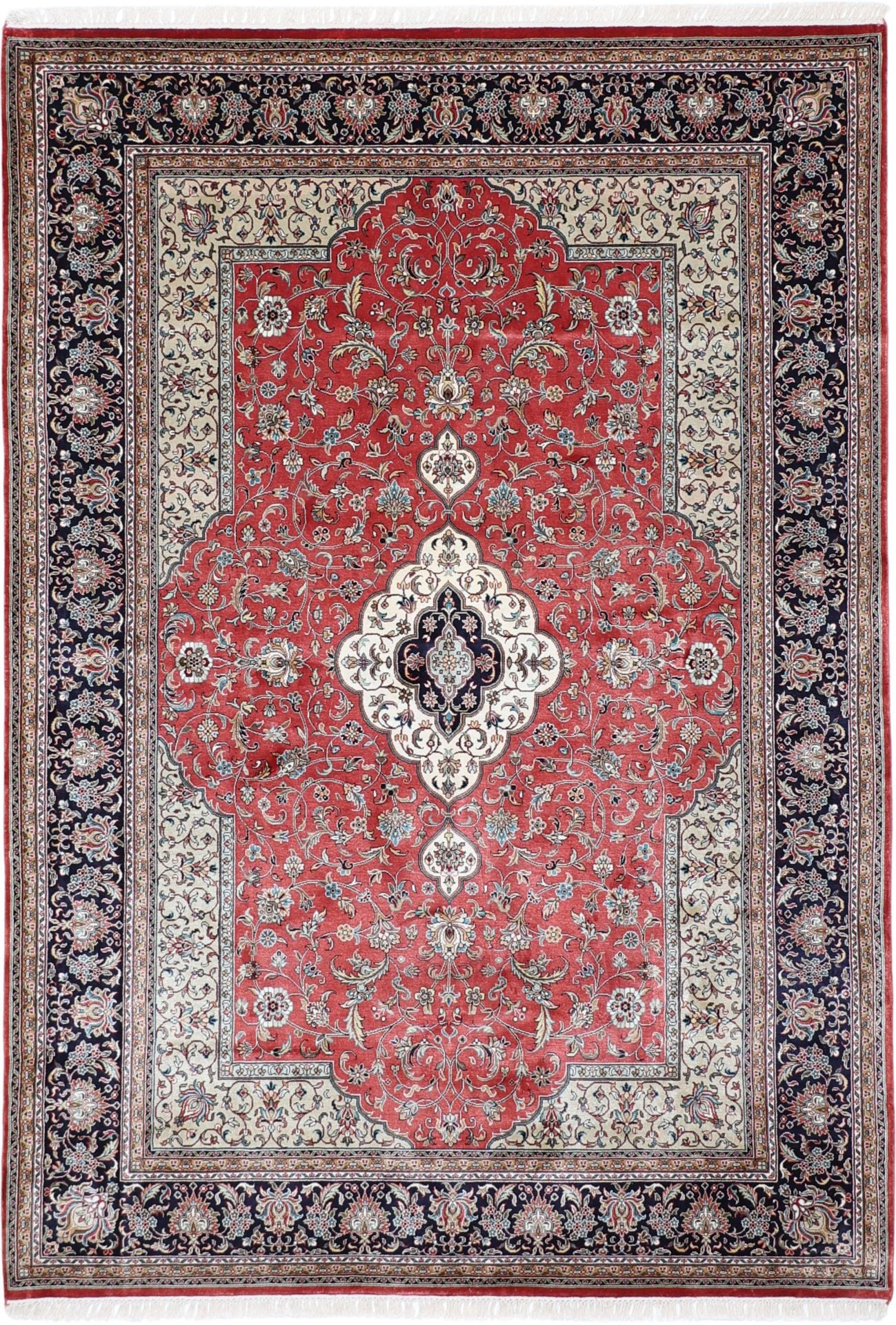
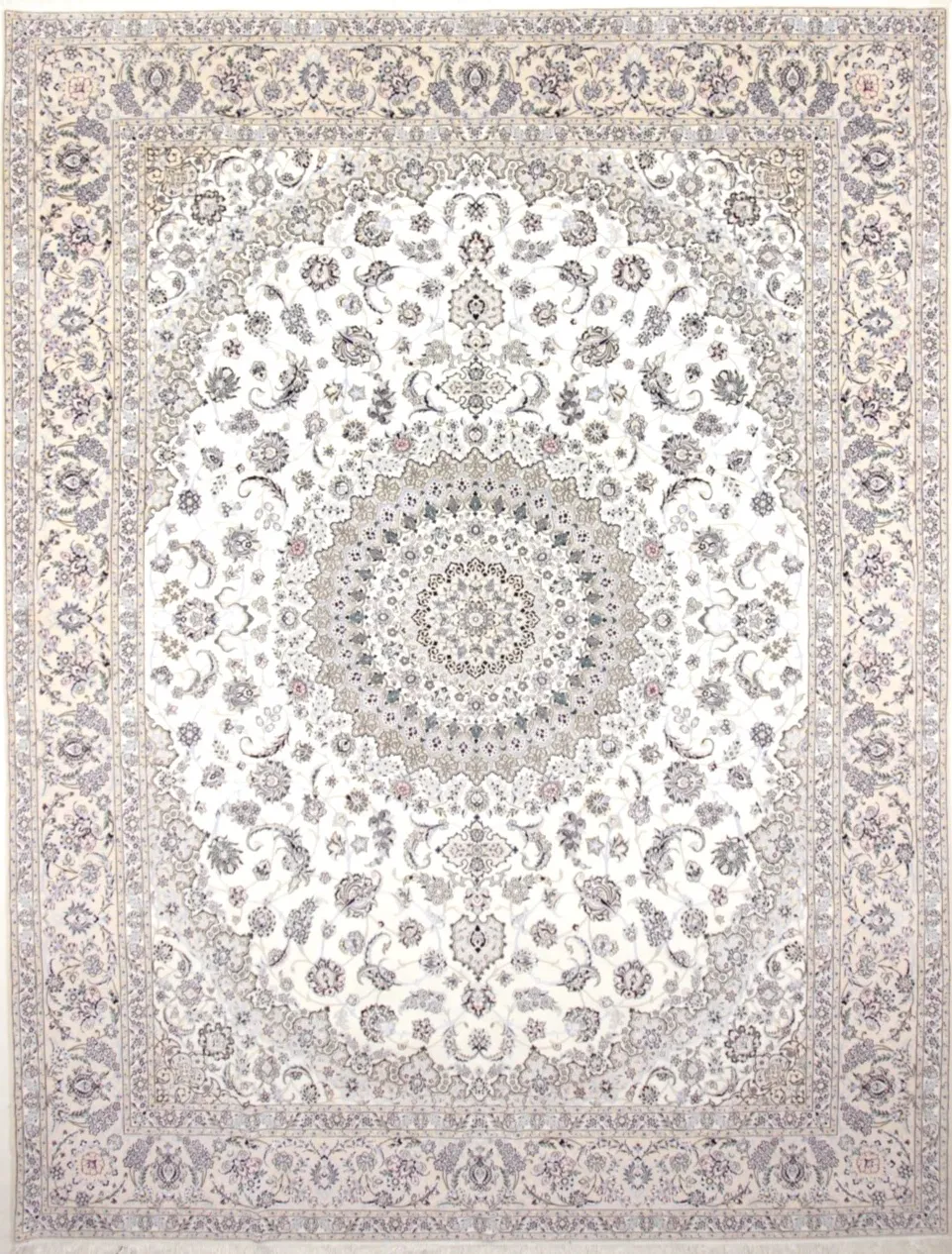
Persian carpets are among the most famous in the world. They are often made of wool, silk, or a combination of both materials and are distinguished by their intricate patterns and vibrant colors. The designs vary from region to region, and well-known cities such as... Isfahan, Tabriz and Kashan are known for their unique carpet styles.
Turkish carpets
Turkish carpets are known for their use of geometric and floral patterns. They are often vibrantly colored and have a traditional character. The most famous carpets come from regions such as Anatolia, where the art of carpet weaving has been practiced for centuries.
Indian carpets
Indian rugs, especially those from the Agra or Jaipur region, are known for their use of fine materials such as silk. They often feature ornate designs inspired by Indian culture and mythology. The use of vibrant colors and intricate patterns makes Indian rugs a popular choice for many homes.
Afghan carpets
Afghan rugs are often decorated with traditional patterns and symbols that reflect the history and beliefs of the Afghan peoples. These rugs are generally quite robust and can withstand the rigors of daily use.
The art of carpet making
Making a rug is a laborious process that requires a great deal of skill and patience. Keep an eye out for the different stages:
Materials
The choice of materials is crucial for the quality of the rug. Traditionally, wool, silk, and cotton are used. Wool is durable and provides a dense texture, while silk is lustrous and soft and is often used for more luxurious pieces.
design and pattern
Before weaving can begin, the carpet's design is carefully planned. Artist sketches and graphic representations show the distribution of patterns and colors. In some regions, the motifs are passed down from generation to generation.
The knotting process
Carpet weaving is a meticulous craft. Most traditional rugs are hand-knotted, which can take several months to years to complete, depending on the size and complexity of the design. Weavers use specialized knotting techniques specific to each style.
Dyeing the wool
The wool is usually dyed using natural dyes obtained from plants, minerals, and insects. These traditional techniques create a unique color palette and give each rug its own character.
The significance of carpets in culture
Carpets play a central role in many cultures. They are not only functional objects but also symbols of their respective cultural heritage. In many countries, carpets serve as status symbols, and certain designs can represent wealth and power. They are often part of religious practices, such as at weddings or in temples.
Care and cleaning of carpets
A carpet is an investment, and proper care can significantly extend its lifespan. Here are some tips:
Regular vacuuming
To remove dust and dirt, carpets should be vacuumed regularly, ideally weekly. This prevents dirt from penetrating the fibers.
stain removal
When it comes to stains, it's important to act immediately. Use a clean, damp cloth and gently dab the stain—never rub, as this can damage the fibers.
Professional cleaning
Regular professional cleaning can help preserve the beauty and longevity of your carpet. Experts use specialized techniques and products tailored to each carpet type.
Carpets in interior design
Rugs are an important part of interior design and contribute to a room's atmosphere. They can add color, texture, and warmth to a space. Here are some ideas for using rugs in your home:
Add color accents
A colorful rug can enhance a neutral room and become a focal point. Take advantage of the opportunity to combine different colors and patterns.
Create zones
Rugs can help define different areas in open spaces, such as separating the living room from the dining area.
Add texture
Rugs in different materials and textures can add dimension to a room. Combine similar colors to create a harmonious overall look.
Conclusion
Carpets are more than just floor coverings; they are an expression of art, culture, and craftsmanship. They tell stories and bring the traditions of their countries of origin into our homes. Whether you are looking for a classic Persian carpet or a modern one... DesignerRugs are a beautiful and versatile piece of furniture, adding warmth and personality to any room. Invest in a rug and enjoy the variety and beauty it brings to your home.
FAQ
1. How do I recognize the quality of a carpet?
The quality of a carpet can be determined by several factors, including the number of knots per square meter, the materials used, and the craftsmanship. Hand-knotted carpets are generally of higher quality than machine-made ones.
2. How can I protect my carpet from damage?
To prevent damage, you should clean your carpet regularly, avoid direct sunlight, and protect it from excessive dirt and moisture. Use furniture protectors to prevent pressure marks.
3. Are all carpets allergy-free?
Not all rugs are hypoallergenic. Some rugs can attract allergens such as dust and pollen. When purchasing, look for materials and care instructions that are hypoallergenic, especially if you are sensitive to allergens.