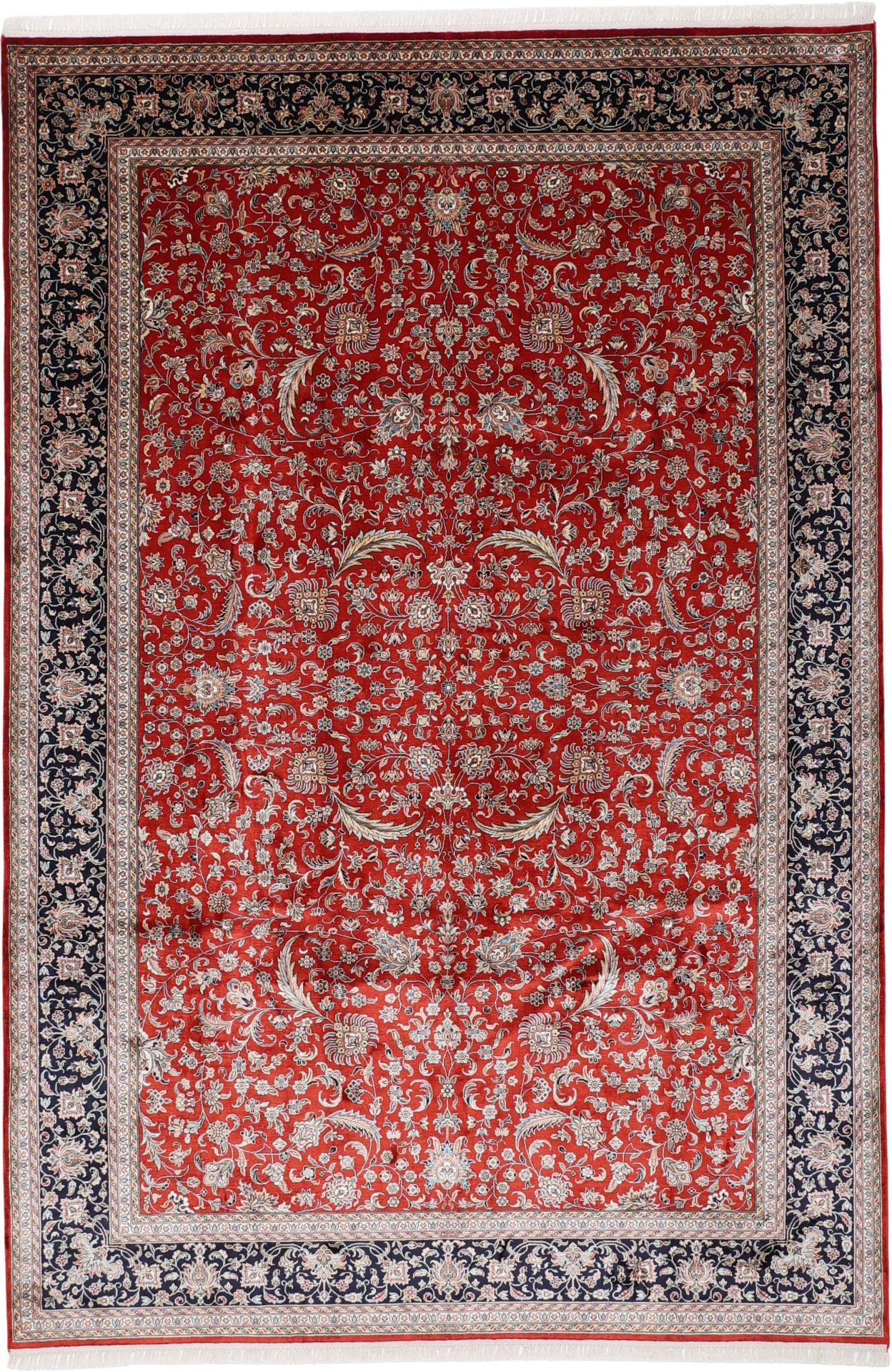
The fascinating world of Indian carpets: craftsmanship and history in every thread
The fascinating world of carpets: craftsmanship and history in every thread
Carpets are more than just floor coverings. They are works of art that tell stories, reflect cultures, and embody craftsmanship. Carpet making has a long and colorful history in many cultures, especially in India. In this article, we take you on a journey through the world of carpets, their origins, types, and the significance they hold in different cultures.
The history of carpets
The origins of carpet weaving can be traced back to ancient times. The oldest known knotted carpet, the Pazyryk Carpet, was discovered in Siberia and dates back to the 5th century BC. Carpets were originally used as practical items to cover floors and provide warmth. Over time, they evolved into works of art that were not only used in homes but also displayed and presented.
In India, carpet making has its own special significance. The art of carpet weaving has been passed down from generation to generation over the centuries, and the different regions of the country have developed their own distinctive styles and techniques.
The diversity of Indian carpets
Indian carpets are known for their variety and exquisite designs. The most popular types of Indian carpets are:
- Kashmiri-carpets: Originating from the Kashmir region, these rugs are known for their fine wool and intricate patterns, often inspired by nature.
- Persian carpets: These are unsurpassed in quality, with complex designs that often tell historical or mythological stories.
- Bhadohi carpets: These carpets come from the state of Uttar Pradesh and are known for their patience and attention to detail in the knotting technique.
- Jaipur carpets: Jaipur carpets are characterized by their bright colors and modern designs, perfect for contemporary interiors.
The art of carpet weaving
Making a rug is a lengthy process that requires both skill and patience. Steps in this process include:
1. Material selection
The choice of material is crucial to the quality of the rug. Most Indian rugs are made of wool, silk, or a combination of both. Wool is known for its durability and warmth, while silk adds a luxurious feel and sheen.
2. Design and sampling
Before the actual weaving process begins, a detailed design is created. This is often done using so-called "carpet samples," which serve as a template for the workers.
3. Knotting
The knotting process can take anywhere from a few weeks to several months, depending on the size and complexity of the rug. During knotting, the knots are tightly woven into the base of the rug, resulting in a durable and stable product.
4. Washing and dyeing
After knotting, the rug is washed to remove excess dyes and ensure softness. Natural dyes derived from plants and minerals are often used to color the rugs and give them a special atmosphere.
The cultural significance of carpets
In some cultures, rugs are more than just home accessories; they are an expression of identity and heritage. In India, for example, certain designs and colors can reveal a family's origins and social status.
Carpets are also part of traditional ceremonies and celebrations. At weddings and other festive occasions, special carpets are often used to decorate the festive space.
Care and maintenance of carpets
Proper care is essential to ensure the longevity of a carpet. Here are some tips:
- Regular cleaning: Vacuum your carpet regularly to remove dust and dirt.
- Treat stains immediately: If soiled, stains should be treated immediately to avoid permanent damage.
- Avoiding direct sunlight: UV light can fade the colors of carpets, so keep your carpets away from direct sunlight.
- Professional cleaning: Have your carpet professionally cleaned every few years to ensure deep cleaning.
Carpets as an investment
Carpets, especially if they are of high quality and well-preserved, can represent a significant investment. Many collectors and enthusiasts specifically seek out Indian carpets that have both aesthetic and historical value.
A well-maintained rug collection can increase in value over the years. However, it's important to pay attention to authenticity when purchasing and to turn to trusted dealers who are transparent about the origins of their products.
Conclusion: Carpets as an expression of art and history
Carpets are not just functional objects, but an expression of a rich cultural tradition and craftsmanship. Whether they tell stories from the past or reflect current style trends, each carpet demonstrates the passion and skill of the people who make them. They add character and warmth to any room and are an investment that can shine in the right light. Indian carpets, in their diversity and beauty, invite us to become part of our home decor and share their stories with us.
FAQ about carpets
1. How do I recognize a high-quality carpet?
A high-quality rug typically has a dense knot count, which can be easily seen on the back of the rug. The more knots in a particular area, the more detailed and robust the rug. Materials such as high-quality wool or silk are also an indicator of quality.
2. How long do carpets last?
The lifespan of a carpet depends on several factors, including quality, use, and care. High-quality hand-knotted carpets can last for many decades, while machine-made carpets generally have a shorter lifespan.
3. Do carpets cause allergies?
Carpets can trap allergens like dust and pollen, so regular cleaning is important. However, there are also allergy-friendly materials and carpets that are effective against allergens and suitable for sensitive individuals.