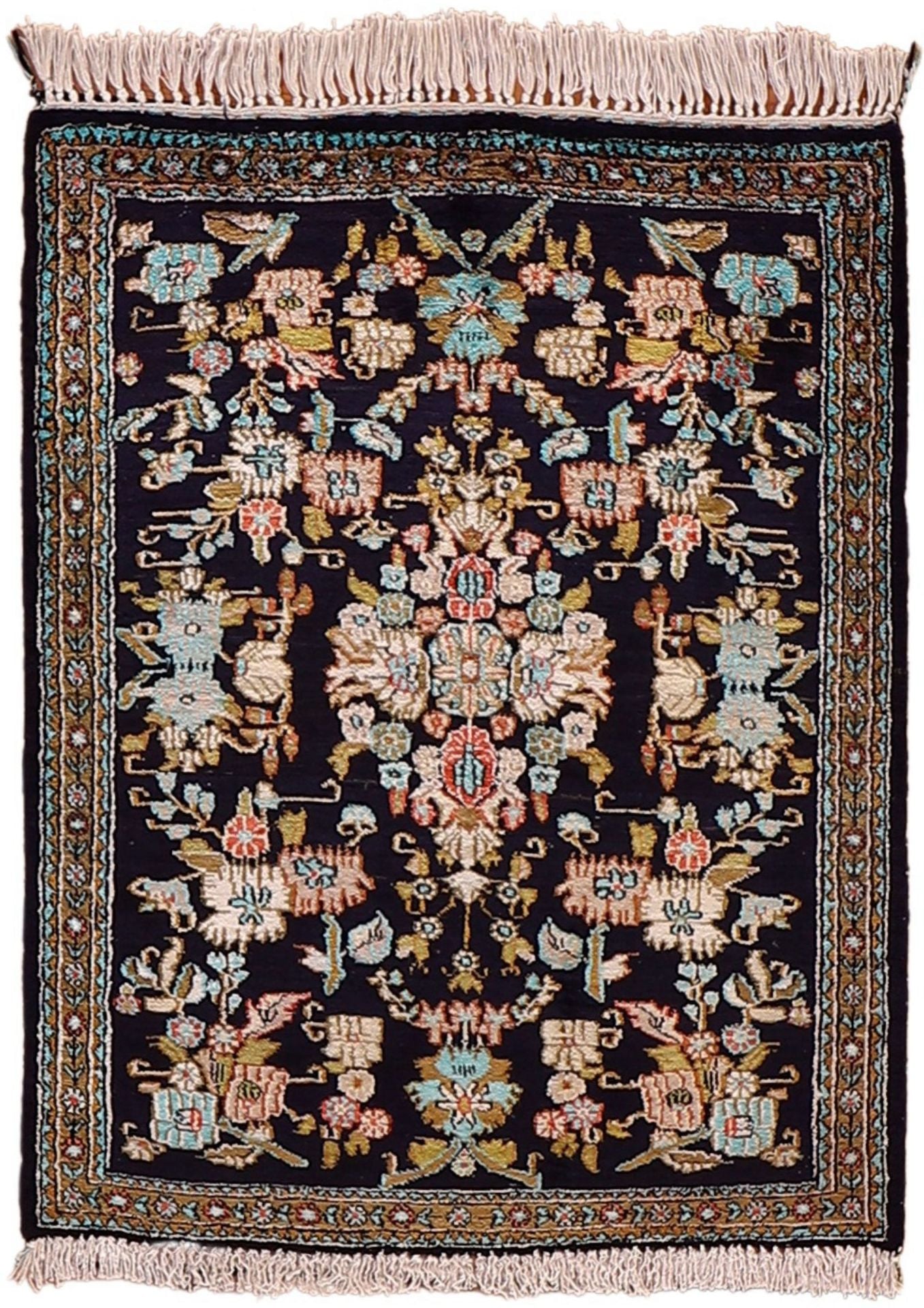
The fascinating world of Chinese provincial silk: tradition, craftsmanship and modern innovations
Carpets: Tradition, craftsmanship and modern innovations
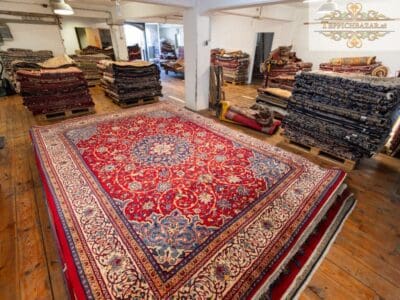
Carpets are not just simple floor coverings; they are an expression of art, culture, and craftsmanship. For centuries, carpets have played a significant role in different parts of the world, with each region developing its own traditions and techniques. In this article, we will explore the fascinating world of carpets, analyze their artisanal heritage, and examine modern innovations that breathe new life into these timeless works of art.
The history of carpet craftsmanship
Origins of the carpet
The history of the carpet dates back to ancient times. Some of the oldest known carpets come from Central Asia, such as the famous Pazyryk carpet, discovered in a tomb in the Altai Mountains. This carpet, dated to the 5th century BC, already demonstrates the high manufacturing standards and artistic skill that characterized the carpet craft.
Carpet production through the centuries
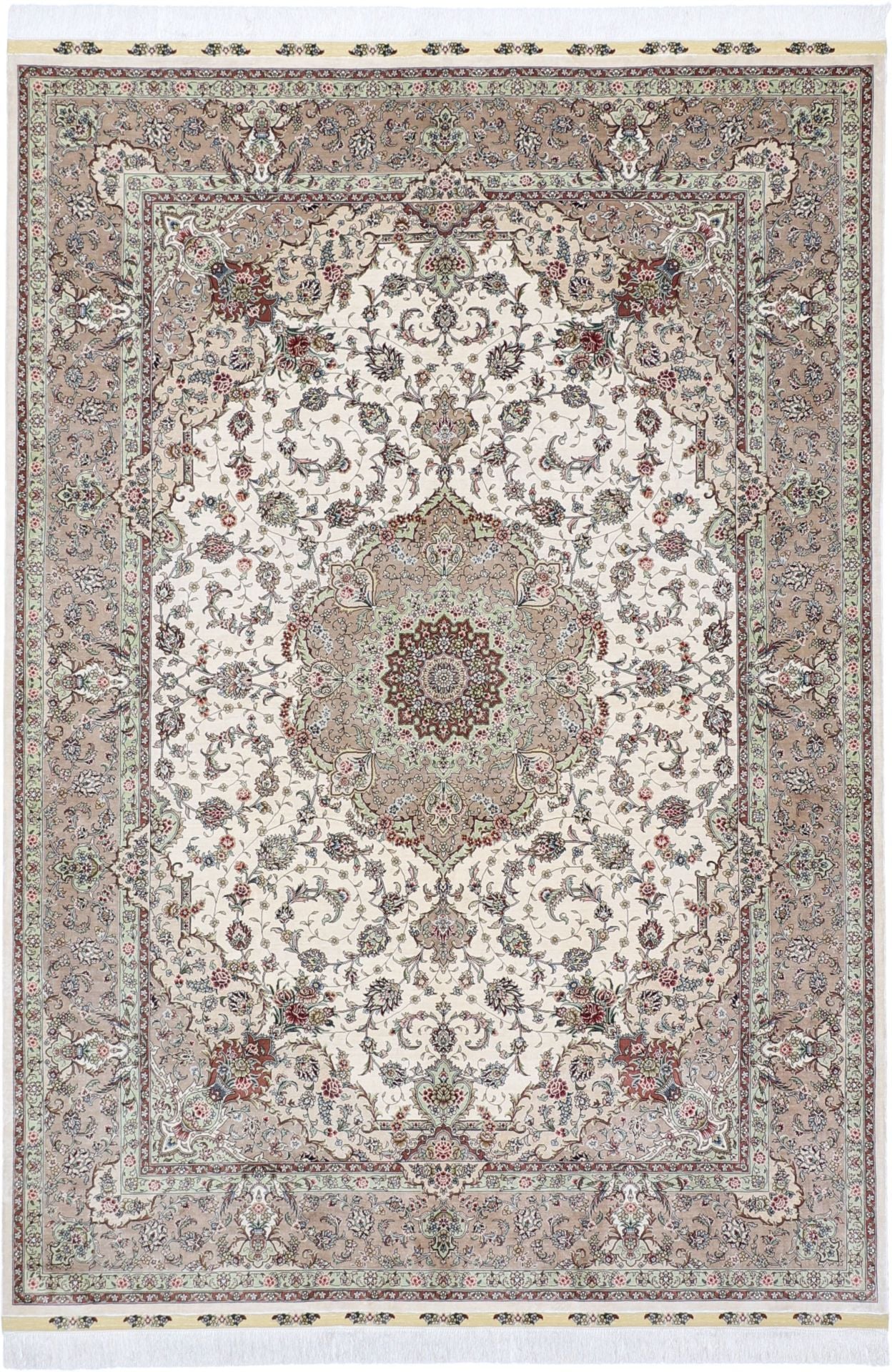
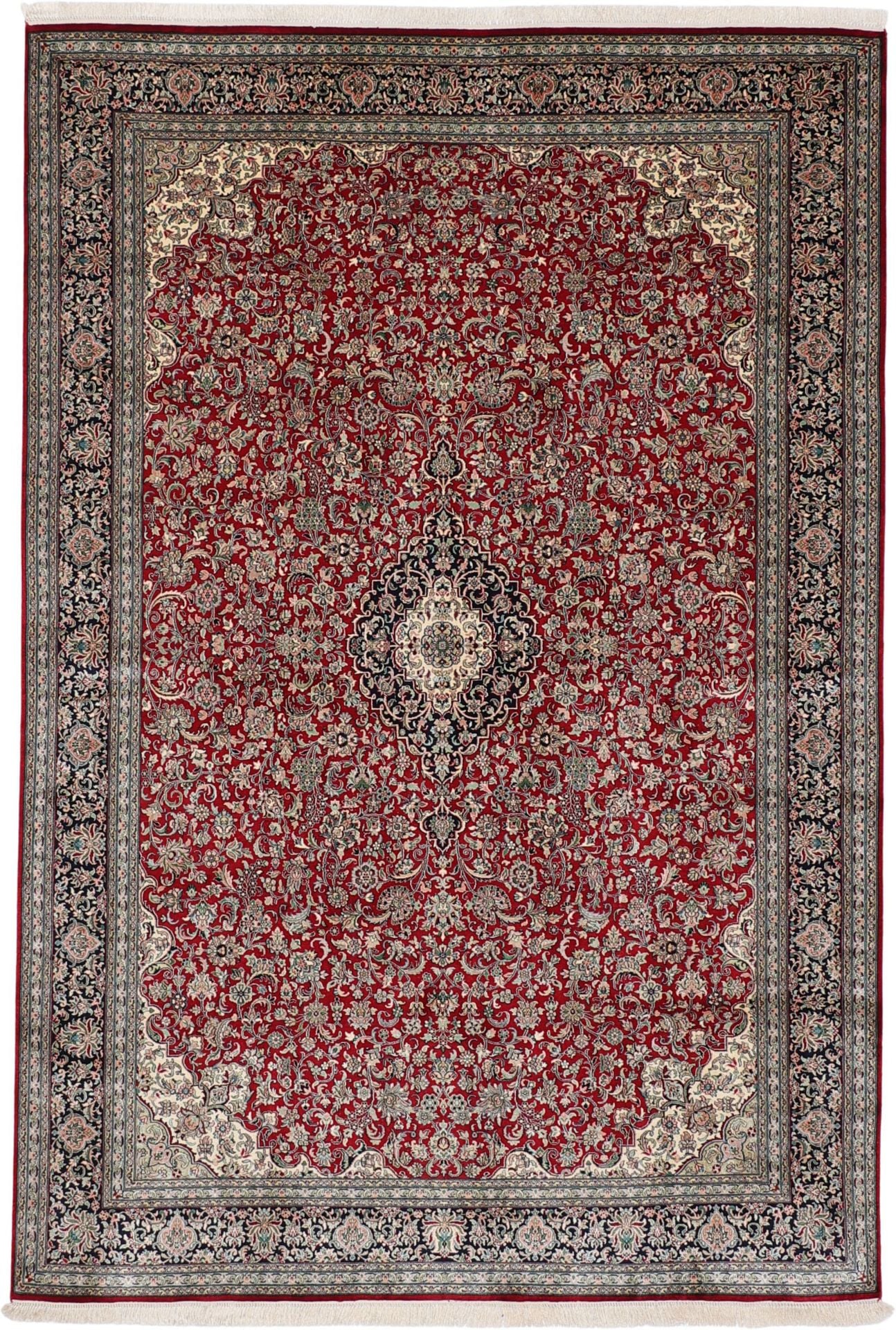
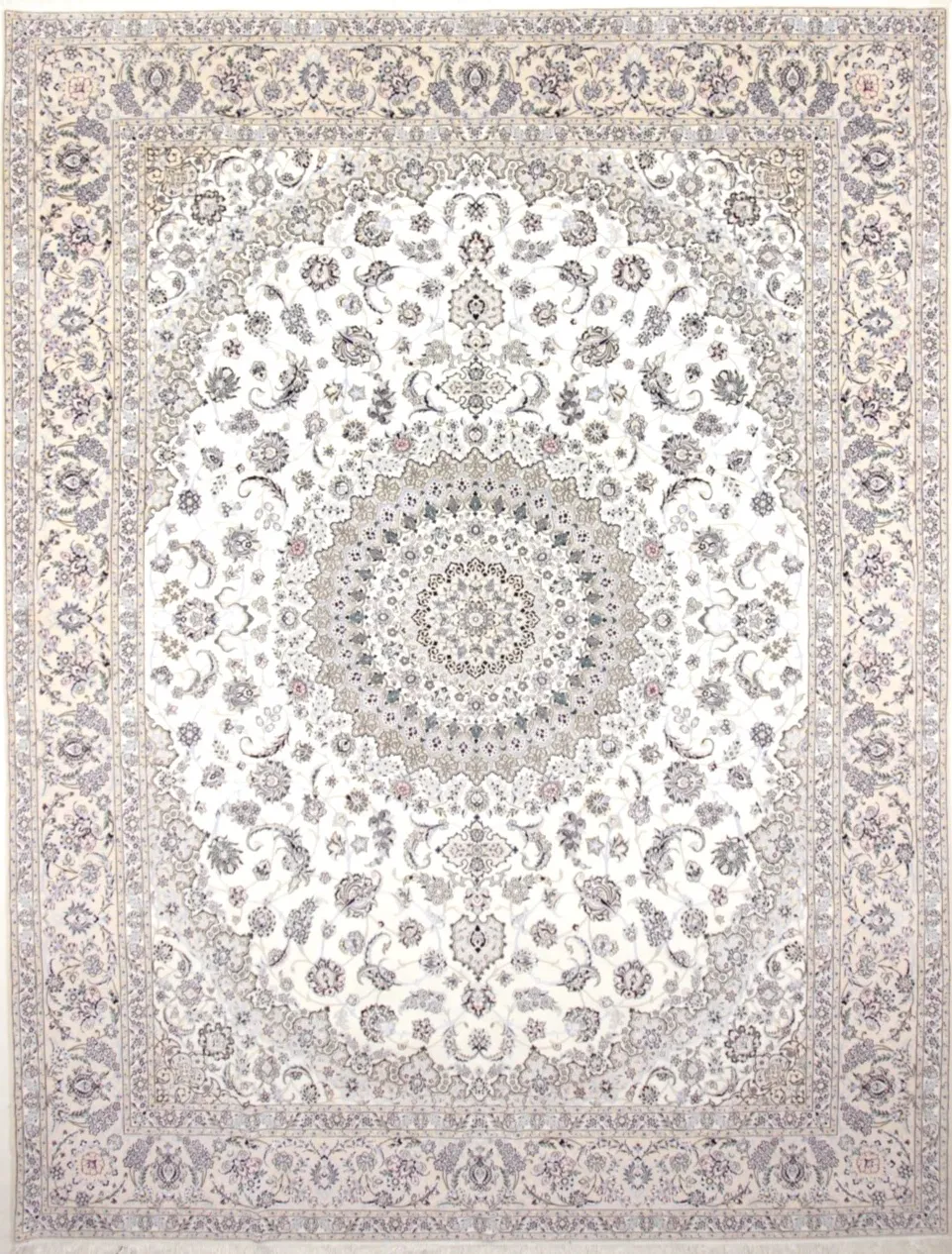
Over the centuries, carpet craftsmanship spread to different regions. Persia, the Caucasus, Turkey, and India each developed their own styles and techniques. Persian carpets are known for their intricate patterns and vibrant colors, while Turkish carpets often feature geometric designs inspired by the traditions of nomadic peoples.
Regional styles and influences
Each region has developed its own style, influenced by cultural, climatic, and economic conditions. Oriental carpets are often rich in symbolism and reflect the histories and traditions of the respective peoples. In recent decades, the influence of Western art and design has also led to a new wave of carpets that blend traditional and modern styles.
The manufacturing process
Materials
The choice of materials is crucial to the quality of a carpet. Most high-quality carpets are made of wool, cotton, silk, or a combination of these materials.
Wool : Soft, durable, and able to absorb dye well. Wool is the most common raw material for carpets.
Cotton : Often used for the background or basic structure, cotton offers good robustness and is cheaper than wool.
- SilkSilk: A luxurious material that offers impressive color depth and luster. Silk carpets are often very expensive and are typically used in more elaborate designs.
Weaving techniques
The art of carpet weaving is a precise and time-consuming task. There are several techniques used in carpet making, including:
Knot weaving : This technique is the most common for hand-knotted carpets. Each knot is made individually, resulting in a dense and detailed pattern.
Weaving : In this technique, materials are interwoven using a loom. This method often results in fluttering designs and greater production efficiency.
- Braiding and sewing: These techniques are often used for carpets that have a special texture or shape.
craftsmanship
Carpet weaving has required extensive skills and techniques for generations. It is a true art form that requires meticulous attention to detail, color, and pattern. Traditionally, the knowledge of carpet weaving is passed down from parent to child, meaning this art is often deeply rooted in a people's culture and traditions.
Modern innovations
Sustainable materials
Sustainability is becoming increasingly important these days. Many carpet manufacturers are using eco-friendly and sustainable materials to minimize the environmental impact of their craft. This includes the use of biodegradable dyes and recycled materials.
Technology in carpet production
Modern technologies have also taken over the carpet market. Computer-aided designs and automated weaving machines allow manufacturers to develop more efficient production processes and produce colorful and complex patterns more quickly. This has also made carpets more affordable, allowing a wider range of customers to enjoy high-quality carpets.
Mixing tradition and modernity
An interesting phenomenon of recent centuries is the blending of traditional and modern carpet designs. Many artists and Designer They experiment with classic patterns and integrate modern elements and color combinations. This results in unique carpets that look stunning in both modern and traditional settings.
The role of carpets in interior design
Carpets as a design element
Rugs are not only functional; they are also important design elements in interior design. They can define a space and add character. The choice of rug can change the entire ambiance of a room by complementing or contrasting colors and textures.
comfort and warmth
Beyond their aesthetic appeal, rugs also offer practical benefits. They insulate the floor, providing extra comfort and warmth, especially in colder climates. A soft rug can make the difference between a cold, hard floor and an inviting, cozy room.
Different room types
Living room : Here, carpets can be used as a central element of the design to divide a room and define the seating areas.
Bedroom : A rug can bring warmth and coziness to a bedroom and gently cushion the floor.
- Office : In the office area, carpets can help to dampen sound and create a quiet atmosphere.
Care and cleaning of carpets
Regular maintenance
Carpet care is crucial to extending its lifespan. Basic maintenance includes regular vacuuming to remove dust and dirt particles. Use a vacuum cleaner without rotating brushes to avoid damaging the fibers.
stain removal
When cleaning stains, it's important to act quickly. For liquids, use an absorbent cloth immediately to soak up the spill. For stubborn stains, there are special carpet cleaners available – always follow the manufacturer's instructions!
Professional cleaning
For deeper cleaning and care, you may want to consider a professional cleaning service. This is especially important for valuable hand-knotted rugs, as improper cleaning methods can damage the fabric.
Buying carpets
Colors and patterns
Choosing the right rug for your home can be challenging, as there's a seemingly endless array of colors, patterns, and textures available. Consider the mood you want to create in your space: Light colors can brighten the room, while dark colors create a cozy atmosphere.
Check quality
When purchasing, pay attention to the quality of the rug. High-quality rugs are often thicker and have better craftsmanship. Check the knot count—the higher the knot density, the more detailed and durable the rug will be.
Budget
Set a realistic budget and be prepared to invest more for quality. High-quality rugs are durable and can be treasured for generations.
Conclusion
Carpets are far more than just decorative floor coverings; they represent centuries of art, craftsmanship, and cultural heritage. The combination of tradition and modern innovation makes carpets a fascinating element in both interior design and the history of craftsmanship. With proper care and attention, they can enrich your home with warmth and style.
FAQ's
1. How often should I clean my carpet?
It's recommended to vacuum a carpet regularly, at least once a week. A deeper cleaning, either by steam cleaning or by a professional cleaning service, should be done every one to two years, depending on wear and tear.
2. How do I find the right carpet for my room?
Consider the use of the space, the colors and materials of your furniture, and the desired atmosphere. A neutral rug fits well into an eclectic design, while a colorful rug can serve as a focal point.
3. Which types of carpets are best suited for allergy sufferers?
Carpets made of synthetic materials like nylon or polyester are often hypoallergenic and easier to clean. Short-pile carpets are also better for allergy sufferers because they accumulate less dust and allergens.