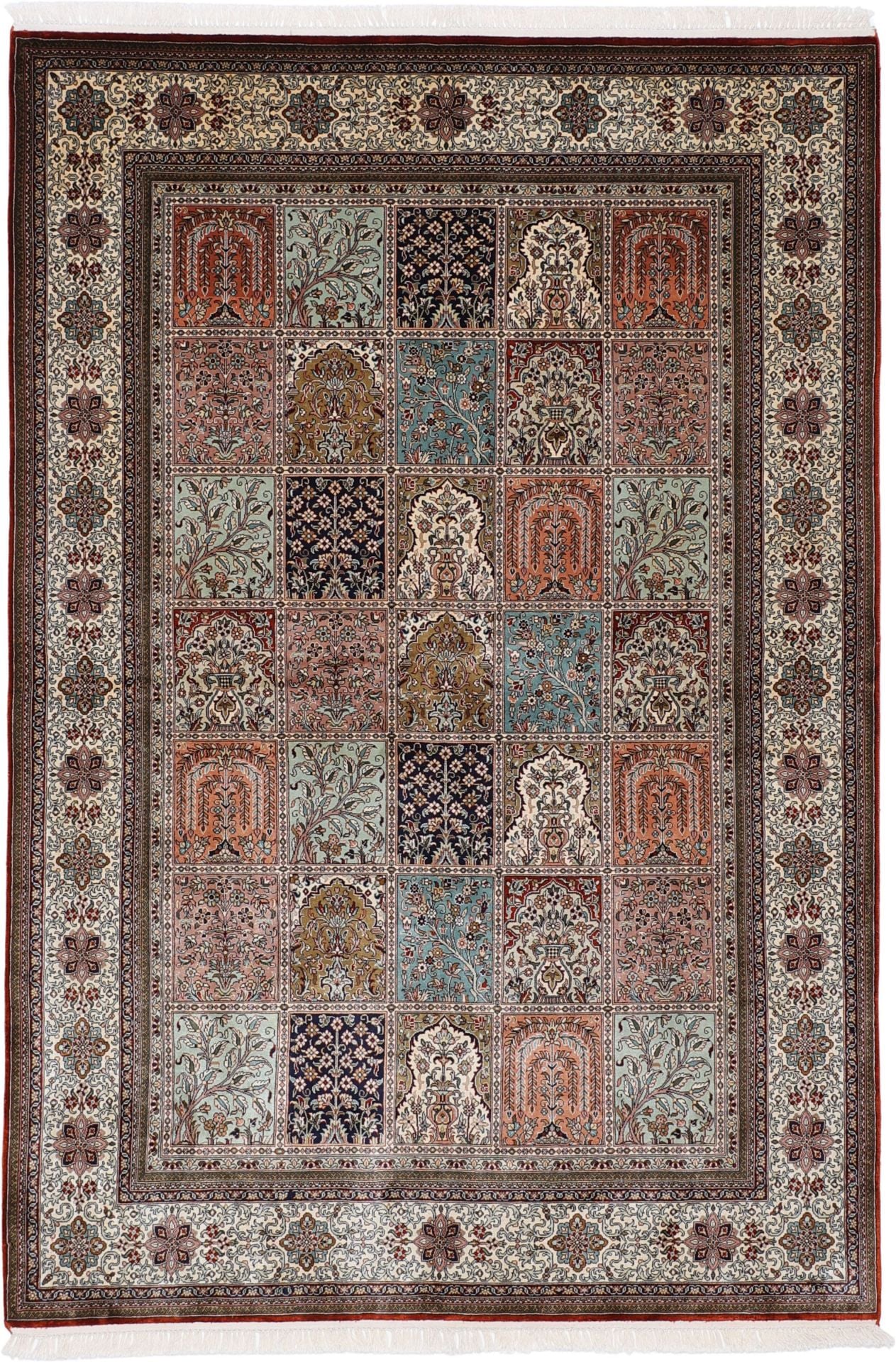
The fascination of Sarab: Between myth and reality
Introduction to the world of carpets
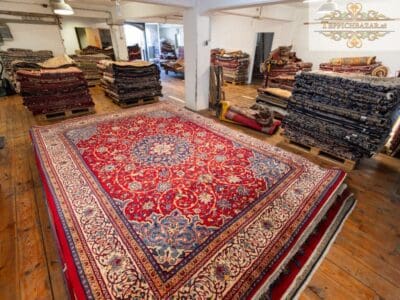
Carpets are not only practical interior designers, but also fascinating textile works of art that tell stories. Their roots reach deep into history and they carry cultural, aesthetic, and emotional meanings. Inspired by the documentary "The Fascination of Sarab: Between Myth and Reality," we want to explore the hidden secrets and cultural depth of carpet art. The carpet is not just a functional object, but also a canvas on which myths, legends, and traditions are woven.
The history of carpets
Origins and development
Carpets have existed for thousands of years, and their origins can be traced back to ancient Persia and Central Asia. Archaeological finds, such as the famous Pazyryk carpet from the Siberian tundra, attest to the art of carpet weaving as early as the 5th century BC. The techniques and designs have evolved over the centuries, influenced by different cultures and regions.
myth and reality
Carpets like the Sarab carpet are examples of the fusion of myth and reality. These special carpets are often associated with stories and symbols deeply rooted in culture. The patterns and colors speak of the traditions, social norms, and values of the community in which they were made.
The fascination of Sarab
The Sarab region
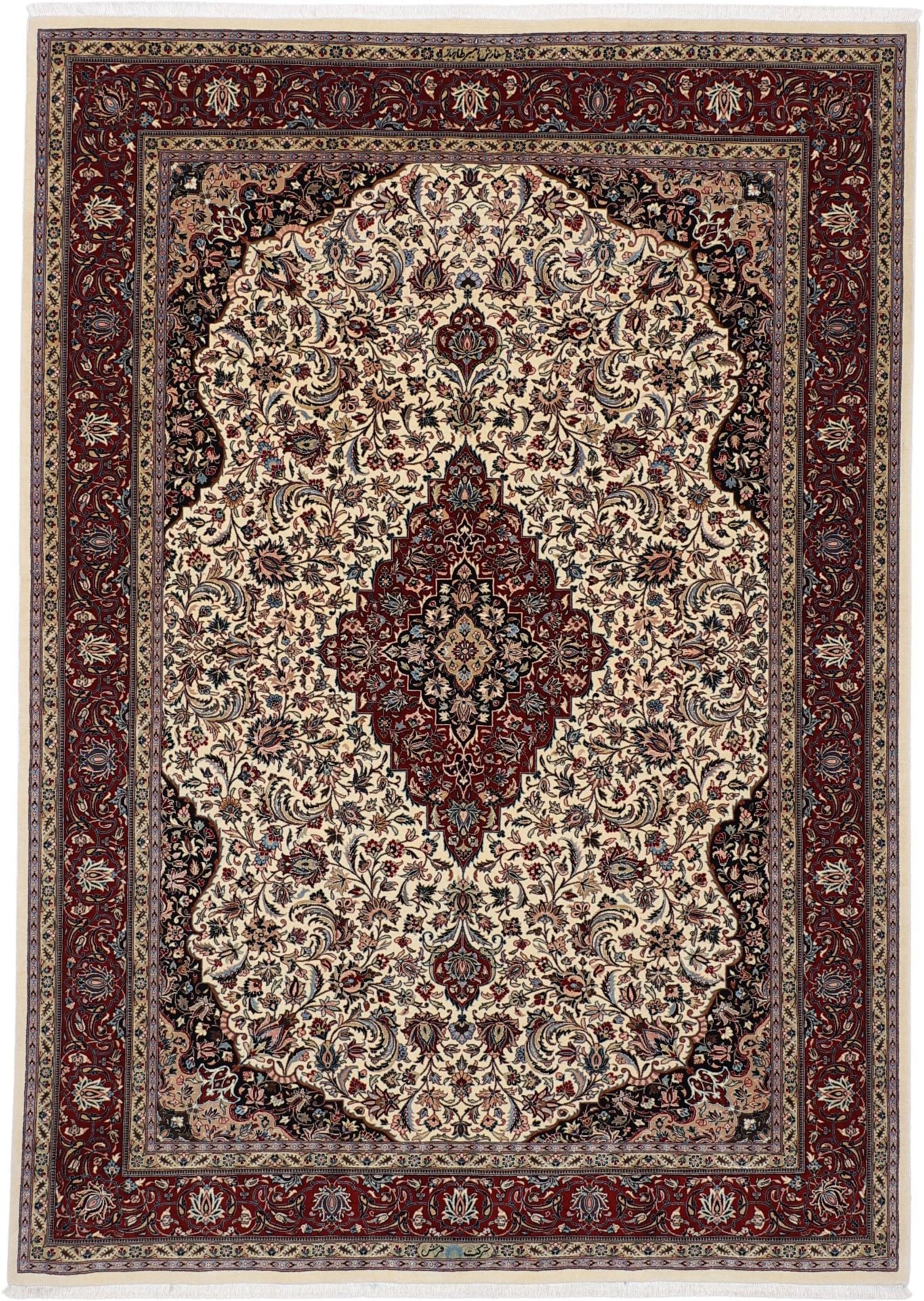
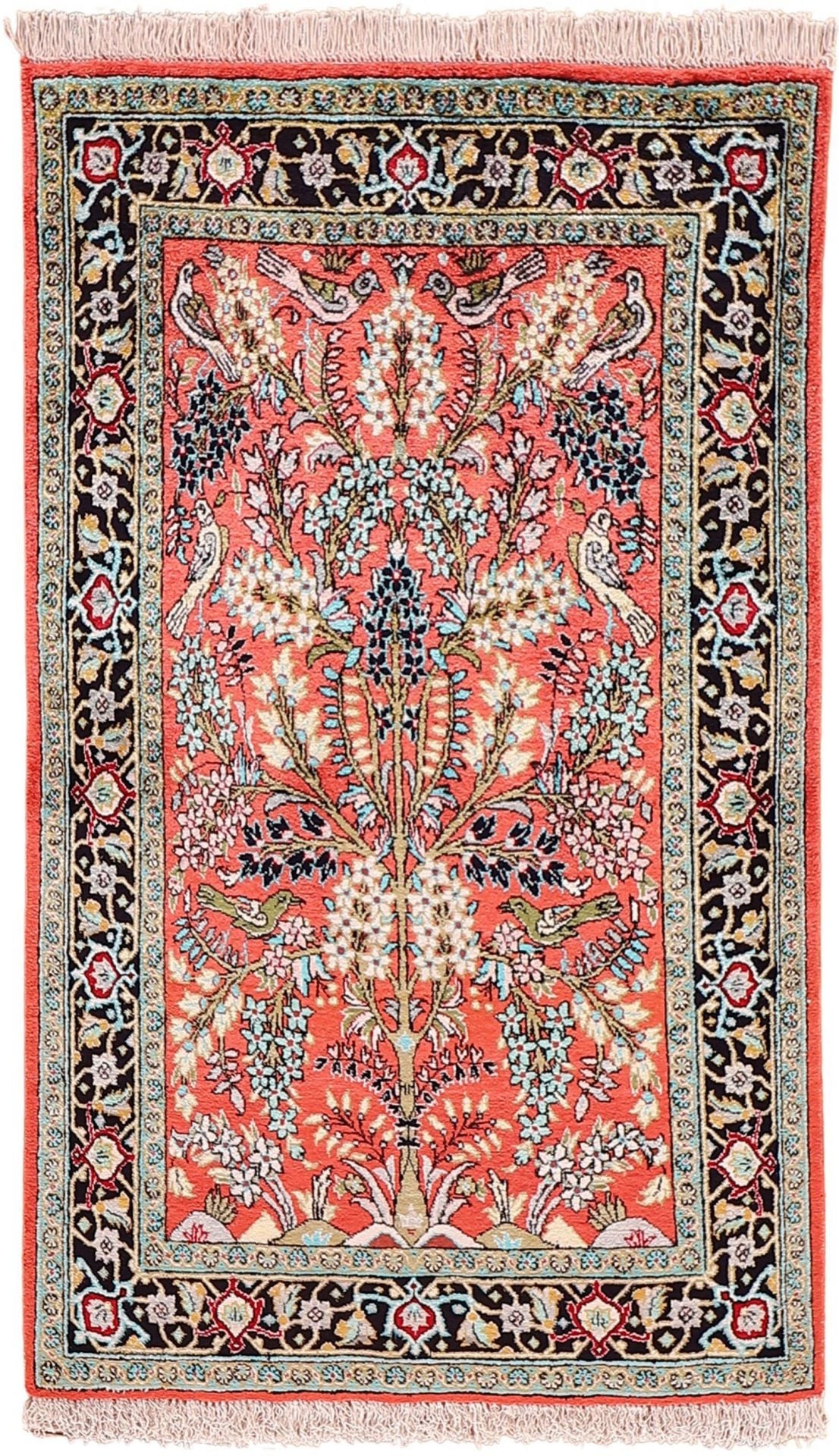
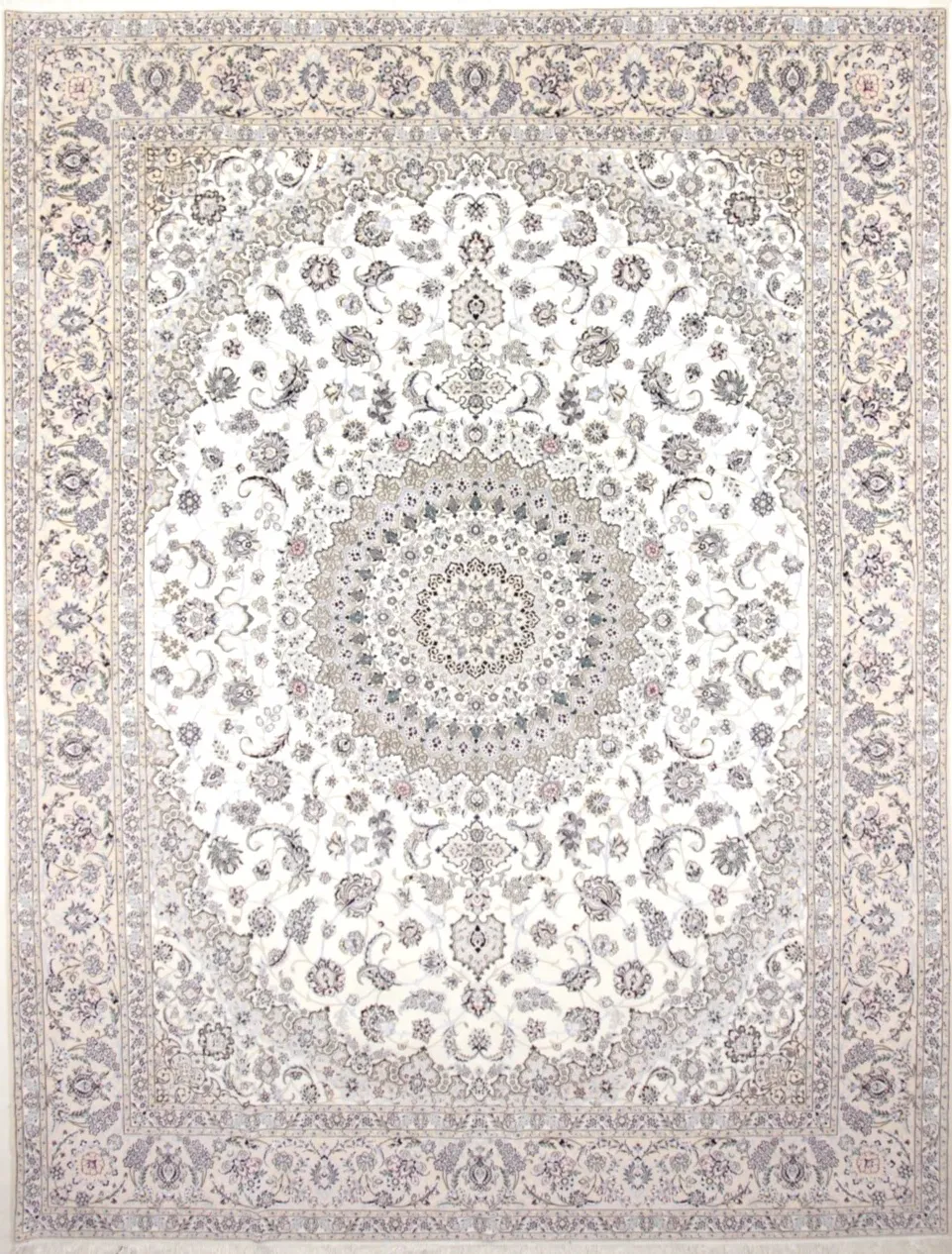
The city of Sarab in Iran is famous for its high-quality carpets. It boasts not only a rich history of carpet weaving but also a variety of designs that reflect its cultural identity. Carpets from this region are known for their bold colors and intricate patterns, often depicting stylized plants, animals, and geometric shapes.
Materials and techniques
The quality of the materials is crucial for the longevity and beauty of a rug. Wool, silk, and cotton are the primary materials used in Sarab. Each type of material gives the rug a distinct texture and appeal. Furthermore, the knotting techniques are crucial; traditional knotting requires considerable skill and can take weeks or even months to complete.
Colors and patterns in carpet design
Meaning of colors
Colors play an essential role in carpet art. They are not only aesthetic but also carry symbolic meanings. Red, for example, can represent strength and passion, while blue is often associated with calm and peace. These meanings can vary depending on the culture from which the carpet originates.
Patterns and their symbolism
The patterns on carpets are often rich in meaning. Geometric shapes, floral designs, and animal depictions all have a deeper symbolic origin. In Iranian carpet art, for example, floral patterns are common and often represent life and nature. These patterns are often not simply chosen at random but tell a story.
The role of carpets in today's society
Carpets as an art form
In modern society, carpets are increasingly perceived as works of art. Collectors and art lovers value hand-knotted carpets, which can fetch high prices due to their uniqueness and the craftsmanship involved. Carpets are no longer merely functional objects, but also expressions of culture and creativity.
Sustainability and ethics
Sustainability is an important aspect of today's carpet production. Many manufacturers rely on ecological materials and fair working conditions. The trend is toward eco-friendly options that not only protect the environment but also support the artists and artisans.
Care and cleaning of carpets
Regular maintenance
Proper care is crucial for a carpet's longevity. Regular cleaning and maintenance prevent dirt and dust from settling. Vacuuming should be done as needed, but without damaging the carpet's bristles. A carpet protector or underlay can also help protect the carpet.
Professional cleaning
Occasionally, professional carpet cleaning is necessary, especially for high-quality, hand-knotted rugs. This cleaning is usually gentler and more thorough and can refresh the colors and patterns of the rug.
Final section
Carpets are more than just home accessories; they carry stories, traditions, and cultural values. The fascination of Sarab shows us how deeply rooted this art form is in human society. When choosing a rug, remember to consider not only the design, but also the history, materials, and techniques. Find a rug that not only enhances your space but also connects you to the rich history and culture of rug weaving.
FAQ
1. How do I recognize the quality of a carpet?
The quality of a carpet can be determined by the materials used, the density of the knots, and the craftsmanship. High-quality carpets are often made of 100% virgin wool or silk and have a high knot density, which makes them more durable.
2. What is the best way to clean my carpet?
For regular cleaning, you should vacuum the carpet regularly. For stains, it's best to use mild, specialized carpet cleaners. For stubborn stains, it's advisable to use professional cleaning services.
3. How do I know if a carpet is hand-knotted?
Hand-knotted rugs often have varying knot densities, which are made by hand. They often feel softer and have more complex patterns than machine-made rugs. Price is also an indicator; hand-knotted rugs are generally more expensive due to the increased labor involved.