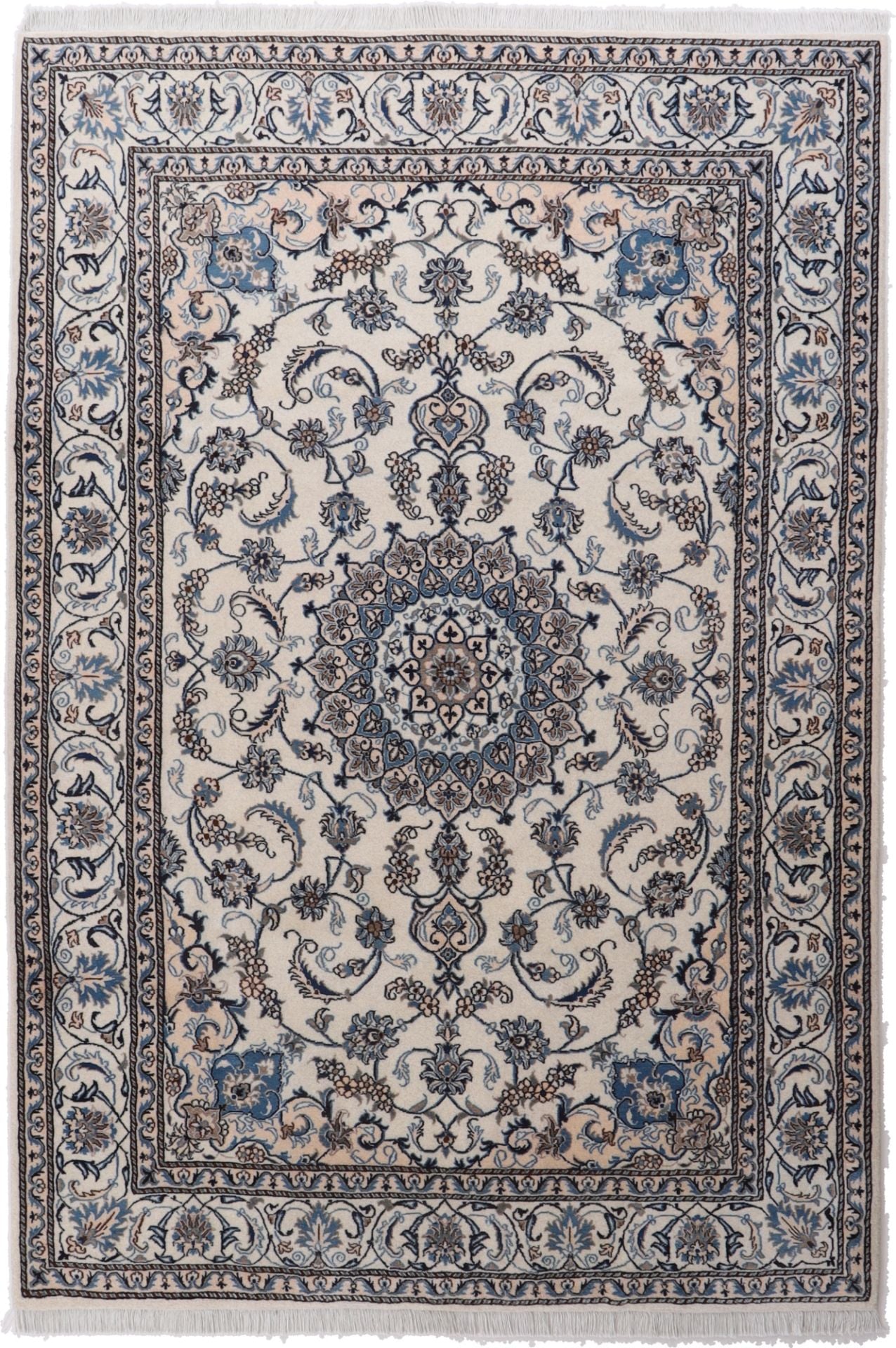
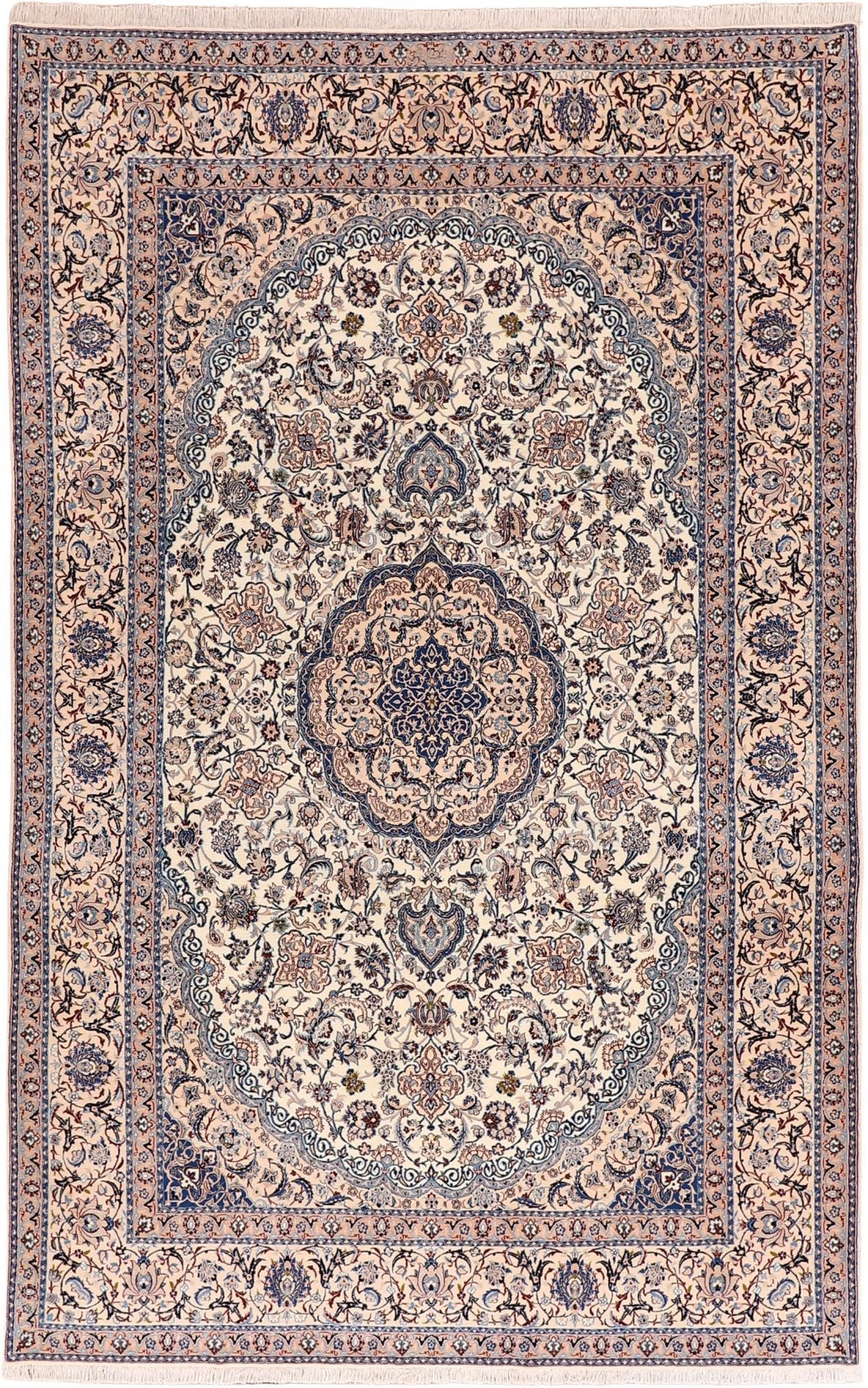
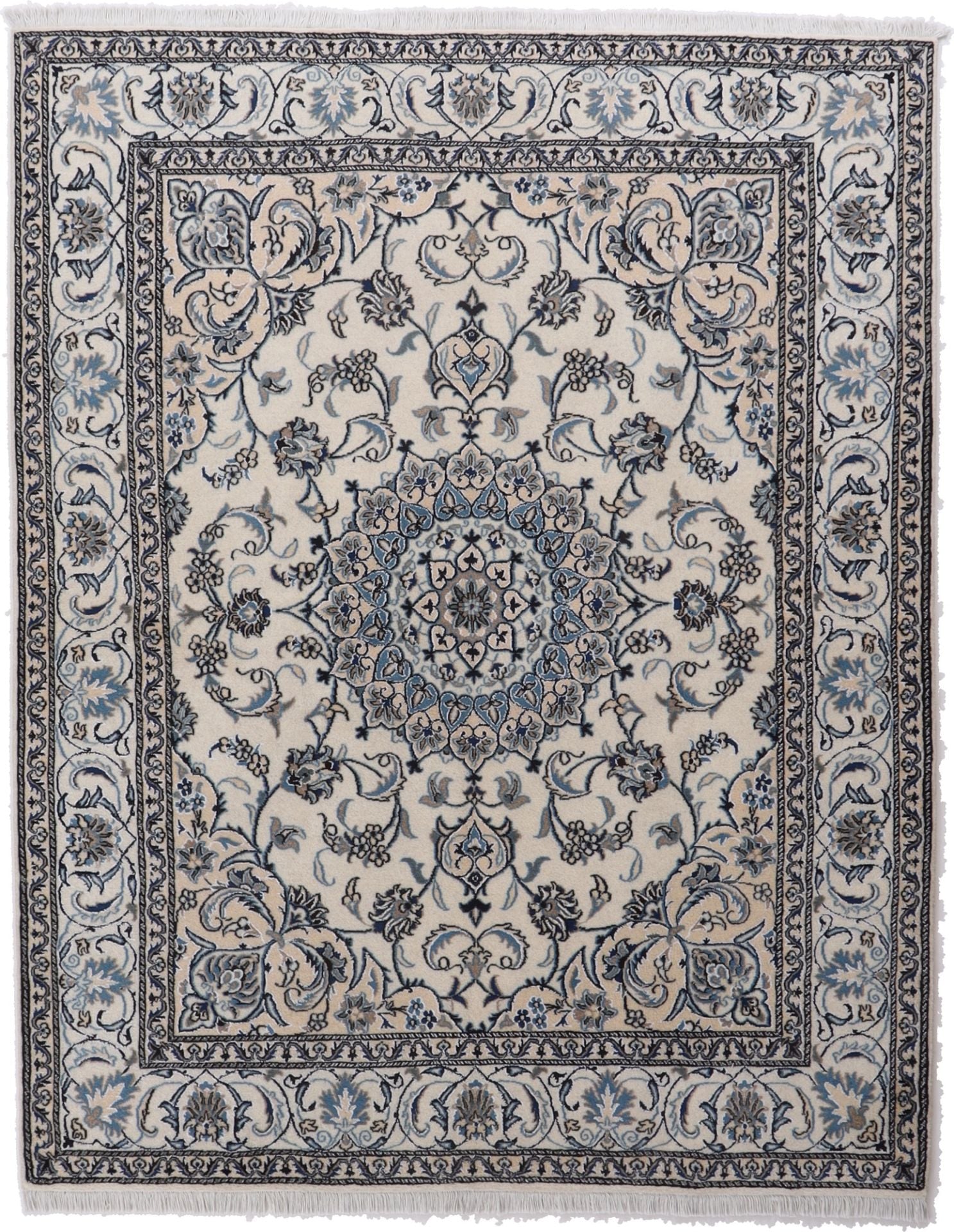
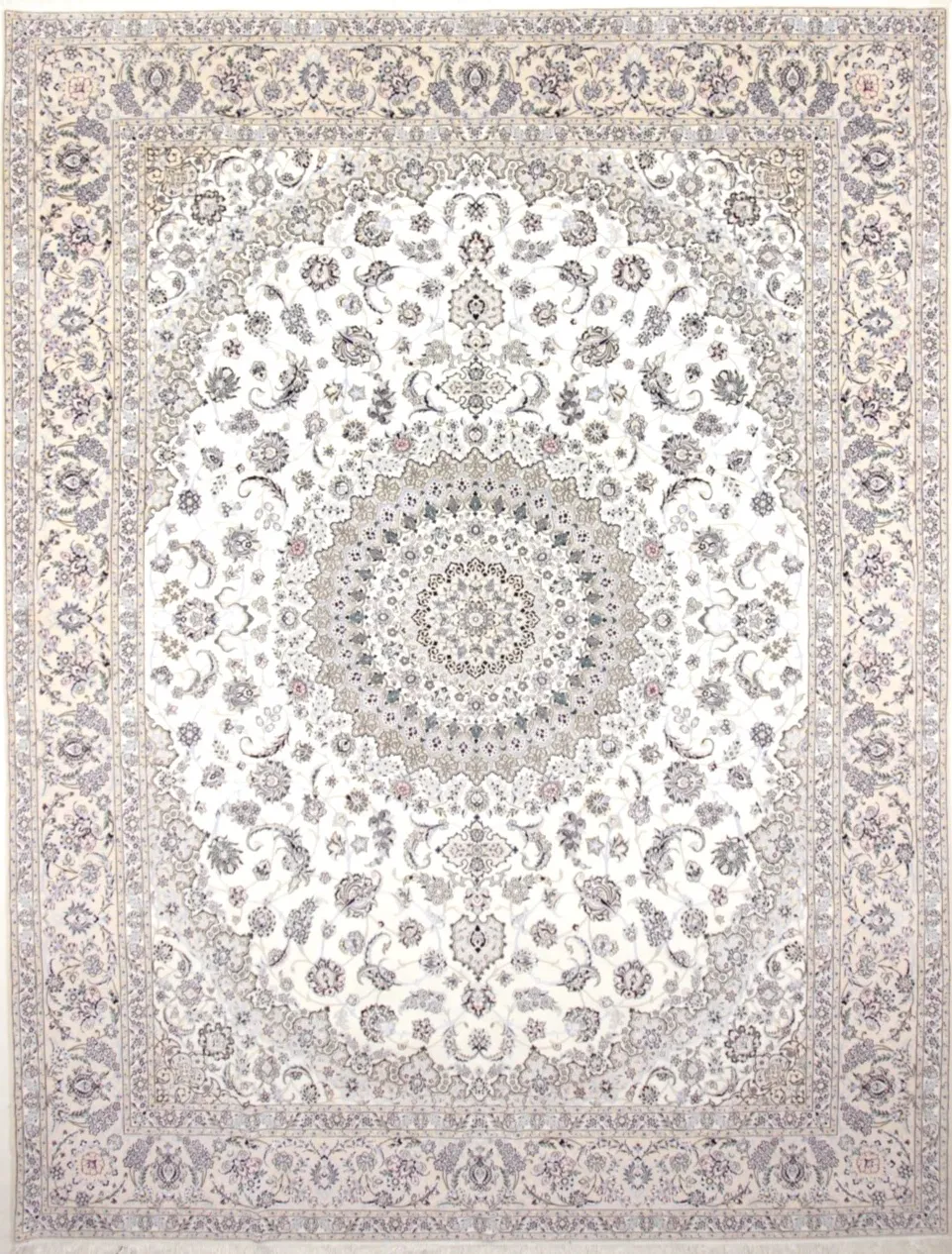
"The fascination of Nain-Carpets: Craftsmanship and tradition from Persia"
Introduction
Carpets are more than just floor coverings; they are living works of art that tell stories and reflect cultures. Persian carpets in particular, especially the NainCarpets have established themselves as outstanding examples of fine craftsmanship and artisanal traditions. In this article, we take a detailed look at the fascination of Nain-Carpets, their history, their unique characteristics and the cultural significance they possess.
The origins of the Nain-carpets
1. Origin and history
Nain-Carpets come from the city Nain, which are in the province Isfahan It is located in Iran. Its history dates back to the 20th century. Due to its geographical location and cultural heritage, the city has established itself as a significant center of carpet weaving. The carpets are often made of fine wool and silk and are known for their high knot density, which makes them particularly durable and of high quality.
2. The development of the design
The designs of the NainCarpets are heavily inspired by traditional Persian patterns as well as by nature. Typical motifs include flowers, medallions, and geometric shapes. In the early years, the designs were shaped by influential dynasties such as the Safavids. This dynasty employed the country's finest carpet weavers, elevating the art of carpet weaving to a new level.
3. The influences of religion and culture
Religion and spirituality play a central role in Persian culture. Many carpet patterns have a deeper symbolic meaning, often linked to the beliefs and traditions of the region. This cultural depth makes NainCarpets are more than just aesthetic objects; they are also carriers of history and cultural identity.
The art of carpet weaving
1. Materials and techniques
The choice of materials is crucial for the quality of a NainCarpets. Most carpets are made from a mixture of wool and silk. Wool provides robustness and durability, while silk gives the carpet a luxurious sheen.
The knotting techniques used in NainCarpets primarily made using the Persian knot, which allows for a higher knot density and more detail in the designs. They typically have NainCarpets have a knot density of 1000 to 6000 knots per square meter.
2. The manufacturing process
The manufacturing process of a NainCarpet making is extremely labor-intensive. First, the design is drawn. Then the wool is dyed and the knots are attached to the loom. Each carpet can take months or even years to make, depending on its complexity and size.
The entire process requires a high level of craftsmanship and experience, passed down from generation to generation. Nowadays, some NainCarpets are also machine-made, but the hand-knotted versions remain the most valuable and sought-after.
The design features of Nain-carpets
1. Color palette
The color palette of NainCarpets are versatile, ranging from soft, earthy tones to vibrant, luminous colors. Commonly used colors include navy blue, cream, red, and gold. These colors are traditionally derived from natural dyes, giving the carpets a unique depth and dimension.
2. Patterns and motifs
The patterns of NainCarpets are unique and vary depending on the region and weaver. Common motifs include:
- flower pattern: These often show stylized representations of flowers and plants that reflect the beauty of nature.
- MedallionsCentralized medallions are typical for many Nain-carpets and give the carpet a harmonious composition.
- Geometric shapes: These designs can include simple or complex geometric patterns that often feature intriguing symmetry.
3. Influence of nature
Nature plays a vital role in the design of NainCarpets. The use of floral and geometric motifs reflects the environment and landscape of Iran. The art of carpet making is inextricably linked to nature and the seasons, and this is evident in the designs.
The value of Nain-carpets
1. Craftsmanship
The craftsmanship value of a NainHand-knotted carpets are incomparable. Their production requires extreme patience, skill, and expertise. Therefore, hand-knotted carpets are not just home decoration, but also an investment whose value increases over time.
2. Collector value
For collectors NainCarpets are particularly sought after. Their rarity, high quality, and reputation for using the finest materials make them attractive collector's items. Many people see the purchase of a NainCarpets can also be seen as a financial investment that can increase in value over time.
3. Cultural value
Besides their material value, NainCarpets also have enormous cultural value. They are an expression of Persian art and tradition and contribute to preserving and promoting a country's heritage. NainCarpets tell stories of culture, faith and craftsmanship, and connect the generations.
The care of Nain-carpets
1. Cleaning and maintenance
Taking care of one NainProper care of carpets is crucial to maintaining their beauty and longevity. Regular cleaning is essential to remove dirt and dust. Experts recommend professional cleaning every 6 to 12 months to prevent damage from dirt and moisture.
2. Stain treatment
When it comes to stains, it's important to act immediately. Light stains can be treated with a damp cloth, while stubborn stains require professional cleaning. It's advisable never to use harsh chemicals, as these can damage the fabric.
3. Retention
When a NainWhen not in use, the rug should be stored properly. A cool, dry environment is ideal, and the rug should be rolled up, not folded, to avoid creases.
The influence of modern technology on the carpet industry
1. Machine-made carpets
With advances in technology, carpet production no longer relies exclusively on manual labor. Machine-made carpets are more efficient and cost-effective, but may not command the same respect as hand-knotted versions.
2. Digitization
Digitalization has also transformed the carpet industry. From marketing to sales processing, companies benefit from modern technologies. Online platforms make it possible to reach a larger target audience and offer a broader range of products.
3. Trends and innovations
Innovation and new trends are shaping the carpet industry. These days, many Designer They are busy combining traditional designs with modern elements to appeal to younger buyers. These trends are bringing a breath of fresh air to carpet culture.
Final section
NainCarpets represent not only masterful craftsmanship but also the cultural identity of Persia. They are products of a centuries-old heritage and a symbol of the deeply rooted tradition of carpet weaving in Iran. Their beauty, durability, and cultural value make them a treasured piece in every home, whether as practical floor coverings or as works of art. NainCarpets enchant and enrich every room.
With this knowledge about NainWith information on carpets, their origins, craftsmanship and care, you are well equipped to make the right choice for your home or to immerse yourself in the fascinating world of carpets.
FAQ section
1. How do I recognize a genuine one? Nain-Carpet?
A real NainA high-quality carpet is characterized by its high knot density, premium materials (such as wool and silk), and distinctive designs. Pay attention to the appearance of the reverse side: the knots should be clear and even. Good advice when purchasing a carpet is also helpful.
2. How do I clean my Nain-Carpet?
For your NainTo clean your carpet, vacuum it regularly to remove dust and dirt. For stains, use a damp cloth and mild detergent. Professional cleaning is recommended every 6 to 12 months.
3. Are NainAre carpets suitable for underfloor heating?
Yes, NainCarpets can be used on underfloor heating, however it is important to ensure even heat distribution and avoid overheating. It is best to use a carpet underlay to protect the carpet and regulate the heat.