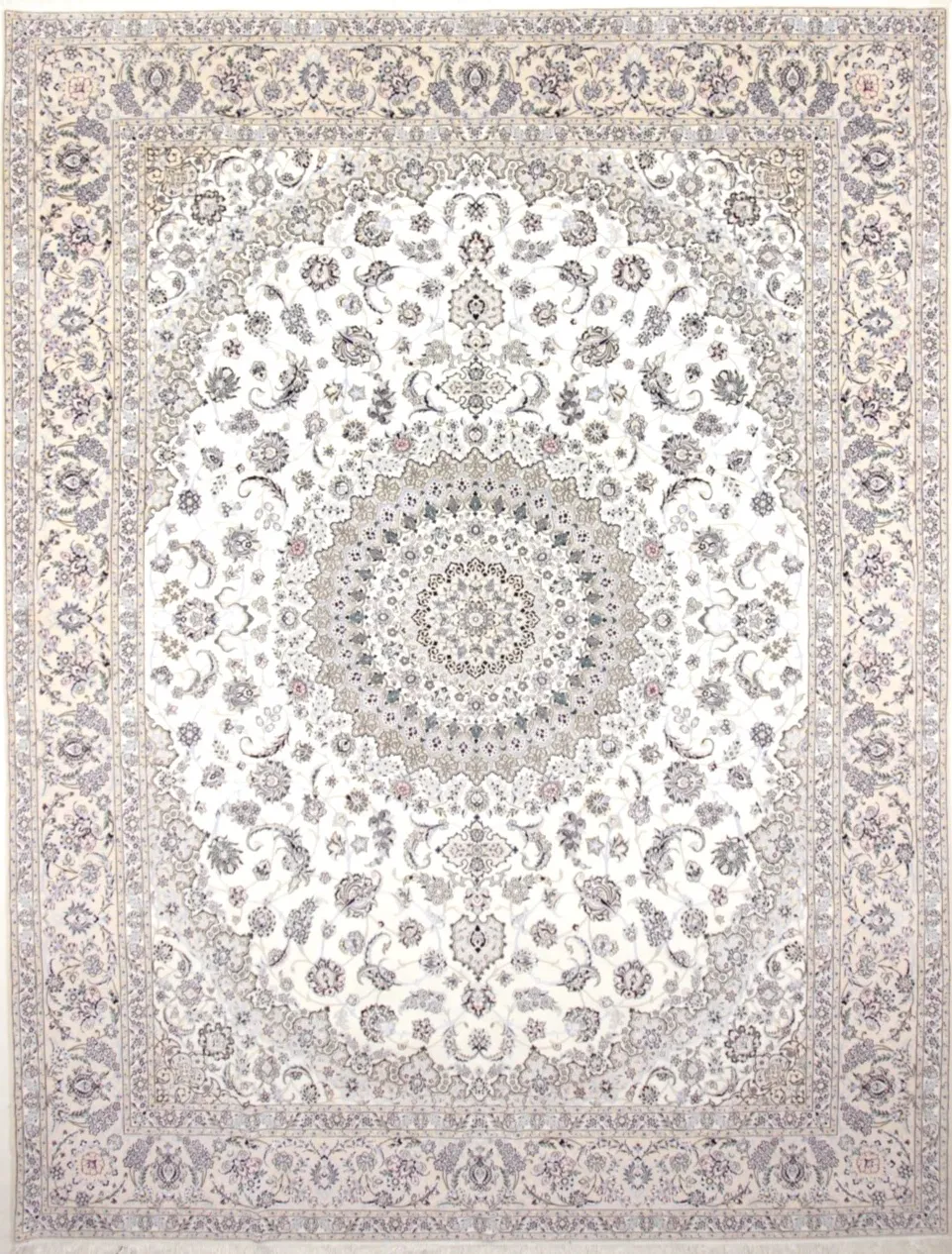
“The fascination of Persian carpets: art, culture and craftsmanship through the ages”
Carpets and their fascinating world: art, culture and craftsmanship through the ages
Introduction
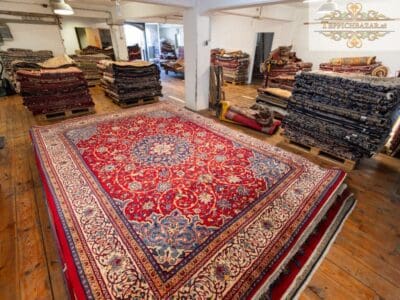
Carpets are more than just decorative floor coverings; they are an expression of art and culture, woven throughout the centuries. Persian carpets, in particular, hold a special place in the world of art and crafts. Their intricate patterns and vibrant colors tell stories of tradition, passion, and craftsmanship passed down from generation to generation. In this article, we will explore the allure of Persian carpets, understand their cultural context, and illuminate the developments in carpet art over time.
The origins of carpet art
Historical development
The art of carpet weaving can be traced back to ancient times, with the first examples dating back to the 5th century BC. Archaeologists discovered the famous "Pazyryk" carpet in Siberia, which is considered one of the oldest surviving carpets. However, carpet art developed primarily in the regions of present-day Iran, where various styles and techniques became established over the centuries.
The cultural significance
Carpets are considered symbols of wealth and prestige in many cultures. In Persia, they are not only practical objects but also works of art, often used during festive occasions or in sacred spaces. The carpet has become a central element of Islamic art and reflects the religious and cultural values of the society.
The structure of a Persian carpet
Materials and techniques
Persian carpets are traditionally made from high-quality materials such as wool, cotton, and silk. The choice of material has a decisive influence on the texture, durability, and price of the carpet. Wool is particularly popular because it is both robust and soft. Silk carpets, on the other hand, are particularly precious and radiant, but they are less durable.
The knotting technique is another essential aspect. The traditional Persian knot can be identified as symmetrical or asymmetrical. The symmetrical knot, also known as “SennehThe knot known as the "Ghiordes knot" is often used in higher quality carpets, while the asymmetrical knot is found in a wider range of carpets.
design and pattern
The design of a Persian carpet is often rich in symbolism and tells stories. Popular motifs include floral patterns, geometric shapes, and mythical figures. Each pattern has its own meaning. For example, flowers often symbolize life and fertility, while geometric shapes represent stability and order.
Regional styles of Persian carpet art
Tabriz
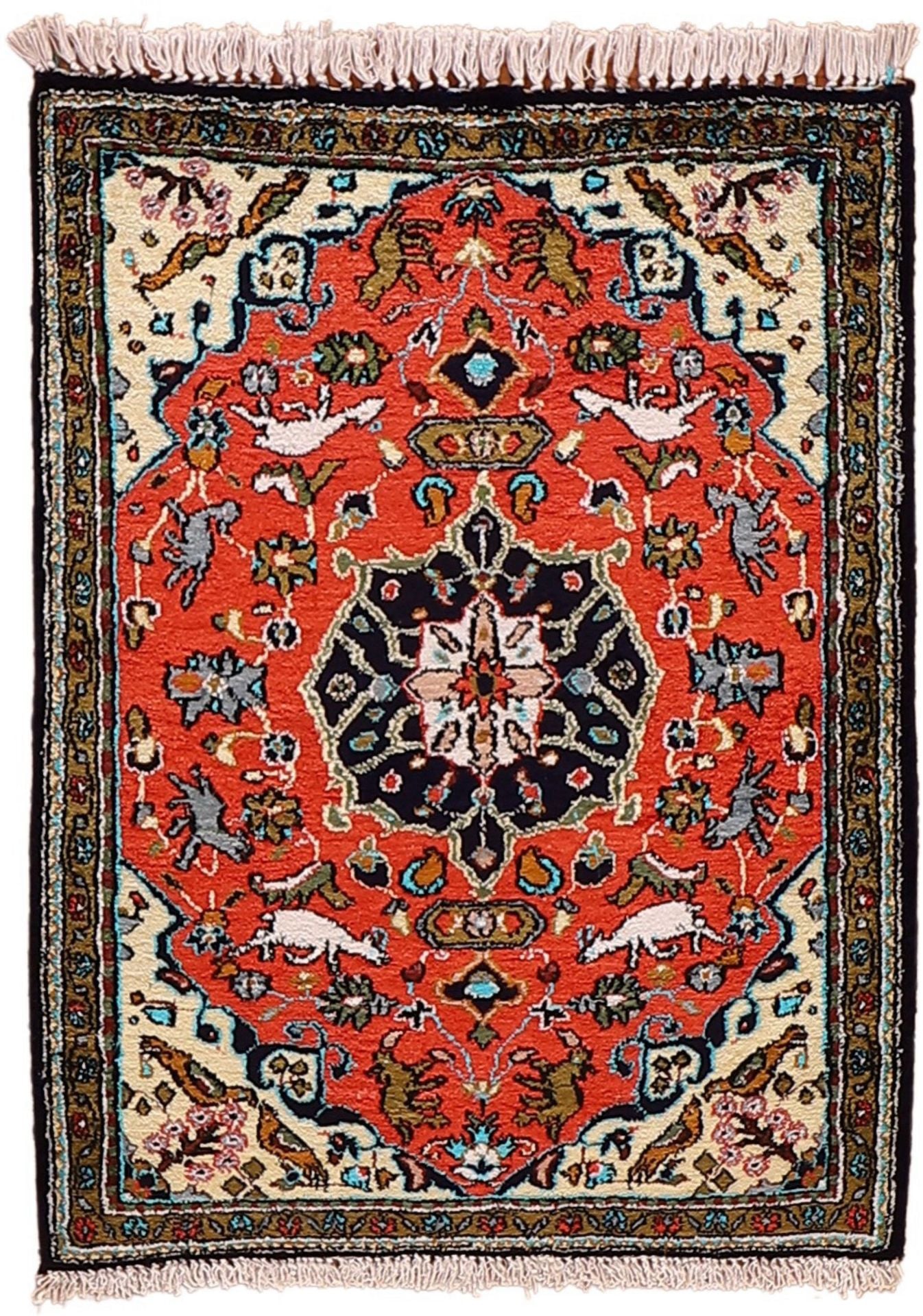
The TabrizCarpet is one of the most well-known carpet styles and is characterized by intricate designs and vibrant colors. The city Tabriz has a long tradition in carpet making and is considered one of the most important carpet metropolises in Iran. TabrizCarpets are often large and may contain intricate floral patterns or carpets with figurative representations.
Isfahan
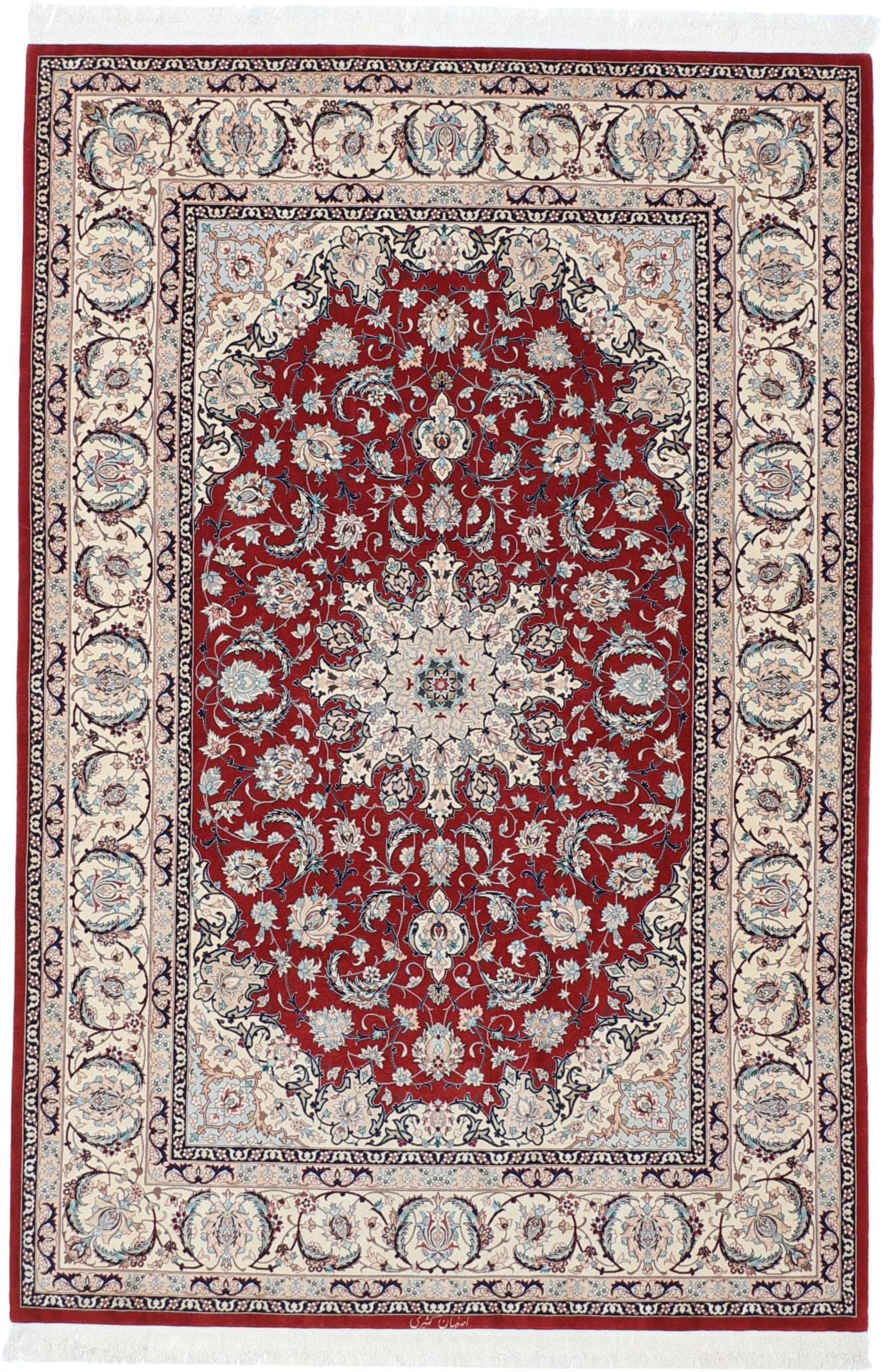
The carpets made of Isfahan They have an exceptional reputation for their color nuances and fine patterns. They are characterized by their intricate weaving technique and high density. In Isfahan The designs are often inspired by classic Persian motifs; the mostly plain-dyed wool carpets, which appear elegant and timeless, are also well known.
Kashan
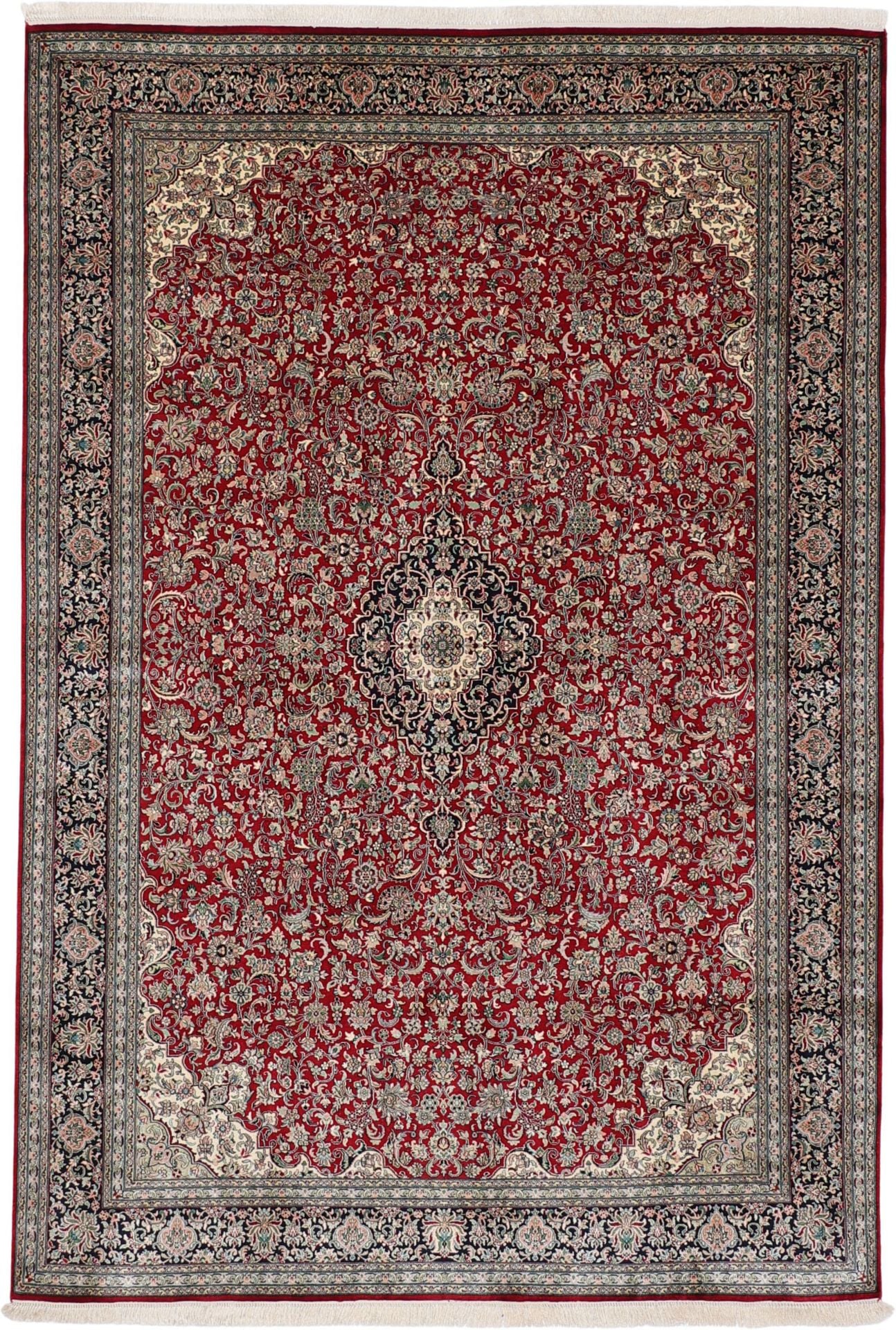
KashanCarpets are renowned for their lavish patterns and the use of rare colors. Often crafted from silk or high-quality wool, they display a remarkable level of detail and beauty. The designs are frequently heavily inspired by nature, featuring floral motifs that blend seamlessly.
The influence of modernism on carpet art
New techniques and materials
With advances in technology, rug-making techniques have also evolved. Modern rug manufacturers are experimenting with new materials and synthetic fibers, which offer some advantages, such as easy care and durability. However, many enthusiasts continue to rely on traditional craftsmanship and the use of natural materials.
Globalization of carpet markets
Globalization has made it easier to acquire carpets from all over the world. Online shops and platforms have expanded market access, making Persian carpets popular not only in their home countries but worldwide. However, this also poses challenges for traditional craftsmanship, as inferior imitations enter the market.
Sustainability and ethical manufacturing practices
In recent years, awareness of sustainable and ethical manufacturing practices has increased. More and more consumers are placing value on environmentally friendly materials and fair trade. This has led many traditional carpet manufacturers to focus on sustainable farming methods and fair working conditions.
The care and maintenance of carpets
Regular cleaning
To extend the lifespan of a carpet, regular maintenance is essential. Vacuuming is one of the easiest ways to remove dirt and dust. This should be done frequently, especially in high-traffic areas.
Professional cleaning
For a deeper cleaning, consult a professional carpet cleaner. This is especially important for delicate or valuable carpets, as improper cleaning methods can cause damage.
Storage
When not in use, a rug should be stored properly to protect it from damage caused by light, moisture, and dirt. It is advisable to roll up the rug and store it in a ventilated room.
Final section
The fascination with carpets, especially Persian carpets, will never end. Every fiber and every pattern tells stories of culture, art, and tradition that are ancient yet timeless. The art of carpet weaving has evolved over the centuries, and the connection between tradition and modernity makes it as relevant today as ever. When you delve into the world of carpets, you'll find not only a decorative element for your home but also a piece of history and culture that has endured for generations. By purchasing a carpet, you not only support the craft but also contribute to the preservation of this magnificent tradition.
FAQ
1. How do I recognize a genuine Persian carpet?
A genuine Persian rug is usually hand-knotted, has a high knot density, and is made of high-quality materials such as wool or silk. Pay attention to the back of the rug; with a hand-knotted rug, the patterns in the weave are visible, whereas machine-made rugs often have a flat back. Certificates from reputable dealers can also be an indicator of authenticity.
2. How do I properly care for my carpet?
Carpet care includes regular vacuuming to remove dust and dirt, as well as avoiding direct sunlight to prevent fading. For deep-fiber cleaning, it's advisable to consult a professional carpet cleaner. Spills should be addressed immediately to avoid staining.
3. How do I find the right carpet for my home?
Choosing the right rug depends on several factors: room size, color palette, decor style, and intended use. Measure the area where the rug will be placed and consider the style of your home. It can also be helpful to bring different rugs into the room to see how they blend with the existing decor.