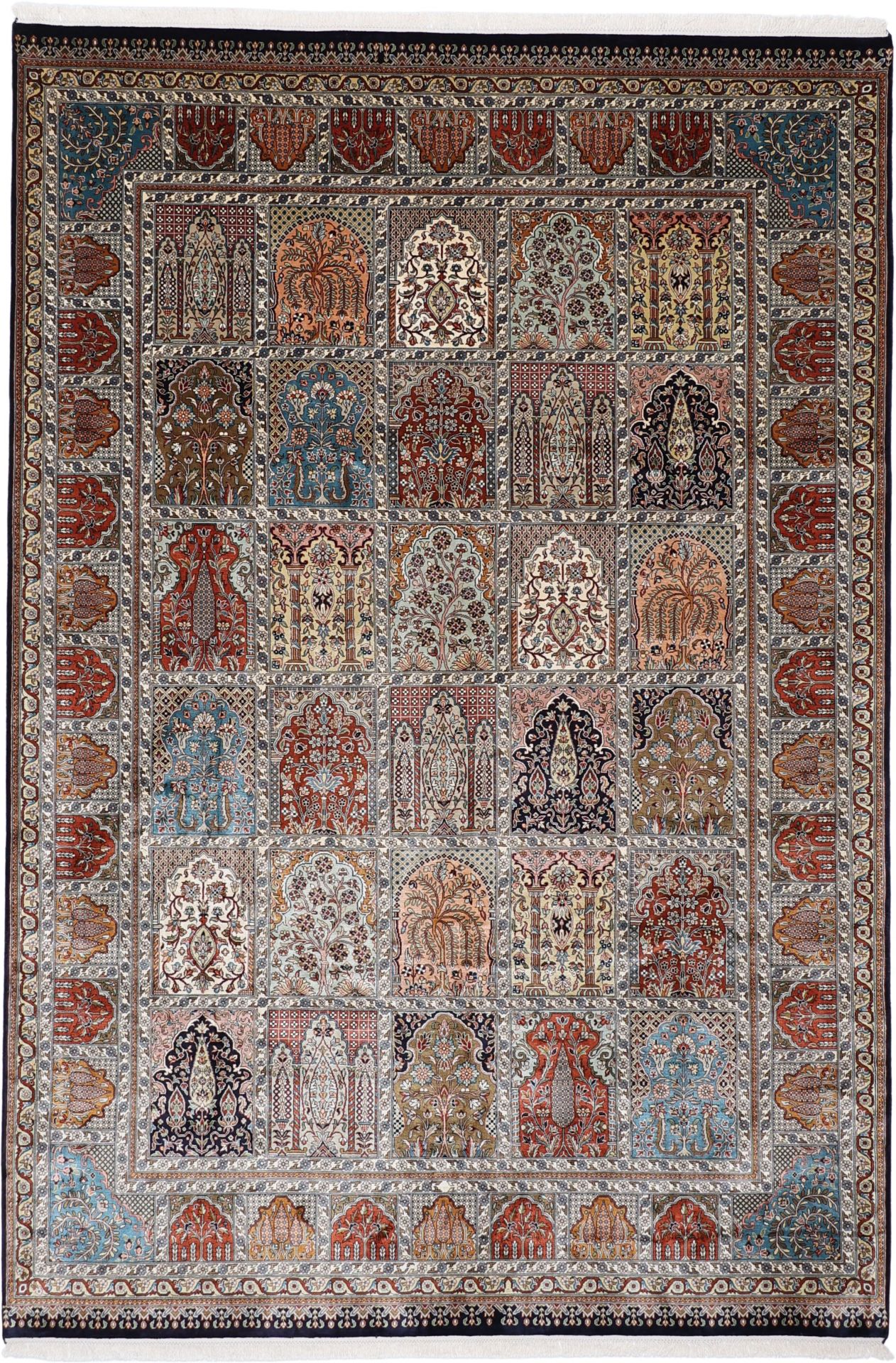
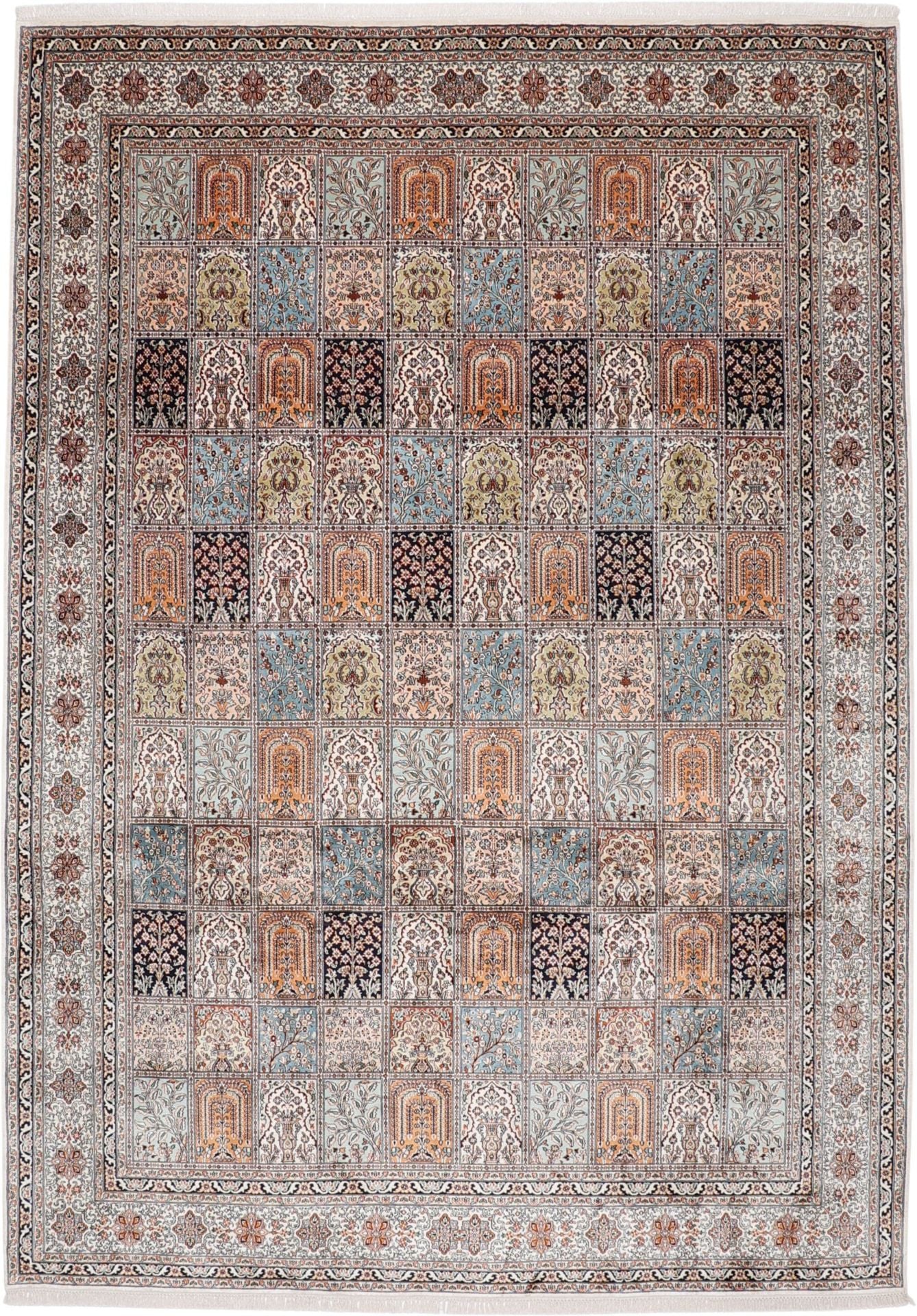
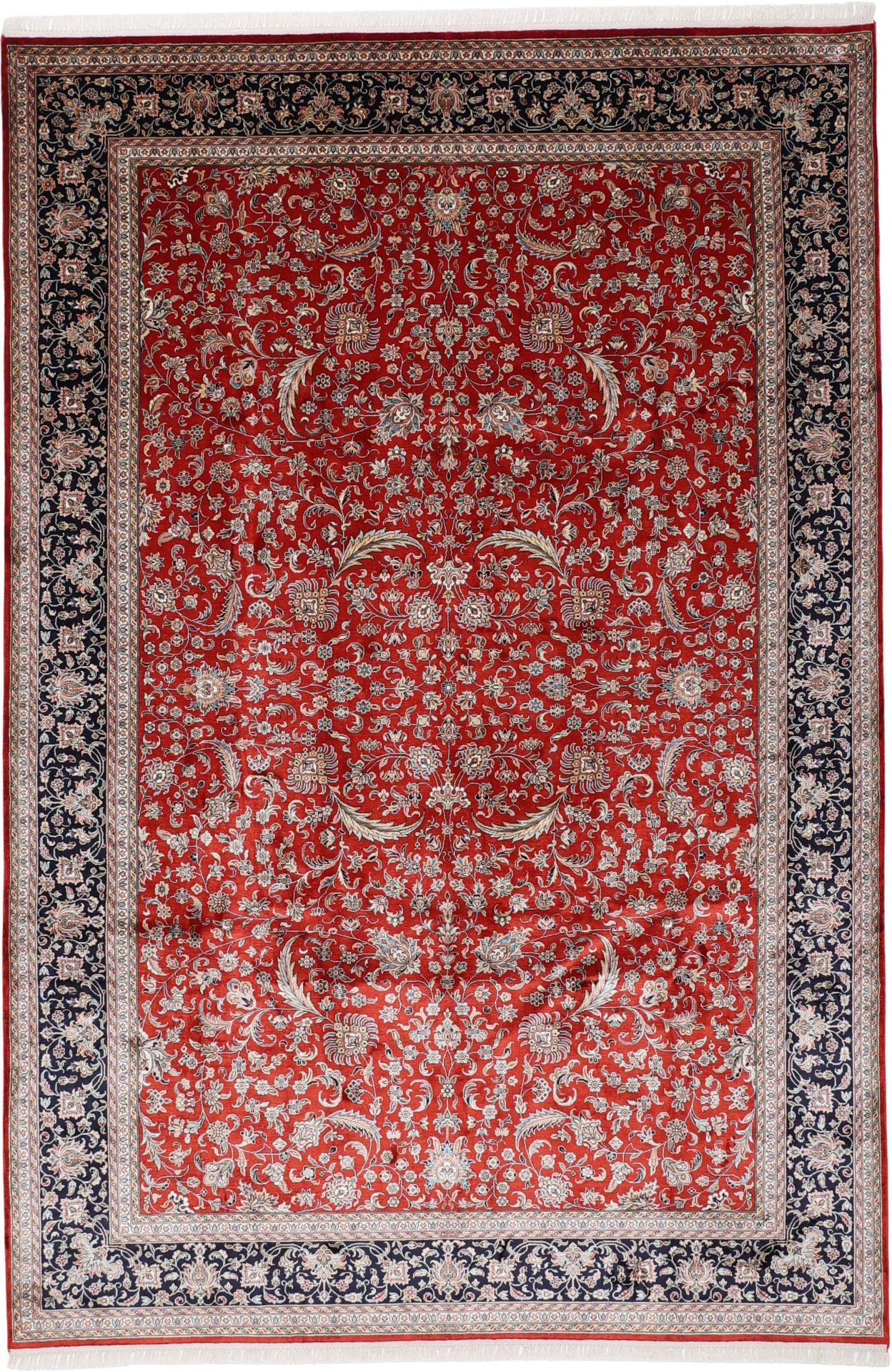
The fascination of Pakistani carpets: craftsmanship and tradition united
The fascination of Pakistani carpets: craftsmanship and tradition united
Carpets are far more than just floor coverings; they are an expression of culture, history, and craftsmanship. Pakistani carpets, in particular, have gained a high status in both interior design and among collectors in recent decades. They are known for their vibrant colors, intricate patterns, and the centuries-old tradition behind their production. In this article, we explore the allure of Pakistani carpets and learn why they deserve a special place in every home.
1. The history of Pakistani carpets
The roots of carpet making in Pakistan date back to ancient times. Even the ancient civilizations of the Indus Valley, such as the Harappan culture, produced elaborate textiles. The art of carpet weaving continued to develop and reached a new peak in the 16th century with the influence of the Mughal Empire. Carpets of this period were often found in palaces and caves of the nobility and were decorated with opulent designs.
With the partition of India in 1947, Pakistan became an independent country, where the tradition of carpet weaving lives on. Regional differences and techniques are reflected in the various styles, making each carpet a unique work of art that reflects the country's cultural diversity.
2. The different regions and their carpets
Pakistan is known for a variety of carpet styles, each originating from different regions. Among the most popular are:
2.1. Peshawar Carpets
Peshawar, the capital of Khyber Pakhtunkhwa province, is famous for its fine hand-knotted carpets. These carpets are characterized by their high knot counts and detailed patterns, often featuring floral and geometric designs. The colors used are typically bold and vibrant. Peshawar carpets are ideal for elegant living spaces and add a touch of luxury to any room.
2.2. Bukhara Carpets
Bukhara carpets, originally from the TurkmenThese carpets, which were produced in Pakistan, have become a popular style. They often feature a classic red color scheme and geometric patterns linked to ethnic stories. These carpets are very durable and particularly well-suited for high-traffic areas.
2.3. Kashan Carpets
The KashanThis style is known for its lavish designs and vibrant colors. These rugs are often adorned with romantic motifs and complex symbolism. Kashan Carpets are often made from wool or silk, which contributes to their luxurious appearance.
2.4. Sindhi carpets
Sindhi rugs originate from the Sindh province and are known for their vibrant colors and complex geometric patterns. These rugs are often made from sheep's wool and are particularly soft, making them a popular choice for living spaces.
3. The manufacturing process
The production of a Pakistani carpet is a time-consuming and complex process, with every stage requiring skilled craftsmanship. From design to material selection to final weaving, each carpet is crafted with care and precision.
3.1. Material selection
The choice of materials is crucial for the quality and durability of a rug. Traditionally, wool, silk, and cotton are used. Wool is known for its durability and thermal insulation, while silk offers a luxurious feel and a special sheen. Cotton is often used for the weft and background to provide additional stability.
3.2. Design and weaving
After the materials have been selected, a design is created. This is often done with the help of sketches or digital designs that determine the patterns and colors. The knotting technique is of utmost importance; traditional techniques such as the Turkish or Persian knot require years of practice and experience. The finer the knot count (the number of knots per square centimeter), the higher the quality of the rug.
3.3. Completion
After the rug is knotted, it is washed to remove excess dyes and then inspected for quality and defects. The final step is fraying, ensuring the rug is in perfect condition before it goes on sale.
4. The symbolism and cultural significance
Pakistani carpets are not only practical household items, but are also deeply rooted in the country's culture and traditions. They often carry symbolic meanings expressed in their motifs and colors. For example, floral patterns represent fertility and growth, while geometric shapes symbolize stability and permanence.
The transmission of stories and myths is another important aspect. Many carpets tell stories from history, folk tales, or religious symbols that are passed down from generation to generation.
5. Carpet care
Owning a carpet also brings with it responsibility. Regular care is necessary to maintain the beauty and quality of a Pakistani carpet.
5.1. Regular vacuuming
One of the simplest and most effective ways to care for carpets is to vacuum regularly. This removes dirt and dust that could damage the fibers. It's best to use an upholstery brush to avoid damaging the fibers.
5.2. Stain removal
Stains should be treated promptly to avoid permanent damage. To remove stains, first use a clean, dry cloth to blot up any excess liquid. Then, apply a mild soap solution. Avoid harsh chemicals that could affect the carpet's colors.
5.3. Professional cleaning
Once a year, the carpet should be professionally cleaned. This ensures that dirt and stains are thoroughly removed and the colors regain their vibrant color.
6. Buying a Pakistani carpet
Buying a Pakistani rug is an investment that should be carefully considered. There are many factors to consider to ensure you purchase a high-quality piece.
6.1. Check authenticity
Make sure the rug is genuine and not machine-made. Authentic hand-knotted rugs often have irregularities in the patterns and colors, making them unique.
6.2. Seek advice
Get advice from specialist retailers. Experienced retailers can help you find the right rug for your space and needs. They can also provide valuable information about the rug's origin and care.
6.3. Pricing
Prices for Pakistani rugs vary widely depending on size, material, knot count, and design. High-quality rugs are often an investment that pays off in the long run. Compare offers and pay attention to quality rather than just price.
7. Current popularity and trends
In recent years, demand for Pakistani carpets has increased worldwide. Interior designers and design enthusiasts appreciate the blend of traditional craftsmanship and modern design. Many carpets are now also offered in contemporary colors and patterns that suit modern interiors.
The use of sustainable materials and the promotion of fair trade have also gained importance. Consumers are increasingly paying attention to ethical aspects and are looking for products that are both beautiful and responsibly produced.
Final section
The appeal of Pakistani rugs goes beyond their aesthetic appearance. Rather, they are cultural artifacts that tell stories and preserve traditions. Each piece is unique, combining craftsmanship and a rich history. Investing in a Pakistani rug is not only a choice for interior design, but also a choice for appreciating art and culture. By incorporating such a rug into your home, you bring not only color and style but also a part of Pakistani tradition.
FAQ
1. How can I verify the authenticity of a Pakistani carpet?
It's best to check the knot density and the manufacturer's description. Genuine hand-knotted rugs often have irregularities that are a sign of loving craftsmanship. Also ask the dealer for certificates or proof of origin.
2. How do I best care for my Pakistani carpet?
Regular vacuuming is important to remove dirt and dust. Stains should be treated immediately, and professional cleaning should be sought once a year. Avoid harsh cleaning agents.
3. How much should I pay for a Pakistani carpet?
Prices vary greatly depending on size, material, knot count, and design. High-quality hand-knotted rugs can cost several thousand euros. Make sure you find good value and do your research before making a purchase.