The fascination of oriental carpets: tradition, craftsmanship and timeless beauty
Carpets: The fascination of oriental carpets
Introduction
Carpets are more than just floor coverings; they are an expression of culture, art, and tradition. Oriental carpets, in particular, possess a unique fascination that has developed over centuries. The combination of meticulous craftsmanship, symbolic meaning, and timeless beauty makes them a treasured piece of furniture in any home. In this article, we will explore the various aspects of oriental carpets, from their history and manufacturing process to care and purchasing advice.
The history of oriental carpets
Origins and development
The history of oriental carpets dates back to ancient Persia and the Turkish steppes. The oldest known carpets, such as the famous Pazyryk carpet, date back to the 5th century BC. This art form evolved over the centuries and was influenced by various cultures, including Persian, Turkish, Arab, and Indian.
Regional differences
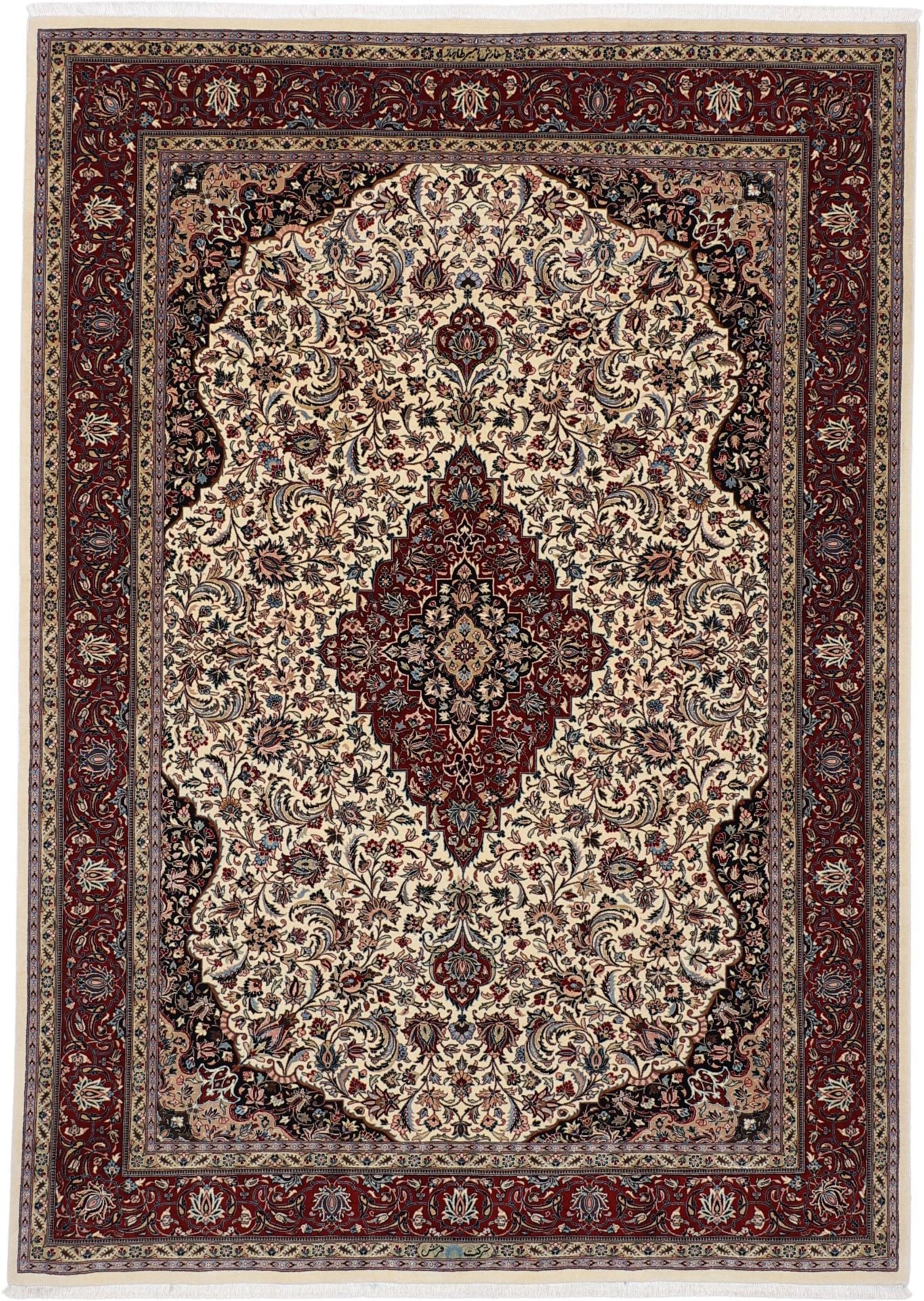
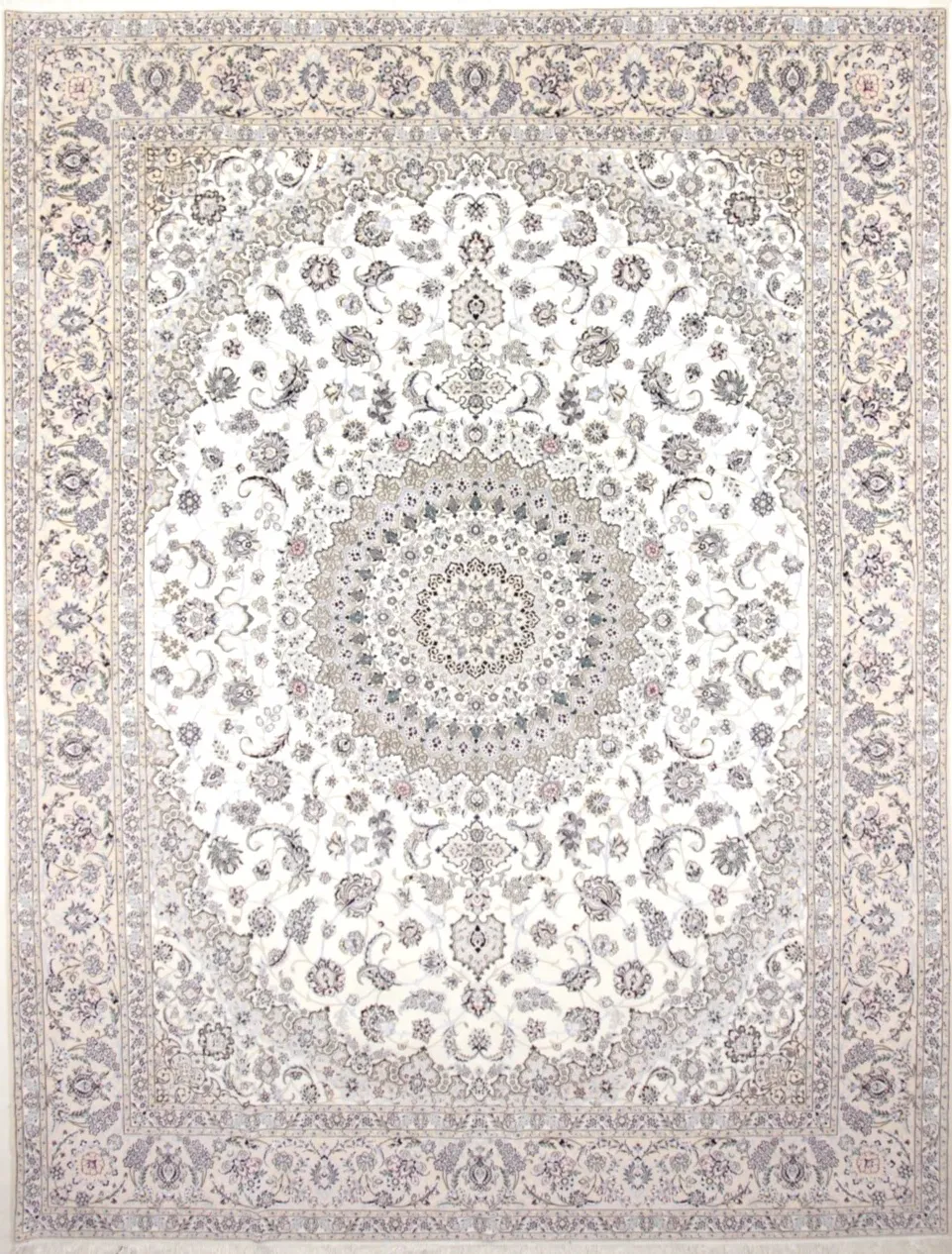
Different styles and techniques have developed depending on the region. Persian carpets are characterized by their detailed patterns and vibrant colors, while Turkish carpets often feature geometric designs and bold color palettes. In India, floral motifs and a slightly different knotting technique are common.
Craftsmanship of carpet making
Materials
The quality of a carpet depends heavily on the materials used. The main materials are wool, silk, and cotton.
- Wool: Durable and warm, ideal for carpets used in high-traffic areas.
- Silk: Gives the carpet shine and elegance, but is more delicate and is often used for decorative carpets.
- Cotton: Often used as a base material for backing and for less luxurious carpets.
Knotting techniques
The technique used to knot the carpets is crucial to their quality and durability. There are two main types of knots: the Persian knot (symmetrical) and the Turkish knot (asymmetrical).
- Persian knot: This knot allows for more complex patterns and is often used in high-quality carpets.
- Turkish knot: Provides a more stable structure and is often used in more robust carpets.
Design and motifs
Oriental rugs are known for their rich designs. Each pattern has a symbolic meaning, often linked to the culture and traditions of the respective people.
- Floral motifs: Symbolize life and nature.
- geometric pattern: Represent structure and order.
- Medallion designs: Often found in Persian carpets and represent the central point of the house.
The timeless beauty of oriental carpets
Aesthetics and interior
Oriental rugs blend seamlessly into a variety of interior styles. Whether in a modern loft, a classic living room, or a rustic country house, they add color and character to any room.
Colors and their meaning
The colors of a carpet are not just decorative; they also carry a deeper meaning.
- Red: Represents joy and happiness.
- Blue: Symbolizes peace and tranquility.
- Yellow: Represents wealth and energy.
Investment in beauty and quality
Purchasing an oriental rug is often a long-term investment. High-quality rugs can last for generations and even increase in value. They are not only beautiful pieces of furniture, but also a legacy that can be passed down from generation to generation.
Care and maintenance
Regular cleaning
Regular cleaning is essential to maintaining a carpet's beauty. Vacuum your carpet at least once a week to remove dust and dirt. Professional carpet cleaning should be considered approximately every two years.
stain removal
When it comes to stains, speed is key. Use a soft cloth and special carpet cleaners for stain removal. Avoid harsh chemicals, as they can damage the colors and fabrics.
Protection against light and moisture
Avoid placing your rug in direct sunlight, as this can fade the colors. Also, avoid high humidity, as this can encourage mold and pests.
Buying an oriental carpet
What should one pay attention to?
When buying an oriental carpet, several factors are crucial:
- Material: High-quality wool or silk guarantee longevity.
- Knot density: The denser the knots, the higher the quality of the carpet.
- Design: Choose a design that suits your interior style and personal taste.
Certification and origin
Make sure the rug has a certificate of authenticity to ensure it comes from a trustworthy source.
price and value
Oriental rugs are available in a variety of price categories. Set a budget, but remember that quality often comes at a price.
The influence of oriental carpets on culture
Symbolism in art
Oriental rugs are not just everyday objects, but also works of art. They were created by artists and artisans who wanted to convey a message or feeling through their designs.
Historical Significance
Many carpets are associated with historical events and traditions. They therefore reflect the time and culture from which they originate.
social aspects
Carpets play an important role in social interactions and rituals. They are often used on special occasions and celebrations and symbolize hospitality and togetherness.
Conclusion
Oriental rugs are far more than simple floor coverings. Their history, craftsmanship, and timeless aesthetics make them fascinating works of art that add character to any room. With proper care and attention, they can last for generations and help create a special atmosphere.
FAQ section
1. How do I recognize the quality of an oriental carpet?
The quality of a carpet can be determined by the knot density, the materials used, and the detail of the patterns. High-quality carpets have a high knot density and are often made of high-quality wool or silk.
2. How often should I clean my carpet?
It is recommended to vacuum the carpet at least once a week to remove dust and dirt. Professional cleaning should be considered every two years.
3. What can I do if my carpet gets stained?
Speed is crucial. Use a soft cloth and mild carpet cleaner to treat the stain. Avoid harsh chemicals to avoid damaging the carpet's colors and materials.