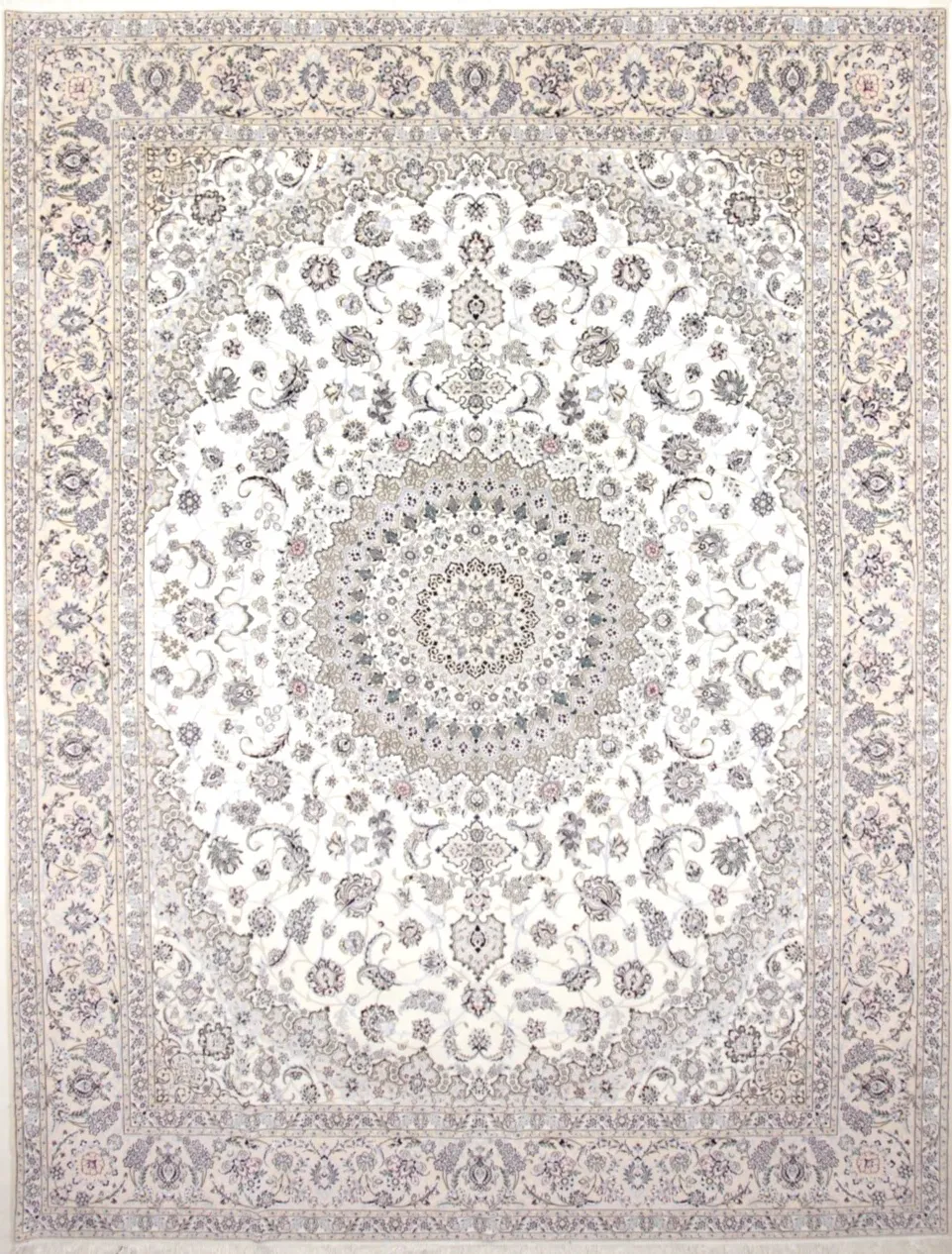
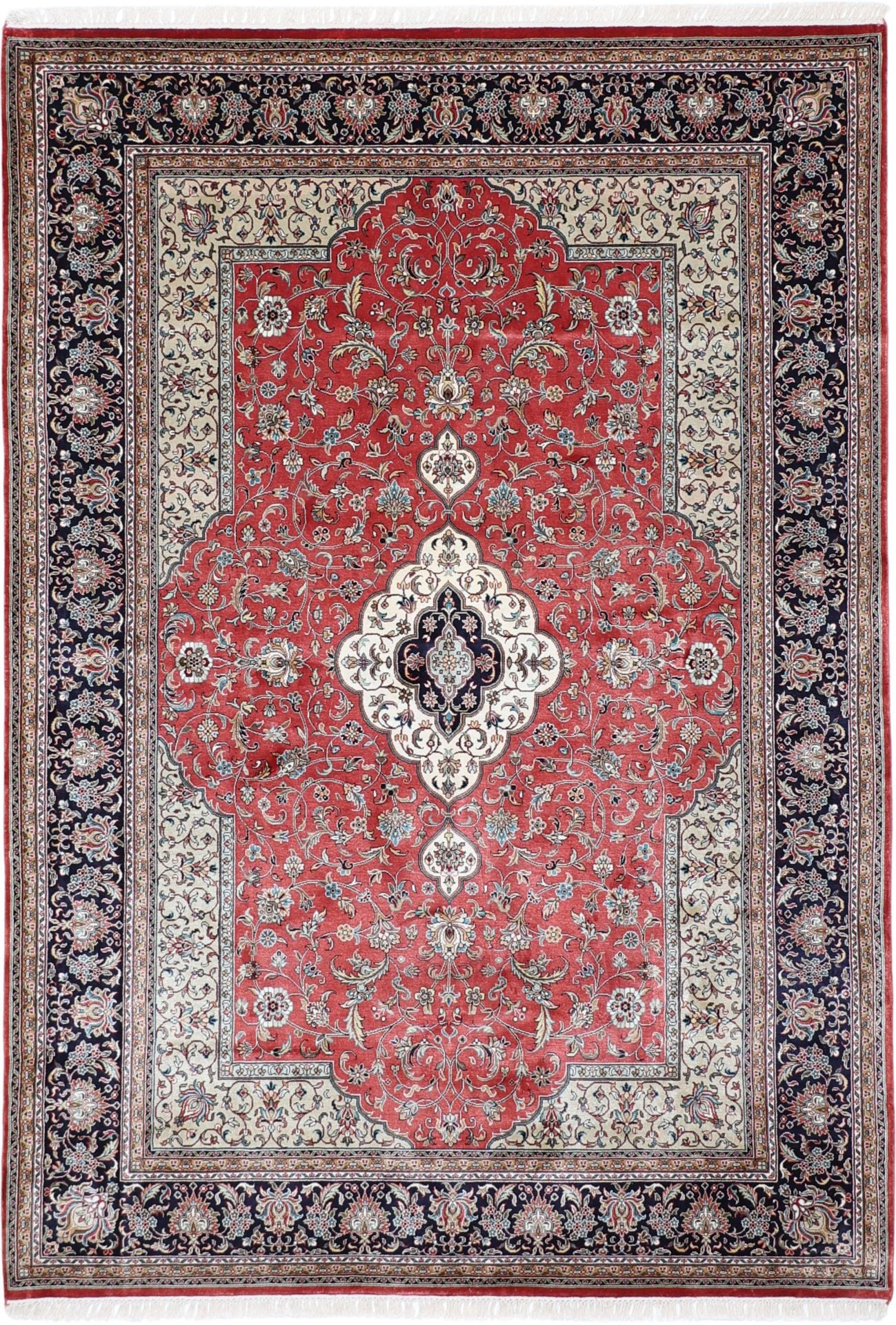
The fascination of oriental carpets: art, culture and craftsmanship combined
The fascination of carpets: art, culture and craftsmanship combined
Carpets are far more than just floor coverings. They are works of art created with skill and passion, carrying cultural stories and intertwining diverse traditions and craft techniques. Oriental carpets, in particular, enjoy immense popularity and are known for their remarkable craftsmanship. In this article, we delve deep into the fascinating world of carpets and explore the various aspects that make them so appealing.
The history of oriental carpets
The roots of oriental carpets go back thousands of years. The earliest examples come from Central Asia, where nomadic tribes began weaving carpets from wool and animal hair. These early carpets served not only for warmth but also for decoration and religious symbolism. The most famous carpet, the "Pazyrik Carpet," was found in a burial mound in the Altai Mountains and is more than 2500 years old.
With the spread of Islam in the 7th century, carpet weaving flourished in Persia, Anatolia, and the Indian subcontinent. Carpets became increasingly complex in design and technique, making them an important trading commodity on the Silk Roads. During this golden age, the use of carpets as a status symbol began to establish itself. They were not only used in palaces but also found their place in the wealthy households of the time.
Materials and techniques
The art of carpet weaving encompasses a variety of materials and techniques. Traditionally, oriental carpets are made of wool, silk, and cotton. Wool is the most popular due to its durability and warmth, while silk is prized for its luxurious texture and luster. Cotton is often used for the warp and backing because of its strength and durability.
The techniques used in carpet making vary by region and tradition. Some of the most popular methods include:
- Hand knots: This technique requires considerable skill and time. Each knotting technique has its own style, which is reflected in the knot density and robustness of the rug.
- Machine weaving: Unlike hand-loom rugs, this technique is used to produce rugs in large quantities and at lower prices. However, these rugs are often less durable than hand-loom rugs.
- Flat weave: In this technique, the threads are tightly interwoven to create a flat, textured fabric. This method is often used in Berberused in carpets.
Ornamentation and symbolism
Oriental carpets are often richly decorated and bear symbolism and patterns deeply rooted in the cultures of their origin. Geometric patterns, floral designs, and figurative depictions prove to be particularly characteristic of the various carpet traditions.
Each region has its specific designs:
- Persian carpets: These rugs are known for their complex floral patterns and rich colors. The design often reflects the geography and culture of the country of origin.
- Turkish carpets: These are usually more geometric, with clean lines and bold colors. They can often depict cultural narratives and customs.
- Indian carpets: They often combine elements from different cultures, including Persian and Turkish designs, with vibrant colors and floral patterns.
The value of handmade carpets
A handmade rug is more than just a piece of fabric; it's a work of art that can take years or even decades to create. The use of high-quality materials, the sophisticated craftsmanship, and the cultural significance woven into each piece make handmade rugs a valuable heritage.
Prices for handmade rugs can vary widely and depend on factors such as size, age, material, complexity of design, and origin. High-quality rugs are often considered an investment, as their value can increase over time.
Care and cleaning of carpets
To ensure the beauty and longevity of your carpet, regular care is necessary. Here are some care tips:
- Vacuuming: Regular vacuuming is important to remove dirt and dust that can damage the fibers.
- Stain removal: If stains occur, act immediately. Use a soft cloth and mild cleaning agents. Avoid harsh chemicals.
- Professional cleaning: Have your carpet professionally cleaned every few years to ensure thorough cleaning.
Carpets as design elements
Carpets play a crucial role in interior design. They set accents, define spaces, and add a personal touch. Several factors should be considered when choosing a carpet:
- Color: The color of the rug should harmonize with the room's decor. Light colors can brighten a room, while dark colors create a cozy atmosphere.
- Size: The size of the rug should be proportionate to the furniture and the room. It should either be placed under the furniture or at least surround it.
- model: Patterns can help create interesting visual contrasts, or they can be kept neutral to bring out the rest of the decor.
The carpet market today
The carpet market has changed dramatically in recent decades. International trade and access to online carpets have increased availability and variety. Today, you can purchase carpets from all over the world, allowing for a wide selection of designs and styles.
However, caution is advised when purchasing rugs. Increased demand has also brought about less quality-conscious manufacturers offering machine-made or inferior products. Therefore, it's important to do your research and choose trustworthy dealers to ensure you're purchasing a high-quality rug.
Final section
Oriental rugs are an expression of art, culture, and craftsmanship. Their history, techniques, materials, and designs reflect a rich heritage, making them an essential part of home decor and interiors. Given the diversity and complexity of rugs, choosing the right piece is often a personal journey that reflects both the home and one's identity. Whether as a family heirloom or an investment in timeless elegance, a rug not only enhances a room's beauty, but also tells stories and connects generations.
For those who want to delve deeper into the world of rugs, we offer a carefully selected range of handcrafted oriental rugs that bring beauty, culture, and tradition to any home. Visit our webshop to find the perfect piece for you.
FAQ
1. How do you recognize a handmade carpet?
A handmade rug is characterized by irregularities and variations in the pattern, which are a result of the craftsmanship. If the back of the rug is visible through the knotted pattern, it is likely handmade. Also pay attention to the quality of the materials used.
2. What is the difference between Persian, Turkish and Indian carpets?
Persian rugs are known for their detailed floral designs, while Turkish rugs tend to feature geometric patterns. Indian rugs often combine styles from different cultures, using vibrant colors and floral designs. Each region has its own special techniques and design traditions that give their rugs a unique character.
3. How often should I clean my carpet?
It is recommended that a handmade rug be professionally cleaned at least once a year to ensure its longevity. Regular vacuuming and prompt stain removal are also essential to prevent damage.