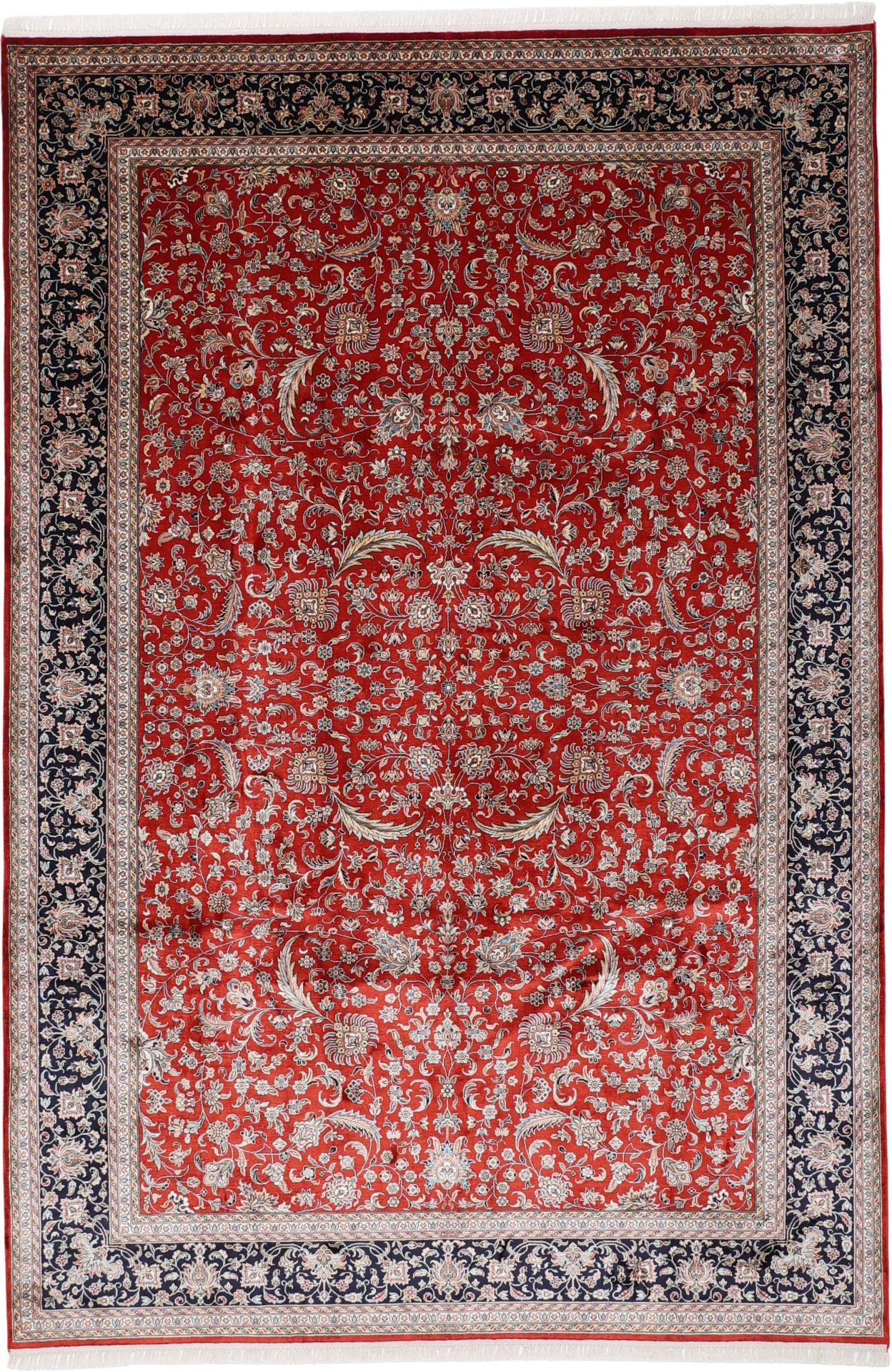
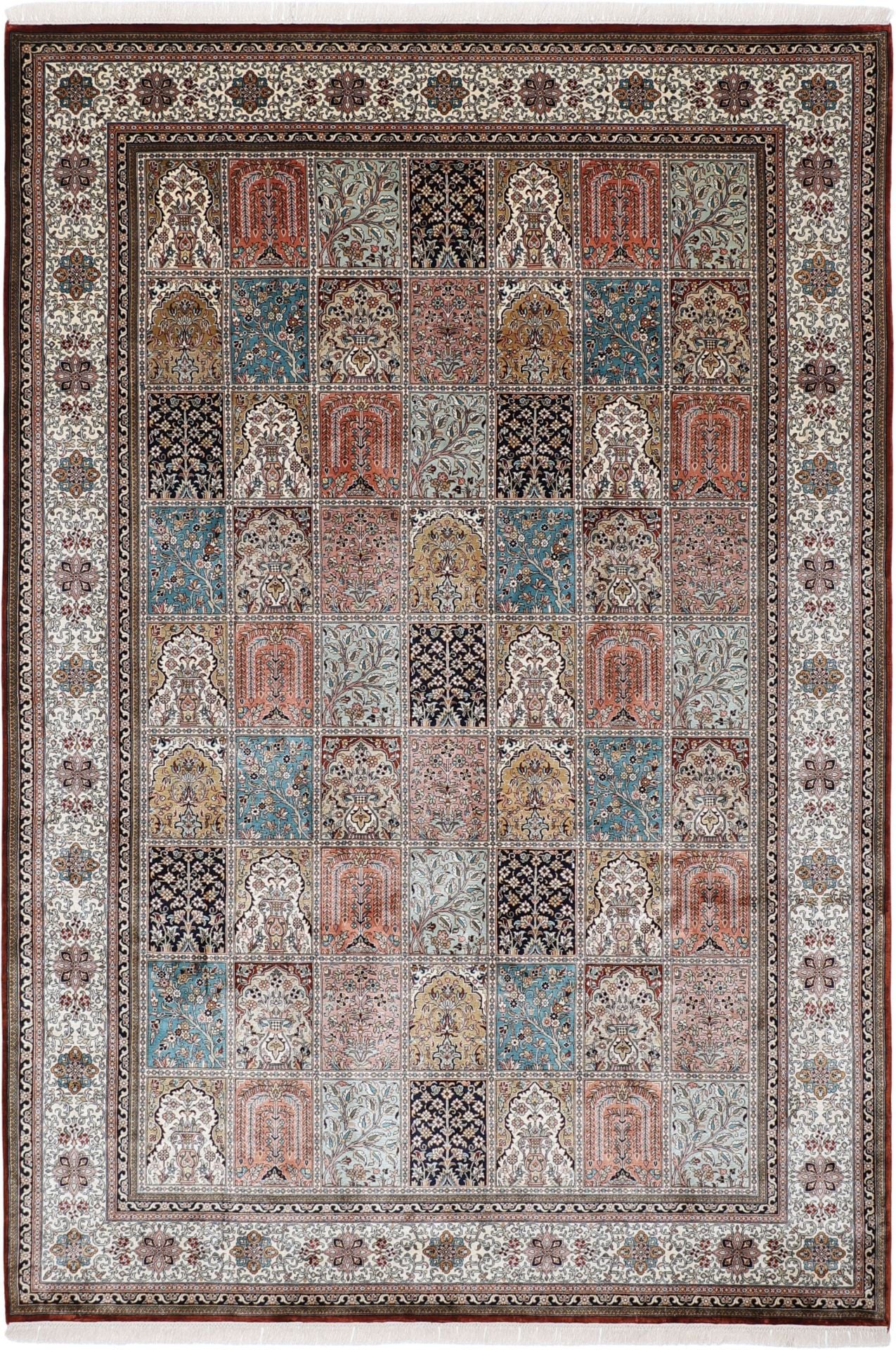
“The fascination of Indian carpets: craftsmanship and tradition from a thousand and one nights”
The fascination of Indian carpets: handicrafts and tradition from a thousand and one nights
Introduction
Indian rugs are more than just floor coverings; they are a piece of history, art, and culture spanning centuries. These exceptional works of art reflect the rich tradition of Indian craftsmanship and tell stories from a time when rug weaving was a highly respected art form. Manufacturing techniques, motifs, and materials vary depending on the origins and traditions of the different regions of India. In this article, we will explore the diverse aspects of Indian rugs, explore their history and significance, and offer valuable tips for selection and care.
The history of Indian carpets
The beginnings
Carpet weaving in India has its roots in the 16th century, when the Mughal Emperor Akbar expanded his influence over the country. He promoted the art form and attracted soft, colorful carpets from Persia, Central Asia, and the Middle East. These influences shaped Indian carpet style and led to a golden age in which sophisticated designs and techniques were developed.
The influence of the Mughal dynasty
Under the Mughal dynasty, carpet production experienced a true renaissance. In Jaipur and Agra, for example, a new category of carpets emerged, distinguished by their attention to detail and color variety. Craftsmen often took years to weave a single carpet, further increasing the exclusivity and value of these works of art.
Regional differences
Indian carpets are strongly regionally influenced. Among the most famous carpets are:
- Persian carpets (Ziegler) from Punjab: They are characterized by their bright colors and floral designs.
- Kashmir-Carpets: Famous for their fine materials such as wool and silk, they are often decorated with elaborate patterns.
- Bikaner Carpets: These carpets are known for their geometric patterns and are often in earthy tones.
The art of carpet weaving
Materials
The quality and durability of a rug depend heavily on the materials used. Traditionally, Indian rugs are made of wool, silk, or a combination of both. Wool is robust and durable, while silk is prized for its luster and fineness.
Techniken
The most popular technique for making Indian rugs is knotting. This method involves incorporating fine knots into the basic structure of the rug. There are various knot types, including the Persian knot test and the Turkish knot test, which create different surface textures.
designs and patterns
The designs are often a combination of floral motifs, geometric shapes, and traditional symbols that carry cultural and spiritual meanings. Each pattern tells its own story and reflects the region from which it originates.
The role of colors
Colors play a central role in rug art. Indian rugs often use vibrant and bold hues to bring the rug to life. The colors are not only aesthetic but also have symbolic meaning. For example, red often represents good luck and prosperity, while blue represents peace and tranquility.
Buying Indian carpets
Choosing the right carpet
There are several factors to consider when purchasing an Indian carpet:
- Size: Consider the space you have available. A larger rug can dominate a room, while a smaller rug can add accents.
- Design: Depending on your personal style and the decor of your room, you should choose a design that looks harmonious.
- Material: Choose a material that suits your needs. Wool is durable, while silk is more luxurious.
Where buy?
Indian rugs are available in many stores and online shops. When choosing, it's important to choose a reputable dealer who offers high-quality products and is transparent about the origin of the rugs.
Caring for Indian carpets
cleaning Tips
Caring for an Indian rug is crucial to its longevity. Here are some care tips:
- Regular vacuuming: To remove dust and dirt, it is advisable to vacuum the carpet regularly, but always without the brush attachment to avoid damaging the fibers.
- Treat stains immediately: If stains occur, dab them immediately with a damp cloth and do not rub to avoid damaging the fiber structure.
- Professional cleaning: Professional cleaning every few years can help preserve the carpet's colors and texture.
Storing carpets
If you need to store the carpet for a long time, please roll it up and store it in a dry, cool place to avoid mold and moth infestation.
The cultural significance of Indian carpets
Indian carpets are not only a craft, but also a part of cultural identity. They are often used during important ceremonies such as weddings and are a symbol of hospitality and prosperity. Artists and artisans put their skill and passion into carpet production, thus preserving the tradition for future generations.
Conclusion
The allure of Indian rugs is undeniable. From their rich history to the intricate designs and techniques used in their production, they can add a sense of warmth and elegance to any room. They are not only beautiful works of art, but also historical witnesses that tell stories of cultures and traditions.
If you're looking for a unique rug, take your time to explore different designs and materials. Remember, a rug is more than just a floor covering—it's a part of your room's design and an expression of your personal style.
FAQ
How do I recognize the quality of an Indian carpet?
The quality of a carpet is assessed based on several criteria, including the material, the number of knots per square meter (the higher the number, the finer the carpet), and the design. Another good sign is if the carpet comes from a reputable manufacturer.
How often should I clean my carpet?
It is recommended that carpets be thoroughly cleaned at least every six months and vacuumed regularly. Any stains should be treated promptly to avoid permanent damage.
Can Indian carpets be suitable for allergy sufferers?
Yes, many Indian rugs are made from natural materials that contain fewer allergens. However, if you are sensitive, it's advisable to choose special allergy-friendly rugs or consult a specialist retailer.