The fascination of Tabriz 70 RajA masterpiece of Persian carpet art
Carpets: A Journey Through the Art and Culture of Tabriz 70 Raj
Introduction
Carpets are not merely floor coverings; they are works of art that intertwine history, culture, and emotions. Persian carpets, in particular, and especially the... Tabriz 70 RajThese items are the product of centuries-old traditions and masterful craftsmanship. In this article, we will explore the fascination and special characteristics of these items. Tabriz 70 Raj To explore carpets, to shed light on the significance of carpets in Persian culture, and to provide valuable tips on the care and selection of these unique works of art.
The importance of carpets in Persian culture
Carpets are a central part of Persian culture and history. For centuries, they have been valued not only as decoration, but also as an expression of identity and social status. Carpet weavers often remained anonymous, yet their work tells stories of regions, tribes, and traditions. Each carpet is unique, reflecting the soul of its creator.
The history of the Persian carpet
The origins of carpet weaving in Persia date back to the 5th century BC, when the first evidence of braided and woven textiles was found. Over the centuries, carpet weaving developed into an artistic technique that has given rise to distinctive styles and patterns in different regions of Persia. The city Tabriz is particularly prominent because it is considered one of the centers of carpet production.
TabrizA center of the championship
TabrizLocated in northwestern Iran, it is famous for its exquisite carpets, prized for their intricate details and vibrant colors. Tabriz 70 Raj It is one of the most famous carpets from this region and is known for its fine knotting technique and the use of high-quality materials. With a knot density of 70 Raj Per square inch, this carpet is classified as high quality and durable.
Botanical inspiration of the Tabriz 70 Raj
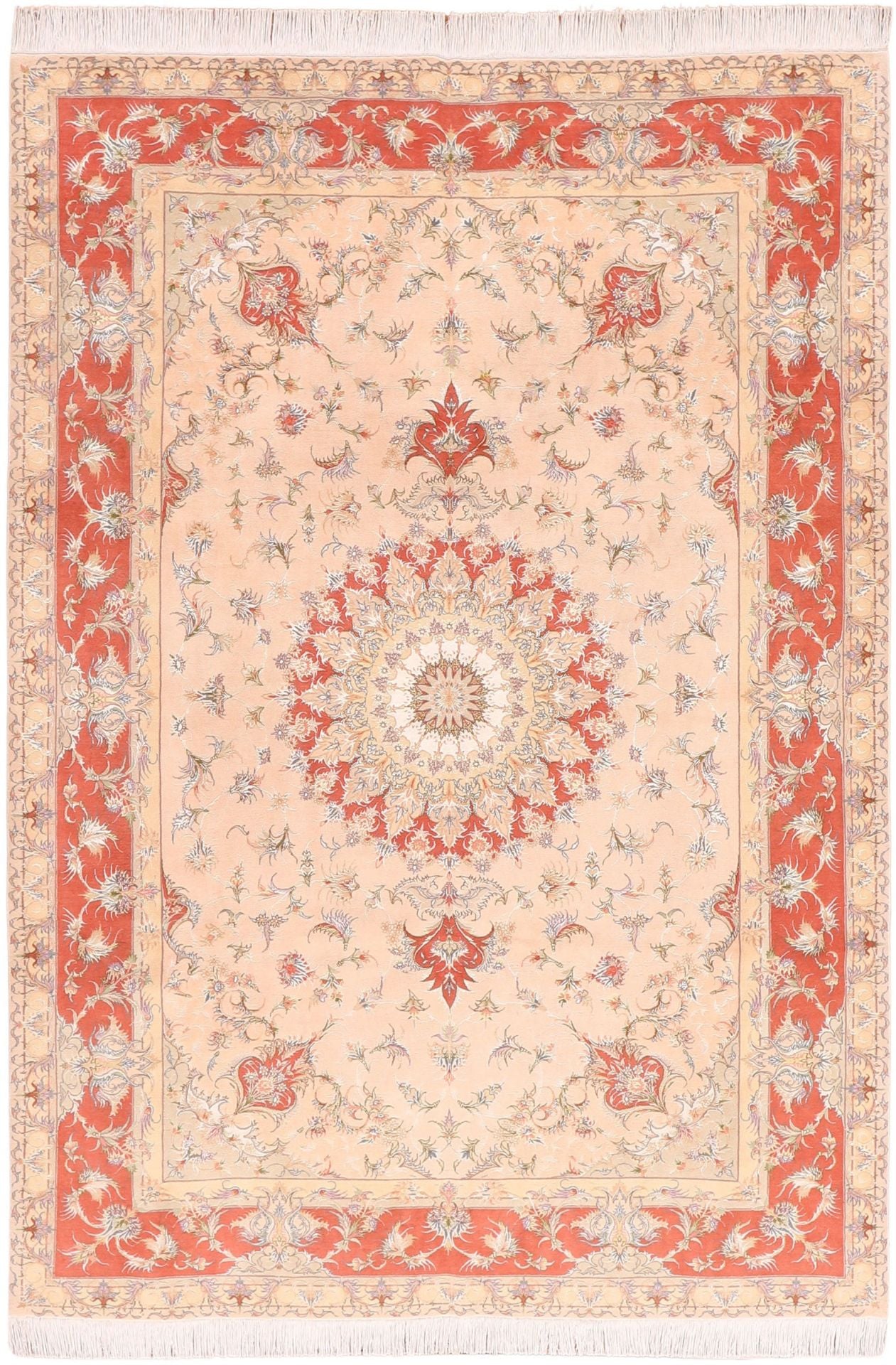
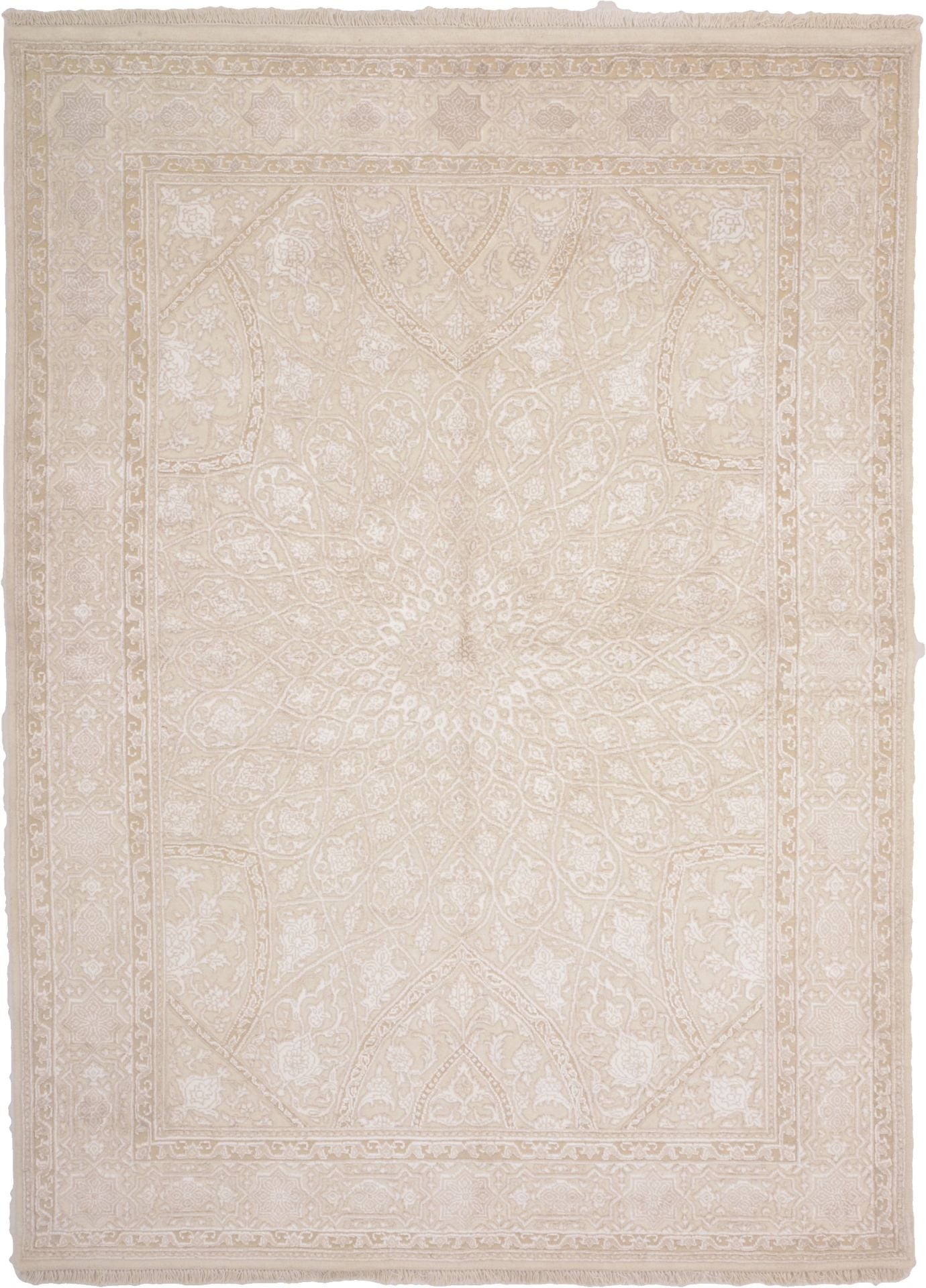
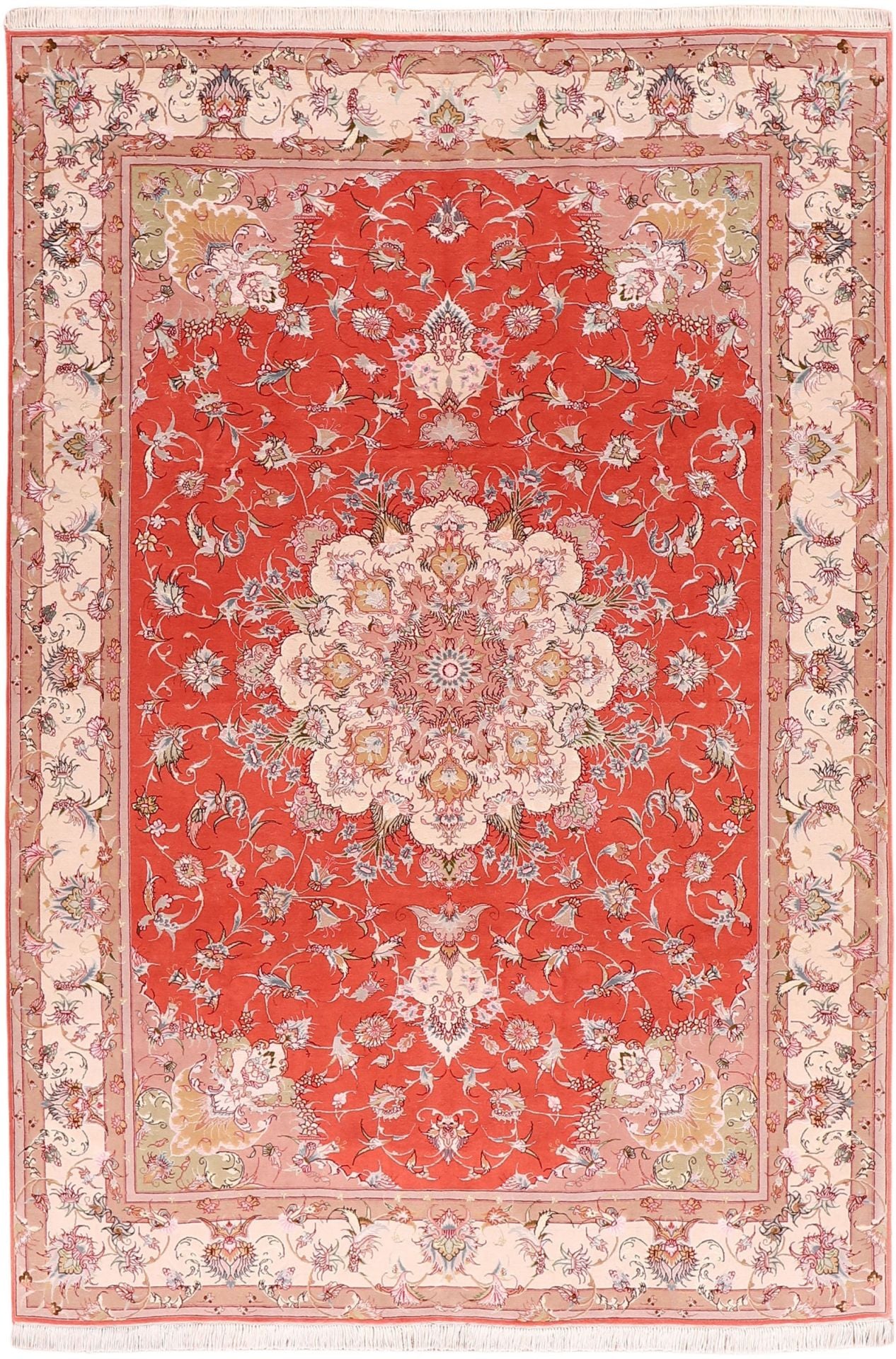
The designs of the Tabriz 70 Raj These rugs are often inspired by nature. Floral patterns, geometric shapes, and large medallions characterize this type of rug. These motifs serve not only aesthetic appeal but also symbolize fertility, growth, and harmony. The colors used range from deep reds and blues to soft beiges, which together create a harmonious overall look.
craftsmanship and materials
The manufacturing process
The art of rug weaving is a laborious process that requires skill and dedication. First, a design is created, often in the form of a large painting. Then, the raw materials, usually wool or silk, are prepared for the loom. Each set of knots is knotted with the utmost precision, resulting in unparalleled detail.
High-Quality Materials
The quality of the materials plays a crucial role in the durability and aesthetic value of a carpet. Tabriz 70 Raj Carpets are traditionally made from fine wool or silk, often treated with plant-based dyes that give them their characteristic colors. These materials are not only pleasant to the touch but also very durable.
Care and maintenance of Tabriz Carpets
A Tabriz 70 Raj It is not merely a piece of furniture, but an investment in timeless beauty. To maintain the quality and elegance of the rug, careful maintenance is required.
Cleaning
Regular sweeping with a soft broom or vacuum cleaner is essential to remove dust and dirt. Be sure to vacuum the carpet in the direction of the grain to avoid damage. For deep stains, using a damp cloth with mild soapy water can help, but always keep the wetness to a minimum. Professional cleaning services are the best choice when it comes to cleaning hand-knotted rugs.
Storage
If your Tabriz If you wish to store the rug for an extended period, carefully roll it up with the top side facing outwards. Store the rug in a cool, dry room and avoid direct sunlight to prevent fading. Be sure to store the rug in a breathable fabric or a special rug bag.
Choosing the right one Tabriz 70 Raj carpets
Choosing a rug is a significant decision that should be well-considered and guided by your personal sense of style. Here are some crucial factors to consider when selecting a rug. Tabriz 70 Raj Select carpet:
style and design
Tabriz Carpets are available in a wide variety of designs. First, determine which pattern and colors best suit your room. Make sure the carpet harmonizes with other furnishings and creates the desired ambiance.
Size and shape
The size of the rug plays an important role in the design of your room. Measure the area where you want to place the rug and choose a shape (rectangular, round, square) that fits well with the room's proportions.
Quality and price
quality Tabriz Carpets are expensive, but they are also an investment. Make sure the price is fair and that the quality corresponds to the materials used and the knotting technique. Also, check if there are any guarantees or certificates of authenticity for the carpet.
Final section
The Tabriz 70 Raj A carpet is more than just a floor covering; it's a piece of history and art that can be integrated into any home. Combining artistic design, high-quality materials, and traditional craftsmanship, it offers not only aesthetic appeal but also a touch of culture that brings spaces to life. Whether you're a seasoned collector or a newcomer to the world of carpets, understanding and appreciating these masterpieces will help you make the right choice. Invest in the timeless beauty of a Tabriz 70 Raj Carpets and enrich your home with a unique piece of Persian art.
FAQ section
1. How do I recognize a genuine one? Tabriz Carpet?
real Tabriz Carpets are distinguished by their high knot count, fine details, and the use of high-quality materials. An important indicator of authenticity is the manufacturer's seal or certificate. Also, pay attention to the back of the carpet; genuine hand-knotted carpets have an irregular pattern, while machine-made carpets are usually symmetrical.
2. How can I remove stains from my Tabriz Remove carpet?
When it comes to stains, it's important to act quickly. Use a clean, white cloth to gently blot the stain, not rubbing. Mix warm water with a mild detergent and blot the affected area with another clean cloth. If the stain persists, it's best to contact a professional carpet cleaner.
3. Where should I place my Tabriz Where is the best place for a rug?
Your place Tabriz The choice of rug depends on the room's design. Ideally, the rug should be placed in an area that is both visible and frequently walked on, such as in the living room or under a dining table. Avoid exposing the rug to direct sunlight to prevent fading.