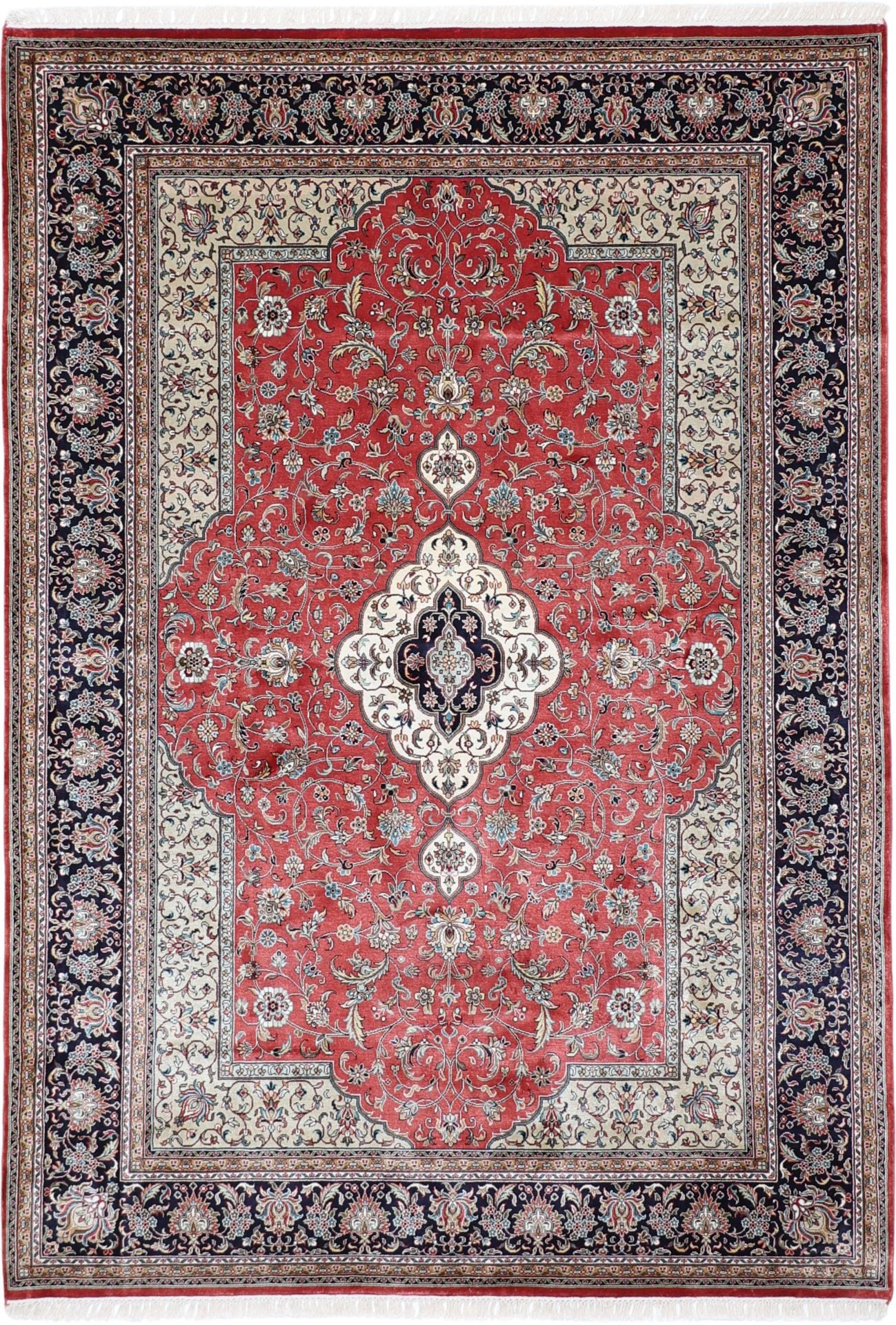
The fascination of pink: Oriental carpets as an expression of elegance and tradition
The fascination of pink: Oriental carpets as an expression of elegance and tradition
Introduction
Carpets are far more than just functional floor coverings. They are an expression of art, culture, and craftsmanship. Oriental carpets, in particular, with their vibrant colors and complex patterns, embody elegance and tradition. In today's article, we'll explore the various aspects of oriental carpets, from their history and production to care and styling tips.
The history of oriental carpets
Oriental rugs have a long and fascinating history dating back to ancient times. They are not only home accessories but also cultural relics that preserve stories and traditions for centuries.
Origin and development
The origins of carpet weaving can be traced back to the nomadic tribes of Central Asia. These tribes needed sturdy and durable carpets for their tents. Over time, various styles and patterns developed, often reflecting regional and cultural influences.
The role of silk and wool
The use of wool and silk in carpet making was crucial to the development of oriental carpets. Silk was often used in the magnificent carpets of Persia, while wool was the preferred choice for more robust, everyday carpets. The color pigments, obtained from natural sources, gave the carpets their characteristic color variety, including the fascinating pink tones typical of many oriental carpets.
Symbolism of colors
Colors play a central role in the world of oriental rugs. Shades of pink are not only aesthetically pleasing but also carry symbolic meanings. They often represent joy, hospitality, and affection. These meanings add an extra dimension to the rugs, making them more than just decorative elements.
The art of carpet weaving
The production of an oriental rug is a complex process that requires considerable skill and experience. The art of knotting is often passed down from generation to generation.
Materials and tools
The quality of the materials used is crucial for the longevity and beauty of a rug. In addition to wool and silk, cotton and leather are also common materials. The knotting technique itself is usually carried out with special tools that allow the threads to be processed precisely and tightly.
Techniken
There are various techniques for knotting carpets, including Persian, Turkish, and Soumak. Each technique has its own characteristics and requires different skills. Persian carpets are known for their dense knots and complex patterns, while Turkish carpets often feature a simpler, geometric design.
patterns and designs
The patterns and designs of oriental rugs are as diverse as the cultures from which they originate. From floral to geometric designs, each pattern reflects a story or symbolism. Popular designs include the “Herati“- and the “Boteh” style, both of which have deeply rooted cultural meanings.
Care and maintenance of oriental carpets
To preserve the beauty and quality of oriental carpets, proper care is crucial.
Regular cleaning
Regular vacuuming is essential to remove dirt and dust particles that can damage the fibers. When doing this, set the vacuum cleaner on a low setting to avoid damaging the carpet.
Professional cleaning
At least once a year, a professional carpet cleaner should be called in to remove deeper deposits that aren't visible to the naked eye. Professional cleaning can also be helpful in removing stains.
Avoiding sunlight
Direct sunlight can cause the colors of an oriental rug to fade. It's advisable to place rugs in an area where they are not constantly exposed to direct light.
Carpets in the interior – style and elegance
Rugs are not only practical, they also contribute to the overall aesthetic of a room. The right choice and placement of a rug can significantly influence the ambiance of a room.
Carpets as focal points
An oriental rug can serve as a focal point in a room. With their rich design and vibrant colors, they immediately draw the eye and enhance any space. The colors and patterns of a rug are particularly effective in neutrally decorated rooms.
Combination with furniture
Oriental rugs are versatile and can be combined with both classic and modern furniture. When choosing furniture, it's important to consider the colors and styles of the rug to create a harmonious overall look.
Carpets in different rooms
Whether in the living room, bedroom, or even the dining area, oriental rugs bring elegance to any room. In the living room, they can define the area around a seating area, while in the bedroom they provide warmth and coziness.
The diversity of oriental carpets
The world of oriental carpets is fascinating and diverse. Each country has its own carpet traditions and techniques, resulting in a wide range of styles.
Persian carpets
Persian carpets are considered the most elegant of all Oriental carpets. They are distinguished by their intricate patterns and vibrant colors. The most famous regions for carpet production in Persia are: Isfahan, Tabriz and Kerman.
Turkish carpets
Turkish carpets are characterized by geometric patterns and vibrant colors. They are often less complex than their Persian counterparts, but have their own charm. Famous regions for Turkish carpets are Anatolia and Cappadocia.
Indian carpets
Indian carpets often combine tradition with modern designs. They are known for their variety of colors and rich patterns. The city of Jaipur is particularly famous for its high-quality carpets.
Conclusion
Oriental rugs are far more than just floor coverings; they are works of art that embody tradition and culture. From the captivating colors that tell stories to the intricate patterns that represent generations of artisans, they bring elegance to any home. Whether as a focal point in a minimalist room or a highlight in a traditional setting, the right oriental rug can significantly change the look of a room.
Investing in a high-quality oriental rug is worthwhile. With proper care, you'll enjoy these timeless works of art for a long time, enriching your rooms with a touch of tradition and elegance.
FAQ
1. How do I recognize the quality of an oriental carpet?
To assess the quality of an oriental rug, you should pay attention to the knot density, the material used, and the craftsmanship. High-quality rugs have a high knot density (at least 100.000 knots per square meter) and are made of natural materials such as wool or silk.
2. What is the best way to clean an oriental rug?
Regular vacuuming is important to remove dirt. For deeper cleaning, you should consult a professional. Be careful not to wash the carpet in hot water and avoid harsh cleaning agents.
3. Where can I find the best place for my oriental rug?
The best place for an oriental rug is in a room with minimal direct sunlight to avoid color fading. It can be used in living rooms, bedrooms, and even dining areas. Make sure it's not in high-traffic areas to minimize wear and tear.