The fascination of the modern Kelims: Tradition meets contemporary design
Carpets: The fascination of the modern Kelims – Tradition meets contemporary design
Introduction
Carpets are more than just practical furnishings – they are an expression of culture, history, and personality. Especially the KelimWith its vibrant colors and geometric patterns, it has gained popularity in recent years. In this article, we will explore the fascinating world of modern KelimWe explore designs that remain true to their traditional roots while embodying a contemporary understanding of design. We cover topics such as origin, manufacturing methods, various designs, care, and use in modern interior design.
The history of the Kelims
origins and cultural significance
KelimThese are textile artworks originating from oriental weaving traditions. They were primarily produced by nomadic peoples in Turkey, Iran, and the Caucasus. Originally, they served not only as floor coverings but also as wall elements and tent linings. Each pattern and color has a specific meaning and tells stories about the culture, traditions, and lives of the people who created them.
Evolution of Design
Over time, the designs of KelimIt has changed. In traditional manufacturing, geometry and symbolism played a central role. Today's designs often combine traditional elements with modern aesthetic considerations and can be found in a variety of styles, from minimalist to boho-chic.
Materials and manufacturing
Traditional choice of materials
KelimThey are typically made from natural materials such as wool, cotton, or silk. Wool is particularly popular because it is durable and dirt-repellent. Cotton, on the other hand, offers a wide range of colors and a soft feel.
Weaving techniques
The traditional production of KelimIt is produced through weaving, a technique practiced for centuries. The highest level of craftsmanship emphasizes precision and attention to detail. The use of knots, weft, and warp threads creates the characteristic patterns and textures.
Modern improvements
Modern KelimManufacturers often use flawless machine weaving techniques to speed up production and reduce costs. Nevertheless, there is a return to traditional craftsmanship, and many Designer They work closely with craftsmen to create authentic pieces that respect tradition.
design variations
geometric pattern
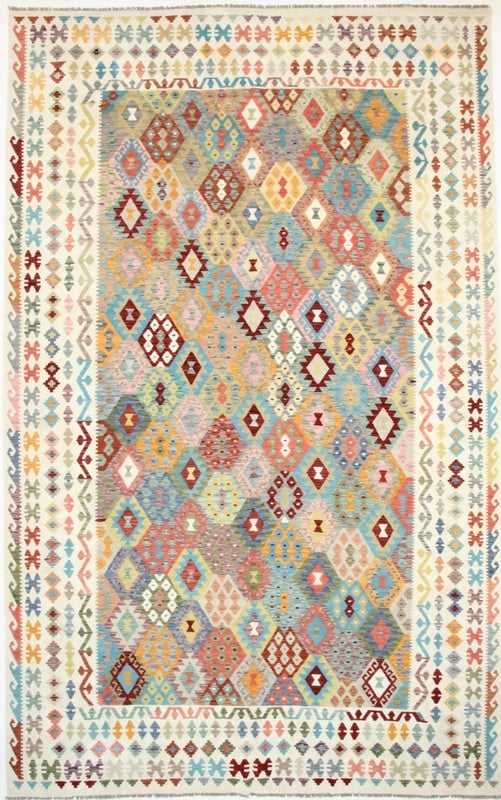
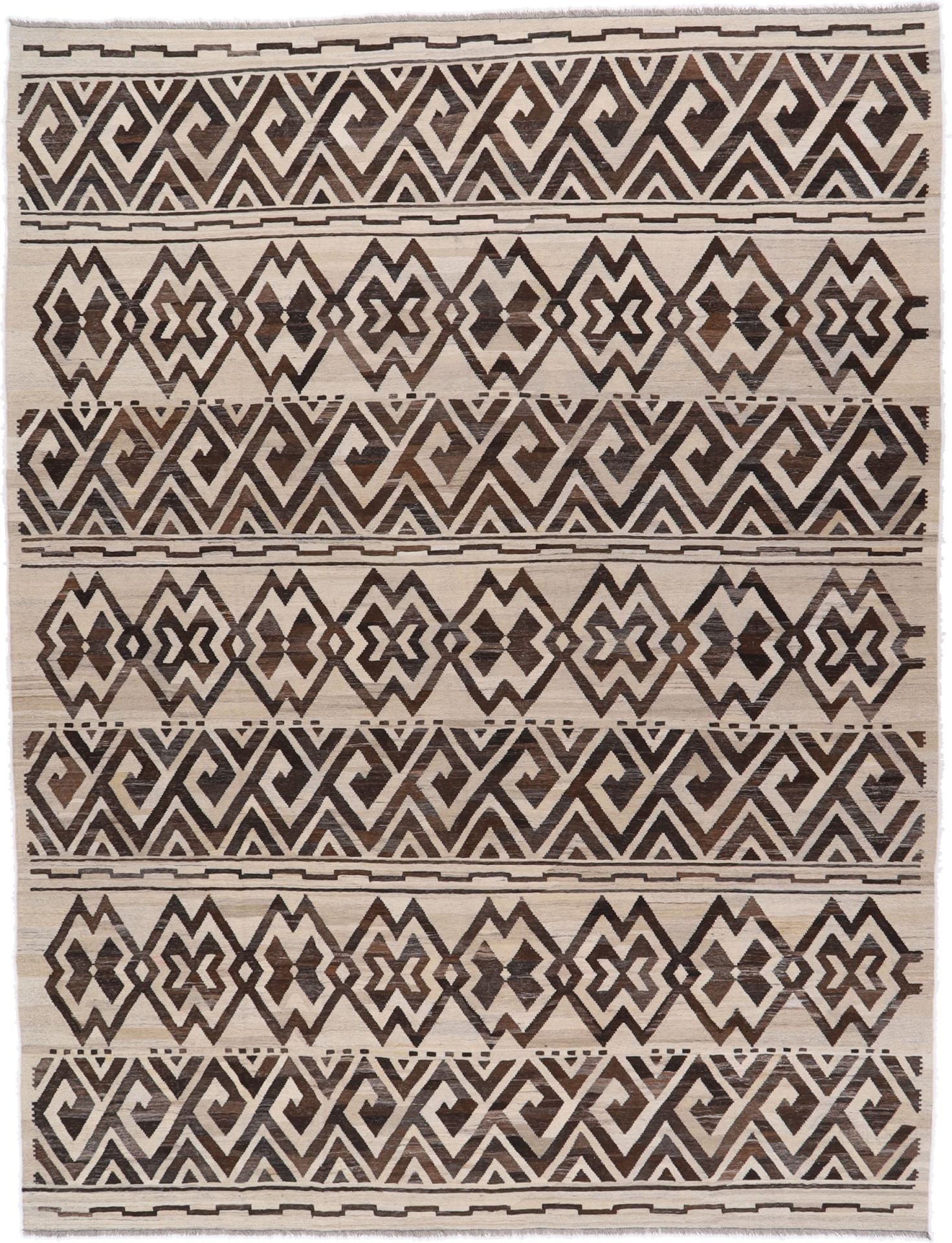
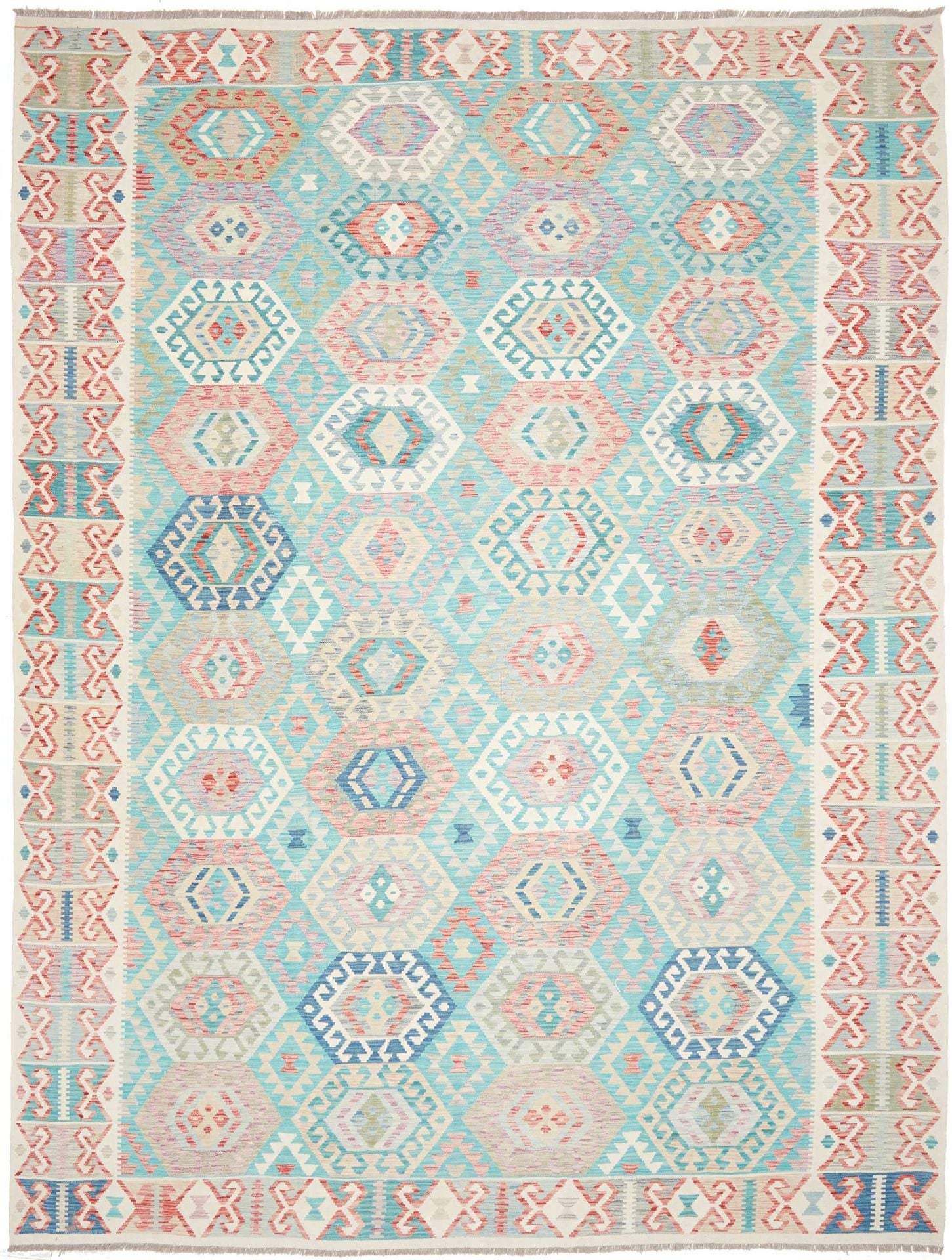
The geometric patterns are the trademark of the KelimThese designs are often conceived to repeat themselves and create a harmonious overall impression. From triangles to diamonds – the variety is virtually limitless.
Color symbolism
Colors carry an important meaning in the world of KelimRed tones often represent passion and energy, while blue tones symbolize calm and peace. Understanding color symbolism can be helpful when searching for the ideal rug.
Fusion of styles
today Designer often combine traditional
KelimPatterns with contemporary elements. The fusion allows old and new influences to be combined, resulting in unique works of art that fit into any modern living environment.
Use in interior design
Set accents
A Kelim It can serve as an accentuating element in a room. Whether as a rug under a dining table or as wall covering, it brings color and texture to any environment.
Stylistic flexibility
KelimThey are characterized by their stylistic diversity. They can be used in classic, modern, or eclectic interiors. This versatility makes them an excellent investment for any living environment.
Combination with furniture
To get the best out of one Kelim To get the most out of it, it's important to combine it harmoniously with furniture and other decorative elements. A neutral floor covering, for example, can be perfectly combined with a colorful one. Kelim They can be combined to create a balanced overall picture.
Care and Maintenance
General care
Taking care of one KelimIt's not as complicated as many people think. Regular vacuuming removes dirt and prevents it from accumulating. Stains should be treated immediately to avoid permanent damage.
Professional cleaning
For a thorough cleaning, a professional should be consulted, especially if the carpet is made of wool or silk. Professional cleaners use special techniques that preserve the colors and integrity of the material.
Storage
If a rug is not going to be used for an extended period, it should be stored carefully. Store it in a dry place and protect it from direct sunlight to prevent color fading.
Conclusion
Modern KelimThey are not only beautiful displays of traditional craftsmanship, but also timeless works of art that bridge the gap between ancient traditions and contemporary designs. They offer not only practical benefits, but also enrich the home with splashes of color and cultural depth. Whether you want to enhance a room or add a new dimension to your collection, a Kelim is the perfect choice. The combination of history, craftsmanship, and modern design makes these rugs a true treasure for interior design.
FAQ
1. How do I recognize a genuine one? Kelim?
A real Kelim It is characterized by handwoven knots and a flat structure. Pay attention to the materials, such as wool or cotton. An authentic one. Kelim It often has colorful, vibrant patterns.
2. Can I get a Kelim wash?
Yes, most of them KelimThey can be cleaned with water and mild soap. Be careful not to make the water too hot and avoid rubbing too hard to prevent damaging the colors. For stubborn stains, professional cleaning is recommended.
3. Where can I get a Kelim Want to buy
KelimThey are available in specialized carpet shops as well as online. Be sure to buy from trusted vendors who can guarantee the origin and quality of the carpets. In many cases, online shops also offer customer reviews and return options, which can help with your purchase.
This knowledge and heeding the tips in this article can help you appreciate the fascination and true value of a modern Kelimto recognize and appreciate it.