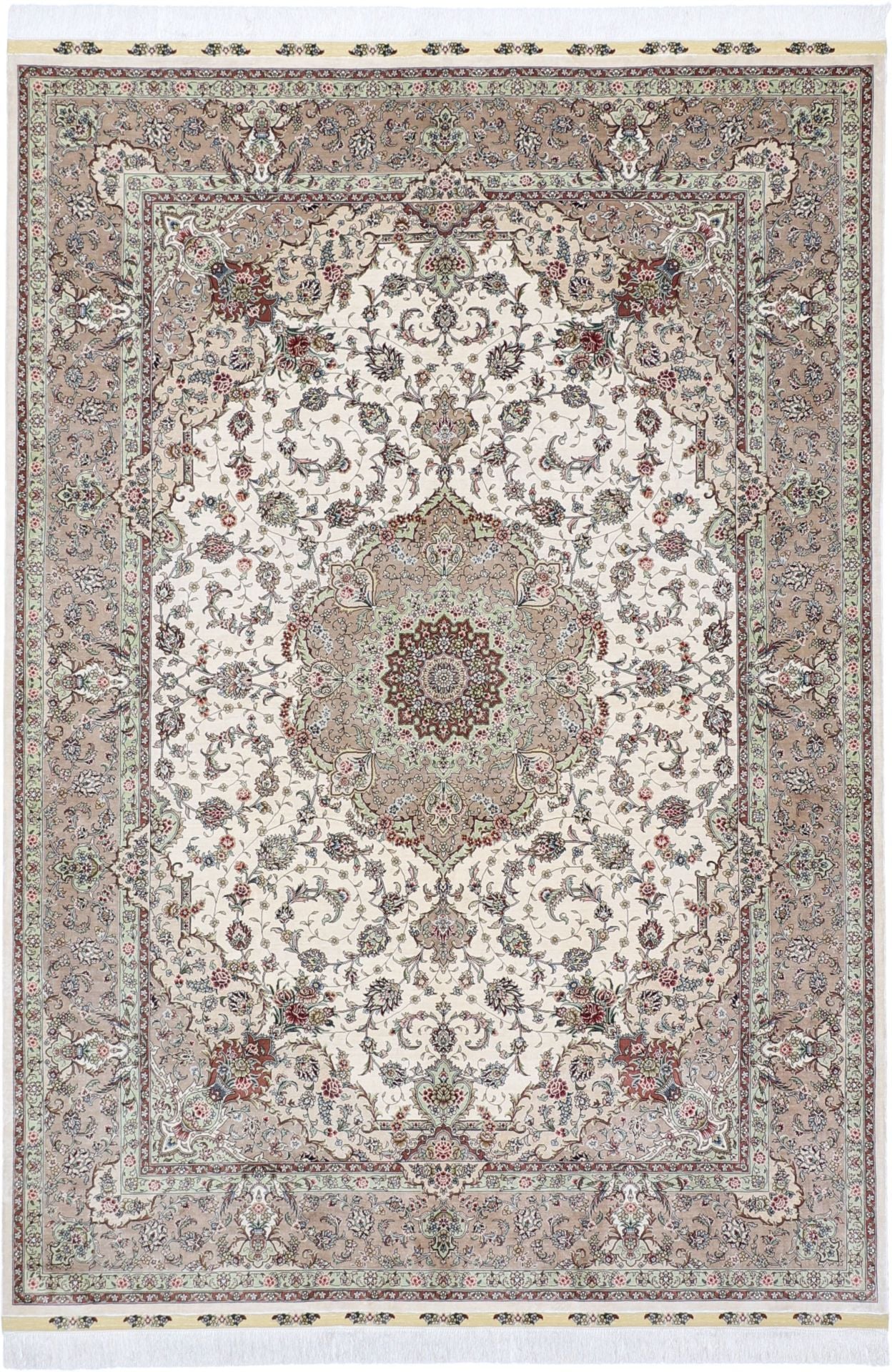
The fascination of mirror patterns: harmony and reflection in art
The fascinating world of carpets: harmony and reflection in art and design
Introduction
Carpets are more than just floor coverings; they are cultural artifacts that tell stories, define spaces, and evoke emotions. The beauty and allure of mirror patterns—which often address themes of harmony and reflection in art—also find their way into the world of carpets. In this article, we take you on a journey of discovery through the different styles, materials, and meanings of carpets, inspired by the aesthetic power of mirror patterns.
The history of carpets
Origins and development
Carpets have a long and diverse history. They originated in ancient times, where they were used as functional and decorative elements in various cultures. The oldest known carpets come from what is now Iran and date back to the 5th century BC. These early carpets were not only practical floor coverings but also status symbols that reflected the wealth and power of their owners.
Carpets as an art form
Over the centuries, carpets have evolved into an art form characterized by intricate patterns and colors. Mirror patterns—common across cultures—symbolize reflection, balance, and harmony. These designs captivate the viewer, creating a weightless connection between space and time.
Materials and manufacturing
Natural vs. Synthetic
Carpets are made from a variety of materials, including wool, silk, cotton, and synthetic fibers. Each material brings its own characteristics and benefits. Wool, for example, is known for its durability and pleasant feel, while silk carpets offer exquisite texture and unparalleled color palette.
The manufacturing process
Traditional rug making is a skilled process often passed down from generation to generation. Handmade rugs go through several steps, including spinning the fibers, dyeing the wool, and knotting the rug itself. These techniques are often deeply rooted in the culture of the region.
design and aesthetics
Color theory in carpet design
Color choice plays a crucial role in rug design. Colors used in mirror patterns are often vibrant and contrasting, creating a harmonious effect. The psychology of color shows that certain color combinations can evoke moods and emotions. For example, shades of blue have a calming effect, while reds symbolize energy and passion.
Patterns and symbols
The patterns and symbols in carpets tell stories about the culture and traditions of their origins. Mirror patterns can have various meanings, from depicting duality to themes such as protection and prosperity. These designs can be found not only in art, but also in architecture and interior design.
Carpets as a design element
Harmonization of spaces
Rugs can have a significant impact on a room. Not only do they create a pleasant atmosphere, but they also help visually separate different areas. A mirror-pattern rug can serve as a central element, dividing the room into its individual sections while simultaneously conveying a harmonious overall impression.
Acoustics and comfort
An often overlooked benefit of carpets is their ability to reduce noise levels. They act as sound absorbers and increase comfort in living spaces. This is especially important in open-plan living spaces, where noise between different areas can quickly become a challenge.
Care and Maintenance
Cleaning of carpets
Proper care is crucial to ensuring the beauty and longevity of a carpet. Regular vacuuming and professional cleaning are essential to remove dust and dirt. When stains occur, it's important to act quickly and use appropriate cleaning methods to avoid damage.
storage and handling
When a carpet is no longer in use, proper storage is important. It should be kept in a dry, cool place to prevent mold and moth infestation. It's also advisable to air the carpet occasionally.
Mirror patterns in modern interior design
Minimalism and mirror patterns
Minimalism is experiencing a renaissance in modern interior design. Mirror patterns can serve as an accentuating element, adding depth to a room without overpowering it. A strategically placed rug with a harmonious mirror pattern can underscore the minimalist style while adding an elegant touch.
Mix of styles
Combining different styles in interior design is a common practice that has gained popularity in recent years. Rugs with mirror patterns can play a central role here, connecting different design elements and creating a unique, personal style.
The cultural significance of carpets
Carpets as social markers
Carpets often carry cultural and social significance that goes far beyond their decorative function. In many cultures, they are used as gifts at weddings or other important life events, thus symbolizing unity and community.
Art and tradition
Carpet making is an art form deeply rooted in tradition in many cultures. Many Designer and artisans use ancient techniques to create modern carpets that combine the beauty of the past with contemporary elements.
Conclusion
Carpets are a fascinating medium with the power to transform spaces and tell stories. Inspired by the harmony and reflection embodied by mirror patterns, the world of carpets offers a rich variety of possibilities for design and decoration. Choosing a carpet can be both an aesthetic decision and a profound connection to a culture or tradition.
FAQ
1. How do I choose the right carpet for my room?
Choosing the right rug depends on several factors, including size, color, material, and design. Consider the atmosphere you want to create and how the rug will complement existing furniture and decor.
2. How do I clean my carpet properly?
Regular cleaning is crucial for the longevity of a carpet. Vacuum at least once a week and remove stains promptly with appropriate cleaning products. Professional cleaning is recommended once a year.
3. Can carpets improve the acoustics of a room?
Yes, carpets have sound-absorbing properties that can reduce noise levels in a room. This makes them ideal for open-plan living or noisy environments.
With this information and insights, you are now well equipped to explore the world of carpets and appreciate their diverse influence on your home.