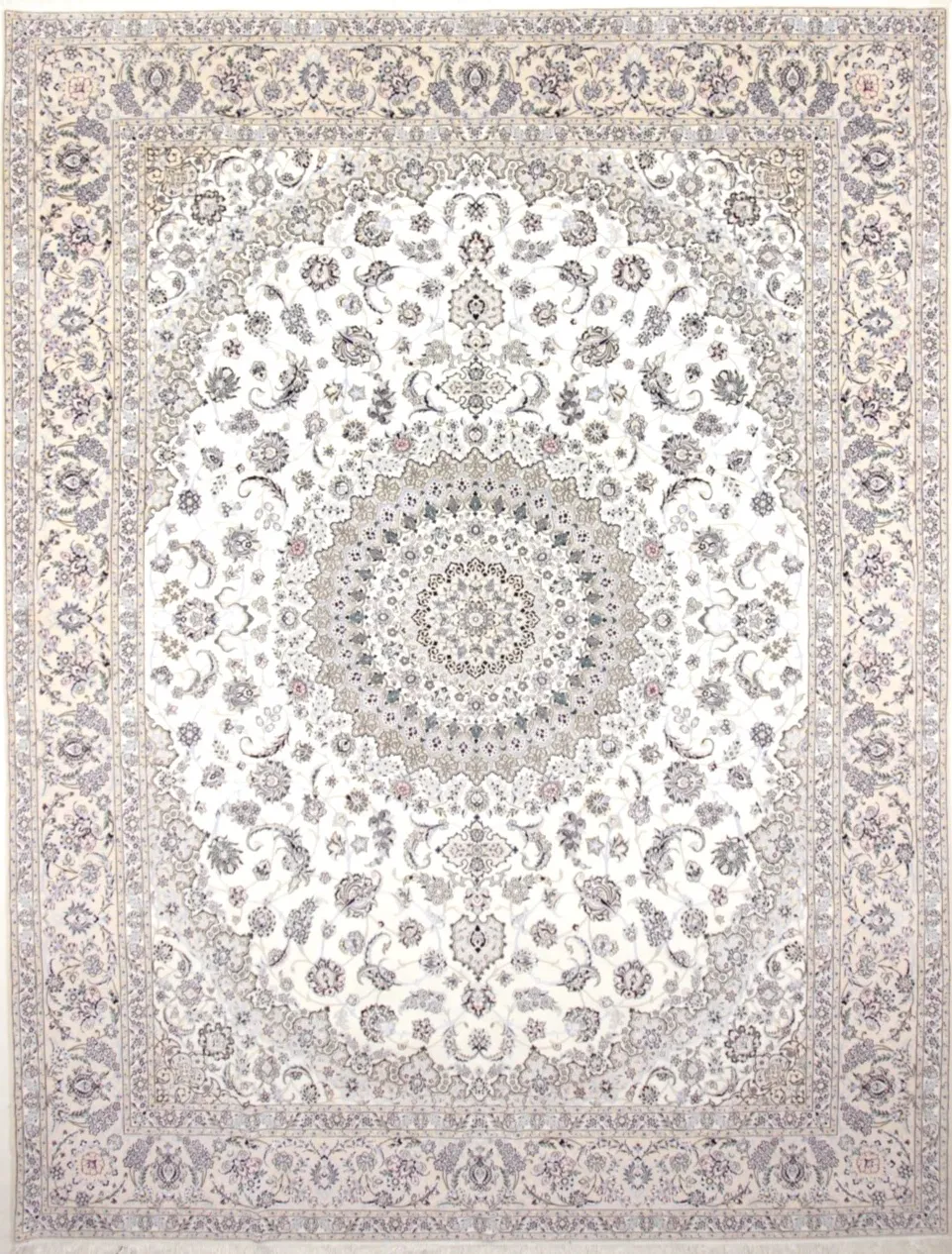
The fascination of Keshan carpets: tradition, art and craftsmanship from Persia
Carpets: The fascination of Keshan carpets – tradition, art and craftsmanship from Persia
Introduction
Carpets are far more than just a way to decorate the floor. They are works of art that tell stories and preserve traditions. Particularly noteworthy are the Keshan carpets, which originate from the city of the same name in Persia (present-day Iran). These carpets combine craftsmanship, cultural depth, and aesthetic beauty in a unique way. In this article, we will explore the fascinating world of Keshan carpets, providing a comprehensive insight into their history, craftsmanship, design features, and significance for contemporary interior design.
The history of Keshan carpets
The roots of Keshan carpets reach back to the 16th century. During the Safavid dynasty, carpet production in Persia boomed, and Keshan became one of the most important centers of this art. The city itself is located in the province of Isfahan and was known for its rich cultural and artistic tradition. Keshan carpets were originally made for kings, nobles, and the wealthy bourgeoisie, who placed great value on aesthetics and quality.
The carpets were often knotted in large workshops under the direction of experienced masters who passed their knowledge on to the next generation. Many carpets bore the master's signature, which helped collectors verify quality and authenticity.
The art of carpet weaving
Materials
Keshan rugs are traditionally made from high-quality wool, silk, or a combination of both. The wool often comes from local sheep and is known for its durability. Silk, on the other hand, gives the rugs a special luster and unique texture. The color palette ranges from natural earth tones to vibrant, saturated colors derived from plant and mineral dyes.
Knotting techniques
The knot is the heart of every hand-knotted carpet. Keshan carpets often use the Persian knot, which is double and gives the carpets high density and durability. The knotting technique used influences not only the durability of the carpet but also its appearance and feel.
patterns and designs
Keshan carpets are characterized by their complex patterns, which often combine floral and geometric elements. The designs reflect Persian culture and history. Popular motifs include medallions, scrolls, and stylized flowers. Mythological or historical scenes are also frequently found, conveying a deeper meaning and lending the carpets a narrative character.
The symbolism of Keshan carpets
The motifs and colors of Keshan carpets are not just aesthetic choices, but also carry a deeper symbolic meaning.
color psychology
In Persian culture, colors have specific meanings. Red represents happiness and prosperity, while blue is associated with spirituality and peace. Yellow, on the other hand, symbolizes joy and prosperity. These colors are carefully chosen to appeal to the emotions and values of the people who view the carpet.
Motifs and their meanings
Floral motifs often symbolize the beauty of nature and the human connection with their environment. Geometric patterns can allude to the infinity and diversity of life. Some rugs also contain motifs that reflect the faith and religious beliefs of the wearer, making the rug not only a decorative but also a spiritual element.
The importance of Keshan carpets today
Interior architecture and design
Keshan rugs are becoming increasingly important in modern interior design. They are not only decorative elements, but also contribute to creating a welcoming and warm atmosphere. The combination of tradition and contemporary design makes Keshan rugs a versatile furnishing element that blends seamlessly into both classic and modern spaces.
Increased value and collectibles
A Keshan carpet is not only a functional object, but also an investment. Authentic, hand-knotted Keshan carpets can increase in value and are highly sought after by collectors. The acquisition of such a carpet is often considered an investment in art and culture.
Sustainability and craftsmanship
In an age where sustainability is playing an increasingly important role, hand-knotted carpets are an environmentally friendly alternative to machine-made products. Traditional craftsmanship promotes the preservation of techniques and traditions passed down through generations. Purchasing a Keshan carpet not only supports local craftsmanship but also contributes to the preservation of cultural identity.
Care and maintenance of Keshan carpets
To preserve the beauty and longevity of a Keshan carpet, regular care is essential. Here are some tips:
Regular cleaning
To remove dirt and dust, the carpet should be vacuumed regularly. Use a vacuum cleaner with a soft brush to avoid damaging the fibers. Avoid cleaning products that may contain harmful chemicals.
Professional cleaning
For thorough cleaning and care, the carpet should be professionally cleaned every few years. Special methods are used to protect the colors and fabric.
Protection from sunlight
Keshan rugs should not be exposed to direct sunlight, as this can cause color fading. Use curtains or drapes to provide shade.
Avoidance of moisture
Excessive humidity can lead to mold growth, while extreme dryness can make the fibers brittle. Make sure the carpet is stored in a temperate climate without drastic temperature fluctuations.
Conclusion
Keshan carpets are not only works of art, but also bearers of history, culture, and tradition. Their timeless beauty and cultural heritage make them highly popular in modern interior design. Whether you're looking for a carpet for your home or as an investment, a Keshan carpet is always a valuable choice. The combination of high-quality craftsmanship, symbolic designs, and sustainable production ensures that these carpets remain truly fascinating.
Take the opportunity to immerse yourself in the world of Keshan carpets and be inspired by their timeless elegance and the stories they tell.
FAQ
1. How do I recognize an authentic Keshan carpet?
Authentic Keshan rugs are hand-knotted and characterized by delicate knotting techniques and complex patterns. Pay attention to the quality of the materials (wool and silk) and the presence of the master's signature. Furthermore, the back of the rug should be clearly visible and the knots evenly distributed.
2. Are Keshan carpets suitable for underfloor heating?
Yes, Keshan carpets can be used on underfloor heating systems as long as the heating temperature is not set too high. However, extreme temperatures and humidity should be avoided to ensure the longevity of the carpet.
3. How much does a Keshan carpet cost?
Prices for Keshan rugs vary widely depending on size, material quality, and design complexity. Small, simpler rugs can cost upwards of €500, while large and highly ornate examples can cost several thousand euros or more. It's worth investing in a high-quality piece that is both beautiful and durable.