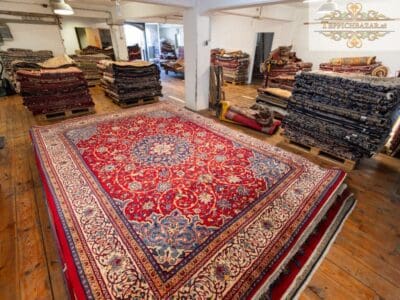
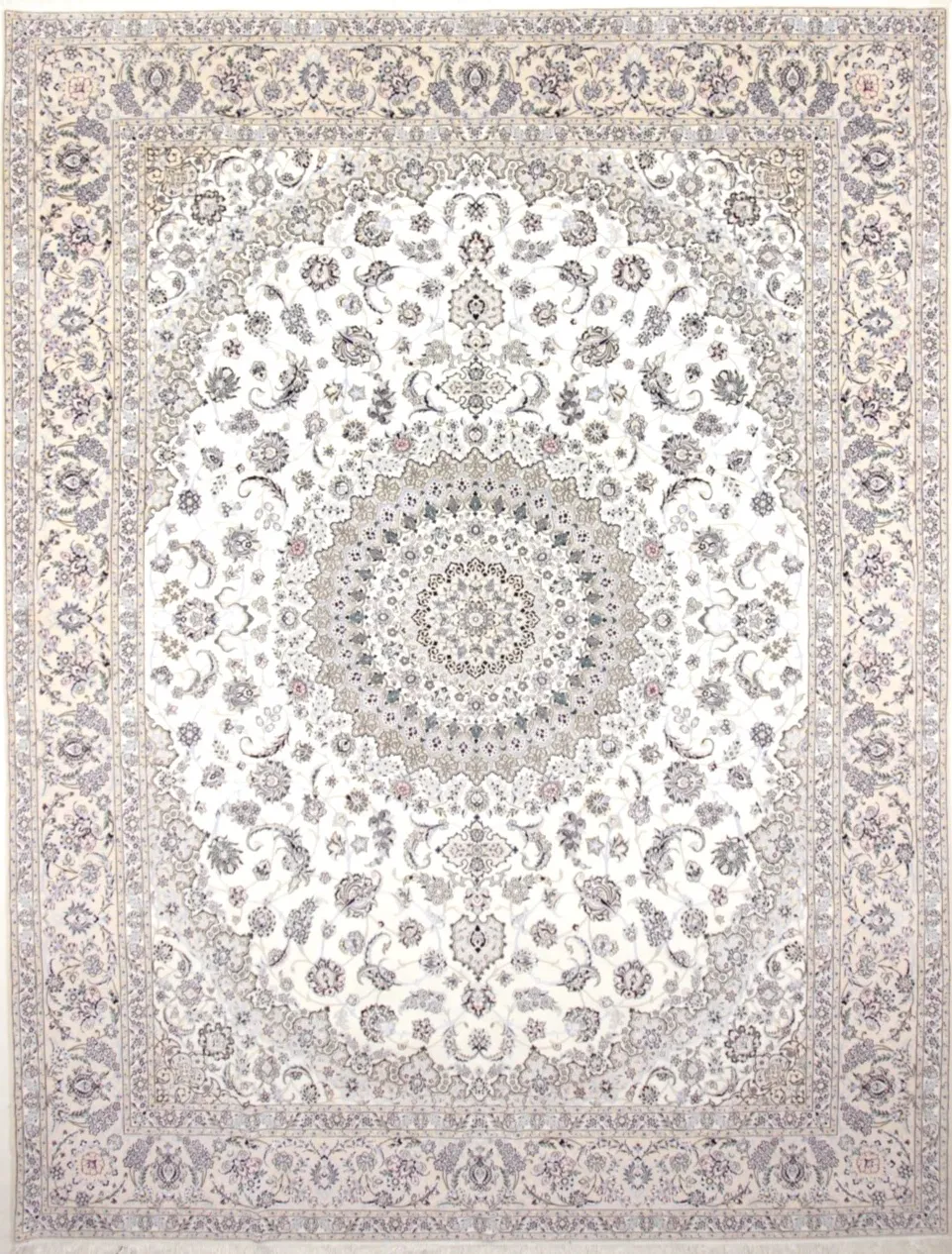
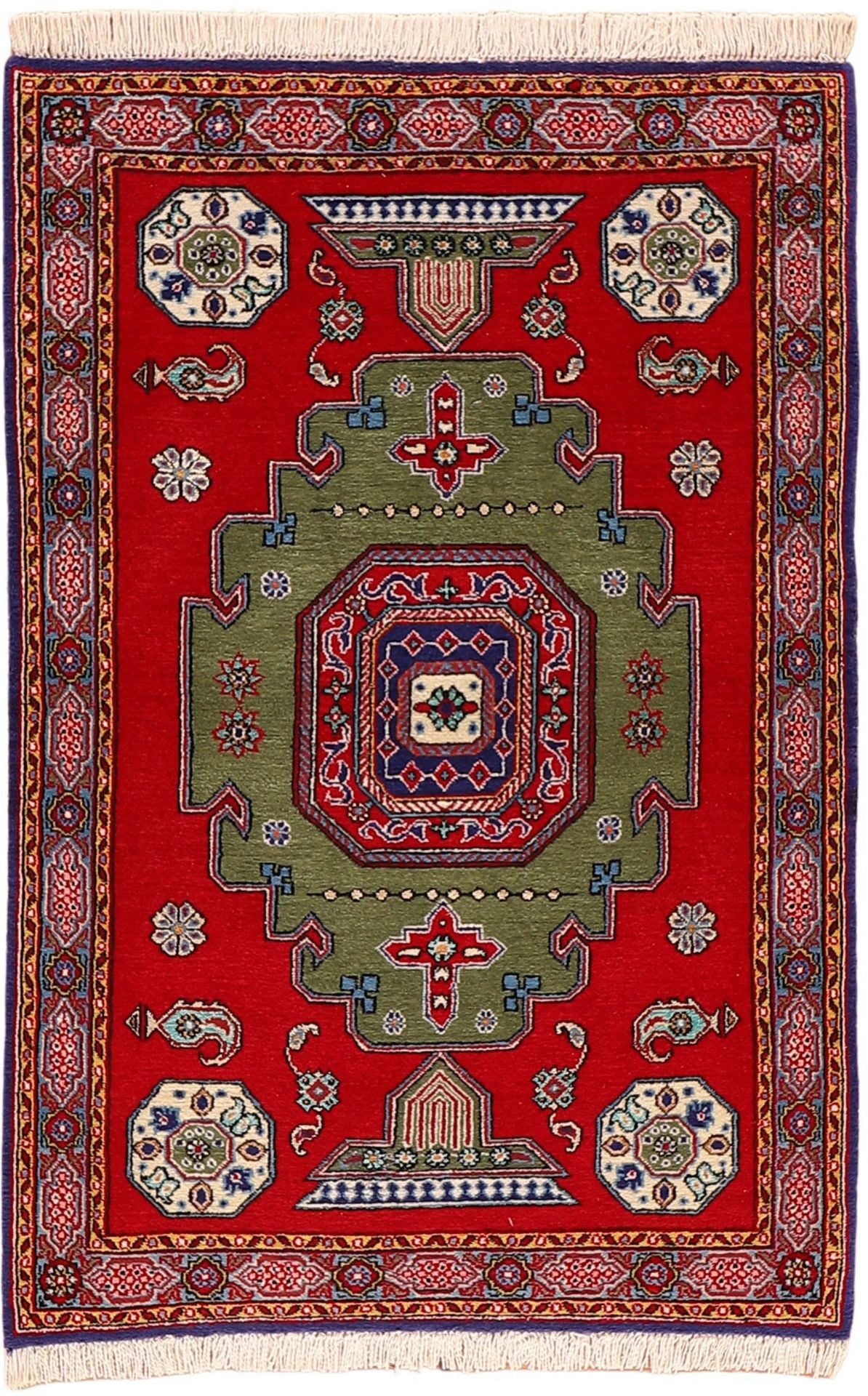
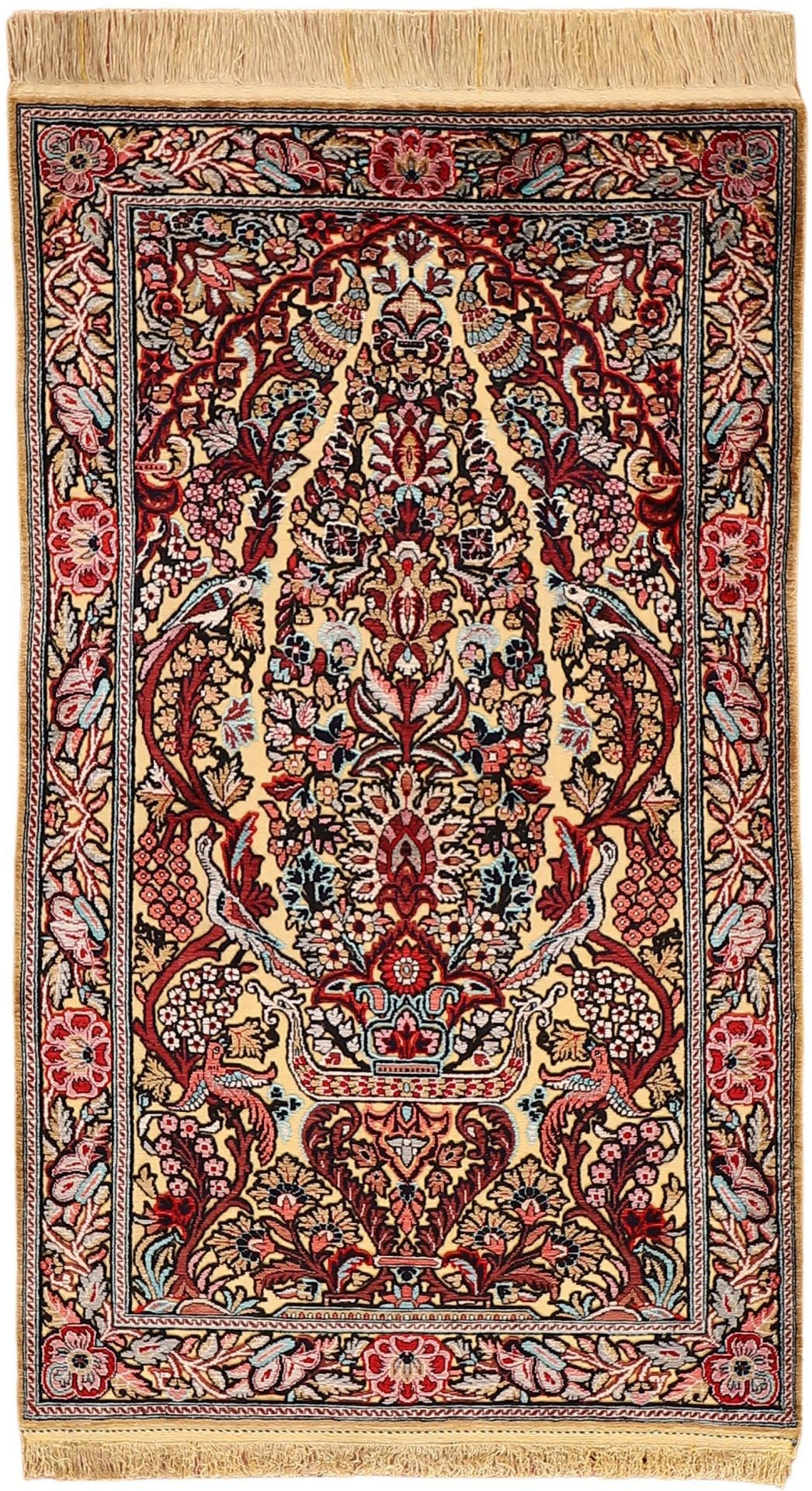
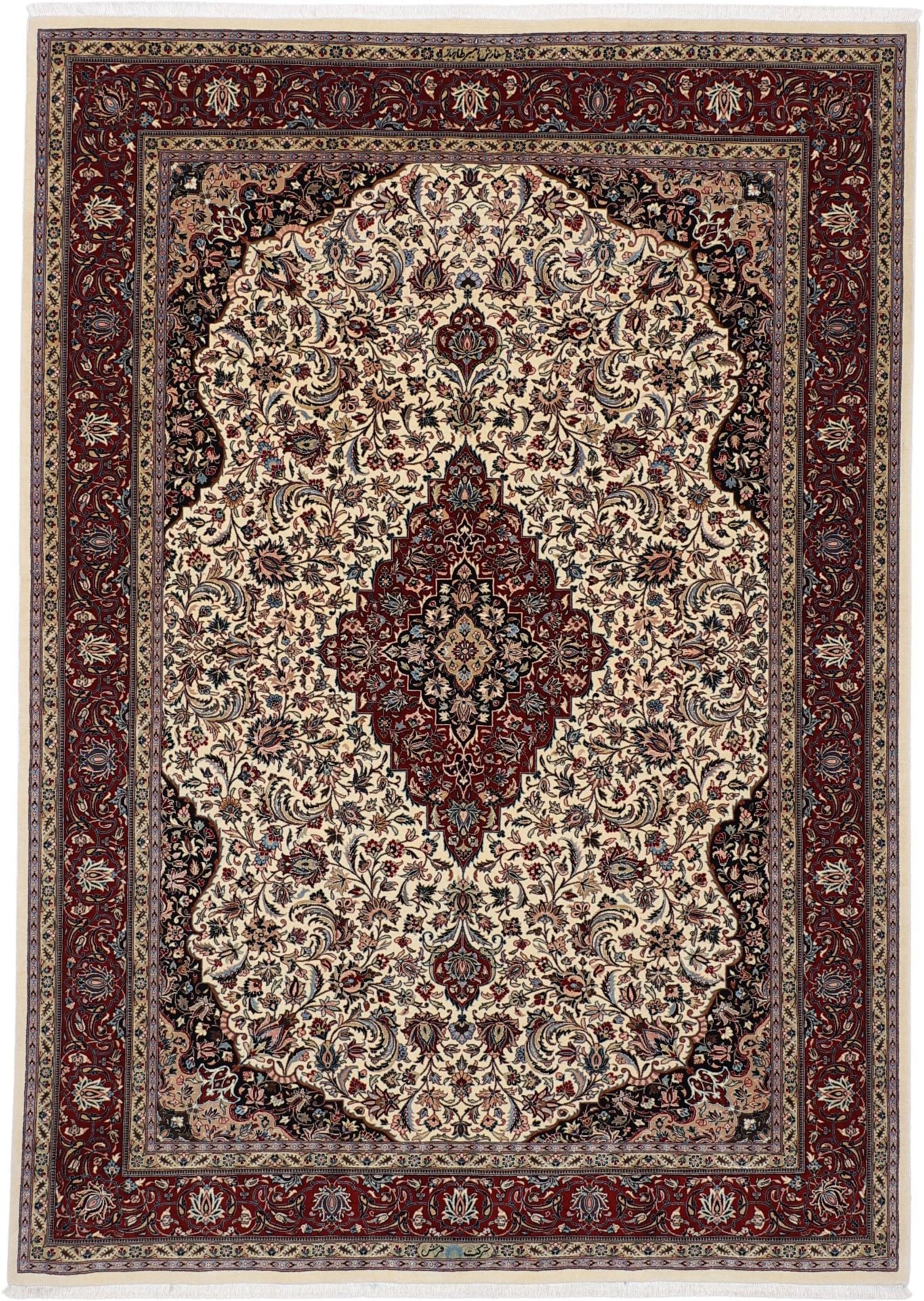
“The fascination of Kazakh carpets: works of art from tradition and craftsmanship”
The fascination of carpets: works of art from tradition and craftsmanship
Introduction
Carpets are far more than just simple floor coverings—they are an expression of culture, history, and craftsmanship. Carpets are highly popular in many regions of the world, especially in Central Asia. Kazakh carpets are particularly fascinating, as they demonstrate a deep connection to the traditions and craftsmanship of their region. In this article, we take a look at the various aspects of carpet making, their cultural significance, and the diversity they have to offer.
History of carpet art
The art of carpet weaving has a long history dating back to ancient times. Countless cultures have developed their own unique techniques and designs over the centuries. The first carpets are believed to have originated in Central Asia, where nomadic peoples used the craft as a way to enhance their living spaces and meet the needs of a mobile lifestyle.
Origins and development
The oldest known carpets come from what is now Iran and date back to around 400 BC. Carpet art quickly spread to neighboring regions. Over time, different cultures developed their own styles, specific to their way of life and aesthetic preferences. Kazakh carpets, for example, are often inspired by nature and the nomadic lifestyle.
Materials and techniques
Carpet weaving is a laborious process that requires both time and skill. The main materials used to make carpets are wool, silk, and cotton.
Natural fiber: wool
Wool is the most common material for carpets. It is durable, resilient, and has insulating properties. Kazakh carpets often use sheep's wool, which is obtained from local sheep. It offers a soft texture and a pleasant feeling underfoot.
Silk: Luxurious accents
Silk, on the other hand, is used for particularly high-quality carpets. It impresses with its fine structure and luster. Kazakh carpets with silk elements are rarer, but add luxurious touches to traditional designs.
Cotton: Durability
Cotton is also widely used, especially for carpet backing and pattern demarcation. It's easy to care for and durable, making it an ideal material.
Knotting techniques and patterns
To create a carpet, artisans use various knotting techniques. In the case of Kazakh carpets, the so-called "Turkey fold" is often used. This technique gives the carpets a particularly dense and durable weave.
Traditional patterns
The patterns of Kazakh carpets are often symbolic and storytelling. Typical motifs include geometric shapes, plants, and animals that reflect the beauty of the Kazakh landscape. Many designs have deeper meanings, often linked to religious beliefs or important life events.
The artistic and cultural significance
Carpets are not only a functional element of a home, but also a medium for preserving stories and traditions. In Kazakhstan, carpets play a central role in ceremonies and festivals.
Social significance
A Kazakh rug can be considered a status symbol. The quality and complexity of the design often reflect the social status of the owner. At weddings or other important occasions, a special rug is often presented to underline the significance of the event.
Care and maintenance of carpets
A carpet is an investment that requires care to preserve its beauty. Here are some tips for caring for Kazakh carpets:
Regular cleaning
Vacuuming is essential to remove dirt and dust. However, care should be taken not to over-stress the carpet. Finer carpets should be cleaned with a soft brush.
Professional cleaning
It is advisable to have carpets professionally cleaned regularly to protect the fibers and refresh the colors.
Protection from light
Direct sunlight can bleach the colors of a carpet. It's recommended to protect the carpet from direct light sources to preserve the color intensity for as long as possible.
The influence of modern design
While traditional carpet art is deeply rooted in the culture, modern Designer They have begun to reinterpret classic designs in new ways. These contemporary rugs offer a fresh perspective on old techniques without losing sight of the cultural context.
Mixture of tradition and modernity
The fusion of modern designs with traditional motifs creates a unique product that is both old and new. Modern materials and innovative techniques also offer new opportunities to further develop the textile art form without losing touch with tradition.
Carpets in interior design
Carpets play a central role in interior design. They can structure spaces, set accents, and significantly influence the atmosphere of a room.
Color integration and interior design
A well-chosen rug can help integrate colors and styles. In open-plan living spaces, it can serve as a visual divider between different areas. Kazakh rugs, with their vibrant colors and patterns, are ideal for enlivening a room while creating a sense of warmth.
Conclusion
Carpets are far more than just everyday objects; they are works of art, shaped by tradition, craftsmanship, and cultural significance. Kazakh carpets, in particular, offer a fascinating insight into the soul of a people. Their production requires a high degree of craftsmanship and attention to detail. With proper care and preservation, these works of art can last a lifetime and delight generations.
A rug is not only an enrichment for the home, but also a piece of history that tells stories and connects cultures. In a fast-paced world, the value of craftsmanship and tradition is increasingly recognized, and rugs are at the heart of this awareness. Investing in a high-quality rug is therefore not just a matter of design, but also an appreciation for art and craftsmanship that endures for centuries.
FAQ
How do I recognize a genuine Kazakh carpet?
Genuine Kazakh rugs are characterized by their high-quality materials, dense weaving, and traditional patterns. Pay attention to the craftsmanship and the absence of machine stitches. You should also check the country of origin, as authentic rugs often come directly from artisans in Kazakhstan.
How do I properly care for my carpet?
To extend the lifespan of a carpet, regular vacuuming is essential. Avoid direct sunlight and occasionally have your carpet professionally cleaned to gently remove dirt. If stains occur, treat them promptly and use mild cleaning agents.
What is the price of a Kazakh carpet?
Prices for Kazakh rugs can vary widely and depend on several factors, such as material, size, and complexity of the design. High-quality hand-knotted rugs are generally more expensive, while machine-made versions are less expensive. Expect prices ranging from a few hundred to several thousand euros, depending on these factors.