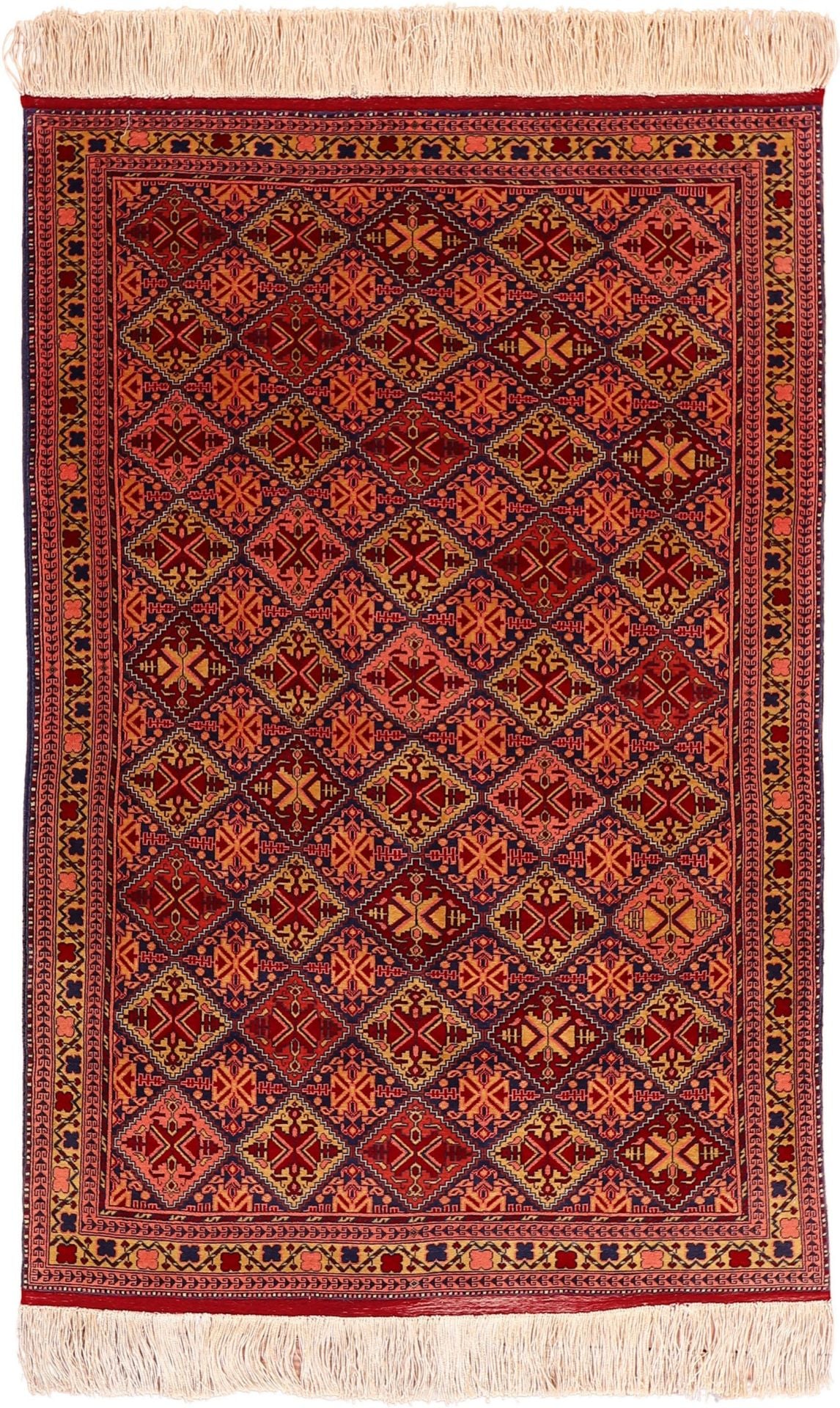
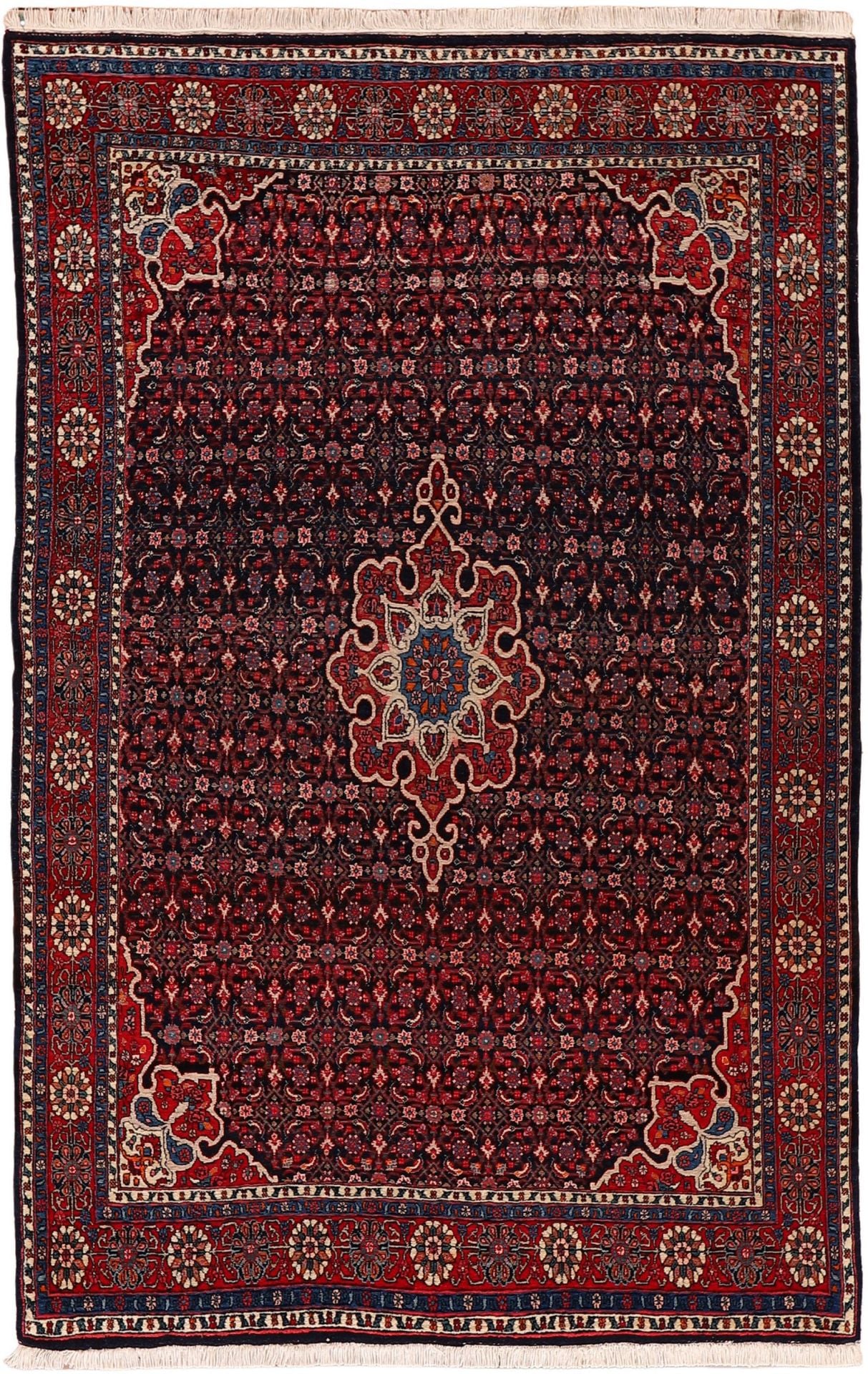
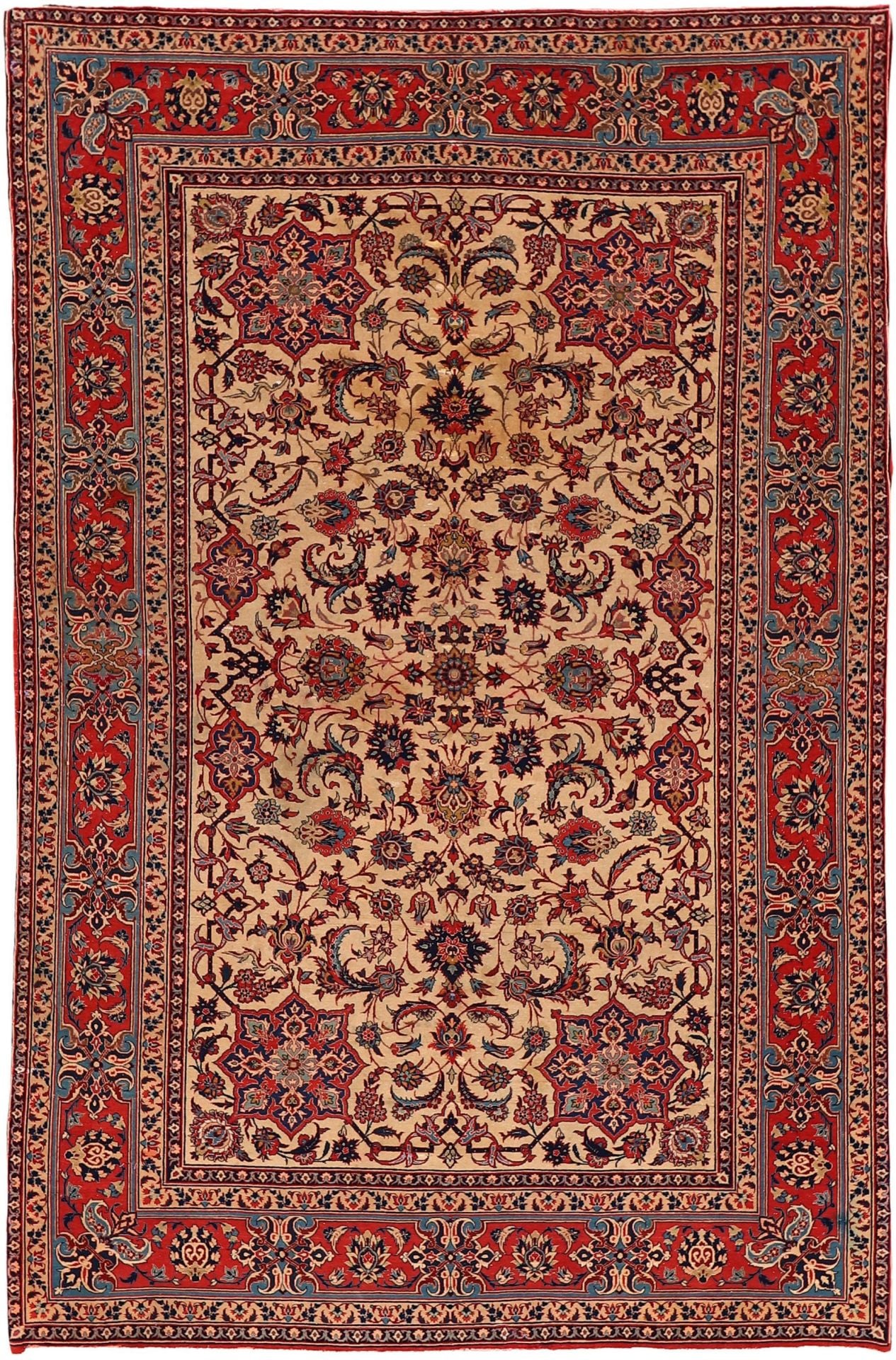
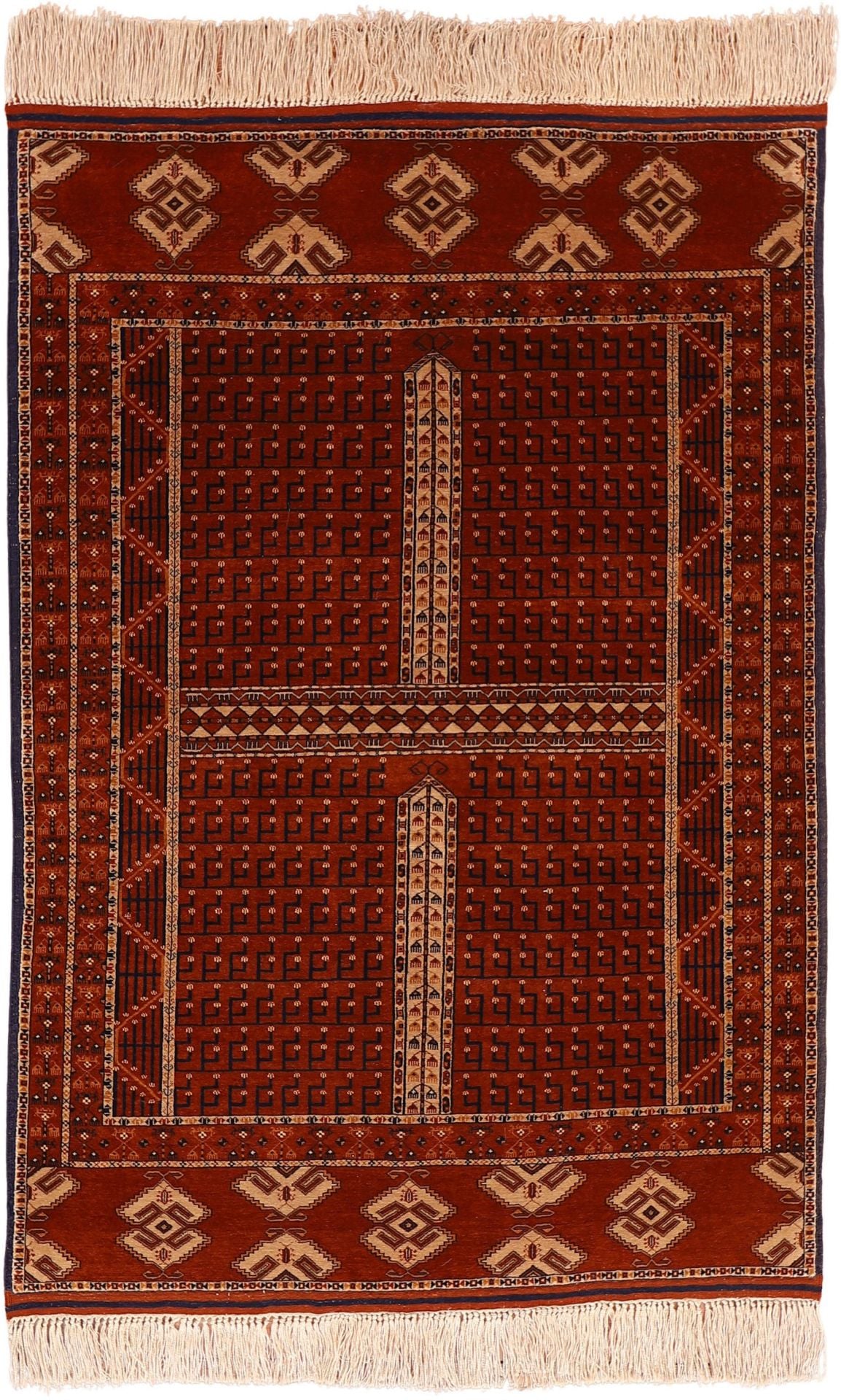
The fascination of antique carpets: craftsmanship and history united
Carpets: craftsmanship and history united
Introduction to the world of carpets
Carpets are more than just floor coverings; they are works of art that tell stories. Their roots stretch back centuries and are influenced by different cultures and eras. Whether classic, modern, or oriental, every carpet tells its own story—from the people who wove it to the places where it was used. In this article, we explore the fascinating world of carpets and their many facets, from craftsmanship and historical significance to tips for choosing and caring for a carpet.
The history of carpets
The history of carpets is rich and diverse. It all began several thousand years ago in the heart of Asia, where nomadic tribes began making the first carpets from wool and plant fibers. These early carpets often had practical functions: They provided warmth and served as seating and lying areas for the nomadic peoples.
Over time, carpets developed into an expression of identity and culture. In the 15th century, during the heyday of the Ottoman Empire, carpet production reached its peak. Carpets were not only produced for private use; they were also presented as gifts to kings and important figures.
One of the most famous carpet traditions originated in Persia, present-day Iran. Persian carpets are famous for their intricate patterns and vibrant colors. Each design has a deeper meaning, often linked to regional traditions. The production of a Persian carpet can take months or even years, and the craftsmanship is passed down from generation to generation.
The process of making carpets
The rug weaving process is a fascinating craft that requires considerable skill and patience. It begins with the selection of the right materials, which are often wool, silk, or cotton. Wool is valued for its strength and durability, while silk is known for its smooth texture and radiant luster. The choice of materials influences not only the appearance but also the functionality of the rug.
After the material is selected, the raw material is dyed. Traditional dyeing is done with natural dyes from plants, minerals, or insects, which gives the rugs a special depth and vibrancy. This is followed by weaving, a process that takes place on either a horizontal or vertical loom. Intricate patterns and designs are created through the skillful combination of knots and thread.
After weaving, the rug often undergoes a thorough finishing process, which involves removing loose threads and cleaning the rug. Finally, the inspection takes place: Each rug is carefully checked for defects before being released for sale.
The variety of carpet types
Carpets come in many shapes and styles, and each style has its specific features and unique character.
Oriental carpets
Oriental rugs are probably the best known and have strong cultural roots. The diversity within oriental rugs is enormous: from Persian rugs to turkmenFrom Asian to Afghan designs. The detailed patterns and vibrant colors make them a popular furnishing item.
Modern carpets
Modern rugs, on the other hand, offer a simpler aesthetic that fits well in contemporary living spaces. They are often made of synthetic materials or a blend of natural and man-made fibers. Designs range from minimalist to artistic and experimental.
Berbercarpeting
BerberThese carpets originated in North Africa and are known for their characteristic geometric patterns and the use of unshorn, natural sheep's wool. They are particularly durable and distinguished by their dense, fluffy texture.
Outdoor carpets
Outdoor rugs have gained popularity in recent years. Made from weather-resistant materials, they're ideal for enhancing patios and garden areas. Available in a variety of colors and patterns, they add a welcoming feel to outdoor spaces.
Choosing the right carpet
When choosing a rug, several factors should be considered to ensure you find the optimal piece for your home.
Room size and furnishings
The first step is to consider the size of the room and the existing furniture. A small rug can get lost in a large room, while an oversized rug can overwhelm the space. The rug should always be in harmonious proportion to the furniture.
Choice of color and pattern
Color choices should be based on the room's existing color palette. Light colors can make a room appear larger and airier, while darker tones create a cozy atmosphere. Patterns can add vibrant interest, but care should be taken to ensure they don't compete with other patterns in the room.
materials and care
The material plays a crucial role in the lifespan and maintenance of your carpet. Natural fiber carpets like wool require regular care, while synthetic carpets are often easier to maintain. The use of the room should also be considered when choosing a material – carpets in high-traffic areas need to be more durable.
Care and cleaning of carpets
Proper care is crucial to extending the lifespan of a carpet. Here are some care and cleaning tips:
Regular vacuuming
Regular vacuuming prevents dirt and dust from penetrating deep into the fibers. Ideally, vacuum the carpet once a week, making sure to deactivate the vacuum's brushroll to avoid damaging the fibers.
stain removal
If stains do occur, act quickly. Use a clean, dry cloth to absorb any excess liquid before proceeding with a special cleaner or a mixture of water and vinegar to remove the stain.
Professional cleaning
Every carpet needs professional cleaning from time to time to remove ingrained dirt and odors. This should be done every one to two years, depending on the carpet's wear and tear.
Carpets as works of art
In addition to their functionality, carpets are also works of art. Antique carpets, often considered timeless masterpieces, are particularly collectible. Their value depends on various factors, including age, origin, materials used, and craftsmanship.
Antique carpets
Antique carpets are typically between 50 and 100 years old and tell the stories of their past. They can fetch high prices at auctions if they are in good condition. Collectors value them not only for their beauty but also as an expression of culture and history.
Modern art carpets
The world of modern art rugs demonstrates that this art form isn't standing still. More and more artists are beginning to use rugs as a medium for their work. These rugs combine traditional weaving techniques with contemporary designs and are not only functional but also an expression of personal creativity.
The final section: Carpets as part of living room culture
Carpets are more than just a decorative element in any home. They enhance the coziness and warmth of a room and often serve as the focal point of the interior design. Properly selecting and caring for a carpet is therefore not only a matter of taste, but also of respect for the art and craftsmanship that goes into each piece. Whether you choose an antique masterpiece or a modern carpet, you will enjoy it for years to come. Carpets are a timeless piece of history that shines in any room and tells stories of tradition, art, and culture.
FAQ
What is the best way to clean a carpet?
Carpet cleaning depends on its material. Generally, the carpet should be vacuumed regularly to remove dust and dirt. When stains occur, it's important to act quickly. Use a clean cloth to absorb the spill, then apply a mixture of water and mild detergent. For a thorough cleaning, we recommend having your carpet professionally cleaned every few years.
How do I know the quality of a carpet?
The quality of a rug can be determined by several factors: pay attention to the knot density (the higher the better), the materials used (wool and silk are high-quality), and the craftsmanship (clean edges and a smooth surface are signs of good craftsmanship). A good rug will also retain its structure and color for years.
Which carpet is best for a living room?
Choosing the best rug for a living room depends on the room's design and personal style. Patterned rugs can create a visual focal point, while solid-colored rugs harmonize with the existing color scheme. In terms of materials, durable wool rugs or easy-care synthetic rugs are recommended, especially in high-traffic areas.