The best tips for buying oriental rugs: authenticity and quality
Carpets – The Ultimate Guide to Buying and Care
Introduction
Rugs are not only practical home accessories; they are also deeply rooted in the history and culture of different regions. Oriental rugs, in particular, hold a special place in the world of interior design. They must be chosen carefully to ensure both authenticity and quality. In this article, we will provide you with comprehensive information about rugs, from the different manufacturing methods to tips to help you find the perfect rug for your home.
The history of carpets
Carpets have been a part of human life for thousands of years. The origins of carpet weaving can be traced back to ancient times, with the oldest known carpets being made in Persia in the 5th century BC. Carpets were often status symbols and were used for various occasions, whether for ceremonies, religious practices, or as part of everyday furnishings.
Oriental rugs originate primarily from countries such as Iran, Afghanistan, Türkiye, and India. Each of these regions has its own manufacturing techniques and design features, which explain the variety of patterns and styles.
Materials and manufacturing
Choosing the right material is crucial for the quality of a carpet. The most common materials are virgin wool, silk, cotton, and synthetic fibers.
Wool
Wool is the most commonly used material for oriental rugs. It is not only robust and durable, but also dirt-resistant and easy to clean. High-quality wool often comes from sheep raised in high mountains and has a particularly fine texture and density.
Silk
Silk is often used for luxury carpets. It gives the carpets a special shine and unparalleled softness. However, silk carpets are more delicate and can be easily damaged if improperly handled.
Cotton
Cotton is a less expensive material, often used in the manufacture of rug backing and as an additional ingredient in combination rugs. Cotton rugs are generally durable but less luxurious than wool or silk.
Synthetic fibers
Synthetic carpets are a cost-effective alternative to natural materials. They are often stain-resistant and fade-resistant, making them ideal for high-traffic areas.
How to recognize authentic oriental rugs
When choosing an oriental rug, it's important to pay attention to authenticity. Here are some tips to ensure you purchase a genuine oriental rug:
patterns and designs
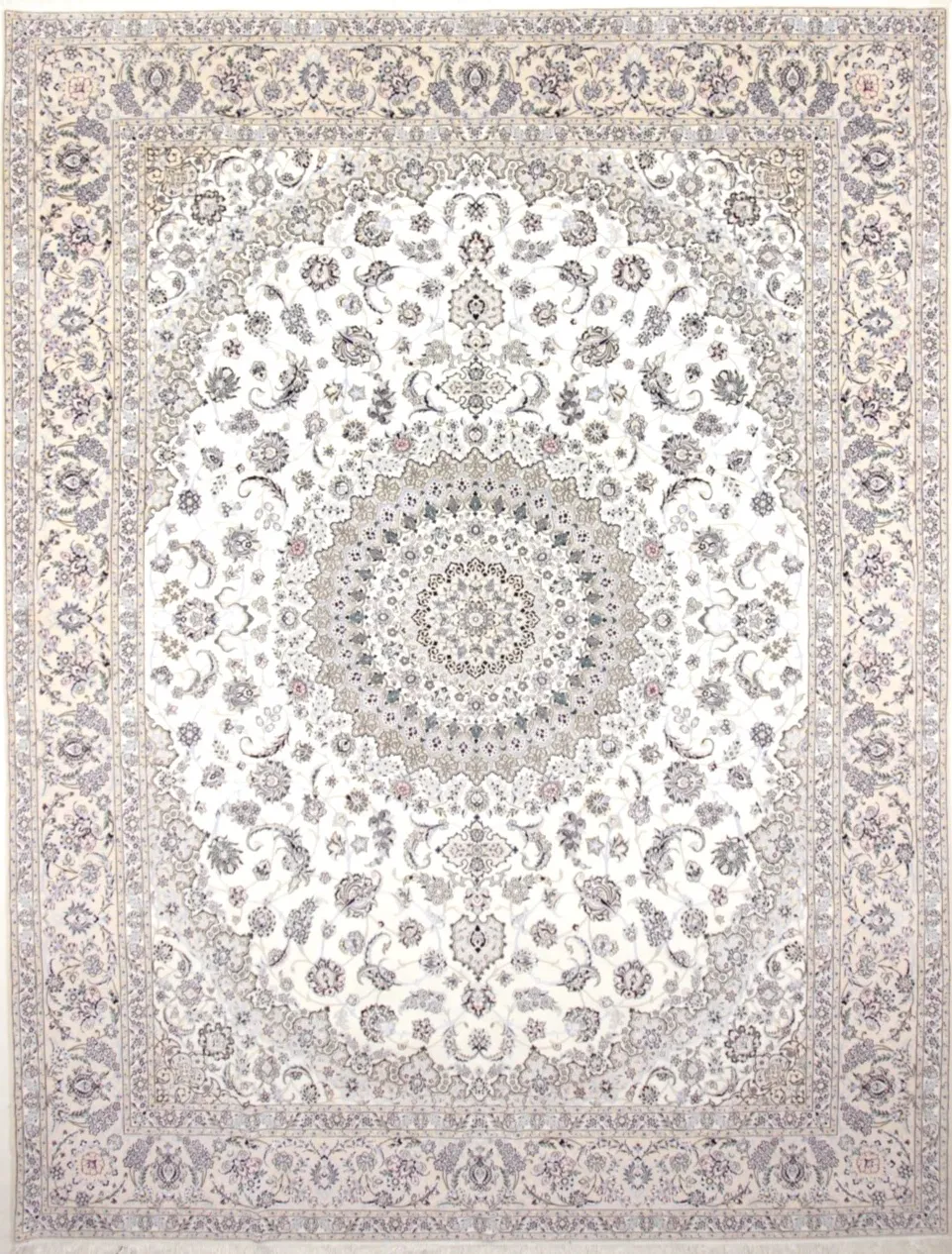
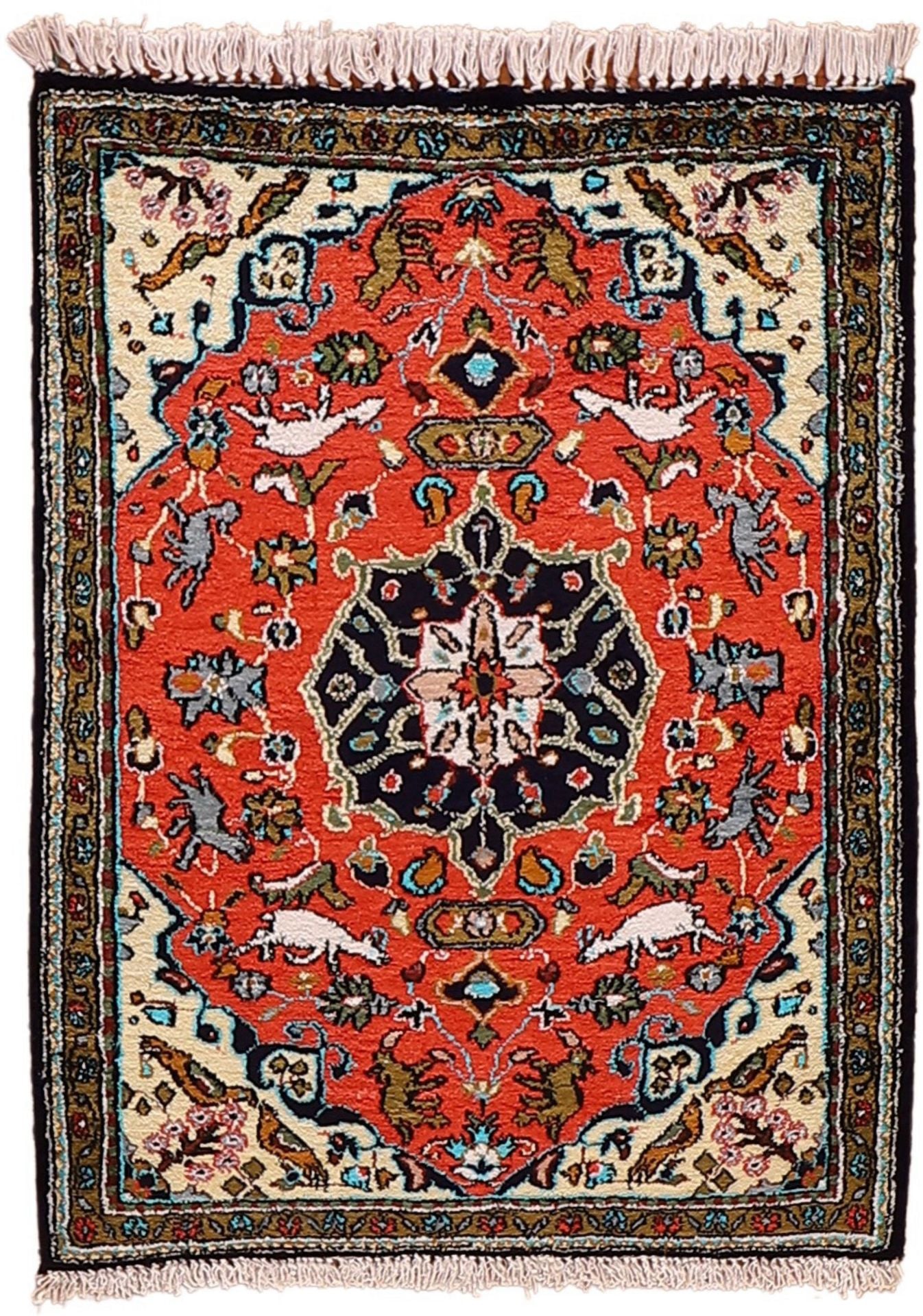
Oriental rugs are known for their distinctive patterns and designs, which often depict cultural or religious symbols. Pay attention to the intricacy of the patterns—genuine oriental rugs have complex, detailed designs and often use natural dyes.
number of nodes
The number of knots per square meter can also provide information about a carpet's quality. Higher knot counts generally indicate better craftsmanship. A high-quality oriental carpet often has between 120.000 and 1.000.000 knots per square meter.
Material and workmanship
Check the materials used. Natural fibers like wool and silk are signs of a high-quality rug. You should also pay attention to the craftsmanship and weight of the rug. A heavy rug is often better made than a lighter one.
The Importance of Origin
The origin of a carpet plays a crucial role in its value and quality. Different regions are known for specific styles and patterns, including:
Persian
Persian carpets are famous for their sophisticated designs and use of high-quality materials. They are characterized by their complexity and attention to detail.
Turkey
Turkish rugs often feature bolder colors and geometric patterns. They are generally very durable and well-suited for everyday use.
Afghanistan
Afghan rugs are known for their traditional designs and use of natural dyes. They are often more robust and offer a more rustic charm.
India
Indian rugs are known for their intricate designs and colorful patterns. They are often a blend of different styles and techniques, making them particularly unique.
Care and cleaning of carpets
Proper care can significantly extend the lifespan of a carpet. Here are some basic care and cleaning tips:
vacuum cleaning
Regular vacuuming is the best way to remove dirt and dust from your carpet. Use a vacuum cleaner with a soft brush attachment to avoid damage.
Treating stains
In the case of stains, it's important to act quickly. Use a clean, white cloth and gently dab the stain. Avoid rubbing, as this can damage the fibers.
Professional cleaning
Professional cleaning is recommended if the carpet is heavily soiled or if you want a thorough cleaning. Make sure you choose a cleaning company that has experience in the care of oriental rugs.
The right place for your carpet
The placement of your rug can significantly influence its effect in a room. Here are a few tips for proper placement:
Spatial boundaries
Rugs come in a variety of sizes and help visually separate different areas of a room. Make sure the rug fits the size of the room and doesn't overwhelm the furniture.
Combination with furniture
The arrangement of furniture on the rug can change the overall look. A common rule is that the front legs of all furniture should rest on the rug to create a harmonious look.
Natural light
Keep in mind that many rugs, especially silk-based ones, can fade in direct sunlight. Pay attention to how the light enters the room and position your rug accordingly.
Sustainability and environmental awareness
From an ecological perspective, it's important to choose sustainably produced carpets. Many manufacturers today rely on environmentally friendly processes and materials.
Certification
Look for certifications like the "GoodWeave" label. This organization is committed to combating child labor in carpet production and ensures that the carpets are manufactured under fair conditions.
Sustainable materials
The use of biodegradable materials and natural dyes are further indicators of a carpet's sustainability. Water-based inks are also more environmentally friendly than chemical-based ones.
How to make the best purchase decision
When purchasing a rug, there are some final considerations you should make:
Budget
Set a budget before you begin shopping. Rugs can come in a wide range of prices, and it's important to know how much you're willing to spend.
Seller reputation
Only buy from reputable retailers or through trusted online platforms. Research the retailer beforehand to ensure they sell authentic products.
Refund policy
Check the seller's return policy. A flexible return policy can be helpful if the rug doesn't fit your room or style.
Conclusion
A rug can be a significant investment in the beauty and style of your home. By learning about the different materials, origin, care, and authenticity, you can make an informed decision and choose a rug that is not only aesthetically pleasing but also functional. Remember to consider quality and authenticity when purchasing to enjoy the timeless elegance of oriental rugs.
FAQ
How do I recognize a fake oriental rug?
A fake rug often features unusual materials that aren't natural fibers. Also pay attention to the knotting technique; genuine oriental rugs have very dense and even knots.
How often should I have my carpet cleaned?
The frequency of cleaning depends on usage, but as a general recommendation, you should consider professional cleaning every 2-5 years to maintain quality.
Can I use an oriental rug in a high-traffic area?
Yes, but you should pay attention to the quality and material. Wool is a good choice for high-traffic areas, while silk may not be. Also pay attention to the thickness and condition of the rug.