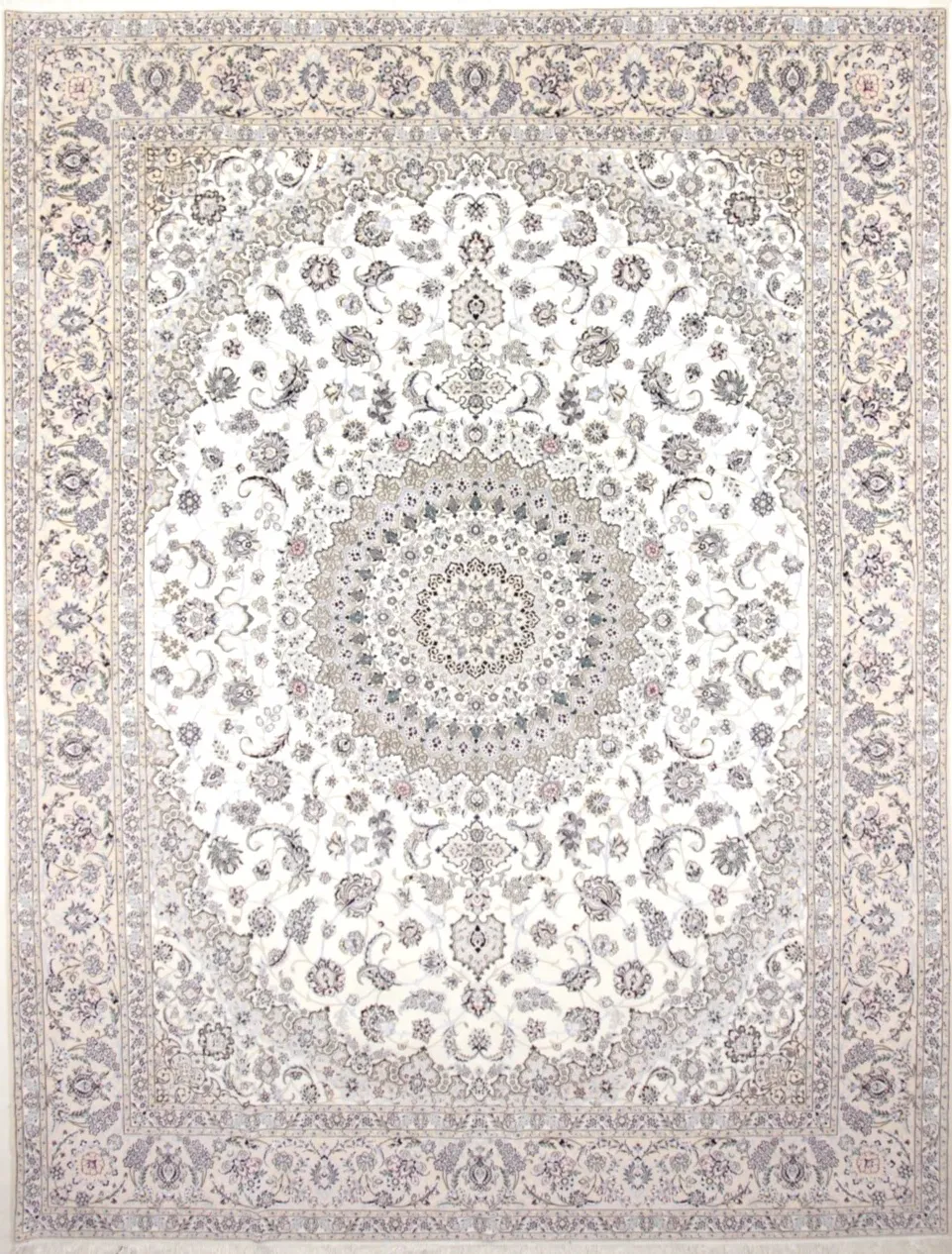
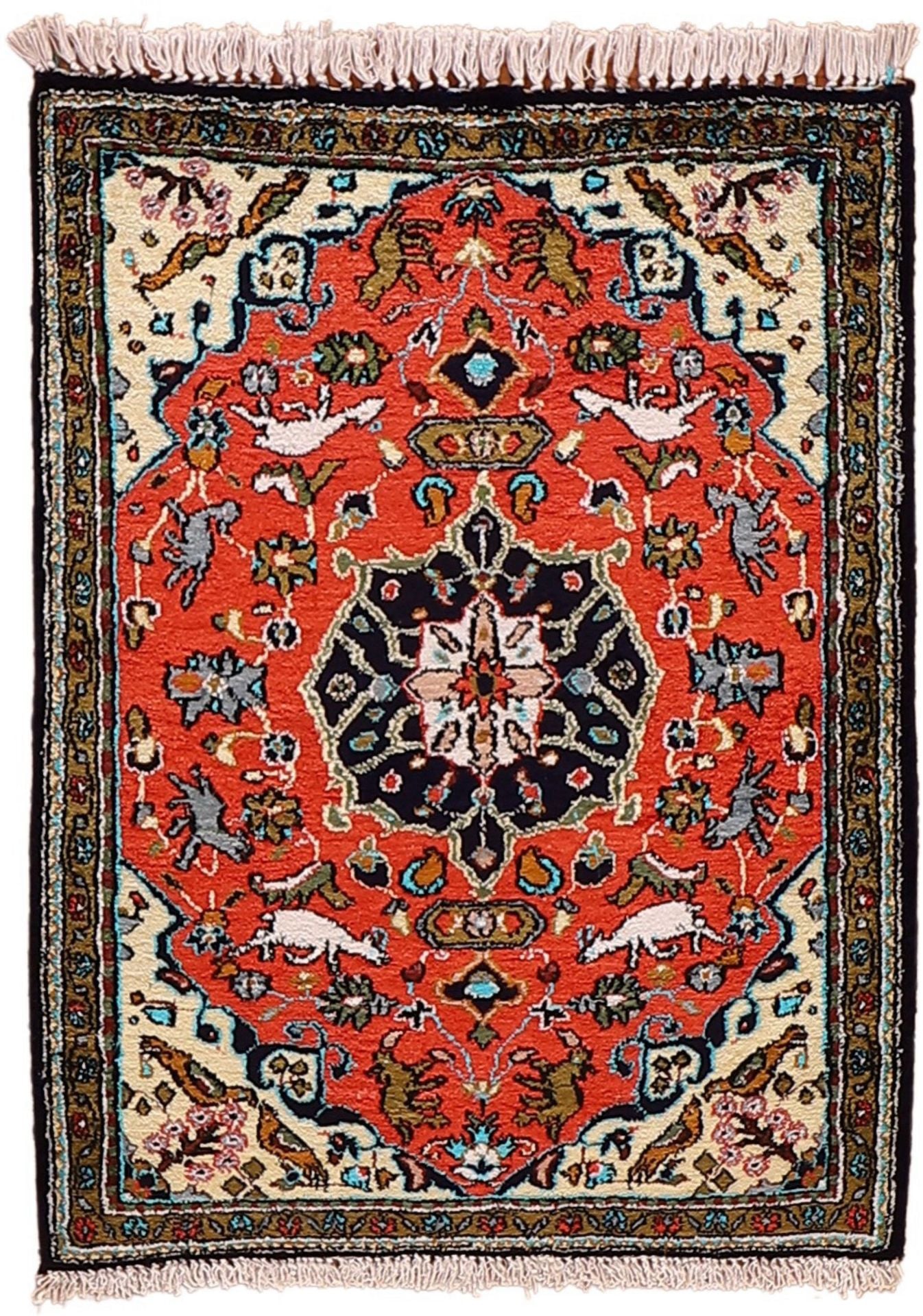
The most famous Persian carpets: Stories behind the masterpieces
The Art of Carpets: The Stories Behind the Masterpieces
Carpets are far more than just floor coverings; they are living works of art that tell stories and represent culture. Persian carpets, in particular, possess a rich history and exquisite craftsmanship that makes them famous worldwide. In this article, we will explore the fascinating aspects of carpets, inspired by the most famous Persian carpets and the stories surrounding them.
The origins of Persian carpet art
The history of Persian carpets dates back to ancient times. Archaeological finds prove that carpets were being produced in Persia as early as the 5th century BC. The art of carpet weaving evolved over centuries and was influenced by various eras and cultures. The carpets were initially made for royal use and religious ceremonies before finding their way into domestic living rooms.
Famous Persian carpets
1. Of the Ardebil-Carpet
The ArdebilThe carpet is one of the most famous Persian carpets and is considered a masterpiece of carpet art. It was made in the city in the 16th century. Ardebil It was manufactured and is decorated with a complex floral design reflecting Islamic art. The carpet is now housed in the Victoria and Albert Museum in London. Its size and precise workmanship make it a unique work of art that fascinates both historians and art lovers.
2. Of the Isfahan-Carpet
The city Isfahan is famous for its finest carpets, which are mostly made of silk and wool. IsfahanCarpet is known for its vibrant colors and detailed patterns, often combining floral and geometric motifs. In the Safavid Empire-influenced Isfahan-Carpets often showcase outstanding artistic techniques that are still appreciated today.
3. Of the Kashan-Carpet
The KashanThe carpet is another masterpiece, known for its lavish designs and vibrant colors. These carpets originate from the city. Kashan and are often characterized by elaborate depictions of animals and plants. The wool used to make these carpets is of high quality, ensuring durability and comfort.
Material and production of carpets
The quality of a carpet depends heavily on the material used and the manufacturing method.
Wool
Wool is one of the most common materials for carpet making. It's soft, durable, and insulates well, making the rug both warm and comfortable. Wool is usually obtained from sheep and is known for its ability to retain colors well.
Silk
Silk is used in higher-quality carpets, giving them a luxurious sheen. Silk carpets are softer and finer than wool carpets, which makes them generally more expensive. These carpets require special care.
Cotton
Cotton is often used as a base for carpets. It provides a strong and durable base upon which the fibers are woven. Cotton carpets are generally less expensive and easier to clean.
The techniques of carpet weaving
The art of carpet weaving requires years of practice and experience. Traditionally, carpets are hand-knotted using two main techniques: the Persian knot (Senneh-knot) and the Turkoman knot.
The Persian Knot
The Persian knot is a technique in which the thread is drawn from the back to the front, resulting in a very dense and durable rug. This technique allows weavers to create complex patterns and designs.
The Turkoman Knot
The Turkoman knot is commonly used in carpets from Central Asia. This technique is simpler and faster, but results in a less dense carpet. Turkish carpets are often simpler in design and structure, but also offer a wide variety of motifs.
Symbolism and motifs in carpets
Carpets are not merely decorative but often contain profound symbolism. Every pattern and every shade has a meaning shaped by cultural lore and regional traditions.
Floral motifs
Floral motifs are common in many Persian carpets. They symbolize beauty, fertility, and creation. They often also represent the idea of paradise, which plays an important role in Islamic belief.
geometric pattern
Geometric patterns are frequently found in rugs from nomadic traditions. These designs often represent harmony, balance, and the order of the world. They reflect the mathematical precision that characterizes the art of rug weaving.
Animals and mythological creatures
Many carpets feature depictions of animals that carry various meanings. Lions, for example, can symbolize strength and courage, while birds often represent freedom and the spirit. Mythological creatures and stories also find their place in carpet art, having been passed down through generations.
Care and maintenance of carpets
To maintain the beauty and longevity of a carpet, regular care and maintenance is essential.
Cleaning
Carpets should be vacuumed regularly to remove dirt and dust particles. For more severe soiling, experts recommend professional cleaning to prevent damage.
Sun care
Avoid direct sunlight, as this can fade the colors in the carpet. For intensely colored carpets, curtains or other coverings may be helpful to prevent damage.
Storage:
When a rug is no longer needed, it should never be folded. Instead, it should be rolled and stored in a dry place to prevent mold growth and warping.
The value of carpets
Carpets are not only functional items, but also investments. The value of a carpet can be determined by several factors, including:
- Age: Antique carpets are generally more valuable than modern pieces.
- Materials: Silk carpets are often more valuable than those made of wool or cotton.
- Condition: A carpet in good condition will usually fetch a higher price.
- rarity: Limited editions or special designs can increase the value.
The carpet market
The carpet market is both local and global and has enjoyed increasing popularity in recent years. Many people today choose to invest in high-quality carpets, which are viewed not only as home accessories but also as works of art.
Buying carpets: What to consider
Recognition and Zertifizierung
Make sure the carpet comes from a recognized region or a trusted manufacturer. Certificates of origin and quality can help you make an informed purchasing decision.
Budget
Clarify your budget in advance. Carpets come in a variety of price ranges, and it's important to find the balance between price and quality.
Space and style
Consider the available space and the decor style of your room. A rug should not only match the color and pattern, but also contribute to the atmosphere of the room.
Conclusion
Carpets are an amazing example of cultural heritage and craftsmanship. They convey stories and traditions that span centuries. Whether as a stylish home accessory or as an investment in high-quality art, the world of carpets is as diverse as it is fascinating. Have you ever wondered what stories your carpet might tell? The answer often lies in the details, in the colors and patterns woven into each individual knot.
FAQ
1. What is the best way to clean my carpet?
To clean your carpet, you should vacuum it regularly to remove dust and dirt. For stubborn stains or deeply embedded dirt, it's advisable to hire a professional cleaning service.
2. What is the difference between wool and silk carpets?
Wool rugs are more durable and better suited for everyday use, while silk rugs are more luxurious and finer. However, silk rugs require more care and are often more expensive.
3. How can I estimate the value of my old carpet?
To estimate the value of an antique rug, factors such as age, material, condition, and rarity should be considered. A professional or rug expert can also help you provide a current appraisal.