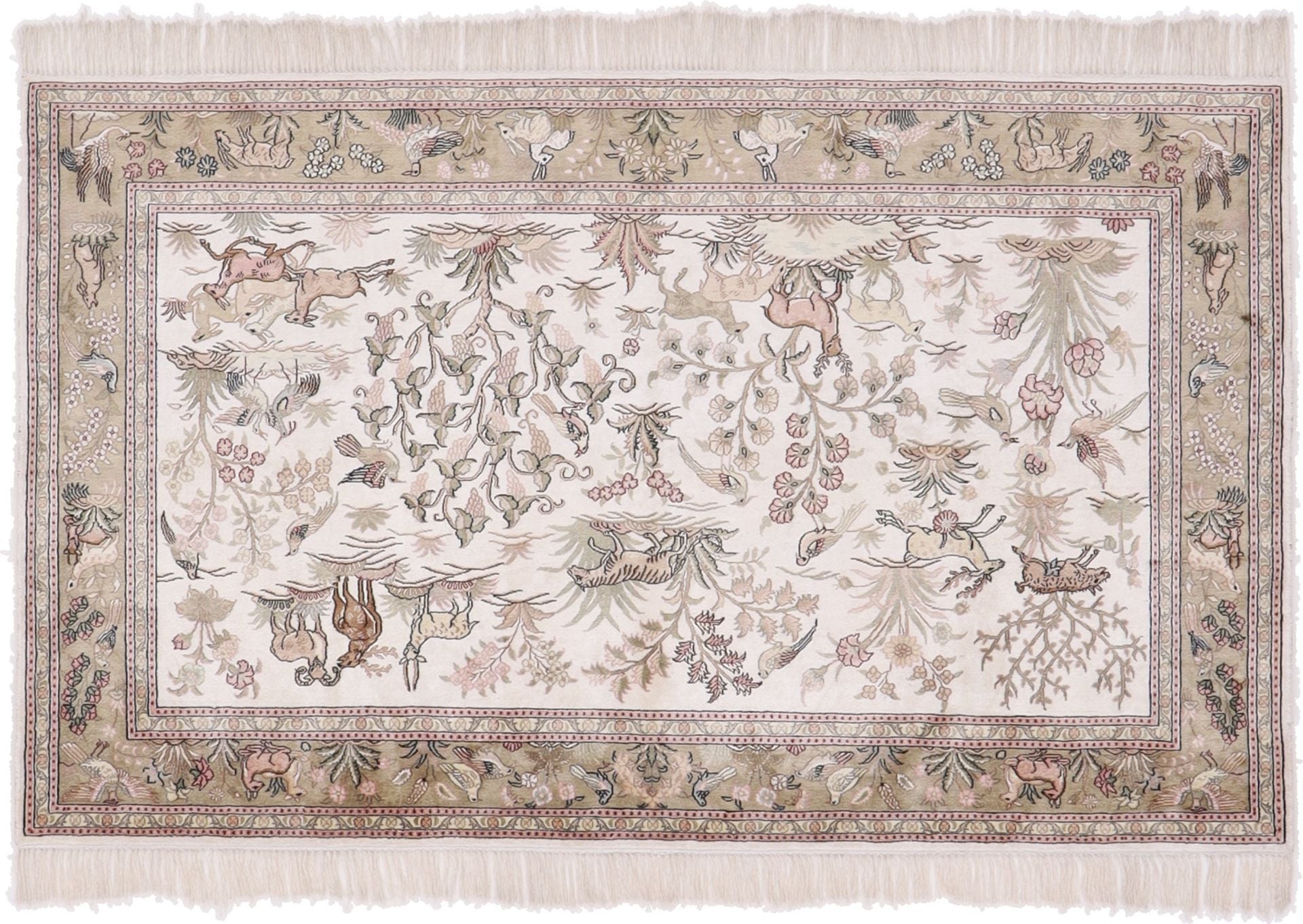
The breathtaking world of Turkish carpets: tradition, craftsmanship and diversity
Carpets: Tradition, craftsmanship and diversity
Introduction
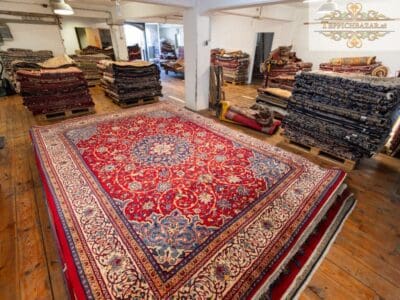
Carpets are among humanity's oldest art forms and have fascinated people around the world for thousands of years. Turkish carpets are particularly well-known, prized for their impressive craftsmanship, cultural depth, and diversity. In this article, you'll learn all about the fascinating world of carpets, from their history and production to the different types and their special properties.
The history of carpets
The origins of carpet weaving can be traced back to ancient times. Archaeological finds indicate that people began making and using carpets more than 5000 years ago. The most famous find, the so-called Pazyryk carpet, dates back to the 5th century BC and was discovered in Mongolia.
In the Middle East, and especially in Turkey, carpet art continued to develop during the Middle Ages. Ottoman culture played a crucial role in the spread and development of this art form. Carpets were valued not only as functional objects but also as status symbols. At the same time, they required a high degree of skill and creativity.
Carpet production
Materials
The quality of a carpet depends largely on the materials used. Traditionally, wool, silk, and cotton fibers are used:
- Wool: Robust and durable, ideal for carpets that are subject to daily use.
- Silk: For luxurious carpets that exude a special elegance and are often used in living rooms.
- Cotton: Often used for the chain as it provides a solid foundation.
Techniken
Weaving techniques vary depending on the region and tradition. The two most common methods are knotting and weaving.
Knotting technique : In this method, the individual knots are made by hand, allowing for an extremely detailed design. The number of knots per square meter indicates the quality and price of the carpet.
- Fabric technology: This technique involves weaving the fibers together to create a flatter design. This technique is often used for rugs that have a textured look.
draft and design
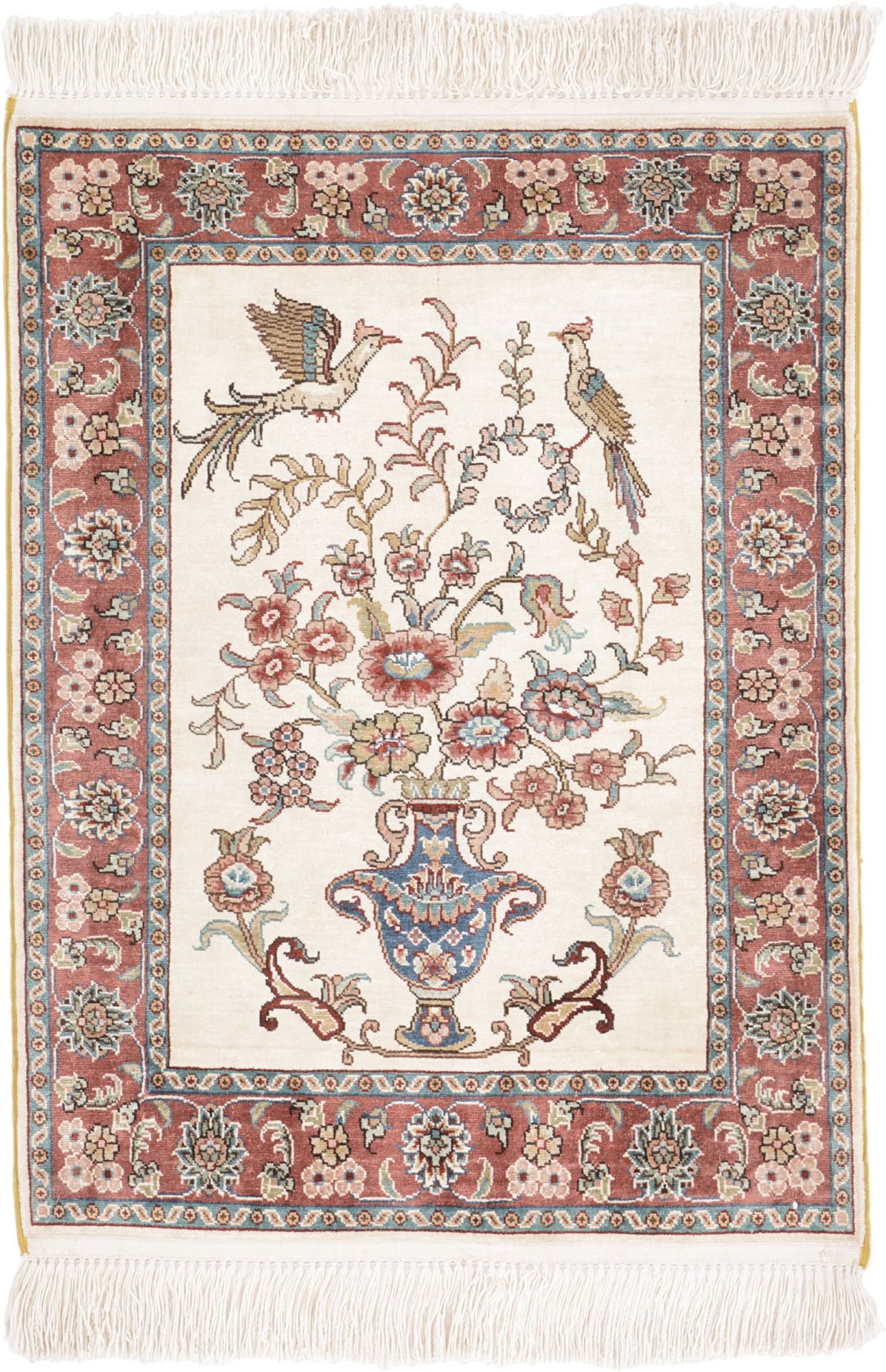
The designs of Turkish carpets are often decorated with cultural symbols, geometric patterns, and floral motifs. These designs often have deeper meaning and tell stories or represent beliefs.
Variety of Turkish carpets
The diversity of Turkish carpets reflects the country's rich culture and history. There are numerous regions with specific carpet styles and techniques:
Classic and Anadolu carpets
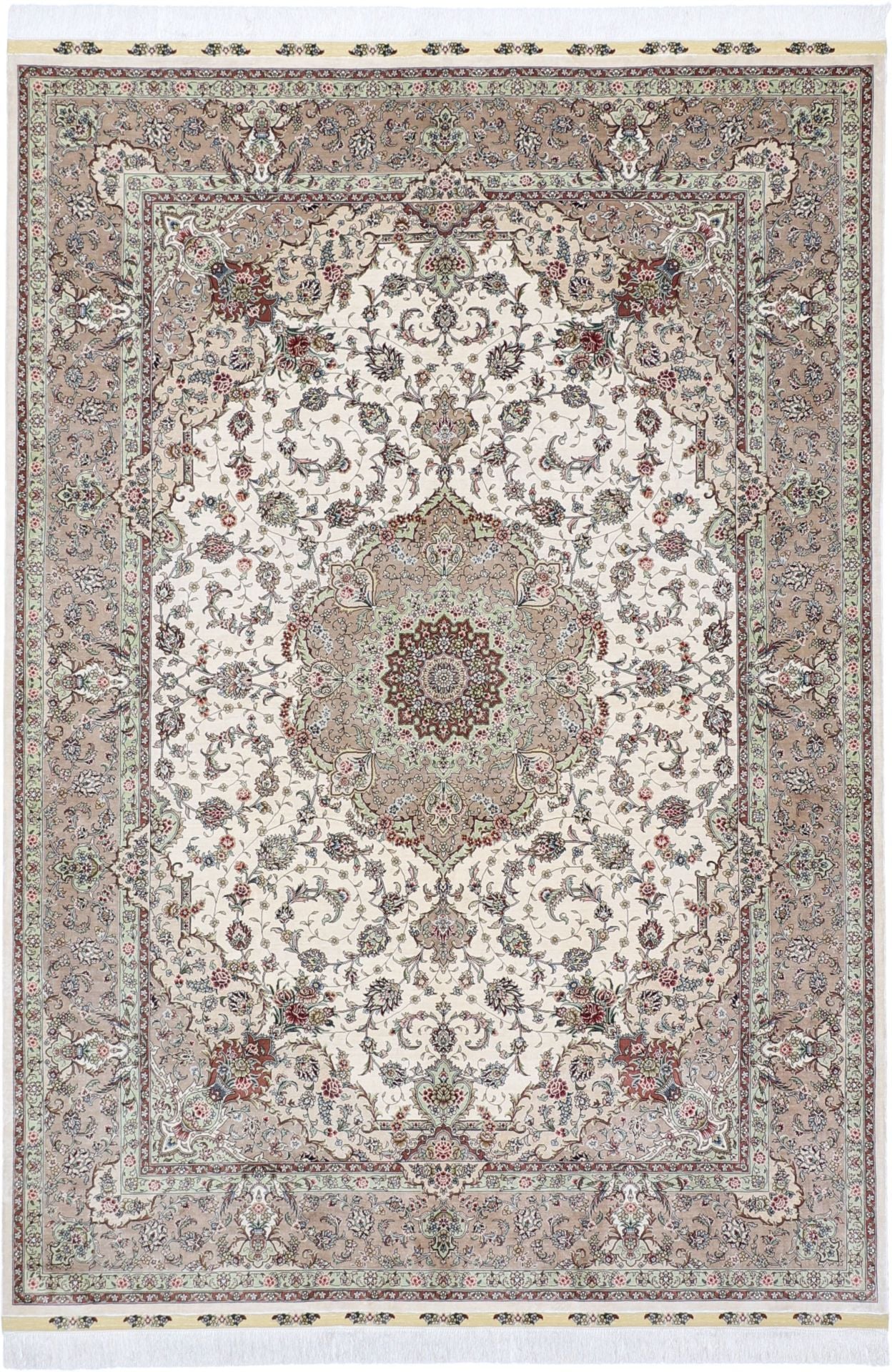
Classical carpet art includes the famous Ottoman and Persian carpets, which are valued for their high-quality materials and intricate designs.
Anadolu carpets, which come from rural regions, are often simpler in design and reflect the lives of the local people.
Mountain and nomadic carpets
These rugs are known for their durability and were traditionally crafted by nomadic peoples. They serve not only as floor coverings but also as wall hangings or tent linings. The designs are often intuitive and based on the artists' experiences and surroundings.
Modern carpets
More recently, Designer They have begun to reinterpret traditional carpet patterns. These modern versions often feature clear colors and simple geometric shapes and are particularly popular with a younger audience.
The role of Turkish carpets in interior design
Carpets have a high aesthetic value and can significantly influence the atmosphere of a room. They can serve as eye-catchers and create a warm, inviting atmosphere. They also have practical aspects, such as soundproofing and thermal insulation.
color psychology
Carpet colors can influence the mood of a room. Warm colors like red or orange give a room a cozy atmosphere, while cool colors like blue or green have a calming effect.
Carpets in various living rooms
- Living room: Large rugs can be used as central elements that define the seating areas.
- Bedroom: Carpets provide a warm atmosphere and comfort when getting up.
- Dining room: Rugs under dining tables can visually tie the room together and add warmth.
Care and cleaning of carpets
Proper care is crucial to ensuring a carpet's longevity. Here are some basic tips:
- Regular vacuuming: To remove dirt and dust, the carpet should be vacuumed regularly but carefully.
- Stain treatmentStains should be treated immediately to avoid long-term damage. It's important not to use too much water.
- Professional cleaning: For high-quality carpets, professional cleaning is recommended to avoid damaging the materials.
Reuse and recycling
More and more people are interested in sustainable practices, including in carpet care. Old carpets can often be restored or converted to find new uses. Upcycling, incorporating old carpets into new carpet designs, is also becoming increasingly popular.
Conclusion
The impressive world of carpets, especially Turkish carpets, offers a fascinating combination of history, craftsmanship, and cultural diversity. Whether traditional or modern, carpets have the ability to transform any room and tell stories of both today and yesterday. Invest in a high-quality carpet, and you'll not only acquire a unique piece of art, but also bring a piece of history and tradition into your home.
Frequently Asked Questions (FAQ)
1. How do I recognize a high-quality carpet?
A high-quality rug is characterized by the number of knots, the materials used, and the craftsmanship. Look for clean, precise knots and high-quality fibers such as wool or silk.
2. What is the best way to clean my carpet?
Regular vacuuming is essential. Use a mild detergent for stains, and professional cleaning is recommended for stubborn dirt.
3. What type of carpet is best for my home?
The choice of rug depends on your personal style and the space. Consider functionality, ease of care, and aesthetics to find the best rug for your needs.