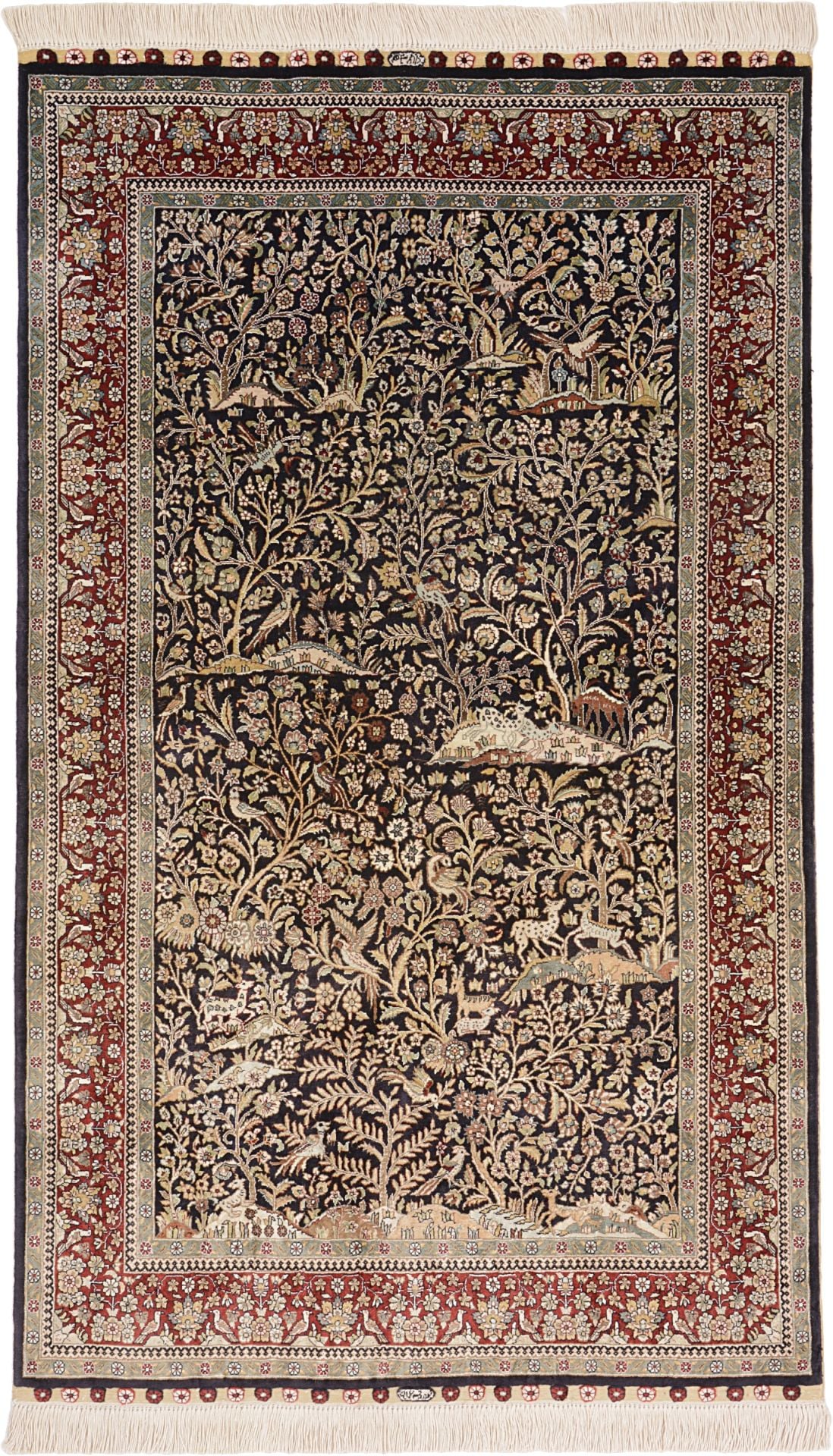
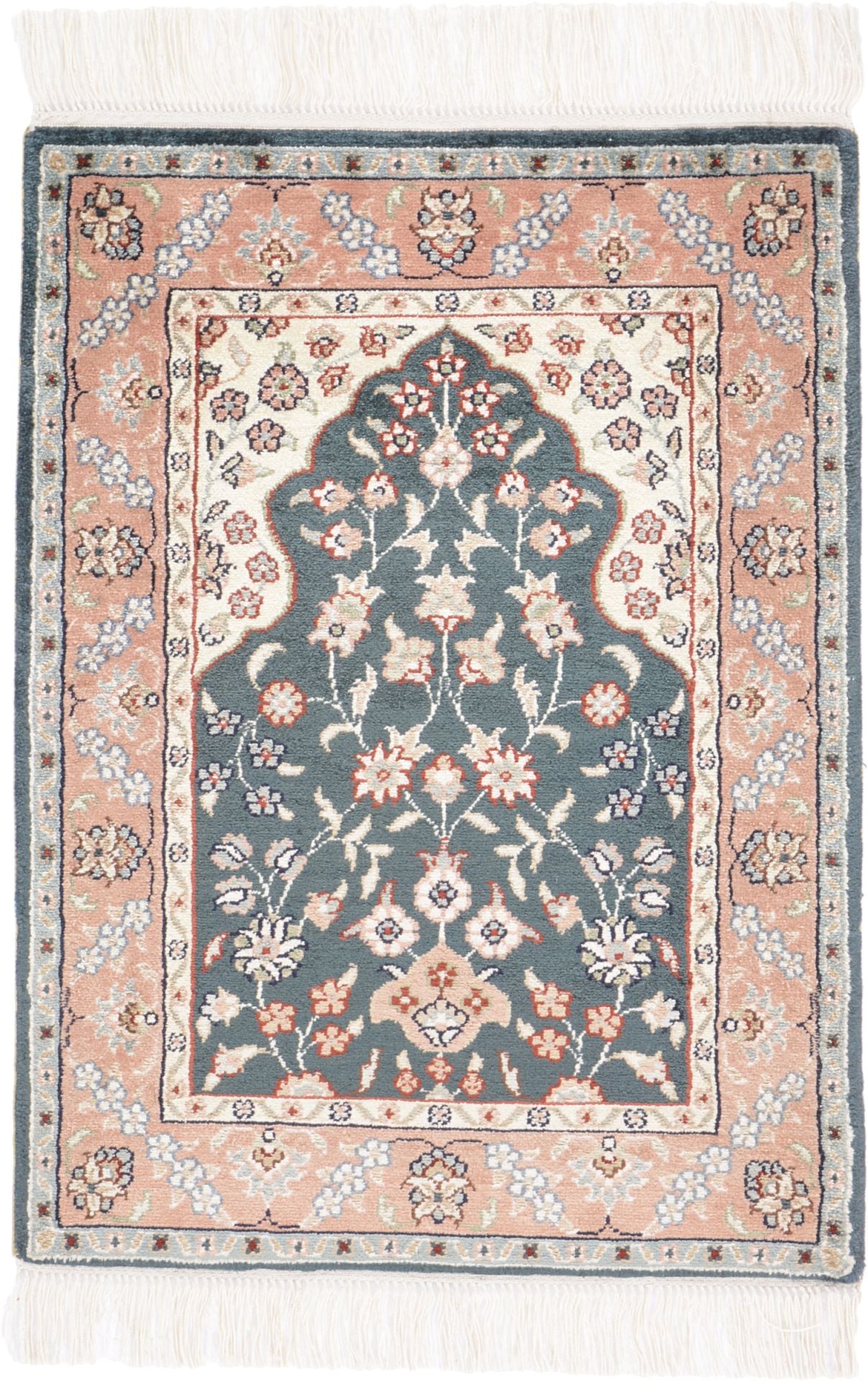
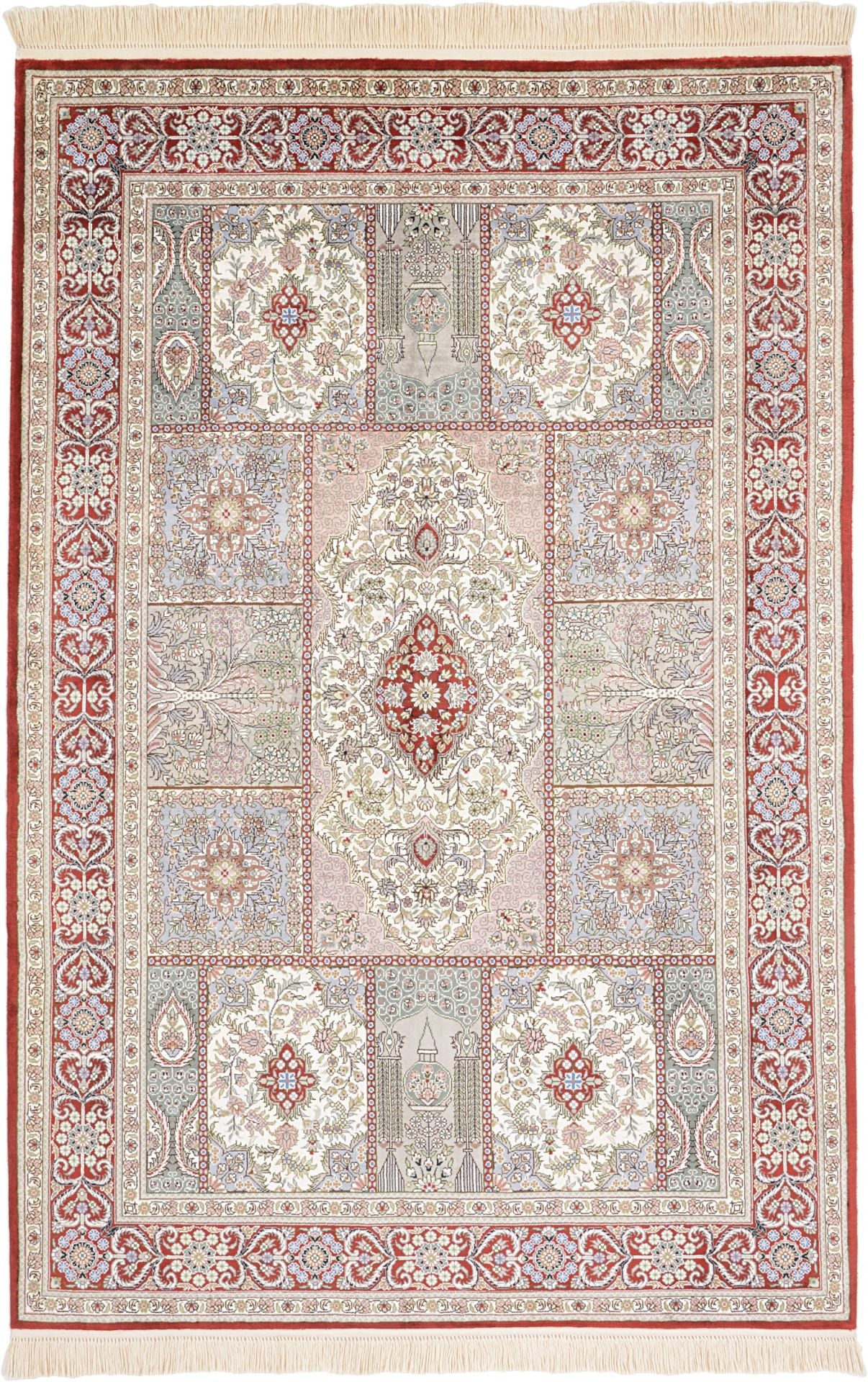
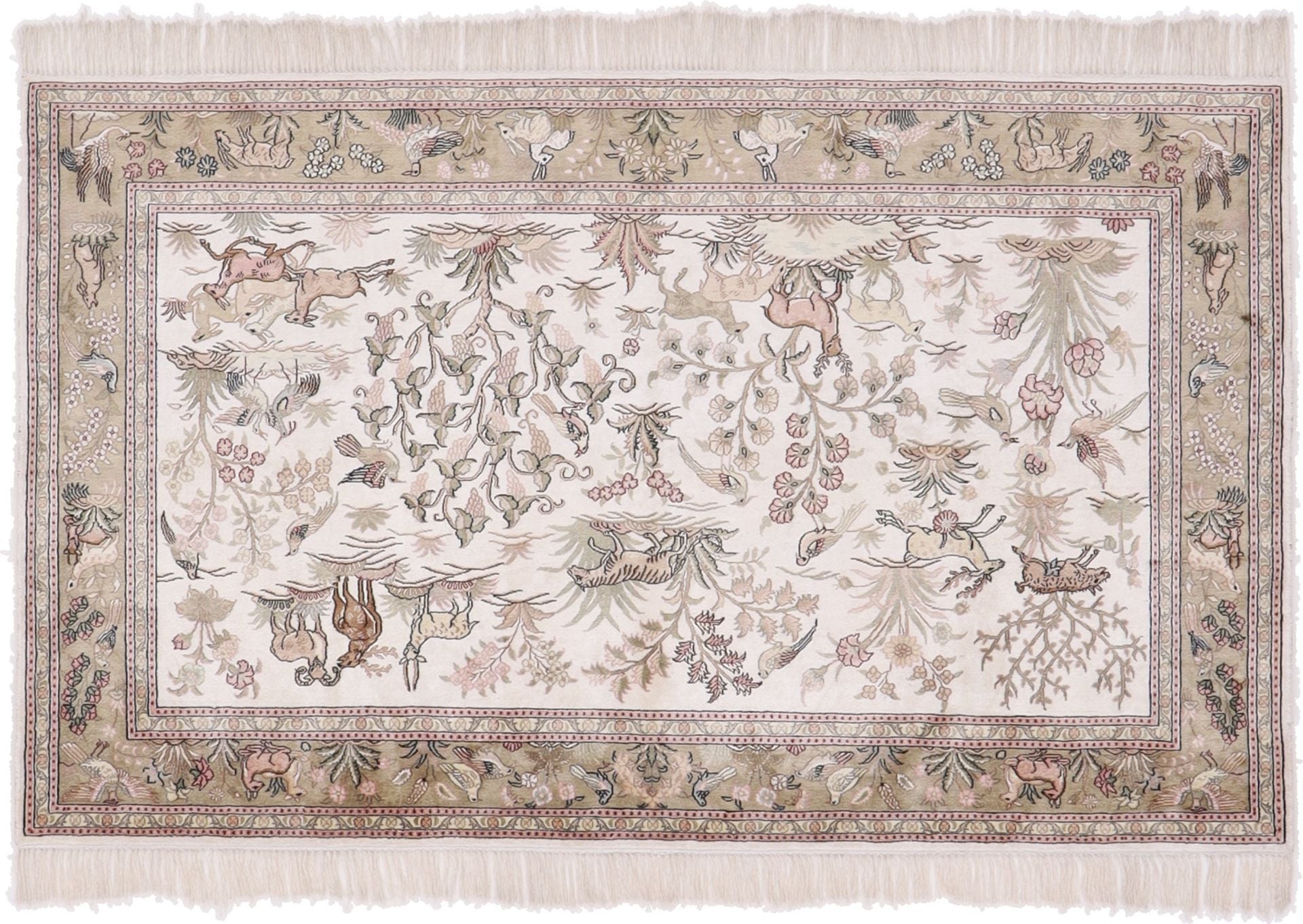
"The value of Hereke-Carpets: Tradition, craftsmanship and price development"
Carpets: Tradition, craftsmanship and price development
Introduction
Carpets have a long tradition in many cultures and are not only practical home accessories, but also works of art. In particular HerekeCarpets from Turkey are renowned for their exquisite craftsmanship and cultural value. In this article, we will explore various aspects of carpets, from their history and manufacturing techniques to current trends in the carpet market.
The historical significance of carpets
Origins and development
Carpets are an integral part of human history. Their origins date back to ancient times, where they served as floor coverings, wall hangings, and even seating. The carpet weaving techniques we know today developed particularly in the nomadic societies of Central Asia. They are not only functional but also an expression of cultural heritage.
Carpet regions
There are many regions famous for their distinctive carpets. Among the most famous are Persia, Turkey, India, and China. Each region has its own styles, materials, and techniques, reflecting its cultural and historical influences.
Importance in society
Carpets are more than just decorative elements; they often have symbolic meaning. In many cultures, they represent prosperity, hospitality, and craftsmanship. Especially special carpets such as HerekeCarpets are highly valued and are often passed down from generation to generation.
The artistry of carpet making
Materials
Carpets are made from a variety of materials, including wool, silk, cotton, and synthetic fibers. Each material has its own characteristics and impact on the final product. Wool is known for its durability and insulation, while silk is prized for its luster and softness.
Techniken
The techniques used to make rugs are as diverse as their designs. The most well-known method is knotting, with each individual knot forming the basis of the pattern. In addition to knotting, there are also weaving techniques, which are performed differently in different regions.
design and pattern
Carpet designs are often rich in symbolic meaning. Besides traditional patterns, modern interpretations can also be found. Hereke-The patterns of carpets are often inspired by nature and reflect the rich flora and fauna of the region.
Hereke-Carpets: A special example
history of Hereke-carpets
The city HerekeThe city, situated on the shores of the Sea of Marmara, has been renowned for its carpets since the 15th century. During the heyday of the Ottoman Empire, some of the most exquisite carpets of the time were produced here. The combination of exquisite materials and traditional techniques has made the city famous. Hereke-carpets gave them their special status.
Handcrafted manufacturing
Craftsmanship is highly valued here. Every HerekeA rug is a unique piece, often hand-knotted by a single person. It can take years to produce a single rug, which drives up the price and value accordingly.
Typical characteristics
HerekeCarpets are characterized by their dense knots and the use of high-quality wool or silk. The colors are often vibrant and derived from natural dyes. The patterns are detailed and often linked to historical narratives or religious symbols.
Price development of carpets
Market Analysis
Prices for carpets, especially for high-quality pieces such as HerekeThe price of carpets has increased in recent years. This is due to rising demand, resource scarcity, and a focus on sustainability.
Factors affecting price
The price development of a carpet depends on various factors, including:
- Material: High-quality materials such as silk increase the price.
- Age: Antique carpets are often more valuable.
- Rarity: Unique designs or combinations are rare and therefore more in demand.
- State: Carpets in good condition fetch higher prices.
Investing in carpets
Carpets can be viewed not only as decorative elements; they also represent a form of long-term investment. Well-preserved pieces can increase in value over time.
Current trends in the carpet market
Sustainability
More and more manufacturers are turning to sustainable materials and environmentally friendly manufacturing processes, reflecting consumers' growing awareness of environmental responsibility.
Modern design
While traditional rugs remain popular, we're seeing a trend toward modern designs that incorporate minimalist and geometric patterns. This offers buyers more flexibility in choosing rugs that complement their interior design.
Online trade
Online carpet sales are increasing, making it easier to access a wider selection and compare prices. Consumers benefit from the convenience of choosing carpets from the comfort of their own home.
Care and maintenance of carpets
Cleaning
Proper care significantly extends the lifespan of a carpet. Regular vacuuming and professional cleaning at regular intervals are recommended. If stains occur, immediate action should be taken to prevent permanent damage.
Storage
Carpets should be stored in a cool, dry place when not in use. Direct sunlight can cause colors to fade, so any protective measures are important.
Repairs
It's always advisable to repair minor damage immediately to prevent it from spreading. Professionals can perform repairs and restorations while maintaining traditional knotting techniques.
Conclusion
Carpets are more than just furnishings. They are an expression of tradition, craftsmanship, and cultural heritage. Whether a luxurious Hereke-carpet or a modern DesignerEach carpet has its own story. Caring for and preserving these works of art is crucial to maintaining their beauty and value for future generations.
FAQ
1. How long does it take to weave a rug?
The time required to knot a rug can vary greatly depending on the complexity of the design and the materials used. Hereke-Carpeting can take several months to years.
2. How do I recognize a high-quality carpet?
The quality of a carpet can often be assessed by its materials, knot density, and condition. High-quality carpets often have a high knot density (at least 200 knots per square meter) and are made of natural materials such as wool or silk.
3. Can I clean a carpet myself?
Yes, many carpets can be cleaned with a vacuum cleaner. However, for stains, professional cleaning should be considered to avoid damage. For more severe soiling, it's advisable to consult a professional.