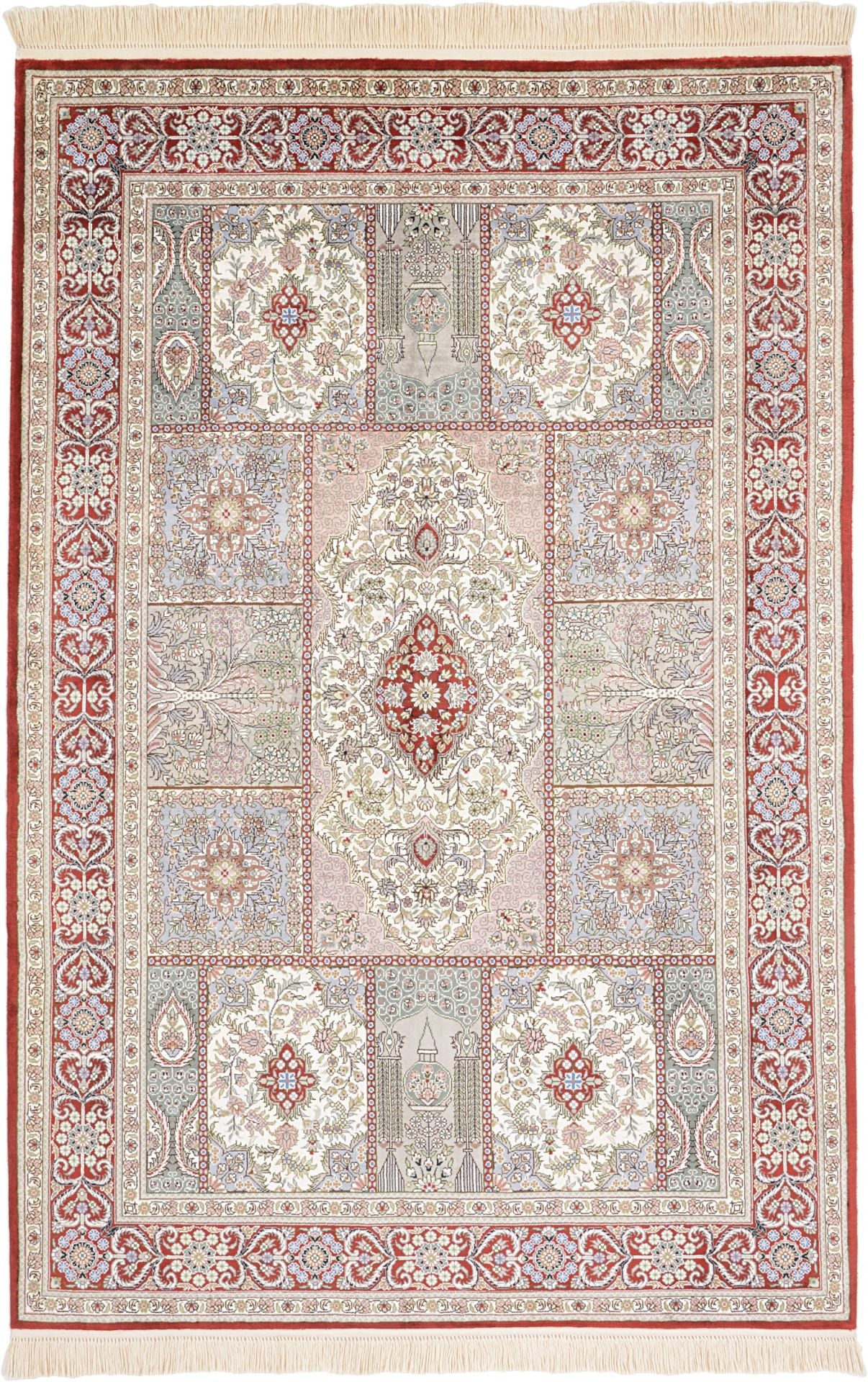
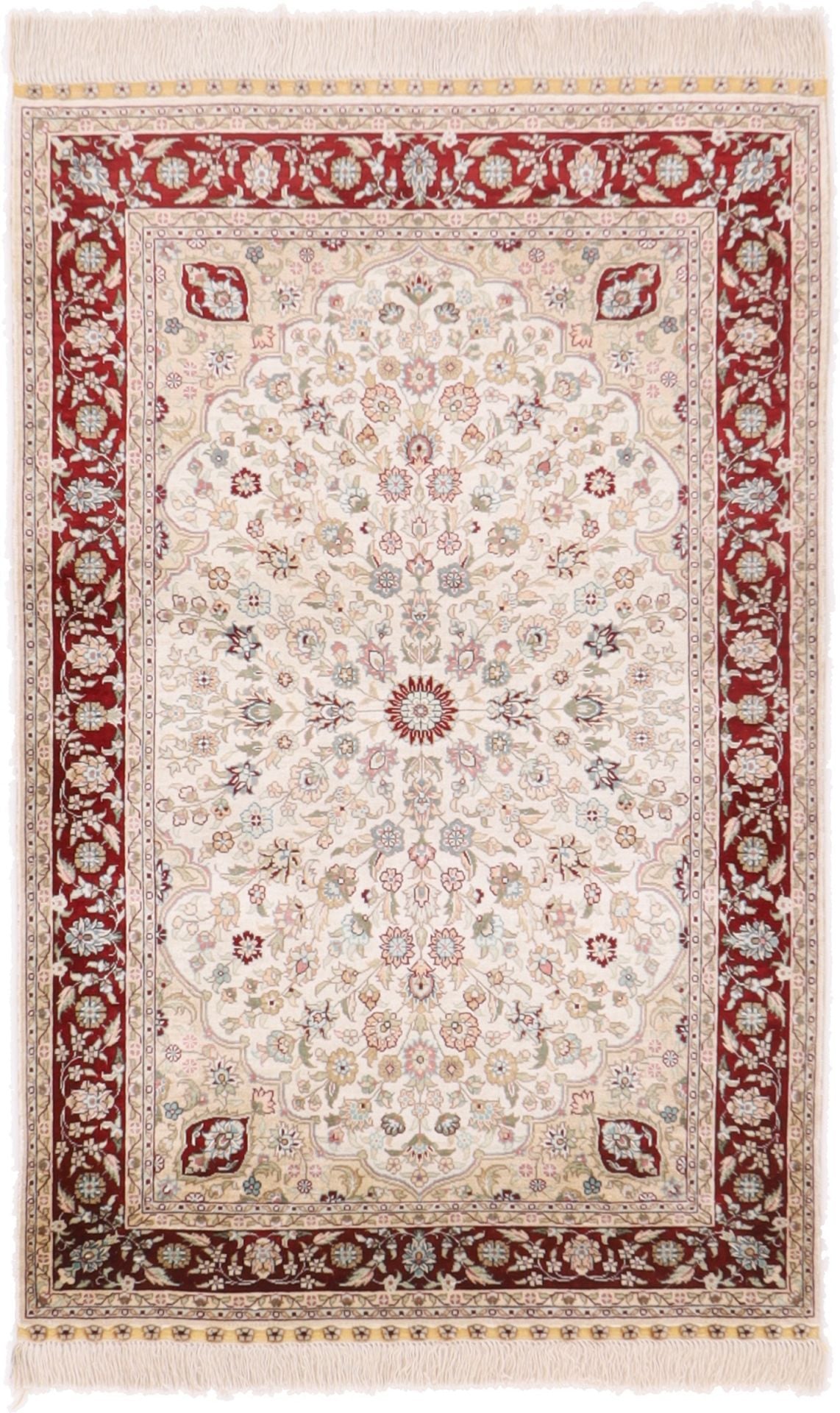
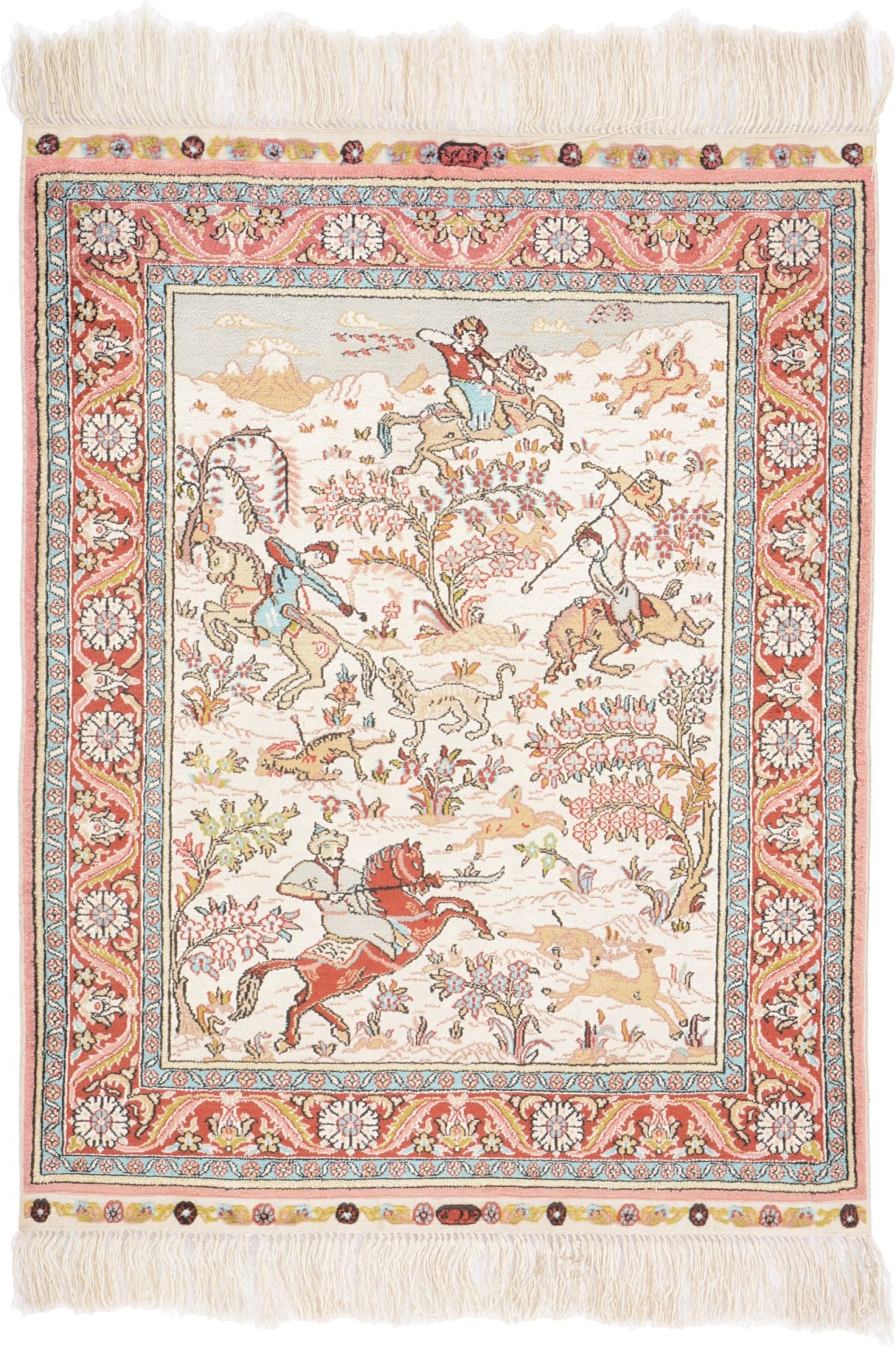
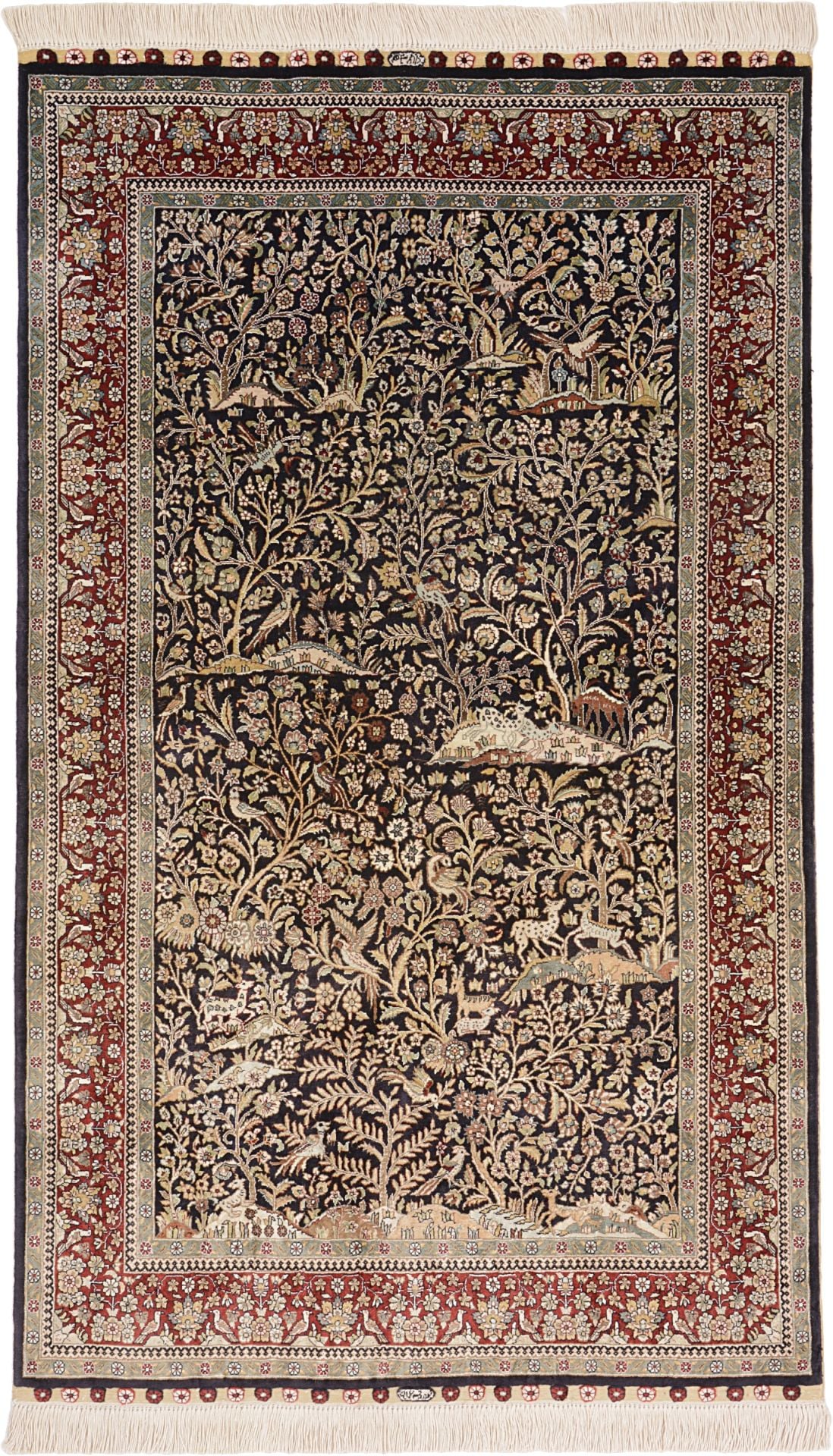
The value of Hereke-Carpets: A look at art, craftsmanship and investment
Carpets: Art, Craft and Investment – A Look at Hereke-carpets
Carpets are more than just floor coverings. They are an expression of art and craftsmanship, carry cultural stories within them, and are often a symbol of enduring value. In this article, we will delve into the world of carpets – especially the famous ones. Hereke-Carpets. We look at their history, the art of craftsmanship, the criteria that determine their value, and how they can prove to be an investment.
The history of carpets
Carpets have a long and multifaceted history. Their origins can be traced back to the ancient Near East, where they served both practical and aesthetic purposes. Carpets achieved particular importance in the Persian and Ottoman empires.
1. Origin and development
The first carpets were woven in the region of present-day Iran over 2500 years ago. The early knotting technique was passed down and refined from generation to generation. Carpets were used not only as floor coverings, but also as wall hangings, seating, and grave goods. Creating a carpet was a time-consuming process, often taking several months or years.
2. The emergence of Hereke-carpets
The city Hereke Turkey is world-renowned for its high-quality carpets. The tradition of carpet weaving in Hereke It originated during the Ottoman era, when Sultan Abdulaziz founded a weaving mill in the city in the 19th century. The unique feature of the HerekeThe difference lies in the high knot density and the use of the finest materials.
The art of craft
The production of one HerekeCarpet making is a complex and artistic process. Each carpet is knotted by hand, often by experienced craftsmen who pass their knowledge down from generation to generation.
1. Materials
This is where quality comes into play. HerekeCarpets are made from high-quality wool, silk, or a combination of both materials. The choice of raw materials greatly influences the durability and luster of the finished product. Silk gives carpets an unparalleled play of light, while wool carpets are more robust and easier to care for.
2. Knotting techniques
Weaving a carpet requires not only expertise but also a great deal of patience. Knotting techniques vary depending on the region and tradition. Hereke The Persian knotting technique is frequently used, creating a dense and stable carpet with precise patterns. The knot density can reach up to 1.000.000 knots per square meter, which is unique in the world of carpets.
3. Design and Pattern
Designing a carpet is a creative process. Hereke Traditional patterns and motifs are often used, telling stories and carrying cultural meaning. Floral motifs, geometric shapes, or historical scenes deeply rooted in Turkish culture are frequently found.
The value of Hereke-carpets
HerekeCarpets are not only decorative elements, but also valuable collector's items and investments. Their value is determined by various factors.
1. Materials and Workmanship
The quality of the materials directly influences the value of a carpet. Carpets made of pure silk are generally more expensive than wool carpets because silk is rarer and more complex to process. Knot density also plays a decisive role. A carpet with a high knot density is generally valued higher because it requires more time and craftsmanship.
2. Age and rarity
Older rugs and rare patterns can fetch top prices. Hierke rugs, which were produced in limited editions or represent remnants of historical weaving styles, are particularly sought after. Carpet care is also important: A well-preserved piece has a higher market value than a worn one.
3. Provenance
A carpet's provenance can significantly increase its value. Carpets from renowned collections or those once used in important historical contexts often fetch many times their original price. HerekeThe provenance of carpets can be traced through specialized certificates, thus offering buyers a certain degree of security.
4. Trend and demand
As with many collectibles, the value of carpets is subject to constant fluctuation, influenced by trends and market demand. In recent years, interest in antique and hand-knotted carpets has increased dramatically, which has also led to price increases.
Carpets as an investment
Buying a rug shouldn't be based solely on aesthetics. High-quality rugs, in particular, HerekeCarpets can be considered investments that retain their value.
1. Long-term value retention
Carefully selected rugs can increase in value over the years. By limiting production to limited editions and paying attention to high-quality craftsmanship, buyers can benefit from stable value growth.
2. Uniqueness and character
A hand-knotted rug is unique. Each piece tells its own story and brings individual character to any room. This uniqueness is a significant factor influencing a rug's value.
3. Emotional investment
In addition to the financial value, the emotional value of a rug should not be neglected. Rugs can represent a connection to culture, tradition, or family history and are often passed down as heirlooms.
4. Tips for buying
When purchasing a carpet, there are a few important factors to consider:
- Find out about the origin: Verify the origin and quality of the carpet.
- Go to a specialist: Take advantage of the expertise of a specialist dealer and get comprehensive advice.
- Appreciate uniqueness: Look for unique designs and ancient techniques.
- Care and maintenance: Pay attention to the care of the carpet to maintain its value in the long term.
Conclusion
Carpets, especially HerekeCarpets are much more than just room decorations. They are an expression of history, art, and craftsmanship. As an investment, they not only have the potential to appreciate in value but also bring cultural richness into our homes.
With the right selection, an understanding of quality, and an appreciation of their uniqueness, carpets can be treasured for generations. In a world dominated by mass production, the hand-knotted carpet remains an incomparable symbol of tradition and artistry.
FAQ
1. How do I recognize a high-quality carpet?
The quality of a rug can be assessed by several factors: knot density, materials used, craftsmanship, and pattern. A high-quality rug should be well-made, feel soft, and have an attractive design.
2. How do I properly care for my carpet?
To care for your carpet, you should vacuum regularly without brushing to remove dirt and dust. Stains should be treated promptly, ideally with gentle cleaning agents. For heavy soiling or damage, it's recommended to consult a professional.
3. Are carpets a good investment?
Yes, hand-knotted carpets, especially high-quality ones like HerekeCarpets can be a good investment. They have the potential to appreciate in value and can be treasured for generations. However, their value depends on various factors, including age, condition, provenance, and market trends.