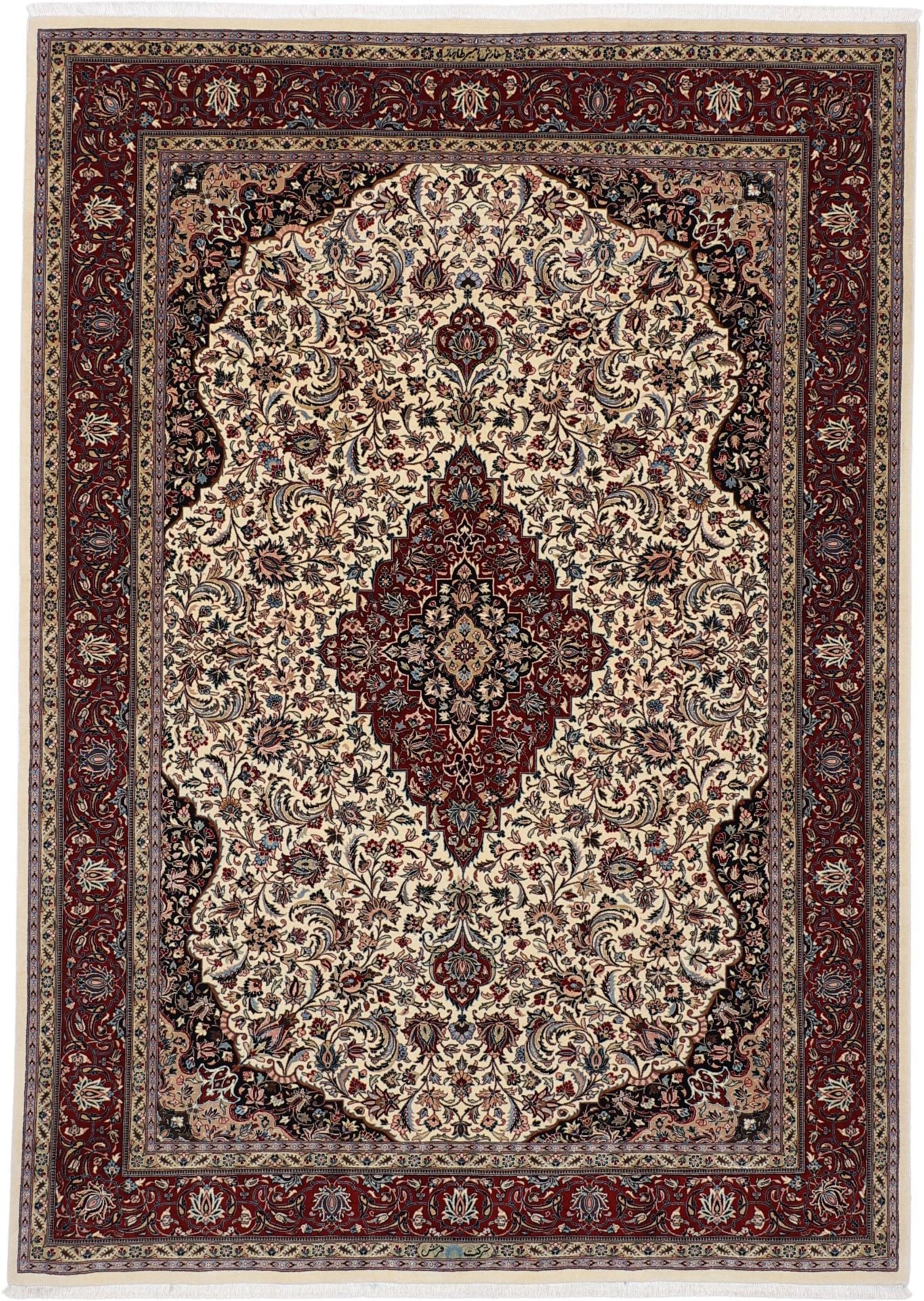
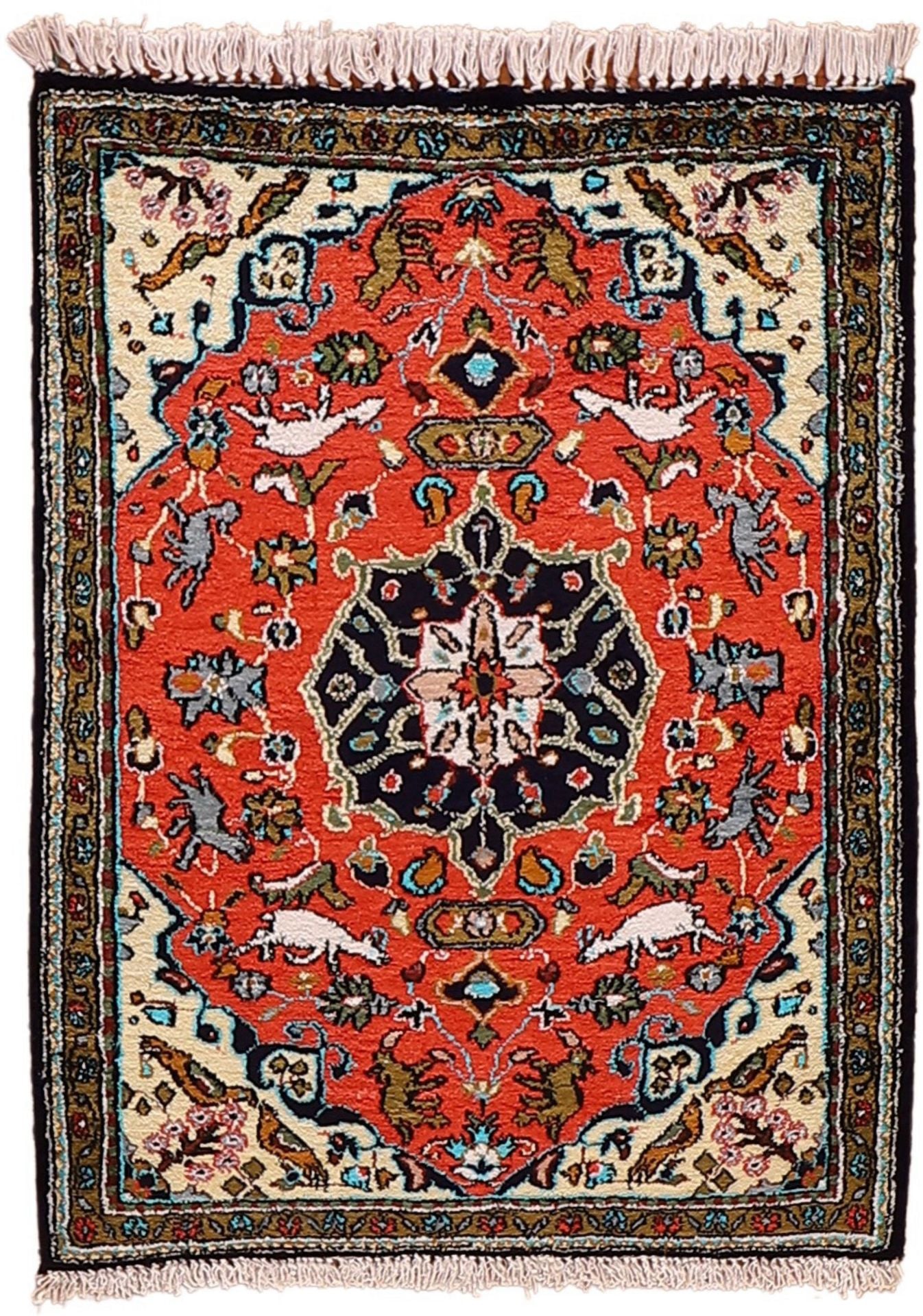
The ultimate luxury for your home: The fascination of fine carpets
The fascination of fine carpets
Introduction to the world of carpets
For centuries, carpets have been more than just floor coverings. They are an expression of culture, craftsmanship, and luxury. Today, the value of fine carpets is measured not only by their material and craftsmanship, but also by the history and tradition they represent. The fascination with these works of art spans many cultures and eras, and their diversity is as infinite as the creativity of the people who make them.
Materials: The basis of fine carpets
The choice of material is crucial for the quality and appearance of a rug. Fine rugs are often made of natural fibers, which lend them a special elegance and durability. The most common materials include:
Wool
Wool is one of the most traditional materials for carpets. Its properties make it ideal for fine rugs. It is not only soft and warm, but also dirt-repellent and sound-absorbing. Wool has the ability to regulate moisture, which makes it particularly sought-after. High-quality wool usually comes from sheep in regions with extreme climatic conditions, which gives it exceptional durability.
Silk
Silk is considered the most luxurious material for carpets. Silk carpets are lustrous and very finely woven, often featuring intricate patterns and vibrant colors. They have the ability to reflect light in a special way, giving them an almost magical aura. However, silk carpets are more delicate than wool ones and require more careful care.
Cotton
Cotton is often used for the backing of rugs or in combination with other materials. It is softer than wool and silk and can provide a very pleasant feeling underfoot. Cotton rugs are often easier to clean and are well-suited for everyday use.
Linen
Linen is a less common but fascinating material for rugs. It has a natural texture and a fresh appearance. Linen is also extremely durable and has the ability to improve its appearance over time. Linen rugs are often found in modern interiors and bring a calming, natural aesthetic to the room.
Production: craftsmanship and tradition
The production of fine carpets is a laborious process that requires skill and artistic talent. The tradition of carpet weaving is often passed down through generations and deeply rooted in culture.
knotting process
There are various techniques for knotting carpets. The best known are the Persian knot and the turkmenic knots.
Persian knot : This technique is mainly used in Iranian carpets. The knot is very strong, resulting in a high durability of the carpet.
- Turkmenischer knot: This method creates a softer carpet and is often found in Central Asian carpets.
Depending on the knotting technique, the density of the knots can vary, affecting the quality and cost of the rug. The denser the knots, the more expensive the rug, as more labor goes into producing the piece.
Dyeing the wool
Dyeing the wool is another important step in rug production. Traditionally, artisans used plant-based dyes to achieve vibrant and lasting colors. These methods are often secrets passed down from generation to generation. Modern techniques allow for a wider color palette, but can compromise the naturalness and longevity of the color.
Design and Patterns: A World of Aesthetics
The design of a carpet is closely linked to the culture and taste of the region from which it originates. Carpets can feature geometric, floral, or abstract patterns and are often rich in symbolism and meaning.
Cultural influences
Influential carpet traditions include:
Persian carpets : Famous for their intricate patterns and rich colors, representing nature, mythology, and historical events.
Turkish carpets : Often more geometric and less detailed, they reflect the lifestyle and values of Turkish tribes.
- Indian carpets: Diverse in style and technique, with many influences from art and religion.
The choice of a carpet can also depend to a large extent on individual taste and personal preferences.
Application: Carpets in interior design
In addition to their beauty and significance, rugs serve a practical function in interior design. They bring color, texture, and warmth to a room. The placement of a rug can improve a room's acoustics, increase comfort, and bring the various elements of a space together.
Information tips for choosing the right carpet
Room and use : Consider where the rug will be placed and how intensively it will be used. Durable wool rugs are suitable for high-traffic areas.
Size and shape : Make sure the rug suits the size and shape of the room. Larger rugs can be used in large rooms, while smaller rugs are more suitable for more intimate areas.
Color scheme : Consider the existing colors in the room. A well-chosen rug can serve as a central focal point or enhance the color harmony of a room.
- maintenance effortConsider the maintenance requirements. Some carpets require special cleaning methods, while others are durable and easy to clean.
Care and Maintenance
Proper care is crucial to preserving the beauty and longevity of your fine carpet. Here are some care tips:
Regular cleaning
Vacuuming : Vacuum your carpet regularly to remove dust and dirt. Use a vacuum cleaner with soft brushes to avoid damaging the fibers.
- stain removalNote: If stains occur, act quickly and use a suitable cleaning agent. Always test on an inconspicuous area first.
Professional cleaning
For a thorough cleaning, we recommend consulting a professional. This will keep the carpet in optimal condition and remove deep-seated dirt.
Protection from sun and moisture
Prevent direct sunlight from fading the carpet. Using curtains or special UV-blocking window film can help. Also, protect the carpet from excessive moisture, as this can lead to mold growth.
Investing in fine carpets
Purchasing a fine rug can be a significant investment. High-quality rugs not only have a long lifespan but also have the potential to increase in value. Here are some aspects to consider when investing in a rug:
appreciation
A fine rug can increase in value over time, especially if it comes from a renowned maker or has historical significance. Well-preserved antique rugs often fetch high prices on the market.
Sustainability
Buying a hand-knotted rug often supports local artisans and traditional techniques passed down through generations. In a time when sustainability is a top priority, such purchases can be an ethical choice.
Personal connection
A rug isn't just a piece of furniture; it can also tell stories and become part of your personal history. The right rug can reflect your home and bring joy for years to come.
Conclusion
Fine rugs are a symbol of luxury, art, and tradition. Their diversity in materials, manufacturing, design, and application makes them a fascinating element of interior design. Whether you're looking for a new rug for your home, want to continue old traditions, or simply appreciate the beauty of rug craftsmanship, investing in a high-quality rug will pay off well over the years.
Proper care and maintenance of your carpet can preserve its beauty and value for generations. Let yourself be enchanted by the allure of fine carpets and bring a touch of luxury into your home.
FAQ
1. Which carpet is best suited for high traffic areas?
Wool rugs are recommended for high-traffic areas. They are durable, dirt-resistant, and retain their attractive appearance even after extended use.
2. How should I properly clean my carpet?
Regular vacuuming is important to remove dust and dirt. If stains occur, act quickly and use appropriate cleaning products. Professional cleaning is also recommended to remove ingrained dirt.
3. Where can I buy fine carpets?
Fine rugs can be found in specialized rug stores, at trade shows, or online in webshops. However, pay attention to the origin and material of the rug to ensure you receive a high-quality product.