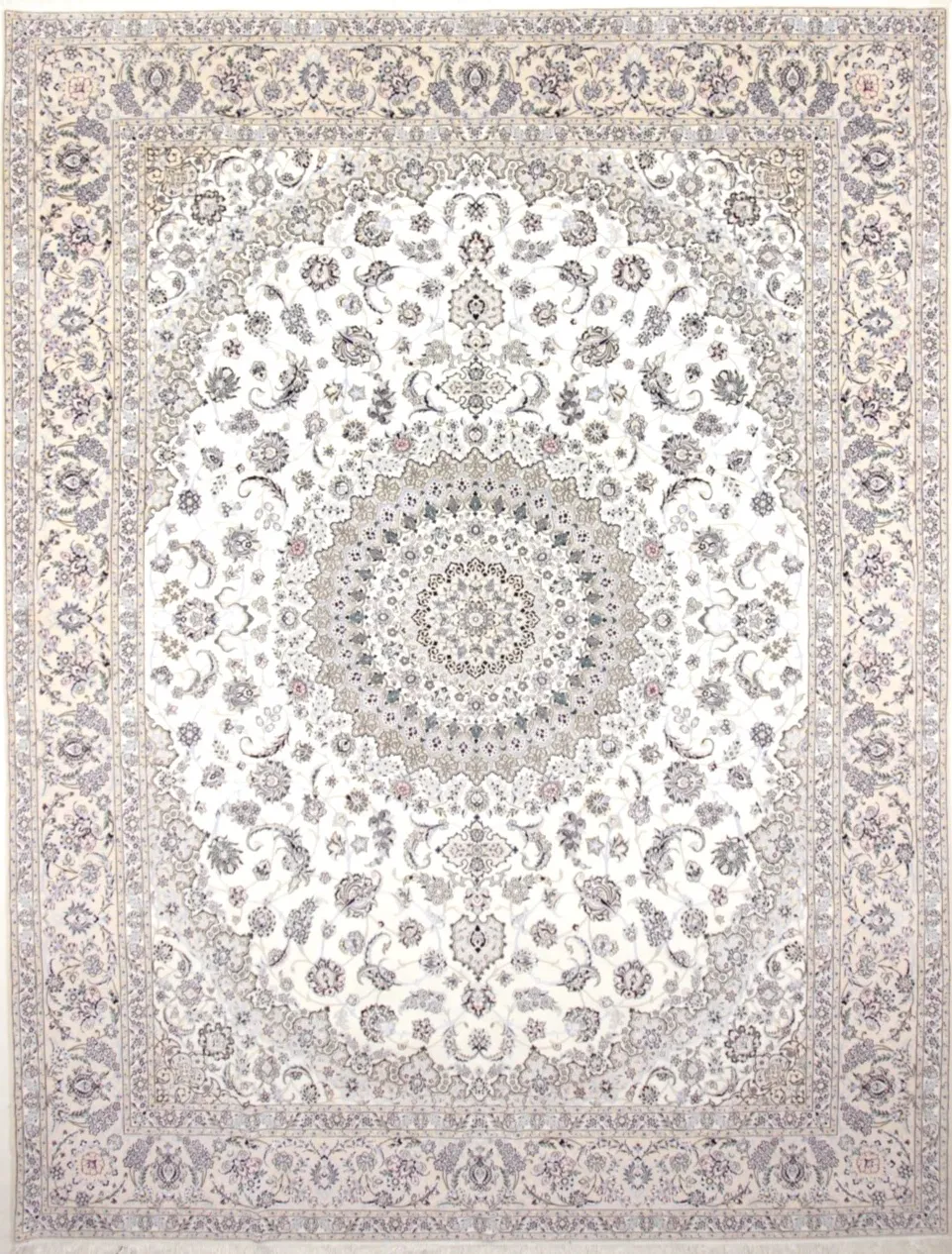
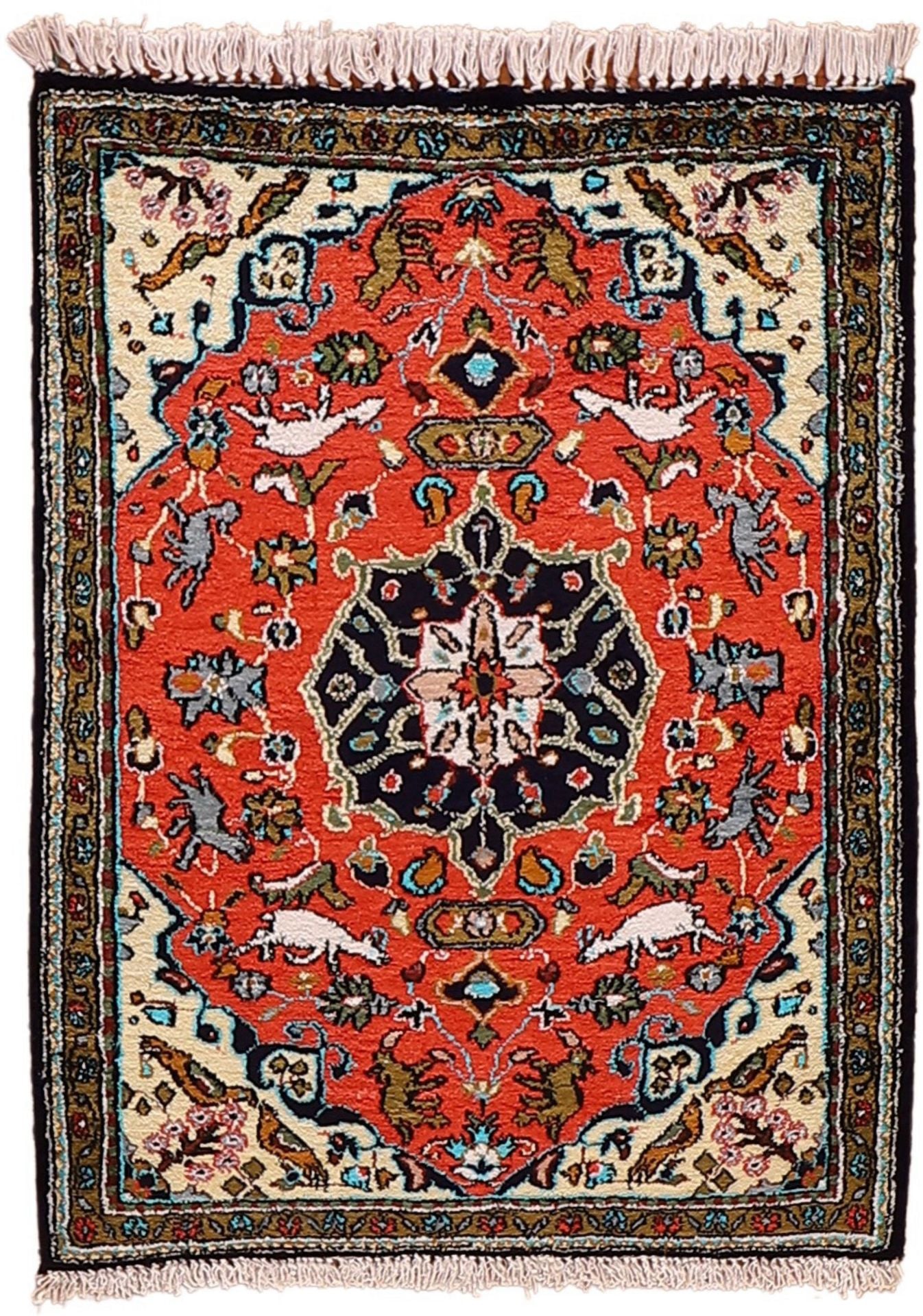
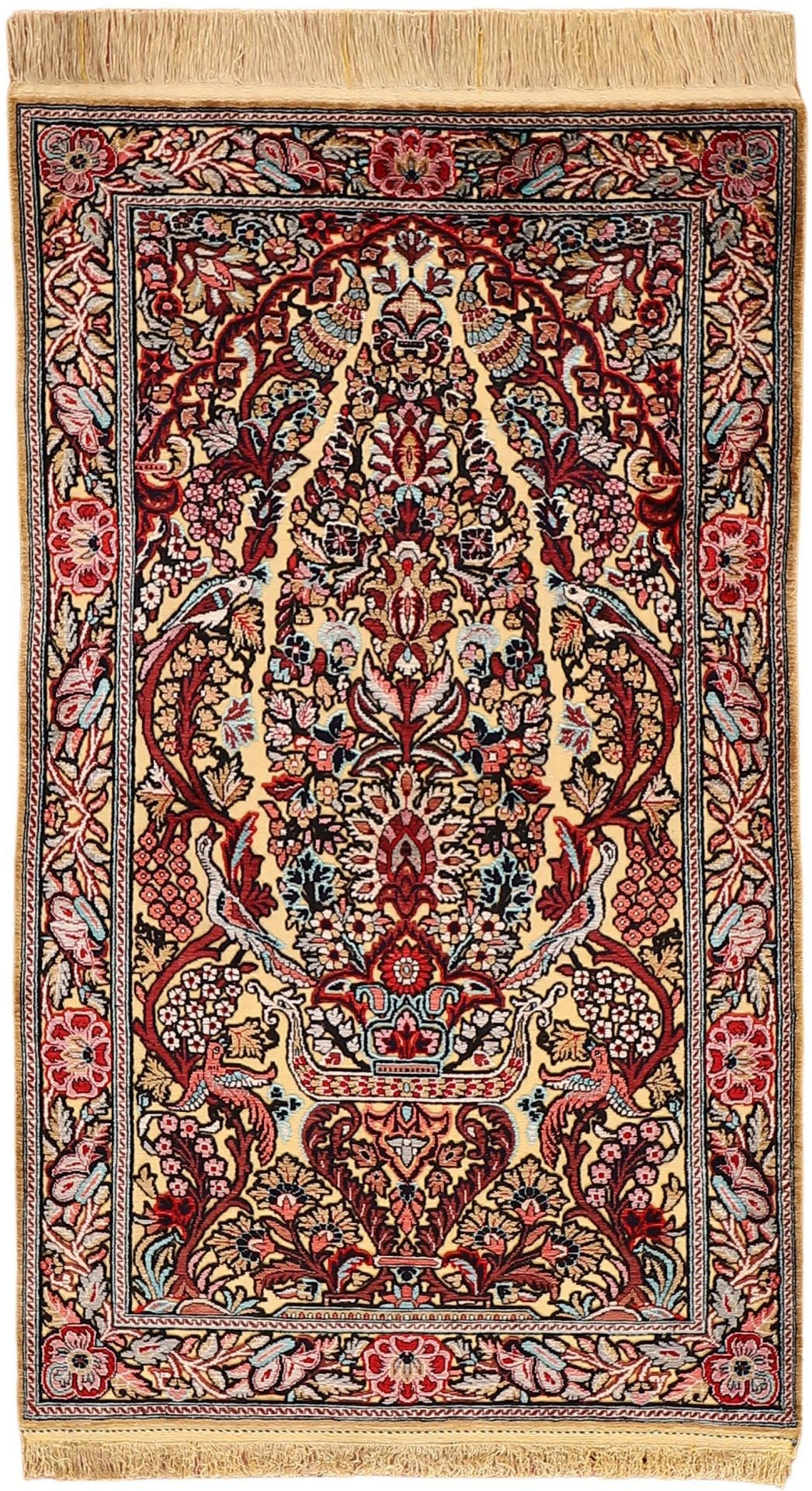
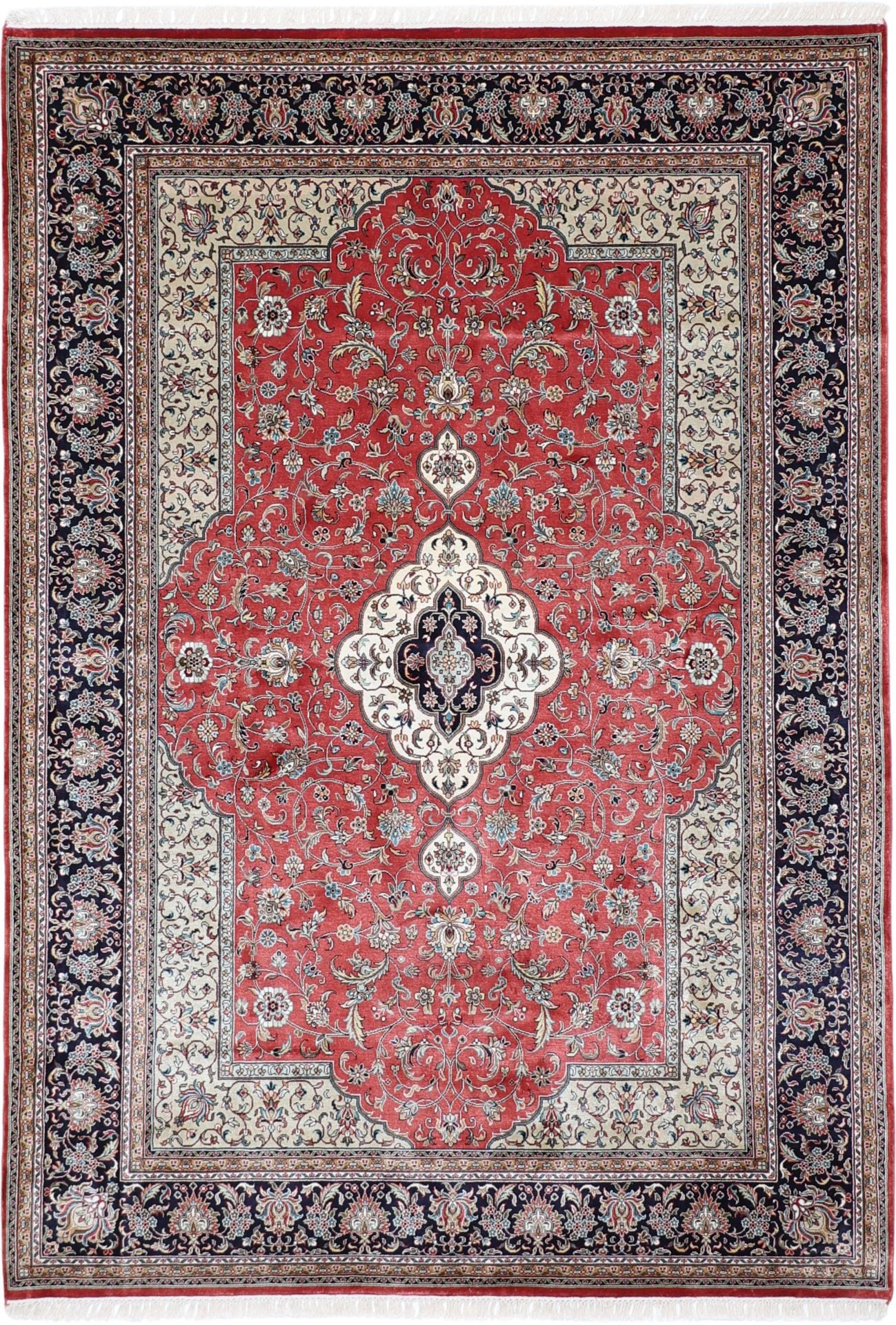
The perfect Persian carpet: tips and tricks for buying your dream carpet
The ideal carpet for your home: A comprehensive buying guide
Rugs are far more than just decorative elements in a room. They add character to your home, provide comfort, and contribute to acoustics and thermal insulation. High-quality rugs, such as Persian rugs, in particular, are not only functional but also works of art that represent tradition and craftsmanship. In this article, we'll walk you through all the important aspects of buying a rug to ensure you find the perfect one that meets your style and needs.
1. The meaning of carpets
Carpets are a central element of interior design. They define areas, create coziness, and contribute to the overall atmosphere. In many cultures, carpets have a deeply rooted history and are often associated with stories, traditions, and symbols. Whether oriental, modern, or vintage Every carpet has its own story.
2. Types of carpets
Carpets come in a variety of materials, designs, and manufacturing methods. Here are some of the most common types:
2.1 Persian carpets
Persian carpets are known for their intricate design and high quality. They are often hand-knotted and are popular for their durability and decorative patterns. Typically originating from Iran, they are a status symbol for many households.
2.2 Modern carpets
Modern rugs are characterized by clean lines and innovative designs. They are often made from synthetic materials and are ideal for minimalist or contemporary interiors.
2.3 Oriental carpets
Oriental rugs, similar to Persian rugs, are often made in countries like Turkey or Morocco. They are characterized by vibrant colors and intricate patterns.
2.4 Runners
Carpet runners are narrow and long and are often used in hallways or on stairs. They are an excellent way to define a room and add accents.
2.5 Shag carpets
Shag rugs have a deep, loose pile that creates a soft surface. They are ideal for bringing coziness to living spaces.
3. Materials and their properties
The choice of material has a major impact on the functionality and aesthetics of your rug. Here are some common materials and their properties:
3.1 Wool
Wool is one of the best carpet materials. It's soft, durable, and has natural stain-resistant properties. Wool insulates heat and provides a comfortable floor.
3.2% cotton
Cotton rugs are soft and easy to care for, but less durable than wool rugs. They are well suited for areas with less wear and tear.
3.3 Synthetic fibers
Synthetic rugs made from materials like polyester or polypropylene are often affordable, easy to care for, and colorfast. They're a good choice for high-traffic areas.
3.4 Silk
Silk carpets are extremely luxurious and are characterized by their smooth texture and luster. However, they require special care and are less durable.
4. Size and shape of the carpet
The right size and shape of the rug is crucial for room design. Here are some tips for choosing the right size:
4.1 Place furniture
A rug should ideally be placed underneath your furniture to create a cohesive look. The front legs of the furniture should rest on the rug, while the back legs can extend beyond it.
4.2 Consider room size
In large rooms, a larger rug can create defined space, while in small rooms, a smaller rug should not visually clutter the room.
4.3 Shape of the carpet
Round rugs can be used to add softer accents to a room, while rectangular rugs often work better in elongated rooms.
5. Colors and patterns
The color choice and pattern of your carpet significantly influence the overall effect of the room.
5.1 Color psychology
Certain colors can create different moods. Warm colors like red and yellow create an inviting atmosphere, while cool colors like blue and green can have a calming effect.
5.2 patterns
Patterns can add character to a room. Many rugs feature traditional patterns, while others feature modern, geometric designs. Make sure the pattern matches your decor.
6. Care and cleaning of carpets
Maintenance is crucial to the lifespan of a carpet. Here are some tips for proper care:
6.1 Regular vacuuming
Vacuum your carpet at least once a week to remove dust and dirt. Use a carpet attachment to avoid damaging the material.
6.2 Removing stains
Respond quickly to stains. Use a mild detergent and a clean, dry cloth to blot the stain rather than rubbing it.
6.3 Professional cleaning
Have your carpet professionally cleaned every few years to remove deep-seated dirt and maintain its beauty.
7. The purchasing process
Buying a rug can be challenging, as there are many factors to consider. Here are some helpful steps in the buying process.
7.1 Buy online or in store?
Buying rugs online offers a wider selection, while in-store allows you to check the quality and texture before purchasing. Both options have their advantages and disadvantages.
7.2 Comparison of prices
Compare prices across different stores and online platforms. Be sure to consider the quality of the rugs on offer.
7.3 Guarantees and return conditions
Before making a purchase, check out the warranties and return policies. A good return policy can help you if the rug doesn't perform as expected.
8. Common mistakes when buying carpets and how to avoid them
To ensure you make a well-informed purchasing decision, there are some common mistakes to avoid:
8.1 Choosing the wrong size
A common mistake is choosing the wrong rug size. Measure the area before making a decision.
8.2 Think aesthetics over function
Make sure your rug is both functional and aesthetically pleasing. Consider the traffic flow and use of the space.
8.3 Neglecting quality
Invest in quality. Cheap carpets can become more expensive in the long run if they wear out more quickly.
9. Make the right choice for your home
By considering all of the above considerations, you should be able to make an informed decision. Remember, the perfect rug not only looks good but also offers functionality and durability.
Conclusion
Purchasing a rug is a significant decision that will shape both your home and your lifestyle. From choosing the right material to considering the size of your room to proper care, every aspect plays a key role in choosing the ideal rug. This will not only make your space more beautiful, but also more cozy and inviting.
Take your time to consider different options and remember that a well-chosen rug is an investment for years to come. Keep your personal style and needs in mind, and you'll find our perfect rug.
Frequently Asked Questions (FAQ)
Question 1: How often should I have my carpet professionally cleaned?
We recommend having your carpet professionally cleaned every 1 to 2 years to remove deep-seated dirt and preserve the texture of the material. This is more frequent for heavily used carpets or in homes with pets and allergy sufferers.
Question 2: What is the difference between hand-knotted and machine-made carpets?
Hand-knotted rugs are often of higher quality because each knot is made by hand, resulting in more detailed patterns and a longer lifespan. Machine-made rugs are less expensive and produced in larger quantities.
Question 3: Can I put one rug over another rug?
It's possible to place one rug over another, but keep in mind that this may compromise stability and appearance. Make sure the bottom rug isn't too thick to avoid unevenness. Ideally, place the top rug on a rug pad to prevent slipping.