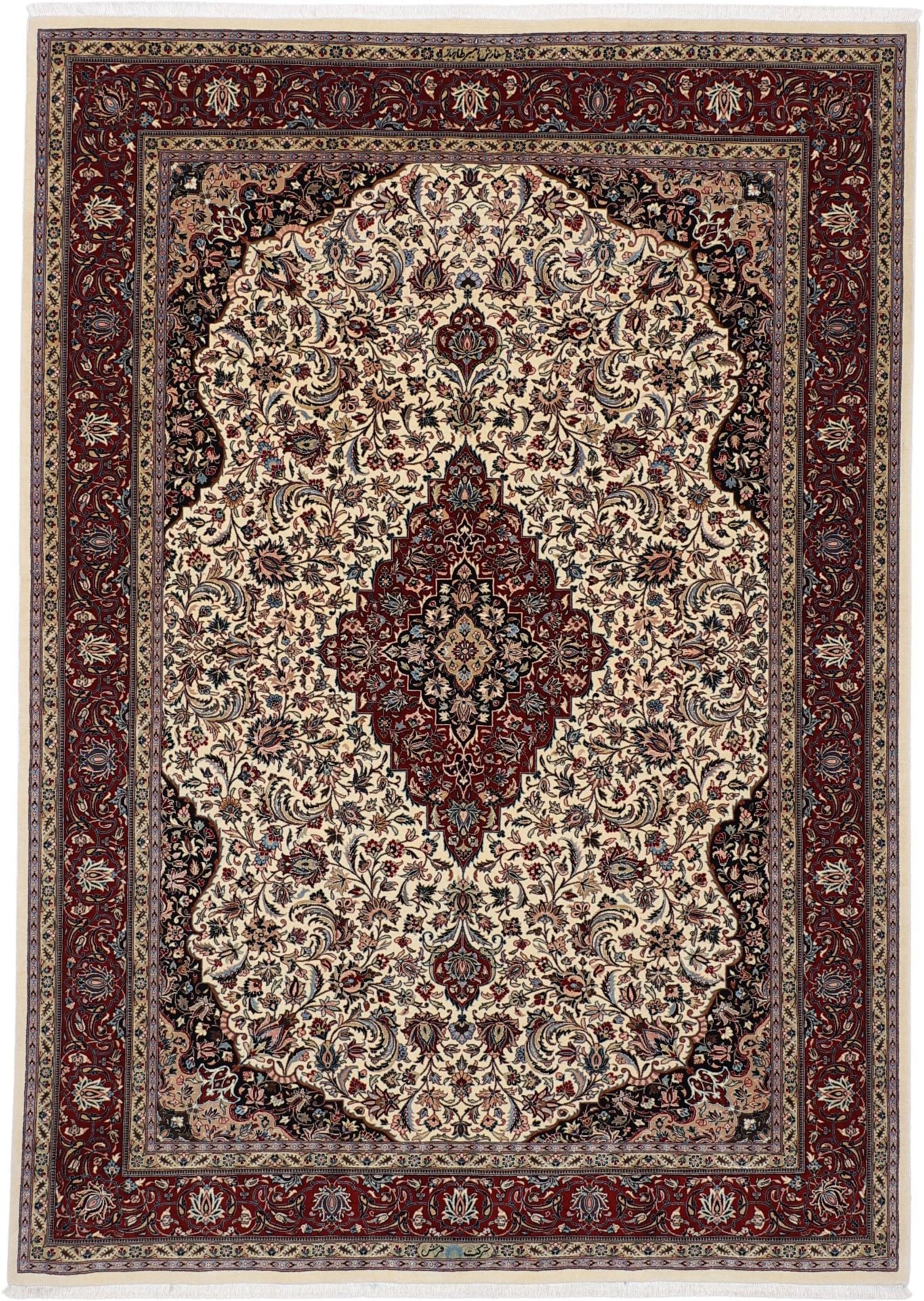
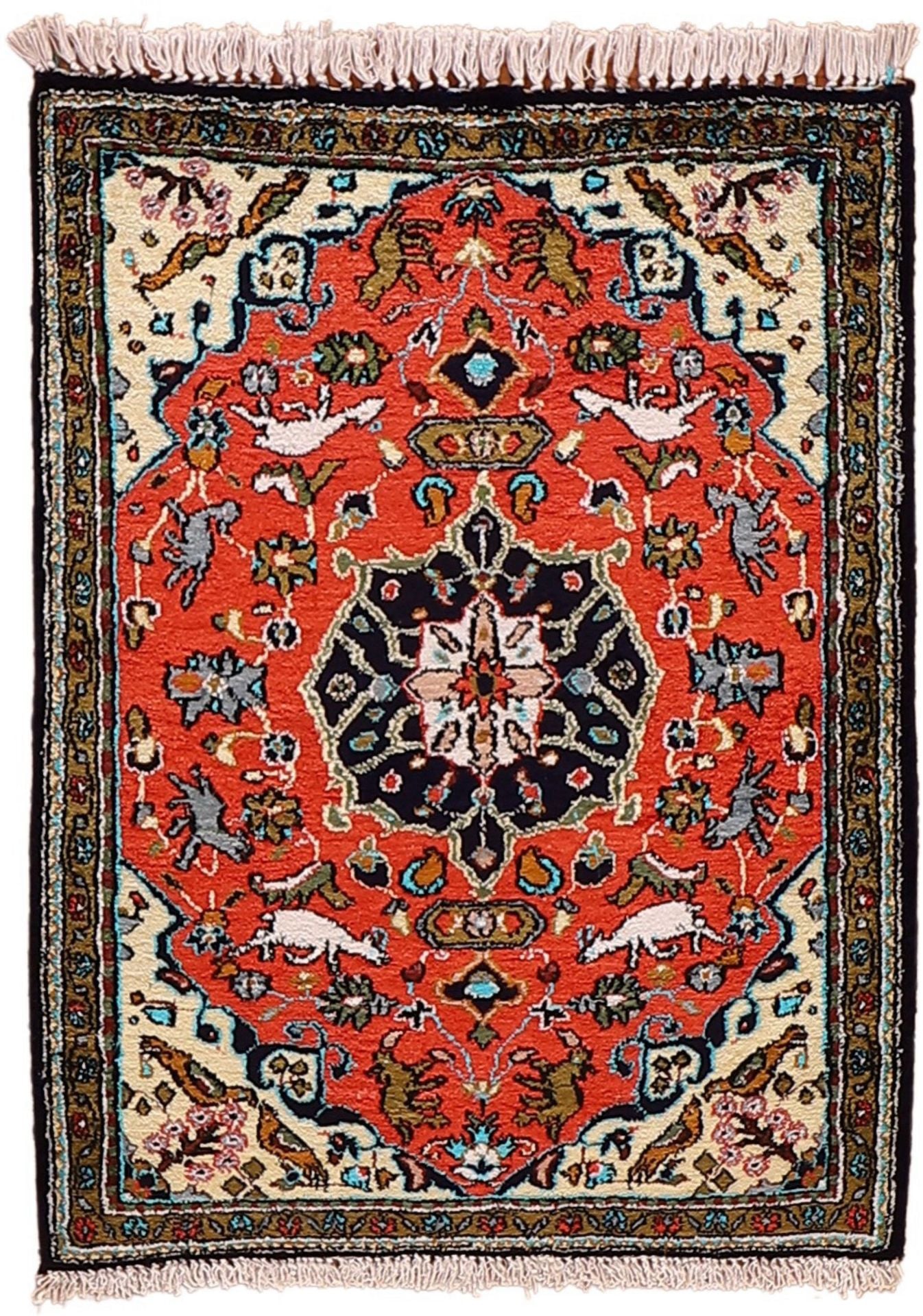
The Certificate of Authenticity for Carpets: Quality Assurance and Purchase Advice for Discerning Buyers
Carpets: Quality, authenticity and buying advice for discerning buyers
Introduction
Rugs are more than just floor coverings; they are works of art that can tell stories and add character to any room. Whether traditional or contemporary, hand-knotted or machine-made, the variety and aesthetics of rugs are endless. In this article, we will explore the world of rugs, focusing in particular on the importance of certificates of authenticity, quality assurance, and important tips for purchasing a high-quality rug for discerning buyers.
The importance of the certificate of authenticity
What is a certificate of authenticity?
A certificate of authenticity is an official document that confirms the origin and characteristics of a rug. It provides information about the material, the manufacturing method, and the origin of the rug. High-quality rugs are not just about appearance, but also about the quality of the materials used and the craftsmanship that went into their production.
Why is a certificate of authenticity important?
For discerning buyers, a certificate of authenticity is an essential guarantee when investing in a rug. It ensures that the buyer is purchasing an authentic product and is not exposed to counterfeits or inferior imitations. This is especially important for handmade rugs, which often command high prices. A certificate of authenticity also provides information on care and proper cleaning techniques, which can be crucial for the rug's longevity.
Quality characteristics of carpets
Material
The type of material has a significant impact on the quality and durability of a carpet. The most common materials include:
- Wool – Known for its softness and durability. Wool also has the ability to regulate temperature and is dirt-resistant.
- Silk – High-quality silk carpets exude luxury and display vibrant colors and details. However, they are more delicate and require special care.
- Cotton – Often used in blends or as stuffing, cotton offers a more cost-effective option but does not have the same longevity as wool or silk.
- Synthetic fibers – Materials such as polyester or polypropylene are often cheaper, but cannot compete with natural fibers in terms of quality and appearance.
application
The type of craftsmanship is another crucial quality characteristic. Carpets can be either hand-knotted, hand-woven, or machine-made:
- Hand-knotted carpets are the result of years of tradition and craftsmanship. They are characterized by their uniqueness and durability.
- Handwoven carpets also offer high quality, but are often less complex to produce.
- Machine-made carpets are generally more cost-effective, but often cannot offer the same level of detail or durability as handmade rugs.
Knot density
Knot density is another key criterion for a carpet's quality. It indicates how many knots are produced per square meter. A higher knot density generally means better quality, more detail, and a longer lifespan.
Buying advice: What you should pay attention to when buying carpets
Set budget
Before you begin shopping for a rug, you should set a budget. High-quality, hand-knotted rugs can be expensive, but they are often a sustainable investment that retains its value over the years.
Space and style
Consider the room where the rug will be placed. An elegant silk rug may look great in a living room, but it could be vulnerable in a high-traffic area like a hallway. Choose a rug that fits your space both stylistically and practically.
Size and shape
Measure the available space carefully to ensure the rug fits well in the room. Also consider the shape: Round rugs can provide a great contrast to angular furniture, while square and rectangular rugs are a classic choice.
Care and cleaning
Different rugs require different types of care, and it's important to understand the care requirements of each material. Wool, for example, requires specialized cleaning products, while synthetic rugs are generally easier to clean.
Care instructions for carpets
A high-quality carpet requires regular care to maintain its beauty and longevity. Here are some tips:
- Regular vacuuming: Remove dirt and dust to prevent dirt from settling in the fabric.
- Fast stain treatment: If there is any dirt, it is important to treat it immediately to avoid permanent damage.
- Chemical cleaningConsider using a professional dry cleaner, especially for delicate materials like silk.
Sustainability in carpet production
Environmentally friendly materials
In recent years, the demand for sustainable carpets has increased. Ingenious manufacturers have begun using environmentally friendly materials and dyes. Natural fibers such as wool, cotton, or hemp are biodegradable and have a lower environmental impact.
Social Responsibility
The social conditions of workers in carpet production are also an important issue. Buyers should look for manufacturers who guarantee fair working conditions and wages. The certificate of authenticity can also provide information on social standards in the production chain.
Investing in carpets: A work of art for your home
Longevity and value
High-quality rugs are not only decorative but also a lasting investment. They can be treasured for generations and even increase in value if well cared for. An authentic, hand-knotted rug can command a high market value, making it a top choice for discerning buyers.
The emotional value
A rug can also create an emotional connection to a home. Many buyers feel a connection to a rug that conveys stories and memories. It can be passed down as an heirloom, bringing family memories into the home.
Final section
Carpets are more than just functional furnishings; they are versatile works of art that significantly influence the aesthetics and atmosphere of a room. A certificate of authenticity plays a crucial role in quality assurance and offers buyers the necessary security for their investment. When choosing the right carpet, material, craftsmanship, and care are essential criteria that influence its value and longevity.
We hope this article has provided you with valuable information and inspiration for your next rug purchase. Invest in a high-quality rug and enrich your home with a piece of craftsmanship that not only warms your feet but also touches your heart.
FAQ
1. How do I recognize a high-quality carpet?
A high-quality rug usually has a high knot density, natural materials, careful craftsmanship, and a genuine certificate of authenticity. Be sure to check the manufacturing method and the materials used.
2. How often should I clean my carpet?
Regular vacuuming is important to remove dirt. For a thorough clean, you should consider professional carpet cleaning every 1-2 years, depending on usage.
3. Can I clean a carpet myself?
Many carpets can be treated by removing stains and gently cleaning them with a damp cloth. However, be sure to follow the manufacturer's specific care instructions. For delicate materials like silk, it's advisable to consult a professional.