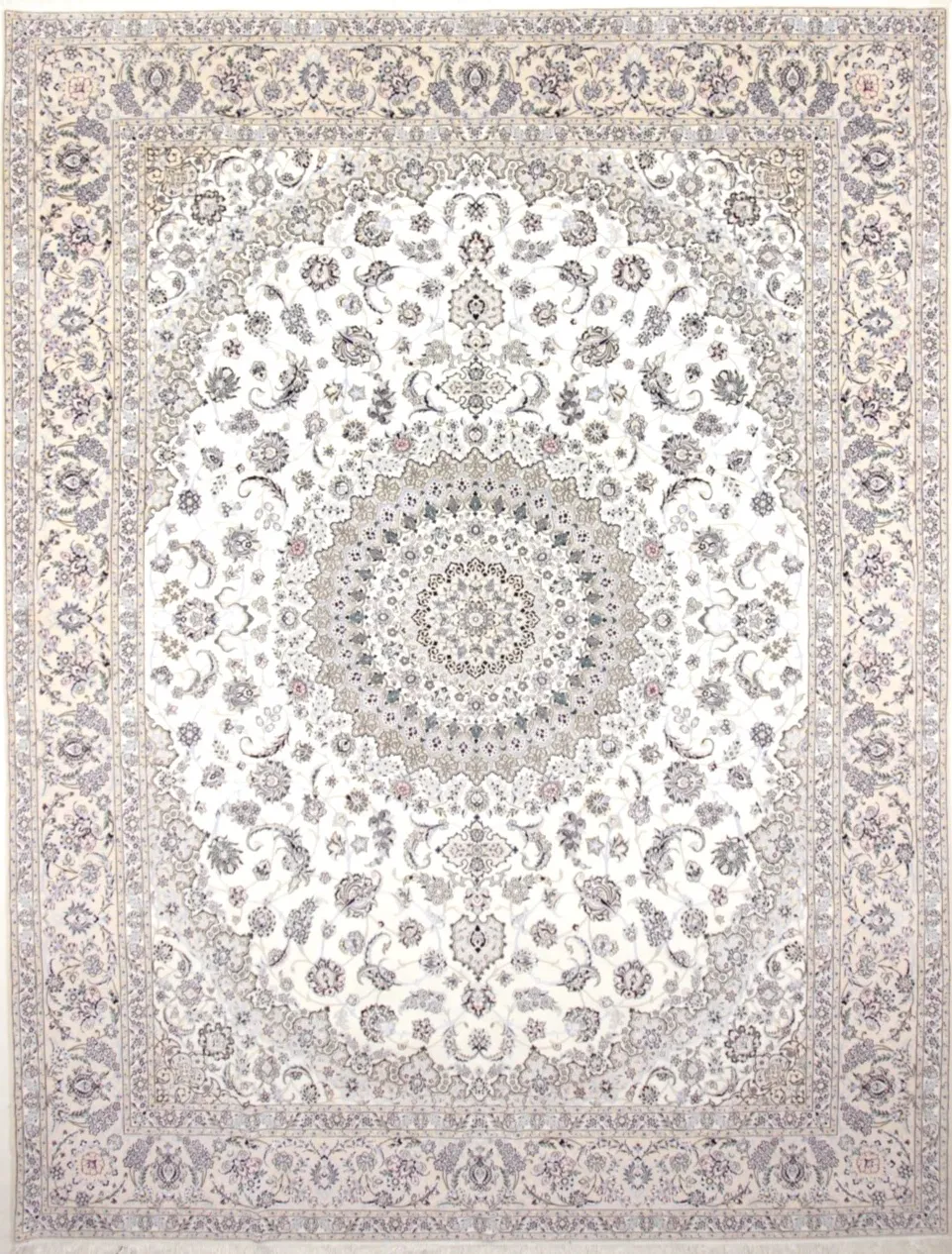
“Chobi carpets: The timeless elegance of traditional craftsmanship”
Carpets: The timeless elegance of traditional craftsmanship
Carpets are more than just floor coverings; they are works of art that weave history and culture into every thread. Chobi carpets, in particular, which have their roots in traditional Persian and Afghan craftsmanship, exude an unparalleled elegance. In this article, we would like to introduce you to the world of carpets, from their production to their care and the various styles available on the market. Be inspired by the beauty and craftsmanship of these carpets.
1. The history of Chobi carpets
Chobi rugs, also known as "Chobi" or "Chobi Ghalis," evolved from the traditional rugs of Afghanistan and Persia. The term "Chobi" means "wooden color," which refers to the earthy and natural tones often used in these rugs. They are characterized by warm, neutral colors such as beige, brown, and soft greens that are in harmony with nature. The history of Chobi rugs dates back to the 19th century, when Afghan rug weavers began creating these special works of art.
Chobi rugs were originally made for the personal use of herding families. Their function was not only decorative but also practical—they provided warmth and comfort on cool nights and protected the floor from wear and tear. Over time, the weavers began to offer their works of art to the international market, and thus Chobi rugs gained worldwide recognition.
2. The production of Chobi carpets
Chobi rug production is a time-consuming process involving many steps. Each rug is unique, and the passion and craftsmanship of the rug weavers can be felt in every stitch. Here are the key steps in the production process:
2.1 materials
Chobi rugs are traditionally made from high-quality materials such as wool, silk, or a combination of both. The quality of the wool plays a crucial role – it should be soft, durable, and stain-resistant. The wool is often obtained from local sheep raised under favorable conditions.
2.2 Dyeing the wool
To achieve the characteristic colors of Chobi rugs, natural dyes are used. These are derived from plants, minerals, or insects and are not only environmentally friendly but also colorfast. Dyeing can take several days to ensure the wool is deeply and evenly colored.
2.3 The knotting
The knotting itself is usually done on a loom and can take weeks to months, depending on the size and complexity of the rug. The knotters use a special knot to tightly and tightly bind the wool, which gives the rug its robustness. Chobi rugs are also known for their high knot density, which results in higher quality and durability.
2.4 Finishing
After the rug is knotted, the finishing process begins. This involves trimming out irregular threads, brushing the surface, and sometimes applying natural oils to achieve a soft texture. The final step is drying, during which the rug is hung in a sunny location.
3. Styles and designs of Chobi carpets
Chobi rugs are available in a variety of designs and styles, ranging from traditional patterns to modern minimalist interpretations. Here are some of the most popular styles:
3.1 Traditional motifs
Traditional Khobi carpets are often decorated with floral, geometric, or abstract patterns. These designs reflect the cultural identity of the weaves and often vary across different regions of Afghanistan and Persia. Motifs such as diamonds, flowers, or small animals are often used to tell stories and legends.
3.2 Minimalist designs
In recent years, many Designer Inspired by traditional Chobi rugs, these rugs feature minimalist designs. They offer the same earthy tones but with simplified patterns, making them ideal for modern living spaces. Such rugs are perfect for Scandinavian or industrial interior design styles.
3.3 Berber-carpets
BerberCarpets originating in North Africa often feature simplified forms and intricate patterns. Chobi carpets sometimes adopt these elements and combine them with traditional oriental designs, resulting in unique and appealing carpets.
4. The advantages of Chobi carpets
Chobi rugs offer a variety of benefits that make them an excellent choice for any room:
4.1 Longevity
Thanks to the high-quality wool and dense knotting technique, Chobi rugs are extremely durable. They will last for decades, even with intensive use.
4.2 Ease of care
Thanks to the natural properties of wool, many Chobi rugs are stain-resistant and require minimal maintenance. Regular vacuuming and occasional professional cleaning are usually sufficient to keep the rugs in good condition.
4.3 environmental friendliness
The use of natural materials and dyes makes Chobi rugs environmentally friendly. Furthermore, the rugs are often manufactured in small family businesses, promoting fair and sustainable production.
4.4 Aesthetic diversity
The variety of designs and colors makes it possible to find the perfect Chobi rug for every room, whether in the living room, bedroom, or hallway. They blend harmoniously into any interior and add a special touch to any space.
5. Care and cleaning of Chobi carpets
Proper care is crucial to preserving the beauty and longevity of a Chobi rug. Here are some care and cleaning tips:
5.1 Regular vacuuming
To remove dirt and dust, vacuum your Chobi rug regularly. Use a special carpet nozzle and avoid pressing too hard on the rug to avoid damaging the fibers.
5.2 Removing stains
If you encounter stains, you should act immediately. Gently dab the stain with a damp cloth, but avoid using harsh chemicals. Vinegar and water are often effective natural cleaners.
5.3 Professional cleaning
Professional cleaning is recommended at least every few years, especially if the carpet is subject to heavy wear. Experts can thoroughly remove stains and odors without damaging the carpet.
6. Use Chobi carpets in the living room
The placement of a Chobi rug can significantly transform a room and add character. Here are some tips for using Chobi rugs in your interior design:
6.1 Creating zones
Use large Chobi rugs to define distinct zones in an open-plan living space. For example, a rug can separate the dining area from the living room, providing structure and clarity.
6.2 Accentuating furniture
A Chobi rug can serve as a beautiful accent under furniture, making it stand out. A large sofa or a stylish bed instantly looks more elegant with a high-quality rug.
6.3 Color harmony
Use the earthy tones of Chobi rugs to create a harmonious color palette in your room. Combine them with neutral walls and classic furniture for a timelessly elegant look.
Final section
Carpets are an expression of culture, tradition, and craftsmanship—especially Chobi carpets, which embody the beauty and elegance of traditional weaving. Their appealing design, durability, and ease of care make them the ideal choice for any home. When you choose a Chobi carpet, you're not only investing in a unique piece of craftsmanship, but also in timeless elegance that will enhance your home. Whether in a classic or modern space, the variety and beauty of Chobi carpets will transform any room into a place of inspiration.
FAQ
1. How do I recognize a high-quality Chobi carpet?
A high-quality Chobi rug is characterized by a high knot count, a dense and even texture, and the use of fine materials. Furthermore, the colors should be vibrant but not garish and made from natural dyes. If you are unsure, you can also contact specialist retailers who can provide information about the origin and quality of the rugs.
2. How much does a Chobi carpet cost?
The price range for Chobi rugs varies and depends on factors such as size, craftsmanship, and material. Inexpensive examples can be available for as little as €200, while hand-knotted, large models can cost several thousand euros. Keep in mind that quality and durability often go hand in hand with price.
3. Are Chobi carpets allergy-friendly?
Chobi rugs made from pure wool are generally hypoallergenic, as they contain no harmful chemicals and have anti-static properties. However, before purchasing, you should check that the rug is made from natural materials to ensure it is suitable for allergy sufferers. Regular care and cleaning will also help prevent allergens.