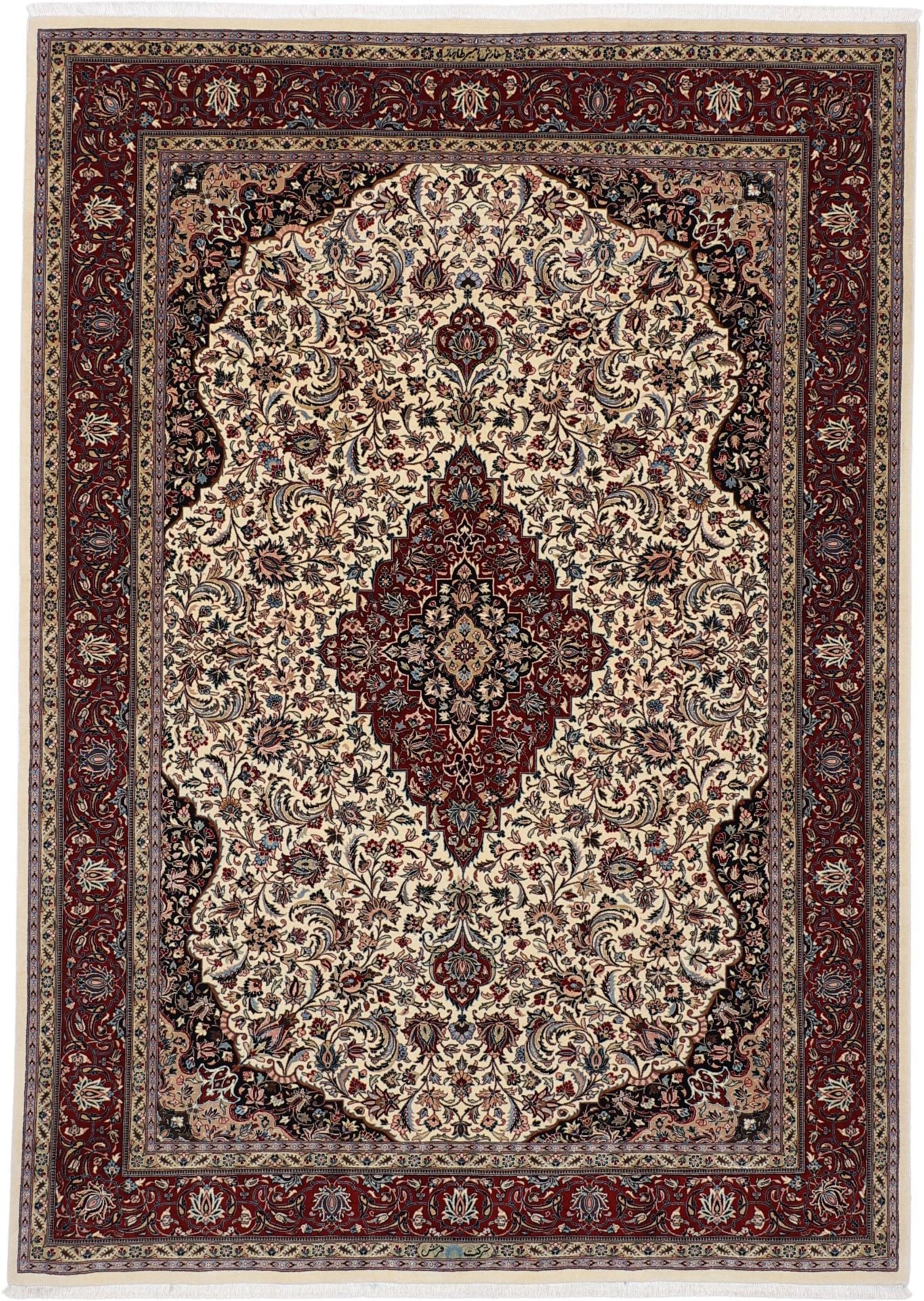
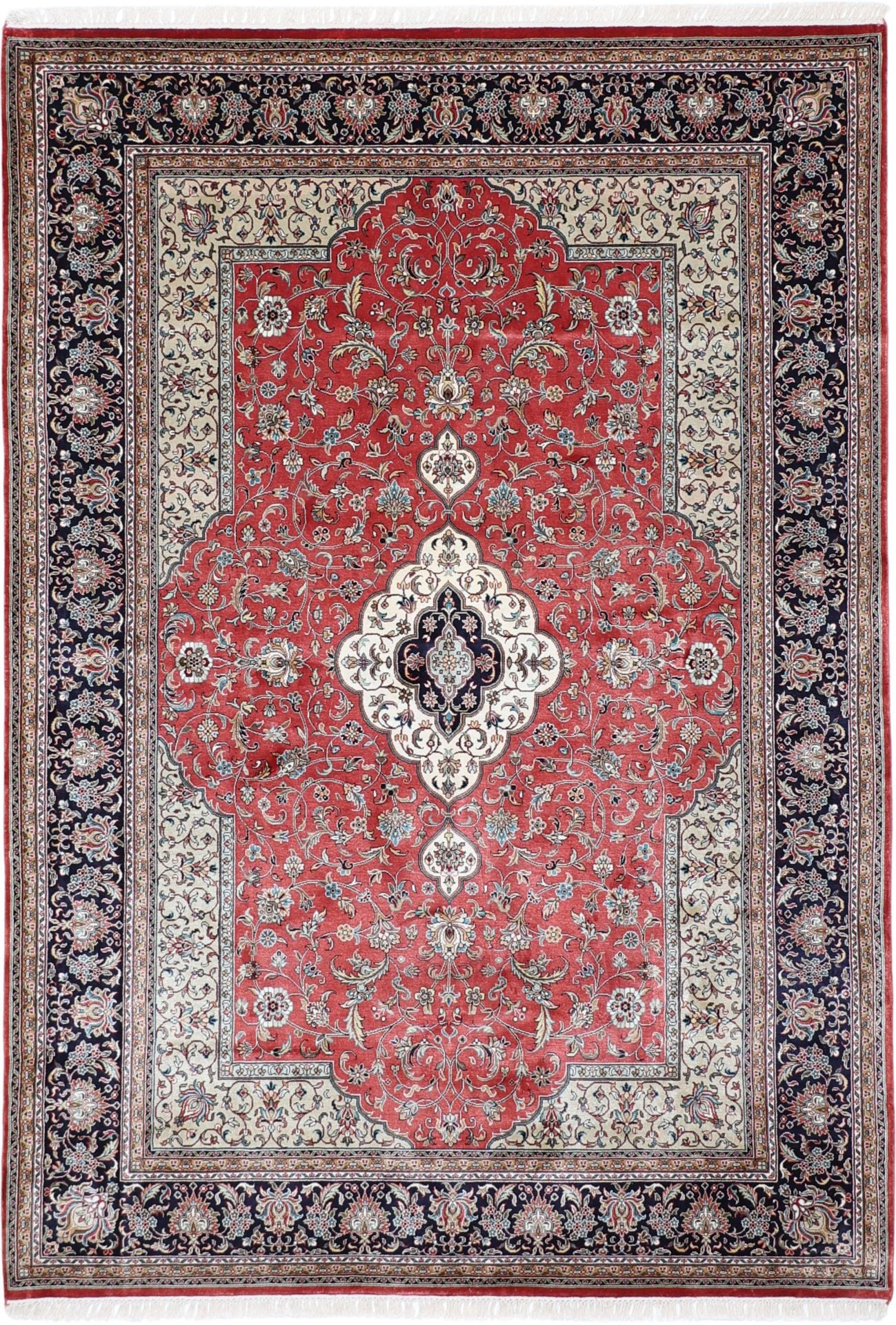
Cotton, wool, or silk? The materials of Persian carpets explained
Carpets made of cotton, wool and silk: Materials of Persian carpets in detail
Carpets are not just practical floor coverings; they are also works of art that enhance rooms and create atmosphere. Traditionally crafted Persian carpets are particularly popular, featuring exquisite craftsmanship and the variety of materials used. In this article, we will examine the main materials used in Persian carpets—cotton, wool, and silk—and explain their respective properties and advantages.
1. Introduction to the world of Persian carpets
Persian carpets are more than just floor coverings. They are an ancient craft that has often survived generations. Traditionally made in Persia (present-day Iran), these carpets are distinguished by their attention to detail, refined craftsmanship, and a wide range of designs and colors. The materials used, such as cotton, wool, and silk, play a crucial role in the quality, appearance, and longevity of the carpets.
2. Cotton: The sustainable choice
2.1 Properties of cotton
Cotton is naturally derived from the fibers of the cotton plant. It's known for its softness, breathability, and durability. Furthermore, it's a lightweight material that feels comfortable and can be dyed in a variety of colors. Cotton doesn't tend to absorb light, meaning the colors remain vibrant and bright.
2.2 Advantages of cotton carpets
Cotton rugs are particularly known for their ease of care. They are machine washable and quick-drying, making them an excellent choice for homes with children or pets. Cotton rugs are also hypoallergenic, offering the added benefit of being allergy-friendly.
One of the most well-known uses of cotton in Persian rugs is as a backing material that strengthens the rug's structure, while the pile is often made of other materials. Cotton rugs add light and freshness to rooms and are particularly well-suited to modern interior styles.
2.3 Care and maintenance of cotton carpets
To maximize the lifespan of cotton carpets, proper care is essential. Regular vacuuming removes dirt and prevents dust particles from settling in the fibers. If stains occur, act promptly and dab the affected area with a damp cloth and clean with a mild detergent. Avoid harsh chemicals, as these can damage the fibers.
3. Wool: The natural luxury
3.1 Properties of wool
Wool is another popular material often used in Persian rugs. It's a natural fiber obtained from sheep. Wool is characterized by its excellent insulating properties, durability, and ability to regulate moisture. It can not only retain heat but also keep you cool at temperatures above 30 degrees Celsius, making it a versatile material for all seasons.
3.2 Advantages of wool carpets
Wool carpets are particularly valued for their durability and longevity. They are able to repel dirt and are self-cleaning, as they do not easily absorb stains and dirt. Furthermore, wool carpets are naturally flame-retardant, making them an excellent choice in terms of safety.
The luxurious feel of wool underfoot also creates a pleasant living atmosphere. With a wide range of designs and colors, wool rugs are an eye-catcher in any room and complement both traditional and modern decor.
3.3 Care and maintenance of wool carpets
Wool carpets require a little extra care when caring for them. They should be cleaned regularly with a vacuum cleaner without rotating brushes to avoid damaging the fibers. If soiled, it's recommended to immediately dab the stain with a dry cloth and, if necessary, treat it with a special wool cleaner.
It's important not to overwater wool, as this can damage the fibers. Professional cleaning can help keep rugs in their best condition.
4. Silk: The epitome of elegance
4.1 Properties of silk
Silk is the most expensive and luxurious material used in carpet making. Obtained from the cocoons of the silkworm, it is known for its lustrous surface and smooth texture. Silk also has excellent color depth and offers a wide range of shimmering tones.
4.2 Advantages of silk carpets
Silk carpets are known for their exquisite beauty and intricate details. Often decorated with intricate motifs and patterns, they are considered true masterpieces. The silk threads give the carpet a particularly lustrous and vibrant look, allowing it to stand out in any room.
However, silk rugs are more delicate and less durable than cotton or wool. They are ideal for formal spaces or as wall decorations, but they can wear out quickly in high-traffic areas.
4.3 Care and maintenance of silk carpets
Caring for silk carpets requires special care. Regular vacuuming with a soft brush is essential to prevent dust accumulation. Stains should be treated promptly, and professional cleaning is recommended to ensure the carpets are not damaged.
Since silk is sensitive to moisture, rugs should not be placed in humid environments. Direct sunlight can also impair the silk's shine, so a sheltered location is advisable.
5. Choosing the right material
Choosing the right material for a Persian rug depends largely on individual needs and intended use. Consider the following aspects:
Use: Where will the rug be used? In a high-traffic area, durable materials such as wool or cotton are suitable. For living spaces with a more formal character, silk might be the right choice.
Maintenance: Are you prepared to invest more time in caring for your carpet? Then silk-rich carpets might be an option. If not, cotton or wool may be a better choice.
- Budget: Silk is the most expensive material, followed by wool. Cotton is generally the cheapest option, but still offers high quality and durability.
6. Fazit
In summary, the choice of material for a Persian rug is crucial for the functionality, appearance, and longevity of the product. Cotton offers a practical and sustainable option, while wool is known for its durability and elegance. Silk, on the other hand, represents the epitome of luxury and beauty.
Regardless of the choice, the purchasing decision remains personal and should be based on individual needs and desired aesthetics. The right rug can transform a room and leave a lasting impression.
FAQ's
1. How do I recognize the quality of a Persian carpet?
The quality of a Persian carpet can be determined by various criteria, including the number of knots per square meter, the type of materials used, and the craftsmanship. High-quality carpets are typically made of pure wool or silk and have a high knot density, which results in greater durability and detail.
2. Are cotton carpets suitable for allergy sufferers?
Yes, cotton rugs are considered hypoallergenic, making them suitable for allergy sufferers. They are free of synthetic materials and can be machine washed frequently, reducing the buildup of allergens and dust mites.
3. How can I protect my carpet?
To protect your carpets, vacuum regularly, place them in a suitable location (e.g., out of direct sunlight), and hire professional cleaning services when needed. A rug underlay can also help keep the carpet in place and minimize wear and tear.